Scientists insisted no fireflies in the Americas could flash in unison, until a woman who grew up watching them in the Great Smoky Mountains proved the synchronous fireflies were real
For two weeks every summer, a patch of forest in the Great Smoky Mountains goes dark, then erupts in waves of light as thousands of fireflies flash together. For years, science said this could not happen in North America. One woman who had watched it since childhood knew better.
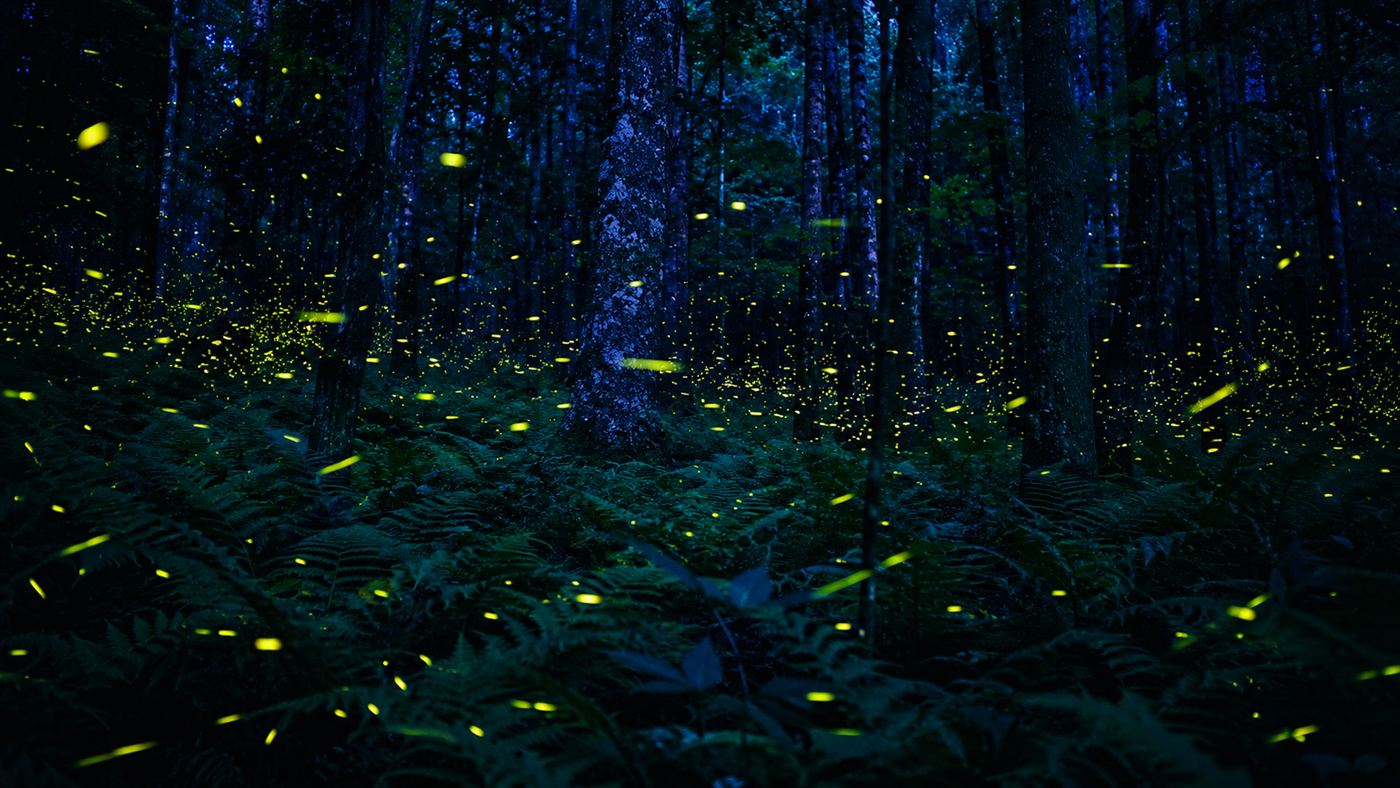
For a few nights each June, whole hillsides in the Smokies blink on and off together. Illustration: Watts & Wild.
The synchronous fireflies had been flashing in Lynn Faust's backyard her whole life. Every June, at her family's old cabin in Elkmont, deep in the Great Smoky Mountains, the dark hillsides would fill with lightning bugs blinking on and off in a single rhythm, and she assumed everyone with a Smokies cabin had seen the same thing. To her it was not a marvel. It was just summer.
Then in 1991 she read a magazine article that stopped her cold. As the Nature Conservancy has recounted, the piece stated that no fireflies in the Western Hemisphere were known to synchronize their flashes. Faust knew that was wrong, because she had been watching them do exactly that for decades. She wrote to the scientists named in the article, and the next summer they came to the Smokies and confirmed it: Photinus carolinus, now North America's most famous synchronous firefly.
Synchronous fireflies are firefly species whose males flash in near-perfect unison rather than at random. The best-known in North America, Photinus carolinus, lights up the Great Smoky Mountains for about two weeks each summer, and the show is so popular that the national park now runs a lottery just to keep the crowds from overwhelming it.
What are synchronous fireflies?
Of the more than 2,000 firefly species in the world, only a handful are known to flash together, and the synchronous fireflies of the Smokies are the celebrities of that small club. During firefly mating season the males rise from the leaf litter and pulse out a burst of flashes, then fall dark in eerie unison, so that an entire hillside seems to breathe light. It is one of the strangest choreographies in the animal world, performed by insects with no conductor and no plan.
The species behind the Smokies display is Photinus carolinus, one of at least 19 kinds of firefly living in the Great Smoky Mountains. Not every firefly here synchronizes, which is part of what makes the show so specific. On the right nights, in the right coves, this one species turns the forest into a slow, silent strobe, while its neighbors blink away on their own private schedules.
The woman who corrected the scientists
Lynn Faust's letter changed the map of American nature. As UConn Today has reported, researchers Jonathan Copeland and Andrew Moiseff followed up on her account and documented the synchronous fireflies at Elkmont, confirming that the Western Hemisphere had a spectacular synchronizer after all. It had been flashing over the same Tennessee hillsides the whole time, watched by generations of local families who never knew science had ruled it impossible.
Faust went on to become one of the country's leading firefly experts, nicknamed the Lightning Bug Lady, and in 2017 she published the first field guide to the fireflies of the eastern United States. The great discovery had not come from a lab, but from a woman who paid attention to her own backyard. Her story is a reminder that expert consensus and everyday observation sometimes need each other, and it echoes how amateur naturalists still reshape what we know, from the stars to the soil.
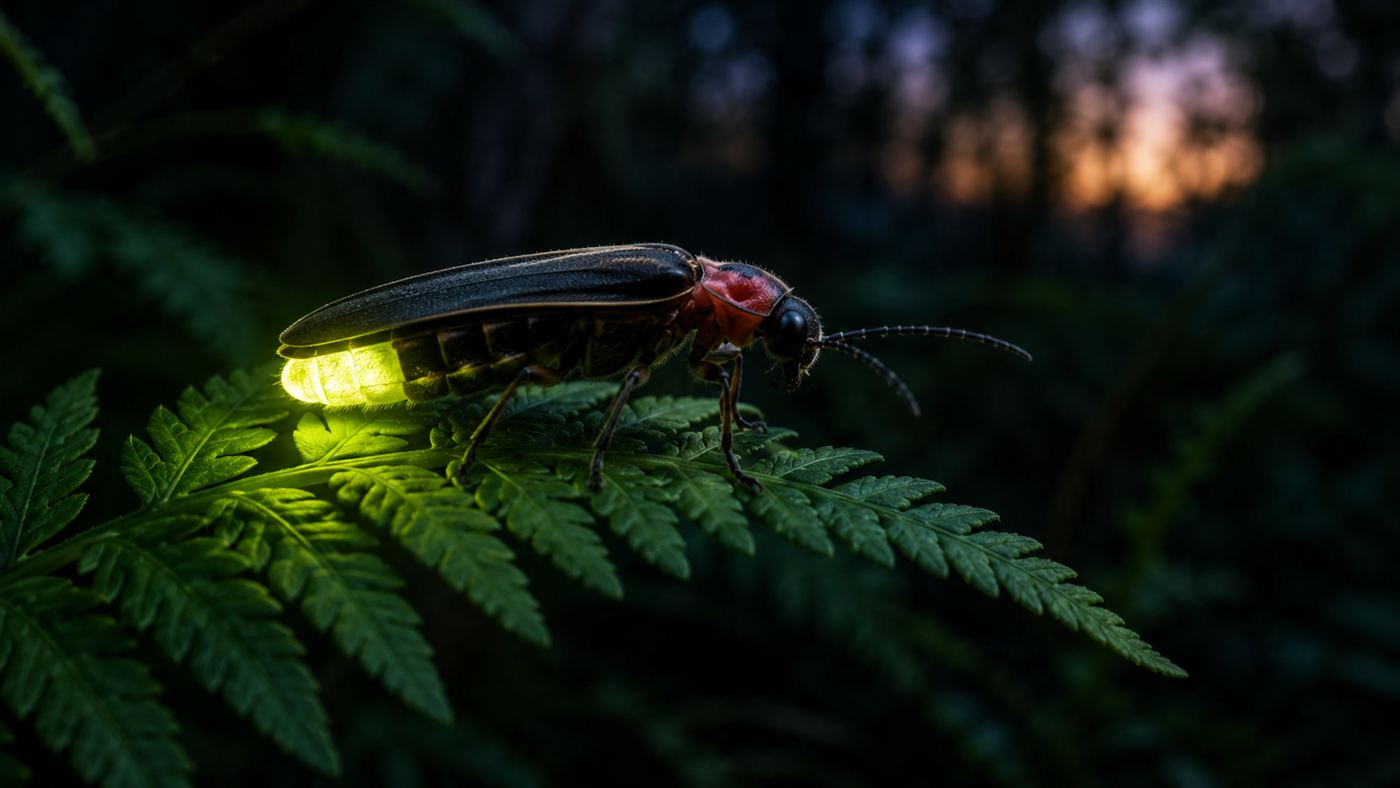
Why do fireflies flash in unison?
For a long time the synchrony looked almost mystical, but the leading explanation is refreshingly practical, and it is all about firefly mating. In experiments published in the journal Science, Andrew Moiseff and Jonathan Copeland showed why the timing matters. They collected female Photinus carolinus, sat them in front of tiny artificial lights blinking the male pattern, and varied how tightly those lights kept time with one another.
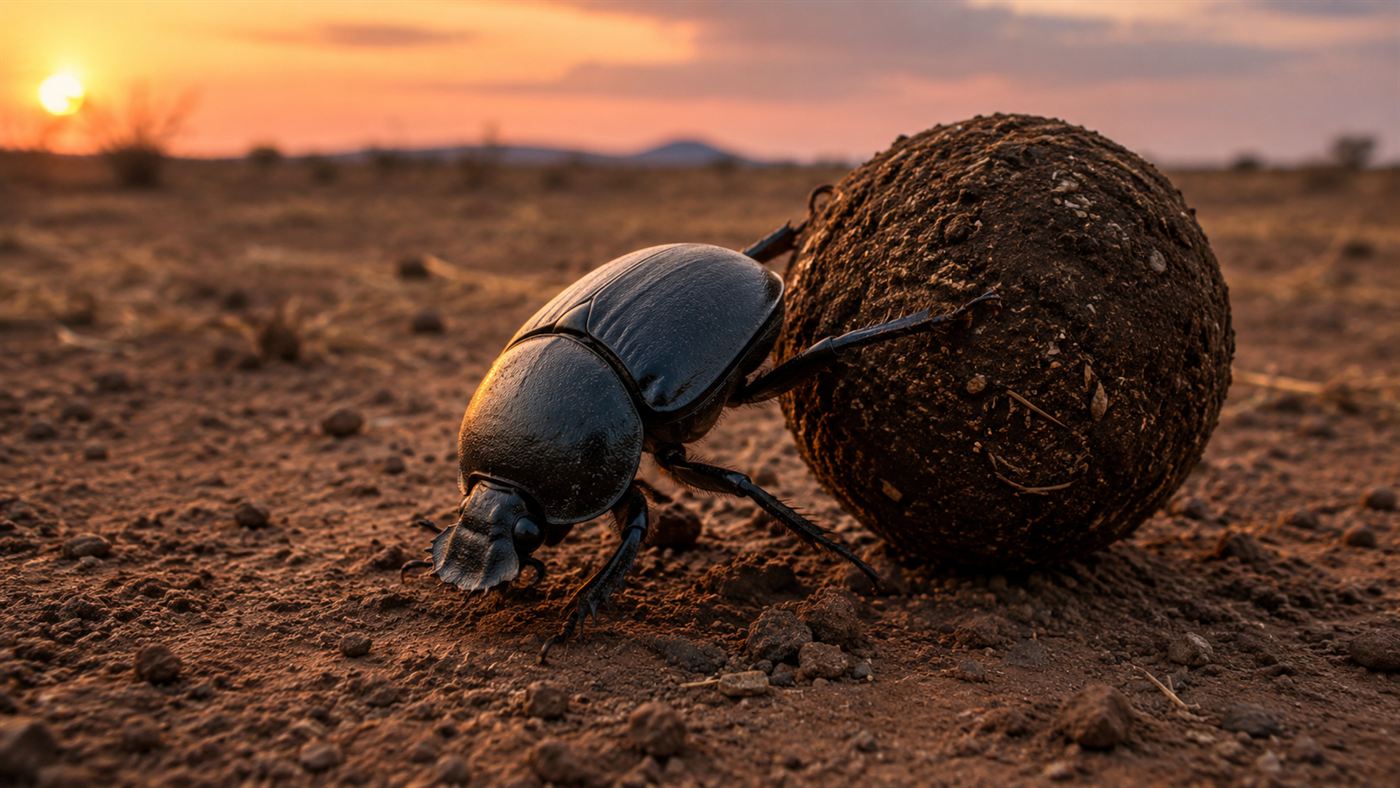
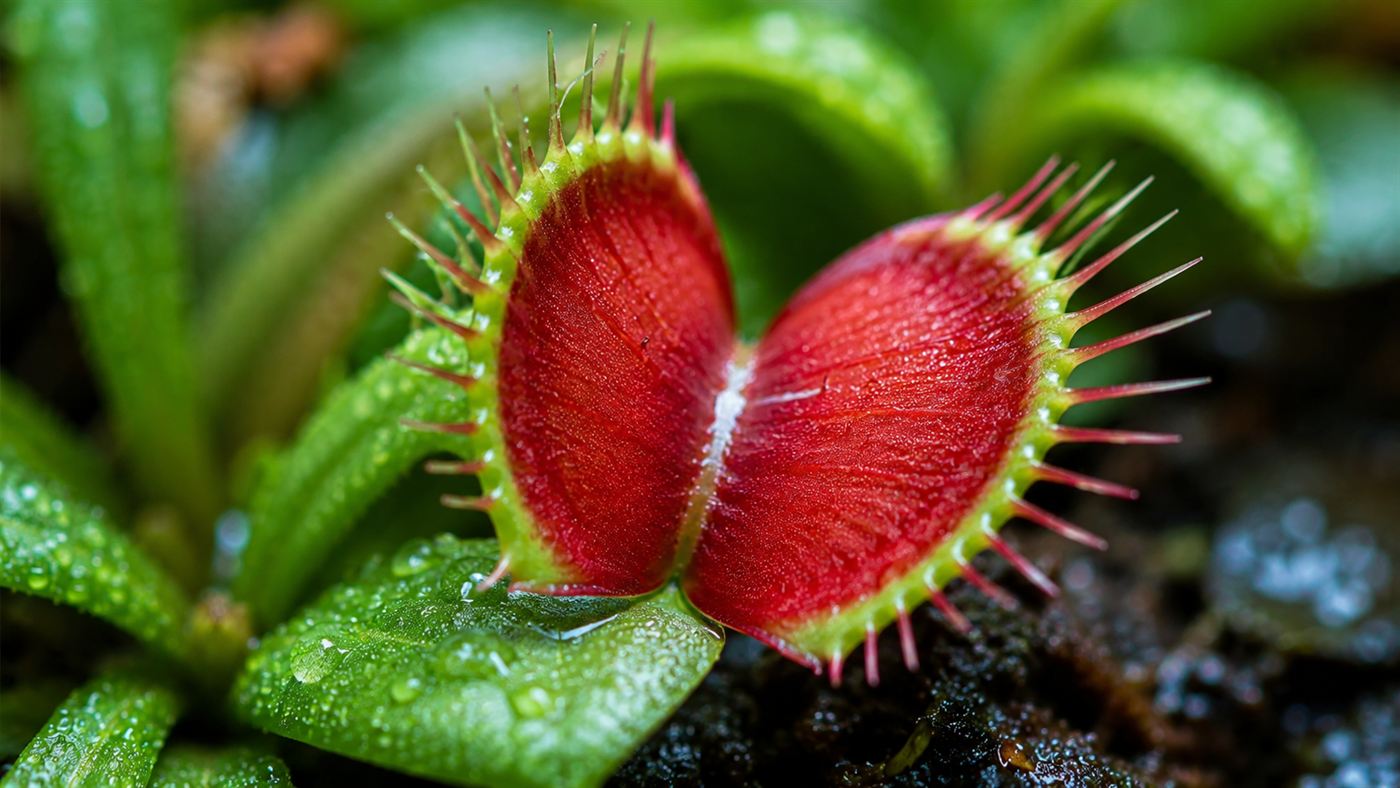
The result was stark. When the flashes were in perfect or near-perfect unison, the females answered more than 80 percent of the time; when the timing scattered, their responses collapsed. In a dense swarm of males all flashing at once, a female simply cannot lock onto any single suitor unless they cooperate. By pulsing together, the males turn a chaotic blur into a clean, readable signal that says, unmistakably, we are your species. Synchrony is not romance for its own sake. It is a solution to a very crowded dance floor, a piece of firefly mating logic worthy of the star-steering dung beetle or the counting Venus flytrap.
How to see the synchronous fireflies in the Smokies
Word of the display spread, and so did the crowds, until the fireflies needed protecting from their own fans. As the National Park Service explains, since 2006 it has limited access to the Elkmont firefly viewing area to the roughly eight days of predicted peak activity, and the only way in is a lottery. Hopeful visitors apply through recreation.gov for a vehicle pass, and demand each year dwarfs the handful of spots.
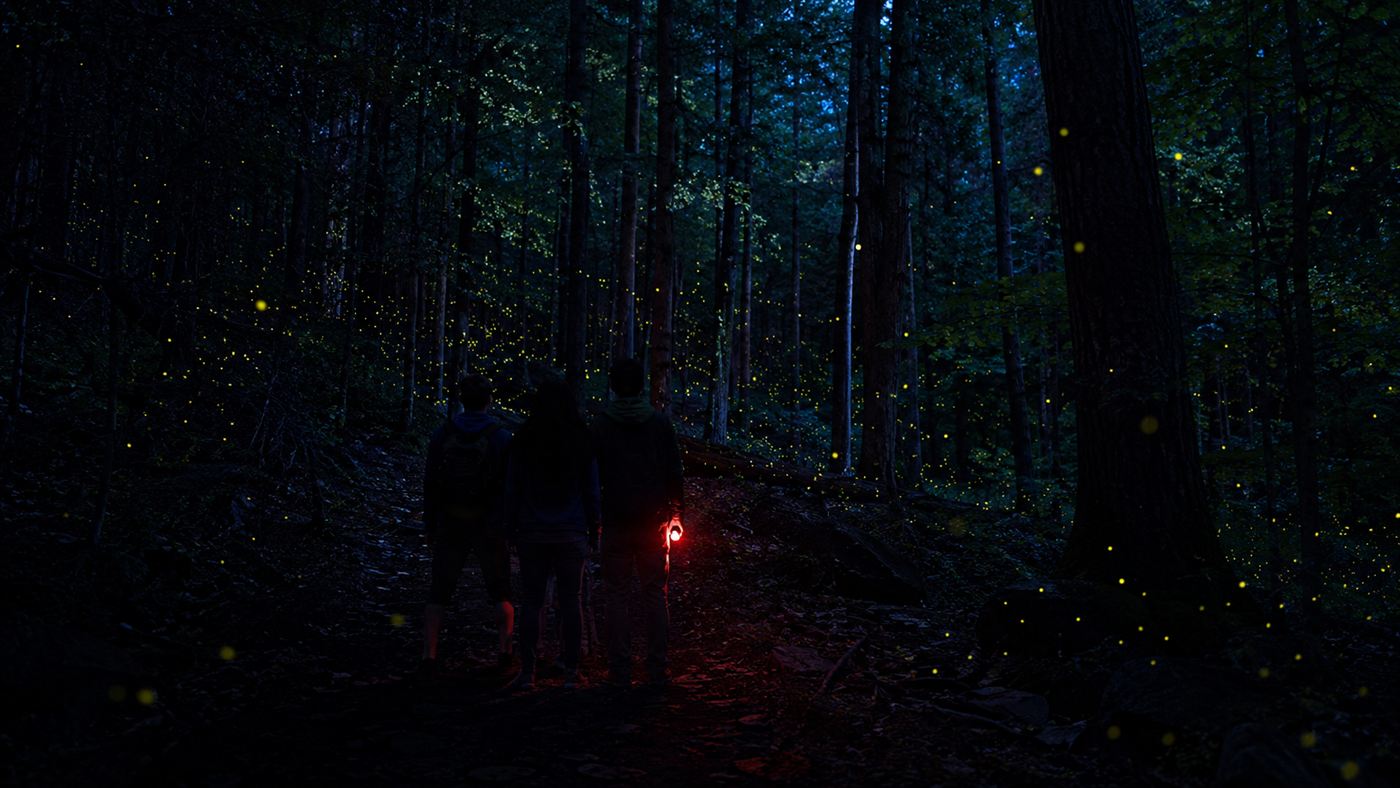
The firefly viewing window is short and unforgiving, usually falling in late May or early June, when the two-week mating period hits its peak. Rangers ask people to cover flashlights with red cellophane, since white light drowns out the show and confuses the insects, and to stay on the trails. It is a strange kind of firefly viewing, hundreds of quiet strangers standing in the dark, waiting together for a forest to light up. When it works, the wait pays off in a way no screen can match.
Photinus carolinus and the six seconds of dark
Up close, the pattern of Photinus carolinus has a signature rhythm. A male fires off a run of about five or six quick flashes, then the whole population goes black for roughly six seconds before the next burst begins. That pause, sometimes called the six seconds of dark, is as much a part of the species' code as the flashes themselves, and it is one way to tell these synchronous fireflies apart from the steady glow of other species sharing the same woods.
The behavior links the Smokies to a short list of famous synchronizers elsewhere, including the mangrove fireflies of Southeast Asia that light whole trees like Christmas displays. What sets the Great Smoky Mountains apart is scale and access: a huge, protected population of Photinus carolinus, flashing in some of the last truly dark forest in the eastern United States. The same darkness that lets you see the Milky Way is what lets the show work at all, a reminder that these insects read the world through senses as finely tuned as a migrating bird's compass.
The honest catch
The wonder is real, but a couple of myths deserve trimming. The synchrony is not perfect and not magic. As Quanta Magazine has reported, newer research suggests the unison emerges from simple self-organization, thousands of individuals reacting to their neighbors rather than following one master clock, which is why the timing wobbles and drifts on any given night. What you see is closer to a crowd falling into step than a switch being flipped.
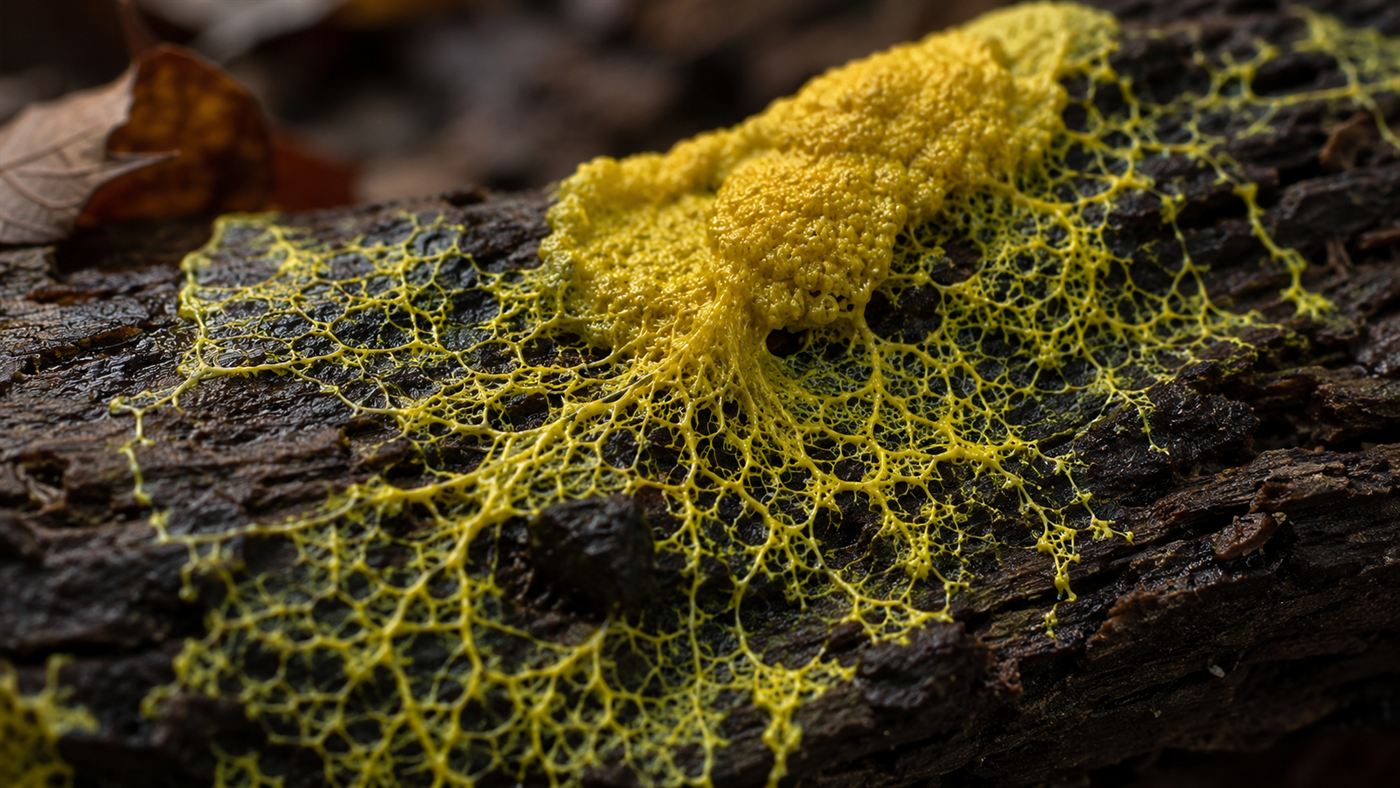
There is also a cost to the fame. The crowds that come for firefly viewing bring headlights, phone screens and foot traffic into fragile habitat, and light pollution can scramble the very signals the insects depend on for firefly mating. Fireflies worldwide are in decline from habitat loss, pesticides and artificial light, and the lottery exists precisely because loving these synchronous fireflies to death is a genuine risk. The show survives only as long as the dark does. It has more in common with the fragile collective behavior of a brainless slime mold than with anything we can switch on at will.
Strip away the myths and the Elkmont display is still one of the most quietly astonishing things in American nature: a forest that keeps time, discovered not by an expert but by a woman who trusted what she saw. Would you sit in total darkness for hours, phone off, just for the chance to watch a hillside blink in unison? Tell us in the comments.
Related reading: explore more from our Energy & the Wild desk, where the natural world keeps outsmarting our expectations.