Everyone laughed at the self-taught dreamer who swore oil lay under a low Texas hill, until the day it erupted 150 feet into the sky and made the modern world run on oil
For years a one-armed amateur named Pattillo Higgins insisted there was an ocean of oil beneath a scrubby little rise outside Beaumont, Texas. The experts said he was a fool. Then, on a January morning in 1901, the ground at Spindletop answered him with a roar, throwing a black fountain higher than the trees and changing the century.
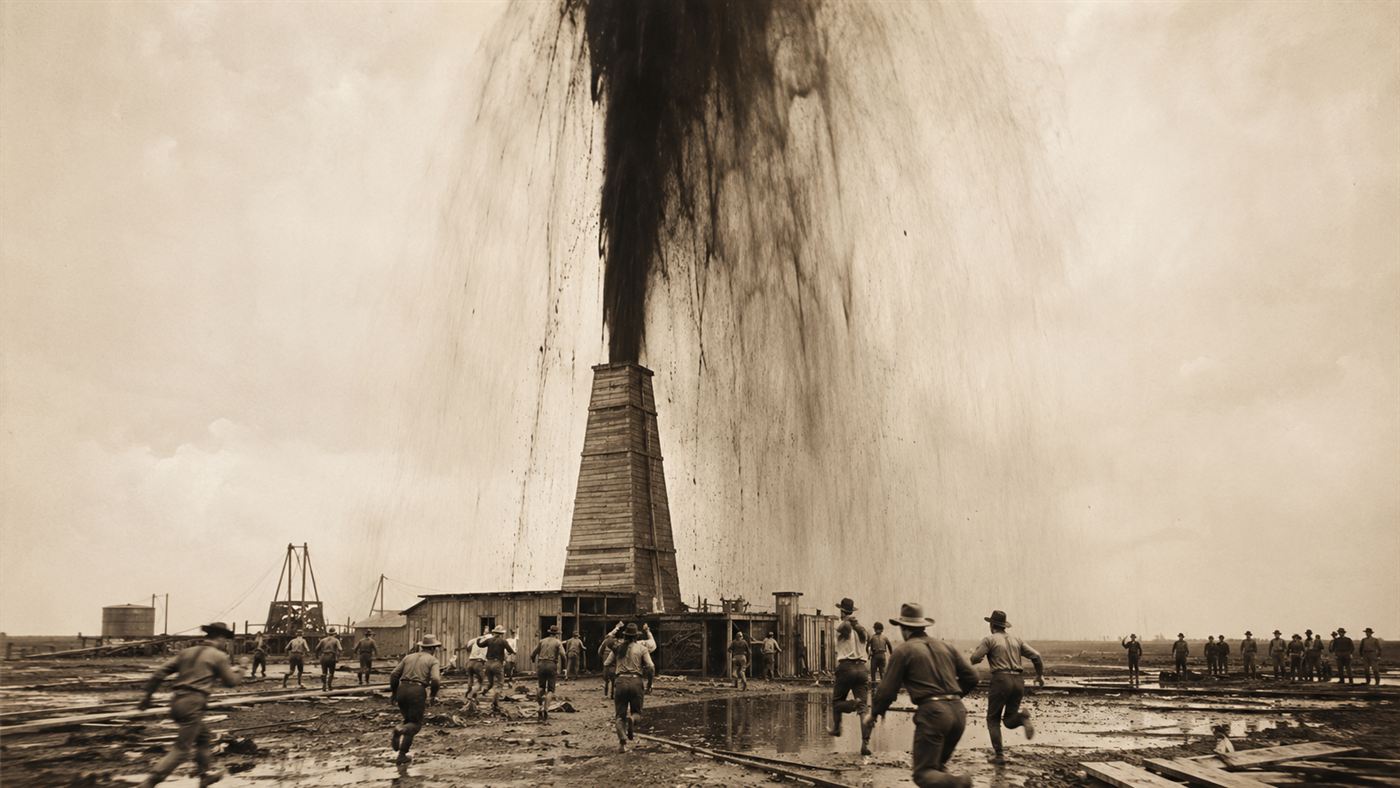
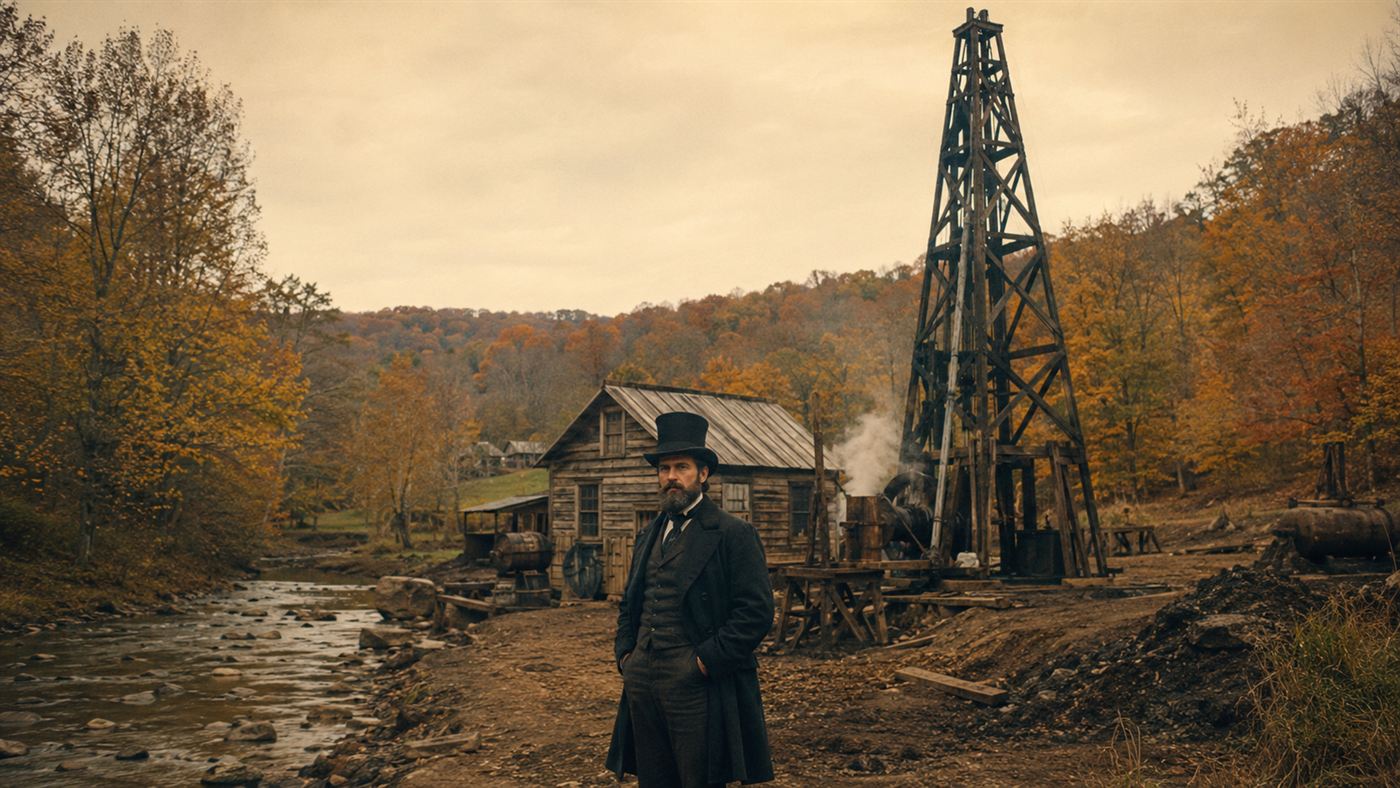
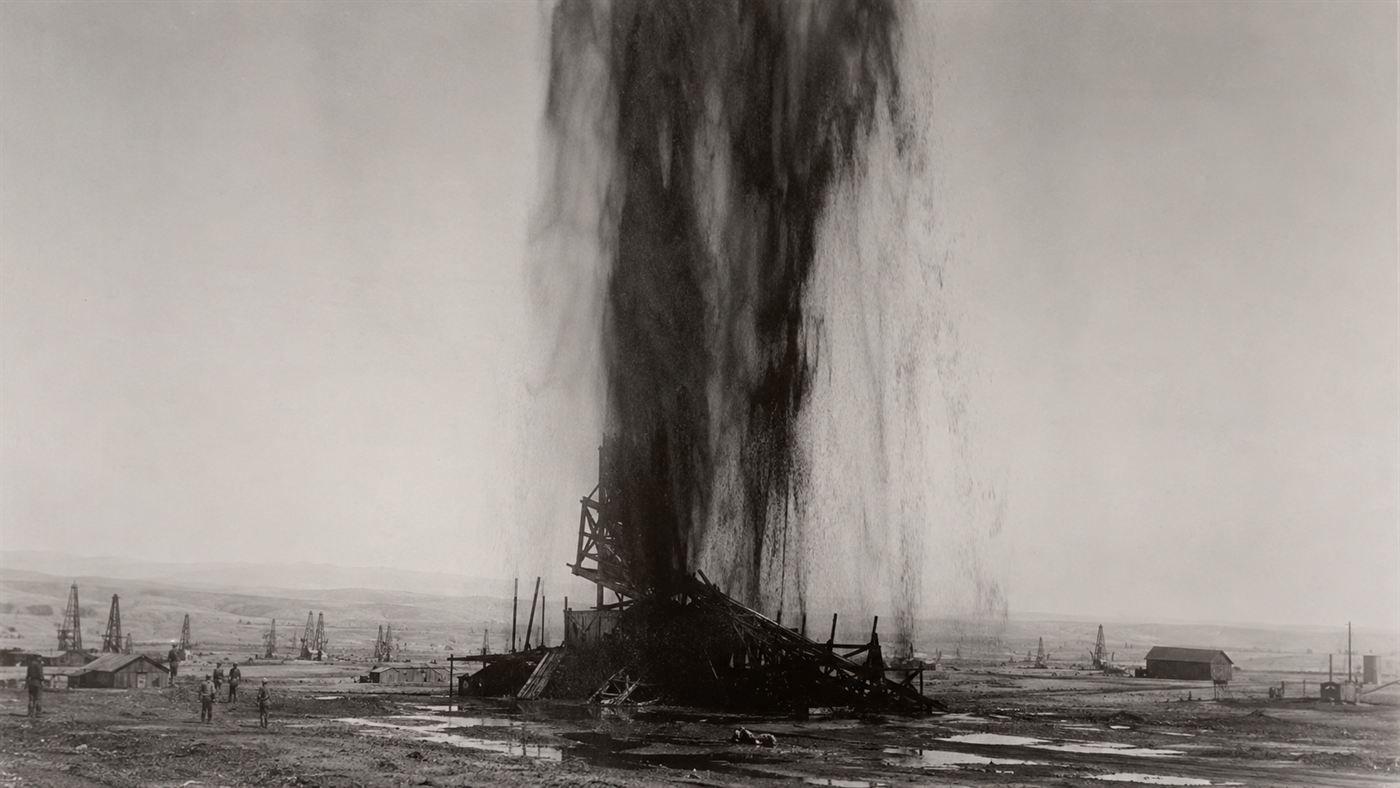
The Lucas Gusher at Spindletop threw oil far higher than its own derrick. Illustration: Watts & Wild.
Before that morning, oil was a modest business. The world ran on coal and on whale oil and kerosene for lamps, and the wells that existed, including the very first ones in Pennsylvania, produced a steady trickle measured in a few barrels a day. Petroleum was useful, but it was not yet the lifeblood of civilisation. Spindletop is the moment that changed, the instant the trickle became a flood.
The man who saw it coming had almost no business being right. Pattillo Higgins was a self-taught Beaumont businessman with a rough past and one arm, who had become fascinated by a low hill south of town where gas seeped from the ground. As the Texas State Historical Association records, he taught himself geology and became convinced a huge reserve of oil sat trapped beneath the hill. The trained experts of the day disagreed, loudly.
Why the experts mocked Spindletop
The geologists of the era were sure that oil was not to be found along the flat Gulf coast of Texas. The structures they associated with oil simply were not there on the surface, and a salt-dome hill like Spindletop did not fit their theories. When Higgins predicted a gusher, professional surveyors publicly ridiculed him, and his early drilling attempts through the soft, sandy ground all failed, draining his money and his reputation.
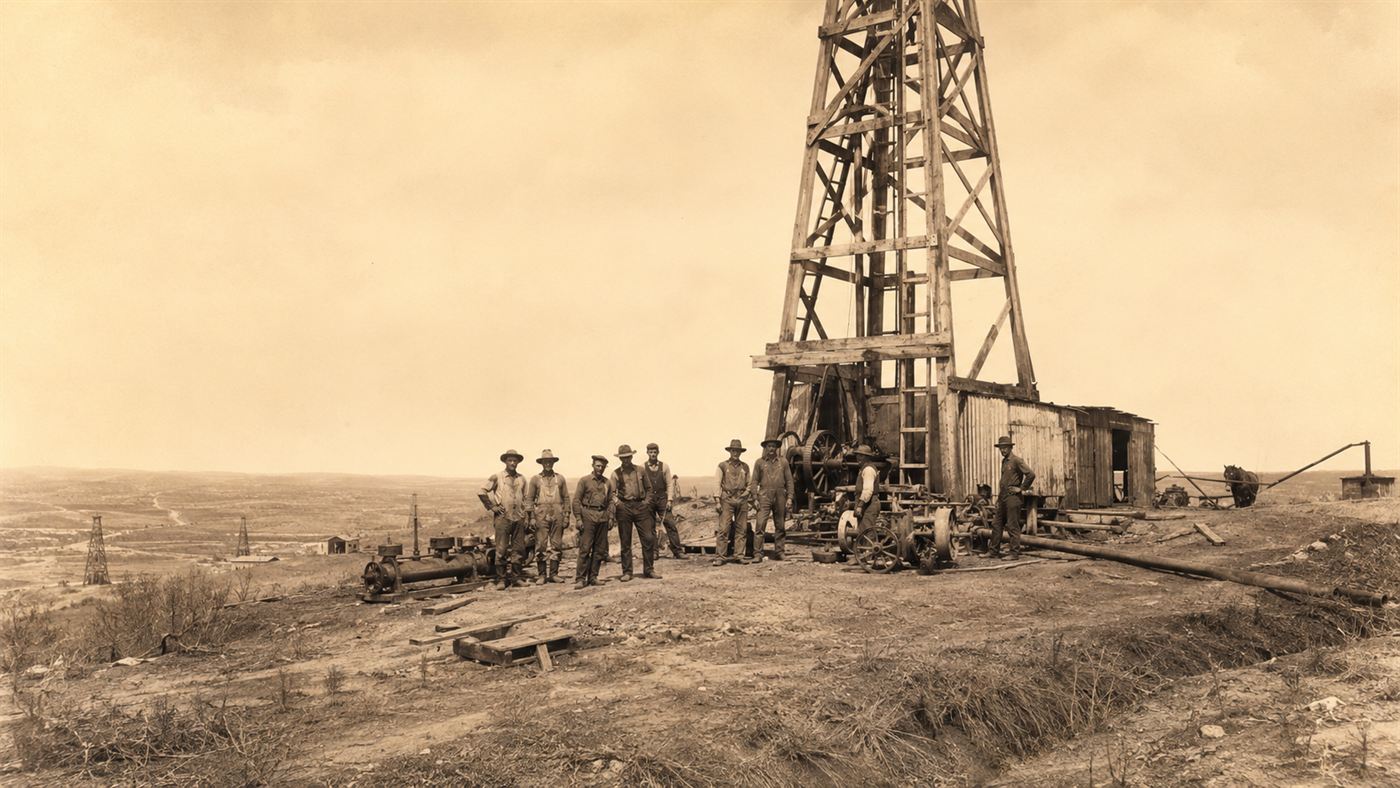
Higgins refused to let go. Unable to raise more backing under his own battered name, he placed a magazine advertisement seeking a partner, and got just one serious reply, from a mining engineer named Anthony Lucas. Lucas understood salt domes from his work in the salt and sulphur industry, and he believed there might be something to the hill near Beaumont after all. Together they tried again.
The day the Spindletop gusher blew
Lucas brought in drillers who pioneered new techniques for the treacherous ground, using rotary bits and pumping mud down the hole to hold back the collapsing sand. They pushed past the depths where everyone else had given up. As Wikipedia records, on 10 January 1901, at around a thousand feet, the well began to spit mud, then fell quiet, and then erupted.
What came out of the ground at Spindletop stunned even the men who had drilled for it. A column of oil blasted more than 45 metres into the air, far above the wooden derrick, and it did not stop. The gusher flowed for nine days before it could be capped, throwing out an estimated 100,000 barrels a day, more than every other oil well in the United States combined. Nothing on this scale had ever been seen.
How one well changed the world
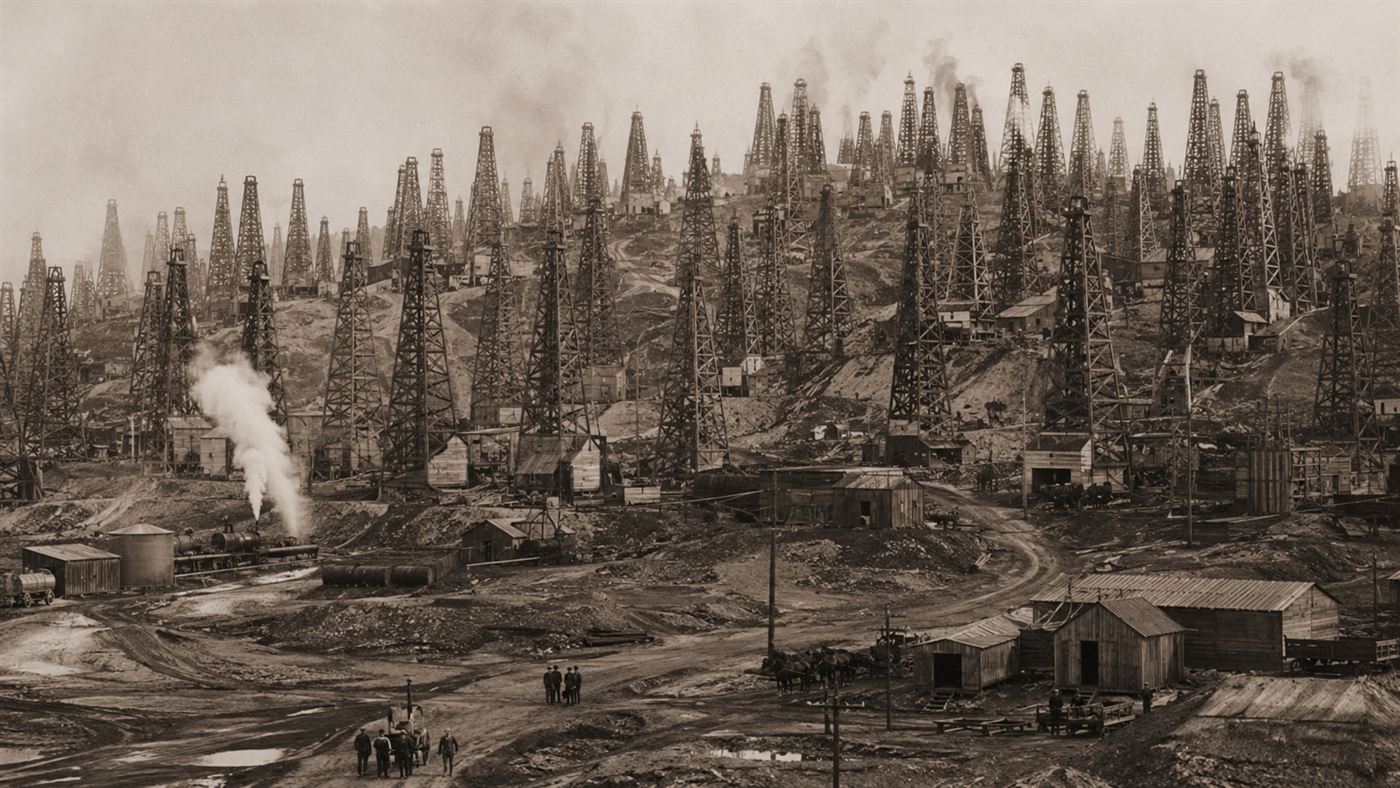
The effect was instant and enormous. Sleepy Beaumont swelled almost overnight into a roaring boomtown, its population multiplying as prospectors, speculators and workers poured in. Within months the hill bristled with derricks packed shoulder to shoulder, and the sudden glut of cheap oil made it realistic, for the first time, to run ships, trains and the new horseless carriages on petroleum instead of coal.
As Britannica notes, out of the Spindletop boom grew companies whose names still tower over the industry, including the firms that became Gulf Oil and Texaco. The gusher turned Texas into an oil power, helped shift the whole world from coal toward liquid fuel, and arguably lit the fuse of the entire petroleum century that followed. One stubborn hill had rewritten the global economy.
The honest catch
The triumph was real, but it was not kind to the man who started it. Pattillo Higgins, whose conviction had made the whole thing possible, was largely squeezed out of the riches by the partnership and legal tangles, and never received the fortune or the credit his foresight deserved. He spent years in court and is remembered, when he is remembered at all, as a footnote to a discovery he essentially predicted.
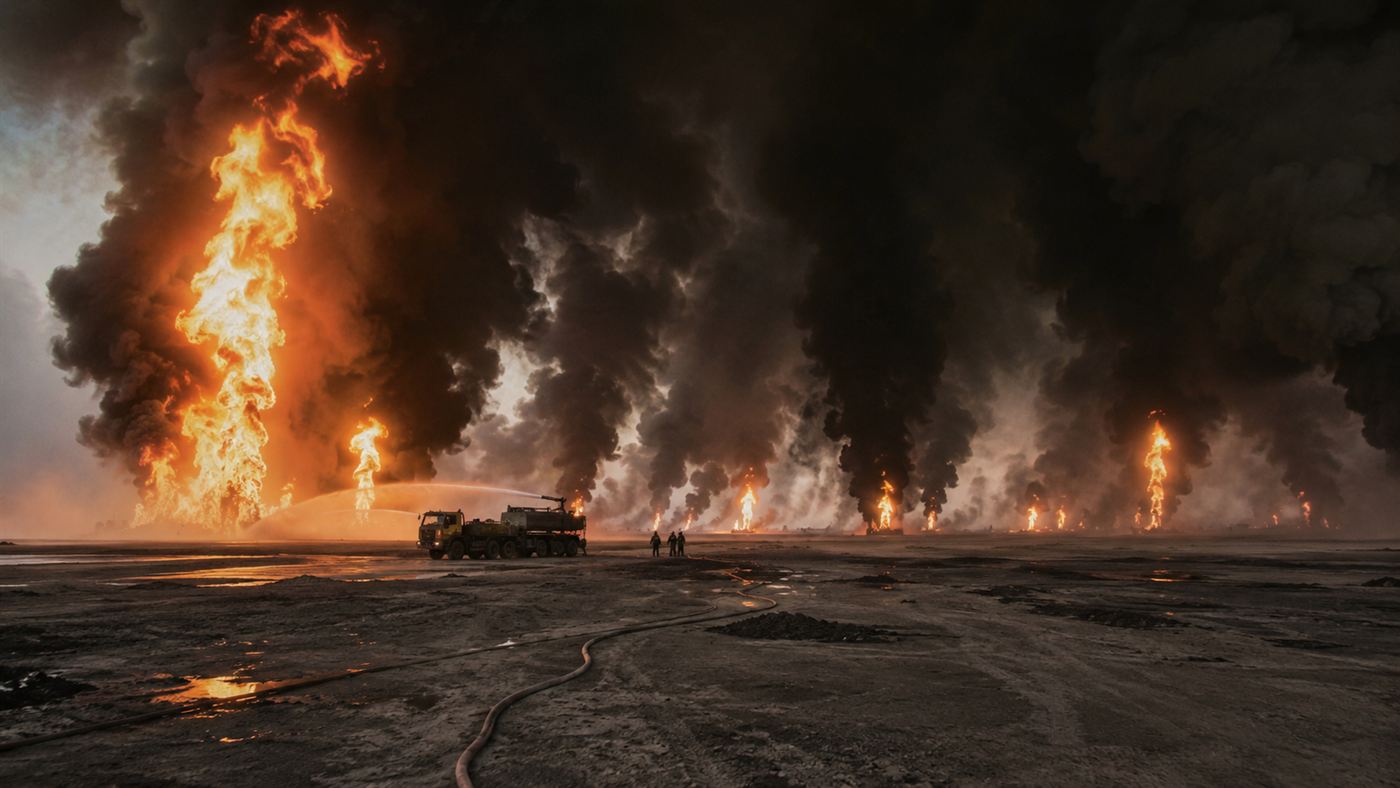
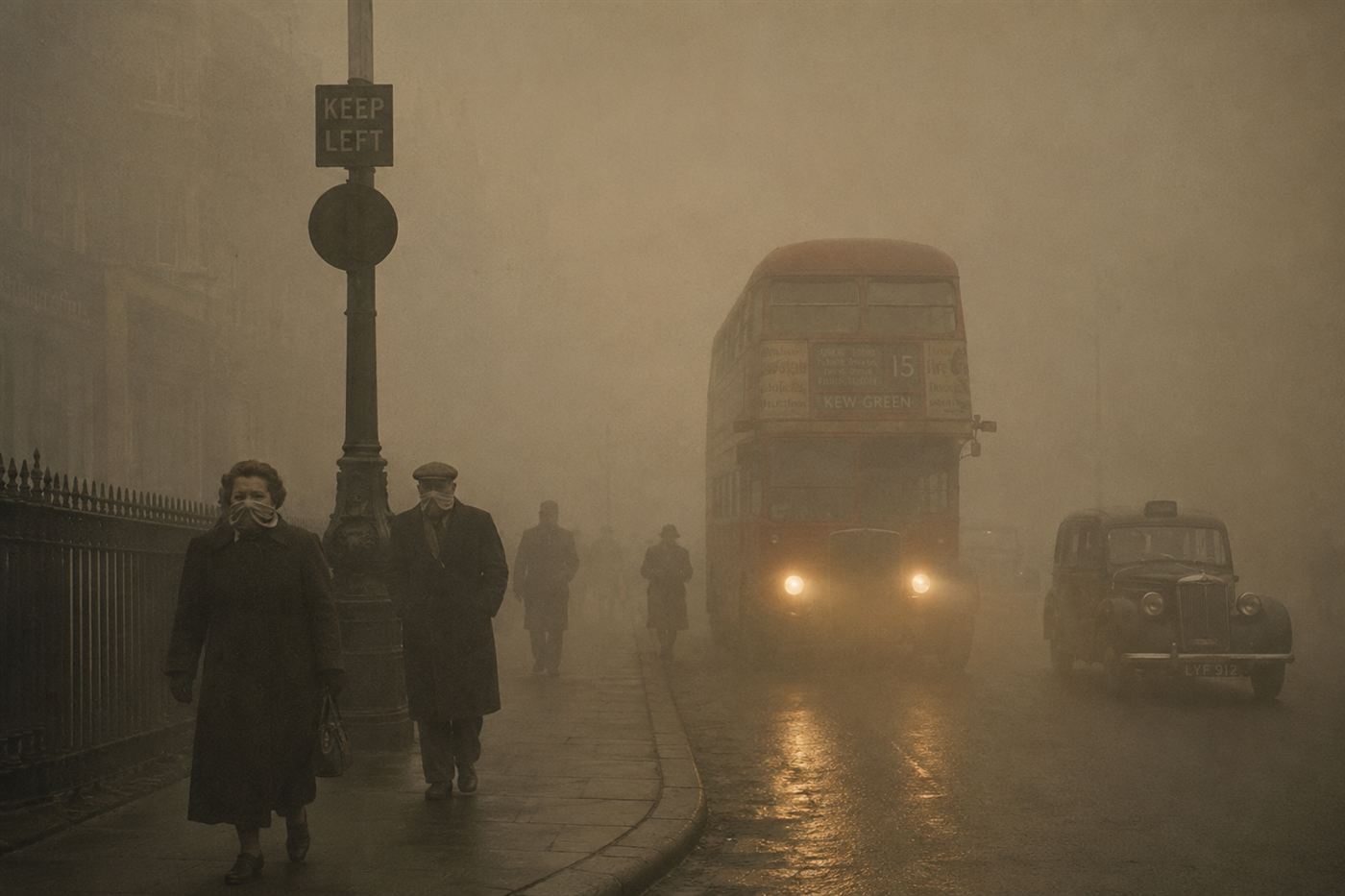
The boom itself was also wild and wasteful. In the frenzy, vast quantities of oil were lost to the air and the ground, fires broke out, and Beaumont became a lawless, overcrowded place of fraud and speculation. And there is the longest shadow of all: the cheap, abundant petroleum that gushed from Spindletop helped lock the modern world onto a fuel whose climate cost we are still paying. The hill gave us a century of energy, and a problem we have not yet solved.
Why a Texas hill still matters
Stand at Spindletop today and there is little to see, just a marker and the flat coastal plain. Yet almost everything about modern life, the cars, the plastics, the aviation, the geopolitics of the past hundred years, can be traced in part to what happened on that spot one January morning. It is one of those rare places where you can point and say the world changed here.
It is also a lesson about who gets to be right. The credentialed experts were wrong about Spindletop, and a mocked, self-taught dreamer was correct, which should make us a little humbler about dismissing the outsiders of our own age. Pattillo Higgins did not get rich, but the planet has run on his hunch ever since.
A mocked amateur was proven spectacularly right, the world got cheap oil, and the man who called it got almost nothing. Do you admire Higgins's stubborn vision, or wince at the fossil-fuel century his hunch helped unleash? Tell us in the comments.
Related reading: The broke ex-conductor who drilled the world's first oil well and died poor.