Spiders are too vicious to farm, so scientists hid their silk gene in goats and now milk it out
Spider silk is one of the toughest fibres in nature, by weight it can beat steel several times over, and engineers have wanted to mass produce it for a century. There was only one problem: you cannot keep spiders in a barn. So a handful of scientists did something stranger, they put a spider's silk gene into a goat.
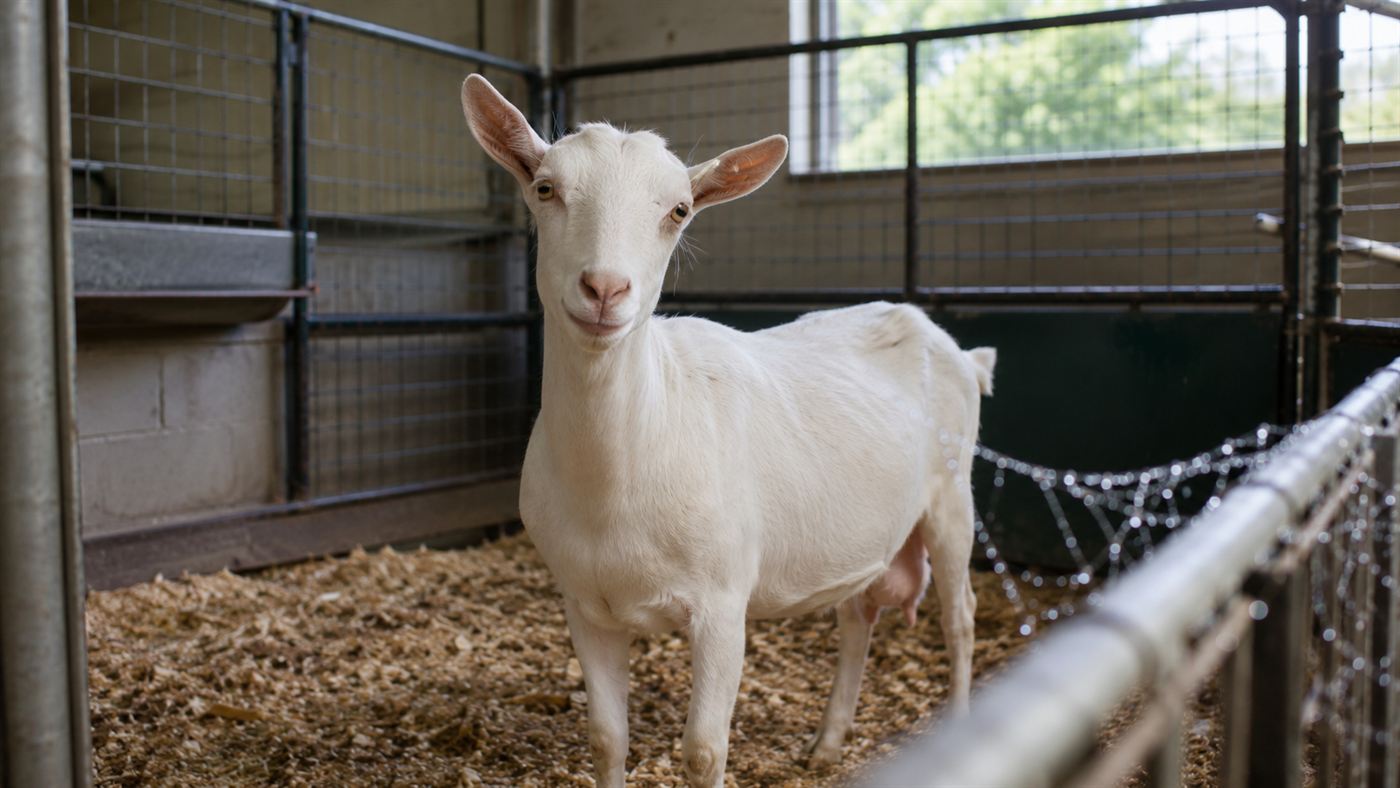
Spider goats look like any other dairy herd, the spider gene is hidden in their DNA. Illustration: Watts & Wild.
Spider goats are ordinary-looking dairy goats carrying one extra gene, taken from a spider, that makes their udders produce spider-silk protein in their milk. The idea sounds like a B-movie, but it came from a very practical wall: spiders refuse to be farmed, while goats are one of the oldest farm animals on Earth. So researchers moved the silk-making instructions from one to the other.
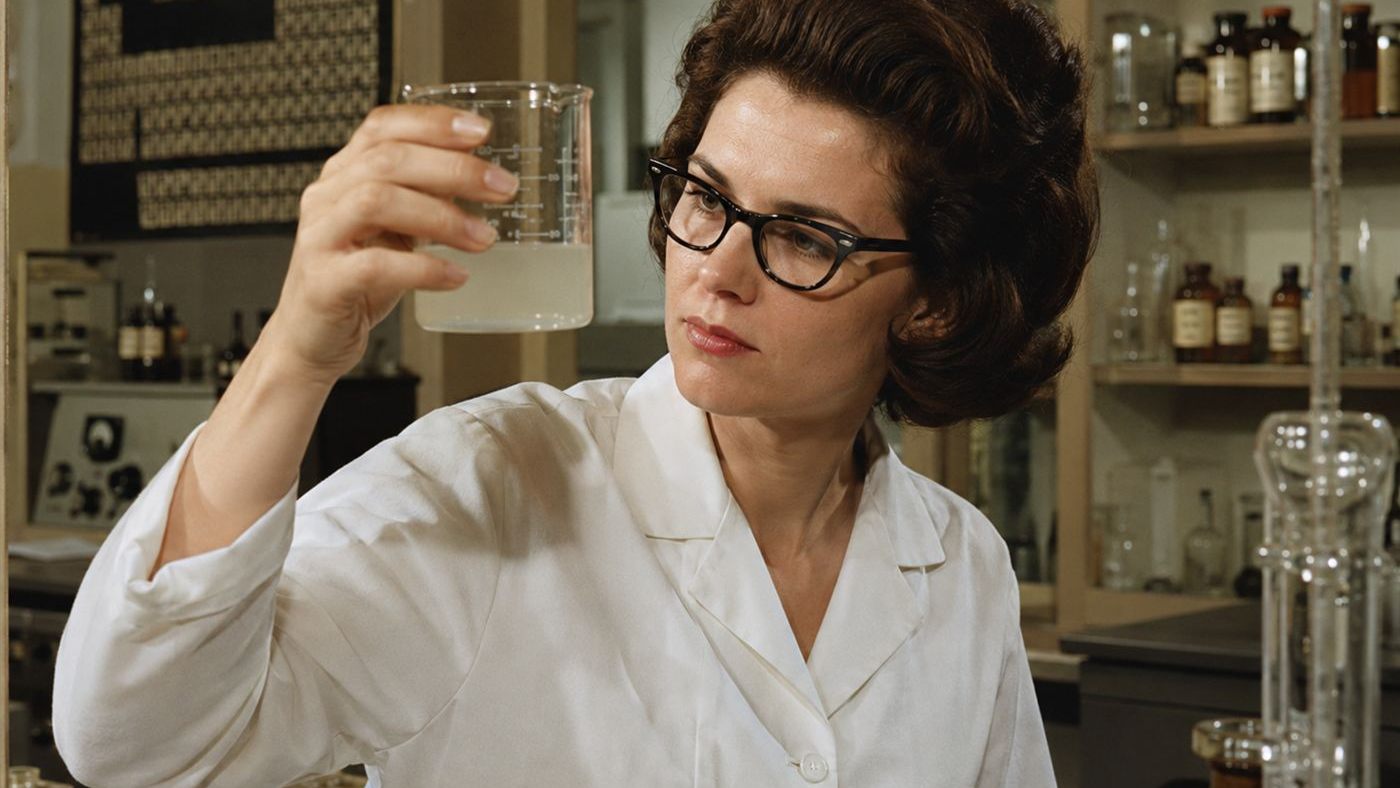
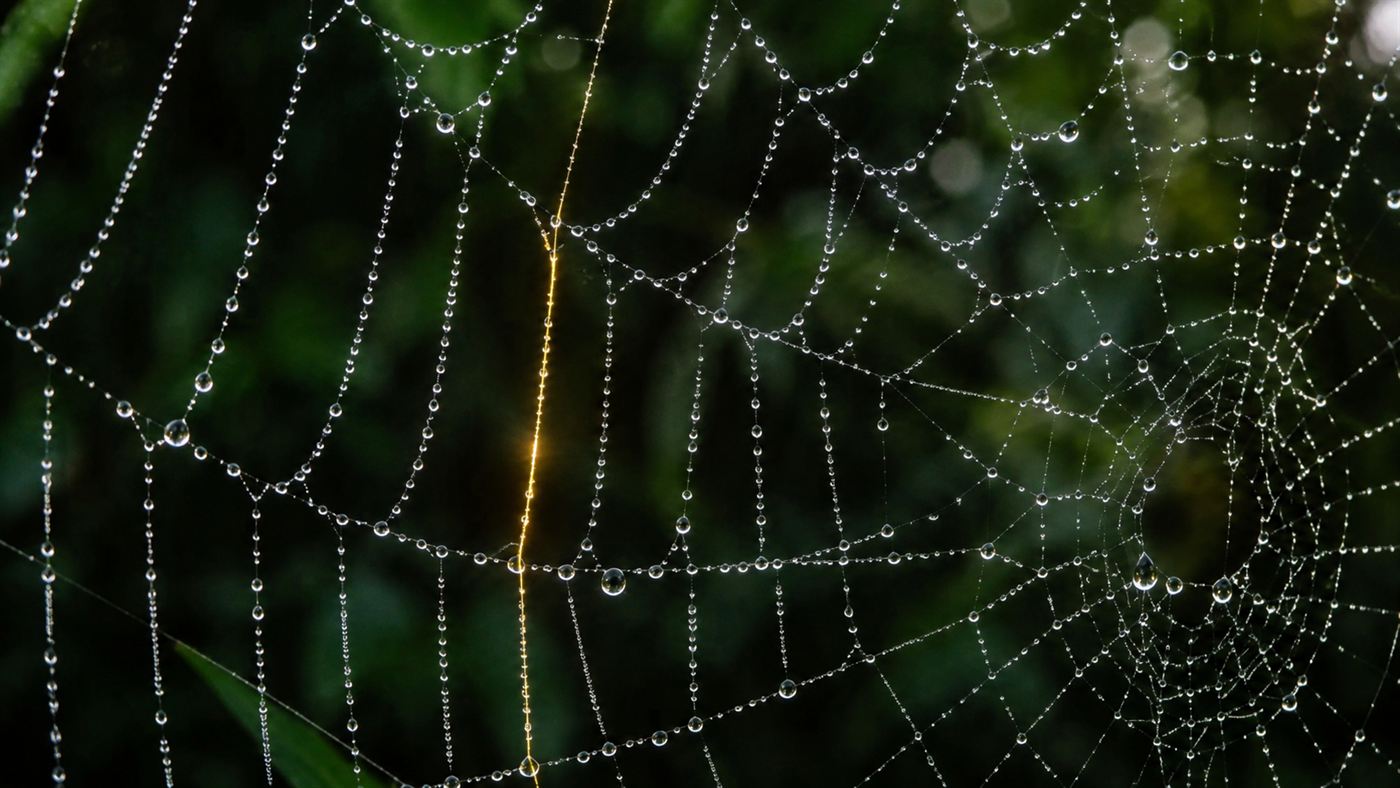
The protein in question is dragline silk, the strong line an orb-weaver hangs from and frames its web with. Gram for gram it is famously tough, and that is exactly why people keep chasing it. The whole reason Kevlar exists is that chemists were trying to imitate this thread in the first place, as the story of the woman who invented Kevlar from a solution she almost threw away shows. Nature got there first, and we are still trying to copy it.
Why can't scientists just farm spiders?
This is the part most people never think about. You can farm silkworms by the millions because they sit still in trays and spin cocoons. Spiders do not cooperate. They are territorial, and they are cannibals, so the moment you crowd them together they start eating each other instead of spinning.
The numbers make the point brutally. A single golden cloth woven from wild spider silk, shown off in 2009, took around a million spiders, 70 people to collect them, and four years of work. That is an art project, not an industry. If you want spider silk by the tonne, harvesting it from actual spiders is a dead end, which is the whole reason anyone reached for a goat.
How spider goats turn milk into silk
The trick is choosing where in the body to switch the borrowed gene on. Researchers took the gene that tells an orb-weaver to make dragline silk and slotted it next to the genetic switches that fire only in a goat's mammary gland. The result is an animal that lives, eats and behaves like any goat, but whose milk now carries spider-silk protein dissolved in it.
From there it is a dairy problem and a chemistry problem. You milk the goat, separate out the silk protein, and end up with a powder. Then you try to push that protein through a fine nozzle and pull it into a continuous fibre, the way a spider does instinctively with its spinnerets. The protein is the easy part of the whole project, and the spinning is the part nobody has truly cracked.
The work has a clear lineage. A Montreal company called Nexia Biotechnologies pioneered it, and its chief executive Jeffrey Turner liked to call the result the first transgenic material ever made. After Nexia folded around 2009, the BioSteel goat herd was taken in by the lab of Dr Randy Lewis, first at the University of Wyoming and then at Utah State University, where a flock of about 30 spider goats kept the dream alive. As Chemical & Engineering News has reported, getting from silk protein to a strong, usable fibre has been the long, stubborn middle of the story.
What the silk could do if we ever nail it
The wish list is long because the material is so good. Spider dragline is reckoned to be seven to ten times stronger than steel for its weight, and it can stretch to many times its length without snapping, a combination almost nothing man-made matches. That blend of strength and stretch is what makes it absorb energy so well.
That is why the dreamed-up uses read like a defence catalogue crossed with a hospital supply list: body armour and helmets light enough to actually wear, surgical sutures and artificial ligaments your body would not reject, ropes, parachute cords and cables. The Pentagon has circled the idea for years. It is the same instinct that drives so much biomimicry, where engineers copy a bird's beak or a spider's thread because evolution already did the hard testing.

The honest catch
It is tempting to file spider goats under solved, but the truth is more humbling. Decades after the first transgenic goats, there is still no rack of spider-silk vests to buy, because the fibre milked from goats has never matched a real spider's dragline for strength. The protein comes out fine; turning it into thread as good as the original is where the project keeps stalling.
There is also a scale problem hiding in the biology. A goat makes only so much protein in its milk, so meeting even modest demand would need an enormous herd, which is partly why Lewis's lab later branched out into silkworms and even the slime proteins of the hagfish. And the headline strength comes with the usual asterisk: stronger than steel is by weight, not in every sense, and a thin thread is not a steel beam. None of that means the work failed, only that nature still keeps the best part of the recipe to itself.
Why spider goats still matter
Even unfinished, spider goats changed how scientists think about manufacturing. They proved you can hand a farm animal the blueprint for one of nature's premium materials and have it quietly make the raw ingredient on a diet of hay. That is a genuinely new way to make things, closer to brewing than to mining or drilling.
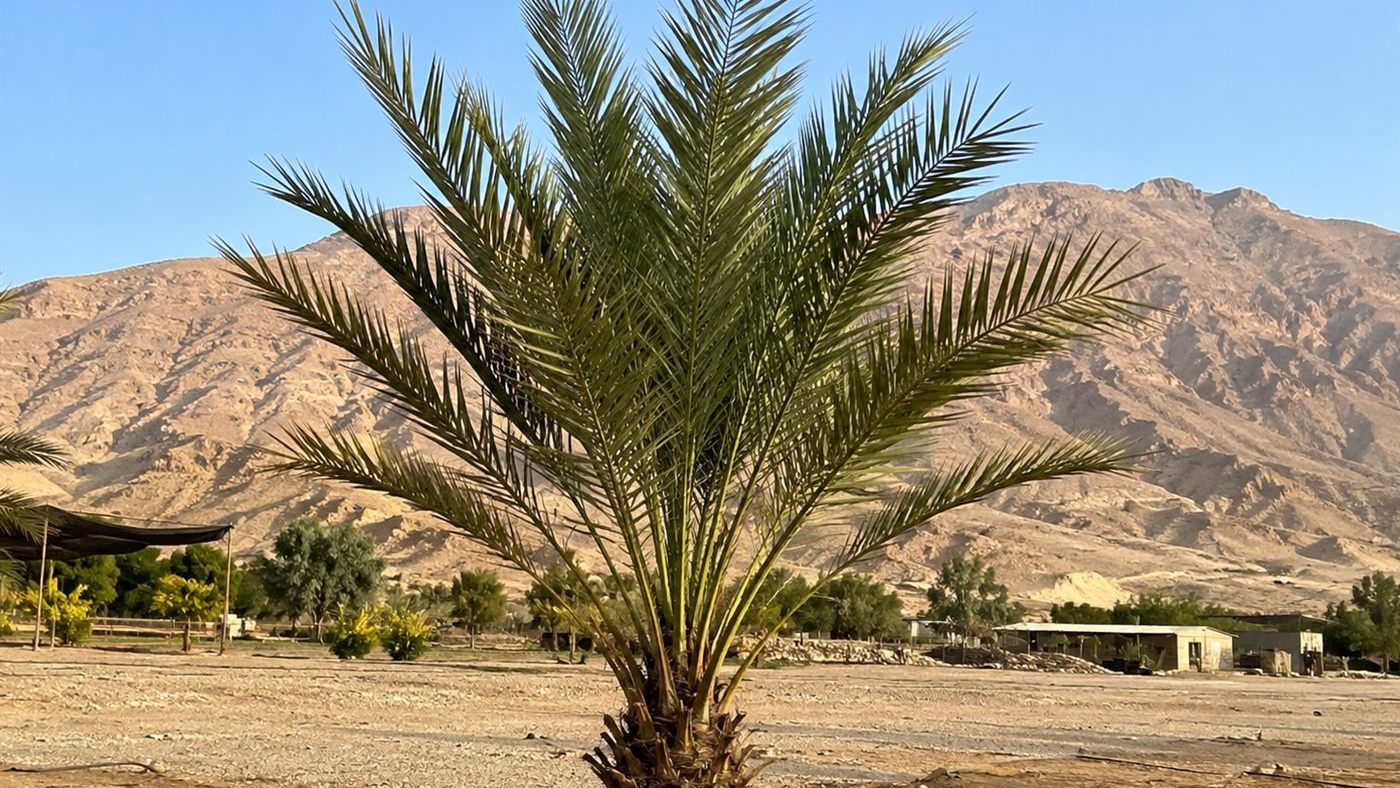
The lesson the spider goats taught is patient rather than triumphant, and it echoes other slow biological wins, like the team that coaxed a 2,000-year-old seed back to life after decades in a drawer. We can borrow a spider's chemistry. We just have not yet learned to spin like one, and that last step is the whole difference between a clever herd of goats and a factory.
Scientists hid a spider's silk gene inside goats and now milk one of nature's toughest fibres out of a barnyard animal, yet the bulletproof thread still will not spin. Would you trust a vest spun from goat's milk, or do some of nature's recipes belong to the spider alone? Tell us what you think in the comments.
Related reading: The woman who invented Kevlar from a cloudy solution everyone wanted to throw away.