A billionaire quietly funded a decade of space solar power research, and in 2023 a Caltech team beamed sunlight down from orbit to Earth for the first time in history
Space solar power has been a science-fiction dream for decades: vast panels in orbit, soaking up sunlight that never sets, beaming it down to Earth as invisible energy. In 2023, a Caltech team, bankrolled by a billionaire who read about it in a magazine, made it real for the first time.
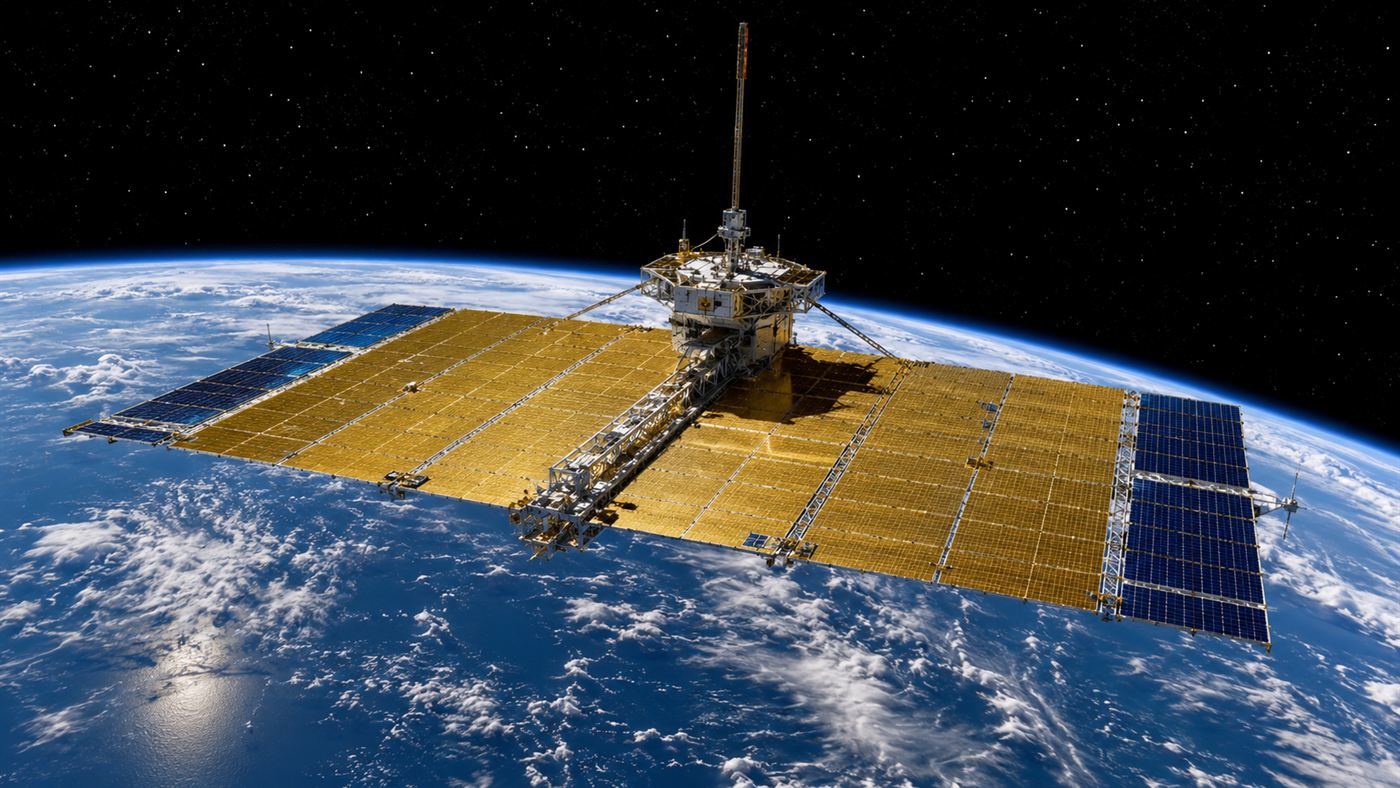
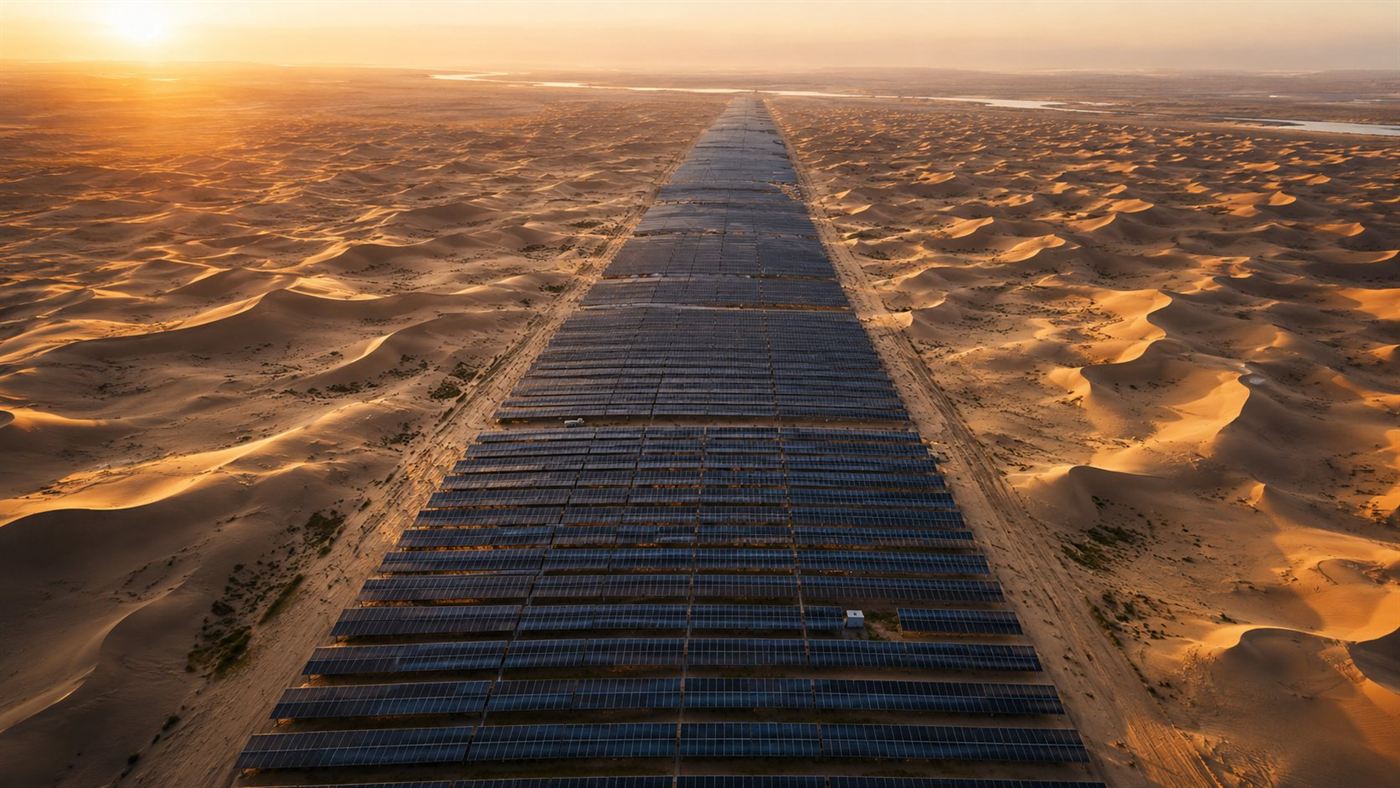
The dream of space solar power: a panel in orbit that never sees night, beaming energy home. Illustration: Watts & Wild.
Space solar power sounds like something from a 1970s science-fiction cover, and for a long time that is exactly what it was. The idea is simple and audacious: instead of putting solar panels on rooftops, where they sit idle every night and behind every cloud, put them in orbit, where the sun never sets, and beam the energy down to receivers on the ground. In space, above the atmosphere, sunlight is constant and much stronger, and a panel can work around the clock.
For half a century the concept stayed on paper, too expensive and too far-fetched to attempt. Then in 2023, a small spacecraft built by the California Institute of Technology did the thing everyone had only talked about. As Caltech announced, a device on board called MAPLE wirelessly transmitted power across space, and then beamed a small, deliberate burst of energy down to a detector on a rooftop in Pasadena, the first time in history that power had been sent from orbit to Earth.
What is space solar power? Space solar power is the idea of collecting solar energy with satellites in orbit, where the sun shines constantly, and beaming it wirelessly to receivers on Earth as microwaves. In 2023, a Caltech experiment called MAPLE became the first to transmit power in space and send a detectable amount down to Earth.
Why space solar power is so tempting
The appeal of space solar power comes down to one stubborn weakness of ordinary solar. A panel on Earth is useless at night, weakened by clouds and haze, and dimmed by the atmosphere even at noon, so it spends most of its life producing far less than its theoretical best. A panel in orbit suffers none of that. It bathes in unfiltered sunlight nearly all the time, gathering several times more energy than the same panel could on the ground.
That constant supply is the prize. A working space solar system would deliver clean power day and night, in any weather, to a receiver almost anywhere on the planet, including places with little sun or no grid at all. It is the dream of solar without the gaps, baseload renewable energy beamed from above, which is exactly why the idea has refused to die for fifty years despite never quite being possible.
The billionaire who read a magazine
This particular effort owes its existence to one man and one article. Around the start of the 2010s, the property billionaire Donald Bren, chairman of the Irvine Company and a longtime Caltech trustee, read a piece in a popular science magazine about the potential of space solar power. He was captivated enough to quietly fund a research project at Caltech to chase it, eventually pouring more than a hundred million dollars into the work over the following years.
That money bought time and talent rather than quick results. A team of Caltech engineers, including the professors Harry Atwater, Ali Hajimiri and Sergio Pellegrino, spent years developing the three things space solar would need: ultralight structures that fold up for launch and unfurl in orbit, solar cells tough enough for space, and a way to beam the harvested power home without wires. The patience was the point; this was a decade-long bet, not a stunt.
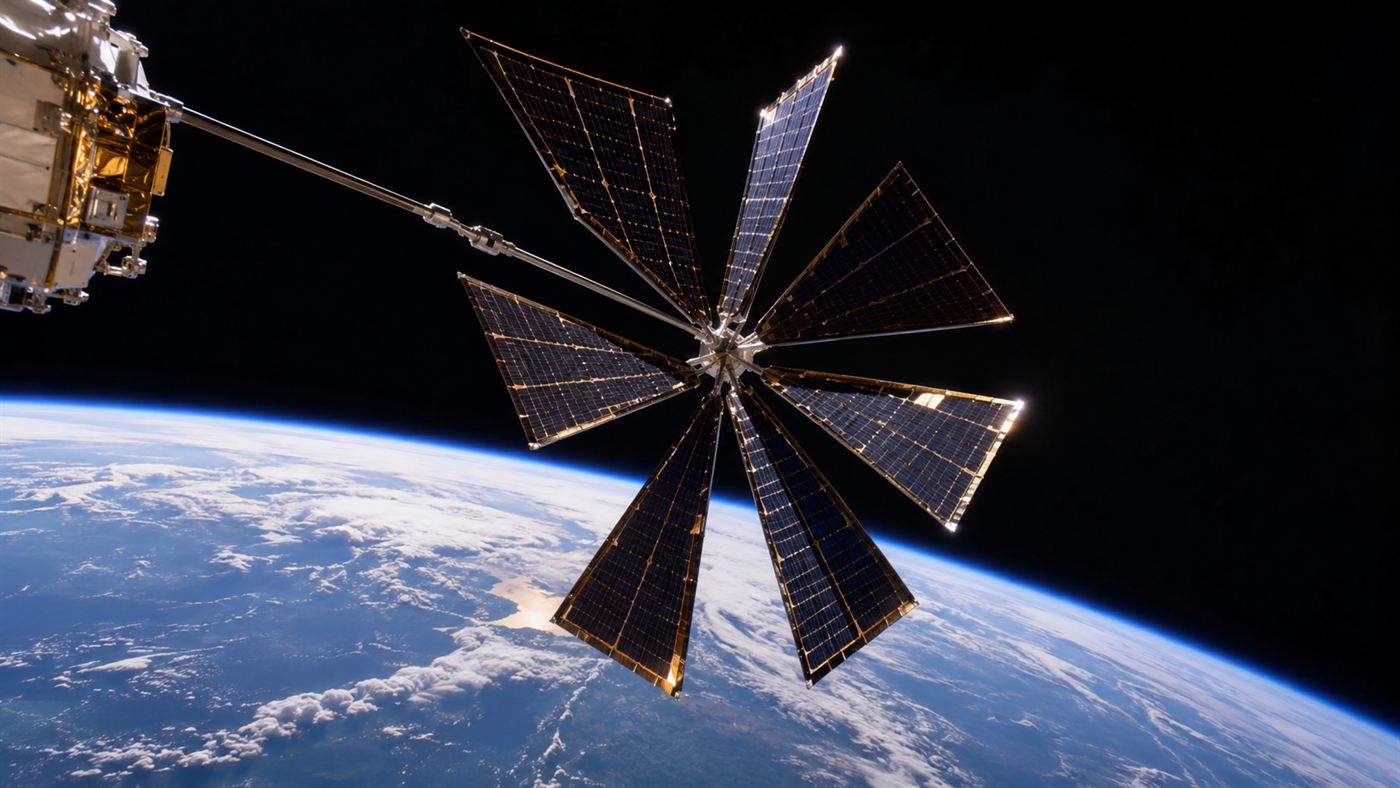
How MAPLE beamed power from orbit
The payoff launched on January 6, 2023, when a demonstrator the size of a small appliance rode a SpaceX rocket into orbit carrying three experiments. One tested the folding structure, one tried out dozens of kinds of solar cell in space, and the third, named MAPLE, was the headline act: an array of flexible, lightweight microwave transmitters driven by cheap custom silicon chips, designed to turn electricity into a steerable beam of energy.
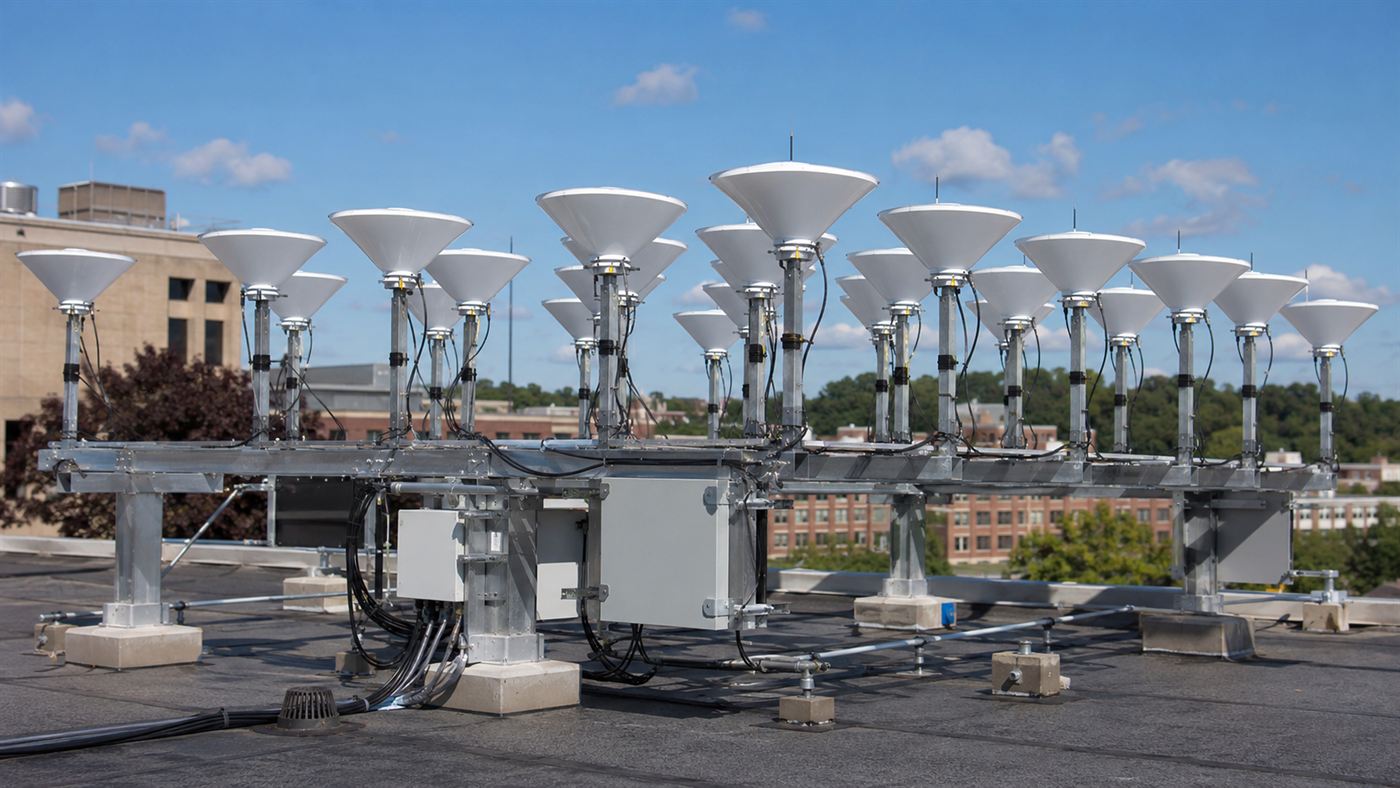
In March 2023, MAPLE successfully moved power wirelessly between two receivers inside the spacecraft, a first in space all by itself. Then it did the harder thing, aiming its beam through the atmosphere at a receiver on the roof of a Caltech laboratory in Pasadena, which picked up a faint but real pulse of transmitted energy. After fifty years of theory, a working piece of space solar power hardware had finally sent power from orbit to the ground.
How much power, really?
Here is where enthusiasm needs a cold splash of reality. The amount of energy MAPLE beamed to Earth was tiny, a detectable trickle rather than anything you could plug a kettle into. The experiment was never meant to deliver useful electricity; it was meant to prove that the chain of steps, harvest, convert, beam, receive, could be done at all, and crucially that it could be done with light, flexible, inexpensive parts rather than the heavy rigid hardware everyone had assumed it would need.
On that narrow but important measure, it worked, and the mission wrapped up in 2024 with a mix of successes and lessons. What Caltech demonstrated was not a power station but a principle: that the physics of beaming solar energy down from space is sound, and that the building blocks can be made cheap and light enough to one day matter. The milliwatts were the message, not the product.
Why it might still not happen
For all the romance, space solar power faces obstacles that no single experiment can wave away. A real system would need square kilometres of panels assembled in orbit, an engineering and launch challenge of staggering size and cost. Energy is lost at every stage of converting sunlight to a beam and back to electricity, and the ground antennas to catch the beam would themselves cover huge areas. All of this has to compete with solar panels and batteries on Earth, which keep getting cheaper every year.
There is also the public's instinctive unease about beaming energy down from the sky, even though the kind of beam involved is diffuse and far too weak to be a weapon or a hazard at these scales. Put the costs, the physics and the perceptions together and a commercial space solar plant is, optimistically, decades away, if it ever closes the gap on plummeting ground solar at all.
The honest catch
It is worth holding the achievement and its limits in the same hand. What Caltech did was a genuine first, a real piece of space solar power hardware doing in orbit what had only ever been simulated, and the move to flexible, low-cost components is a meaningful advance, not just a press release. The team earned its place in the story of the idea.
But a faint signal on a Pasadena rooftop is the beginning of a very long road, not the arrival. The hype around space solar tends to race far ahead of the milliwatts, and the honest position is that this was a brilliant proof of concept for a technology that may still never beat a cheap solar panel on a roof. The dream is now real enough to take seriously. Whether it ever becomes practical is a question the next few decades, not 2023, will answer.
Half a century after science fiction first imagined it, a team in California beamed solar power from orbit to a rooftop on Earth, funded by one man who read about the idea in a magazine. Is space solar power the future of clean energy, or a beautiful distraction from cheaper solutions on the ground? Tell us what you think in the comments.
Related reading: The engineer who built a working solar power plant in the Egyptian desert back in 1913.