The Soviet Union built a thousand nuclear lighthouses, then walked away and left them in the snow
Along thousands of miles of frozen, empty coast, the USSR planted a chain of lighthouses that needed no keeper, no fuel deliveries and no power line, because each one ran on its own lump of radioactive metal. Then the country that built them ceased to exist. The Soviet nuclear lighthouses were simply abandoned where they stood.
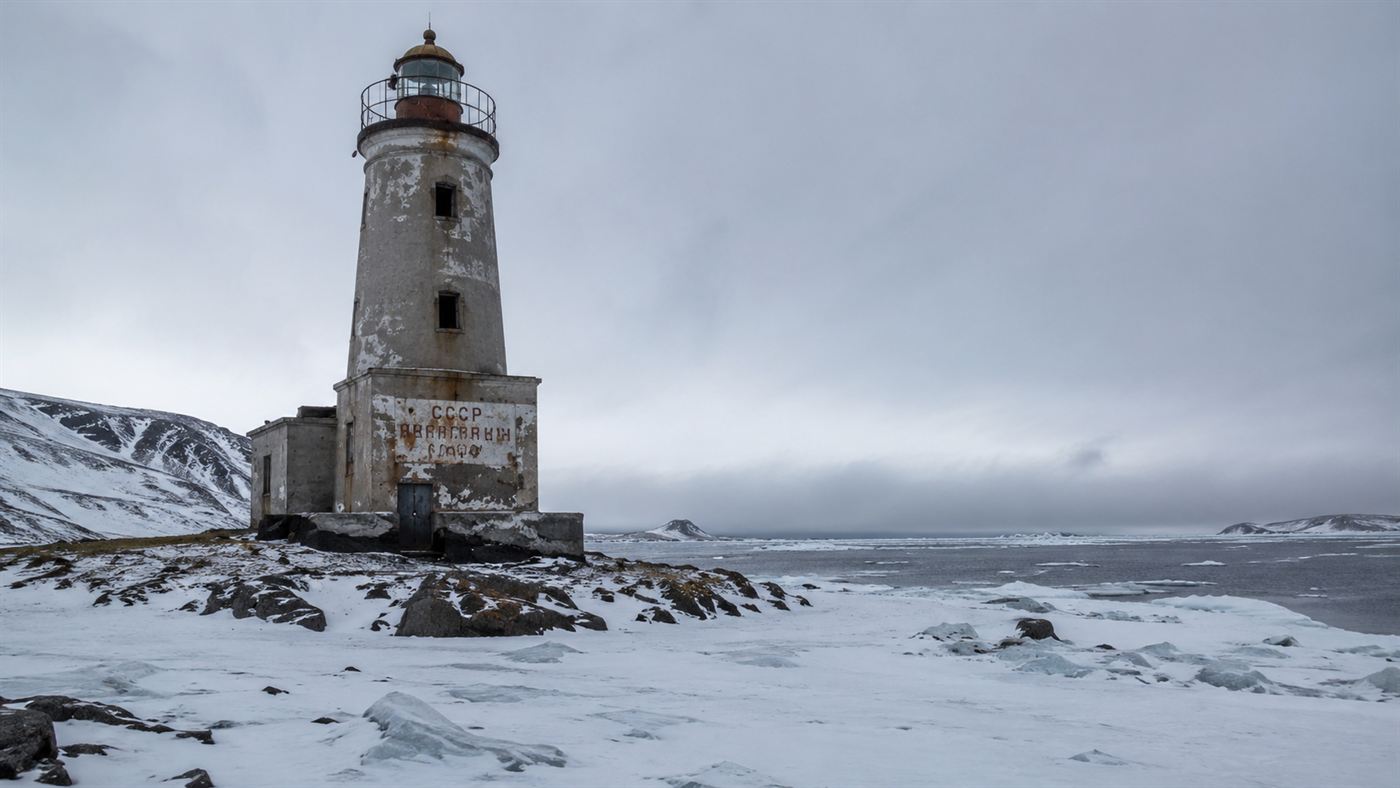
On the loneliest coasts on Earth, atomic beacons ran for decades with no one to tend them. Illustration: Watts & Wild.
The Soviet Arctic is one of the most hostile and isolated places humans have ever tried to work. Ships still needed lights to guide them along it, but stringing power lines or staffing lighthouses across that frozen emptiness was impossible. The Soviet answer was to give each remote beacon its own tiny nuclear power source and leave it to run alone.
For a while it was an elegant solution. What happened to those machines afterwards is a slow-motion lesson in what gets left behind when an empire falls.
How the nuclear lighthouses worked
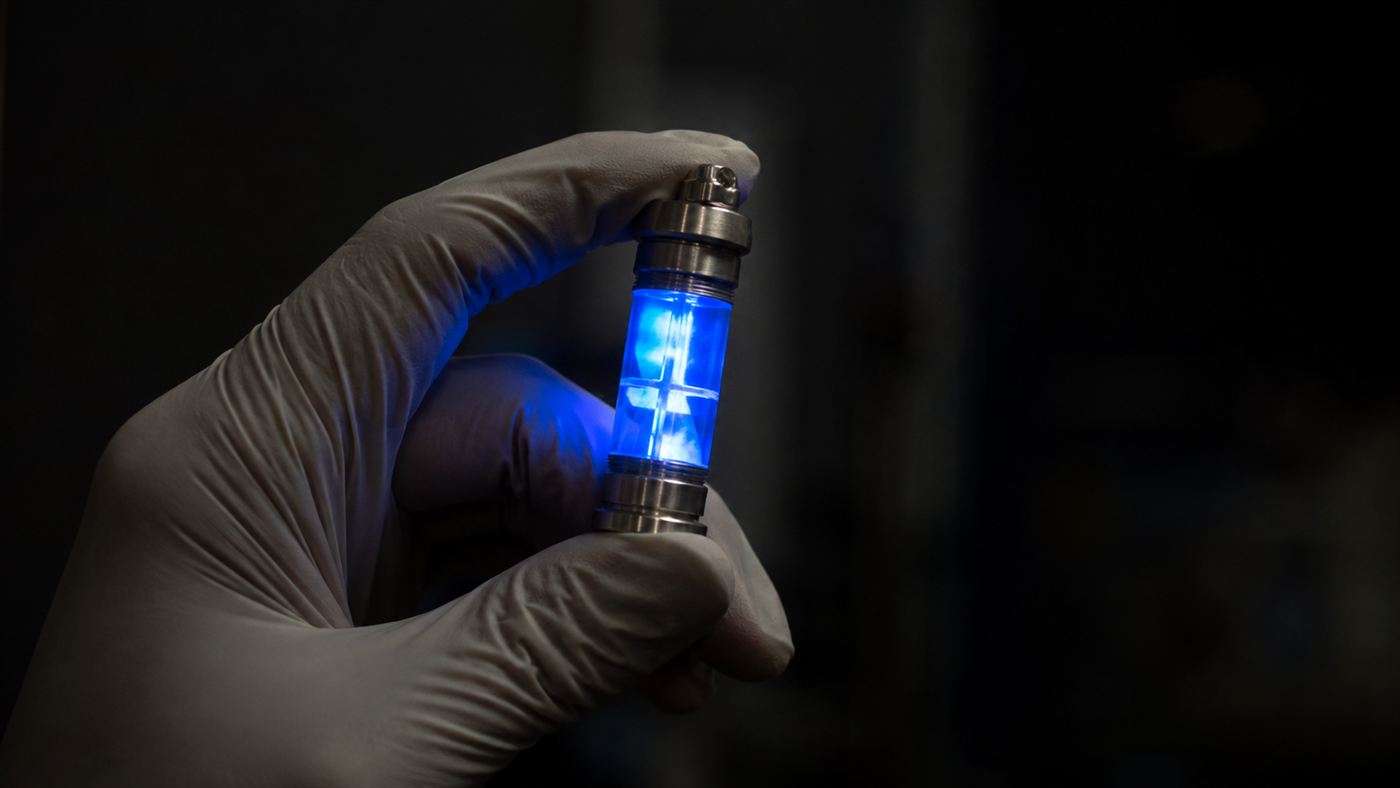
The heart of each beacon was not a reactor but a far simpler device called a radioisotope thermoelectric generator, or RTG. Each nuclear lighthouse held a core of strontium-90, a radioactive material that gives off heat as it decays, and that heat was turned straight into electricity with no moving parts at all.
It is the same basic trick that powers spacecraft sent far from the sun, where solar panels are useless. A lump of radioactive material stays warm for decades, a ring of simple electronic junctions converts the warmth into a current, and the result is a power supply that just keeps going, silently, through any storm or polar night. For a lighthouse meant to run untouched for years, it was close to perfect.
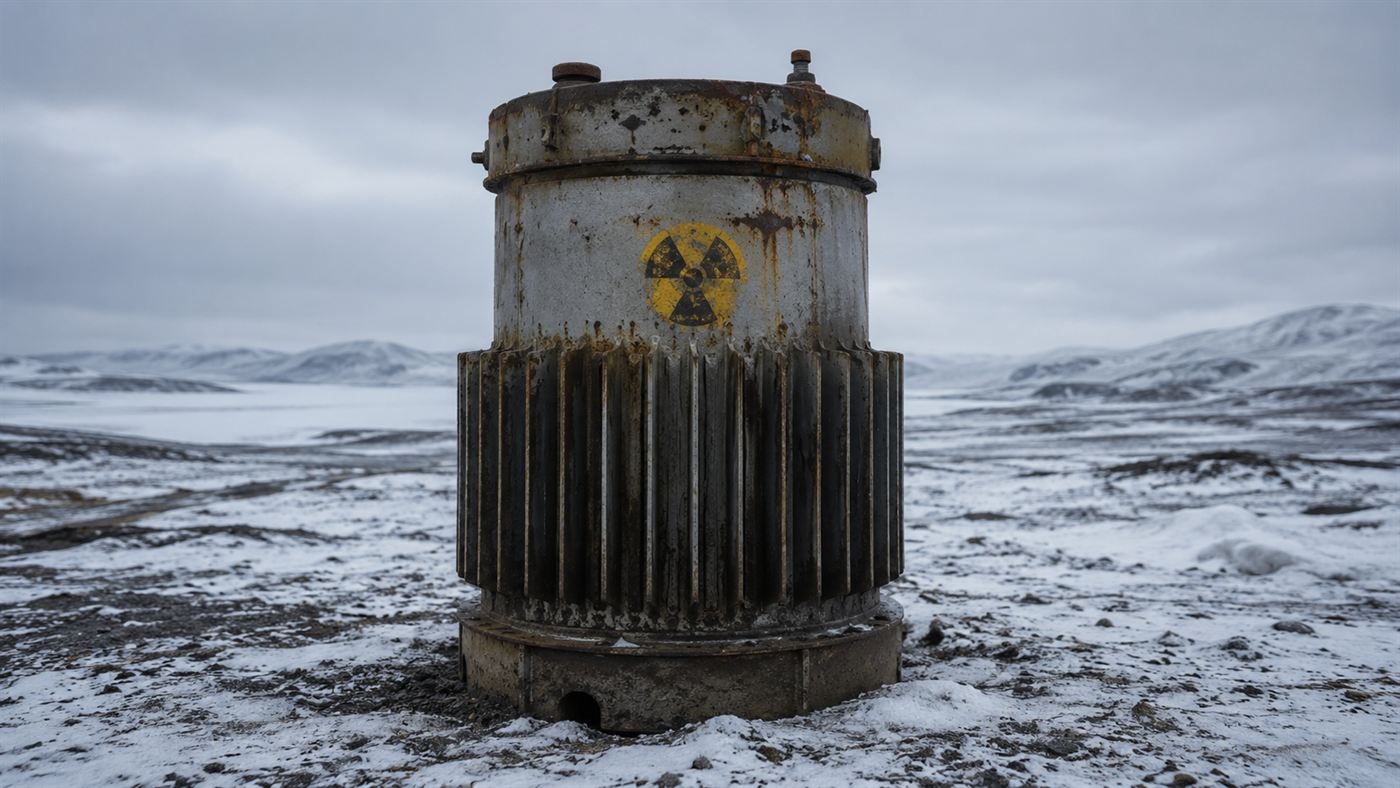
Abandoned when a country fell
The Soviet Union scattered these generators across its territory in enormous numbers, with well over a thousand thought to have powered lighthouses, beacons and other remote equipment. When the USSR collapsed in 1991, responsibility for the nuclear lighthouses fell through the cracks, and many were left unguarded and unmaintained for years.
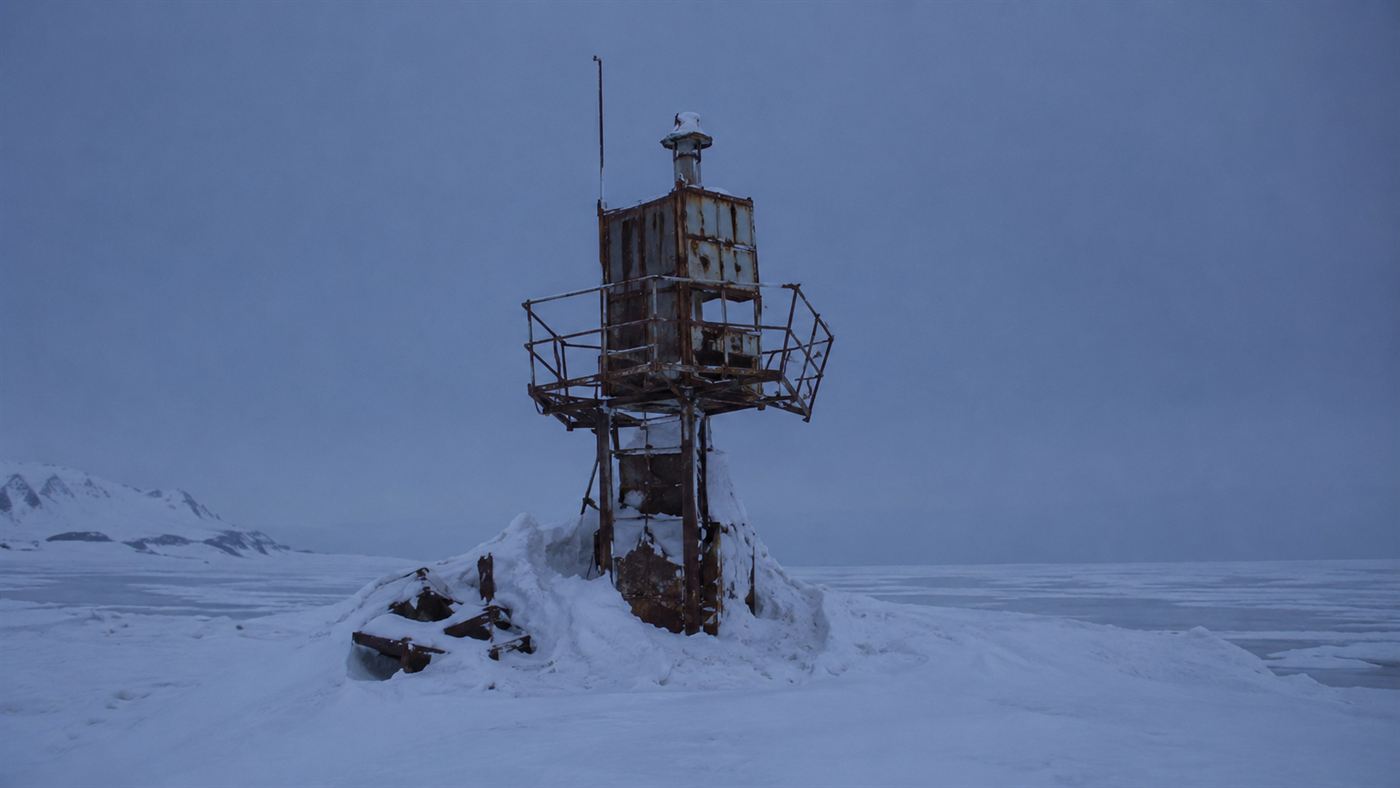
Sitting unwatched in the wilderness, the units began to suffer. Some were swallowed by storms, ice and the sea. Others were broken into, because their heavy metal casings looked, to anyone who did not know better, like valuable scrap. A safety system that had depended on a powerful, organised state simply dissolved when that state was gone, leaving lethal machines standing alone in the snow.
The scavengers and the orphan sources
The most chilling stories come from the people who stumbled on these devices without knowing what they were. In nuclear safety they are called orphan sources, dangerous radioactive objects with no one in charge of them. In one notorious case, woodsmen in a remote region found two generator cores that had been stripped of their shielding and carried them around to keep warm, suffering severe radiation burns.
To a freezing scavenger, a warm metal object in the snow can seem like a gift rather than a threat. That is exactly what makes a stripped RTG so dangerous: it does not look, smell or feel harmful, yet standing close to its bare core for hours can do terrible damage. The same quiet, invisible heat that had faithfully run a lighthouse for years became a trap for anyone who got too near.
What were the Soviet nuclear lighthouses?
They were one of the boldest, and in the end most troubling, ideas in the history of remote power. Each was a self-sufficient atomic outpost, lighting the way for ships across coasts too wild and empty to reach with ordinary electricity.
For decades the concept worked beautifully, a triumph of engineering over geography. Its flaw was not technical but human: a power source designed to outlast its keepers ended up doing exactly that, still warm and radioactive long after the people meant to look after it had gone.
Are the nuclear lighthouses still dangerous?
Much less than they once were, thanks to a long and patient cleanup. Starting in the 1990s, Russia and international partners worked to collect the scattered generators, and by 2021 the RTGs had been removed from the lighthouses and replaced with safer power such as solar.
One honest clarification matters here: these devices were never bombs or reactors, and they could not explode or melt down. The only real hazard was the radioactive core itself, harmless behind its shielding but deadly once that shielding was torn away. The story of the nuclear lighthouses is not about a blast, but about the long, careful work of cleaning up a brilliant idea that was left to fend for itself.
A thousand atomic machines, built to outlast their keepers and then left alone in the Arctic, did precisely that. When we build power sources meant to run for decades on their own, who is left holding the keys when the people who made them are gone? Tell us what you think in the comments.
Related reading: the Goiânia accident, another tragedy caused by an abandoned radioactive source mistaken for scrap.