A glowing blue powder looked like treasure, and it was one of the deadliest things on Earth
In a Brazilian city in 1987, families gathered around a strange powder that shimmered blue in the dark. They rubbed it on their skin and shared it like glitter, sure they had found something magical. The Goiânia accident turned that wonder into one of the worst radiation disasters the world has ever seen.
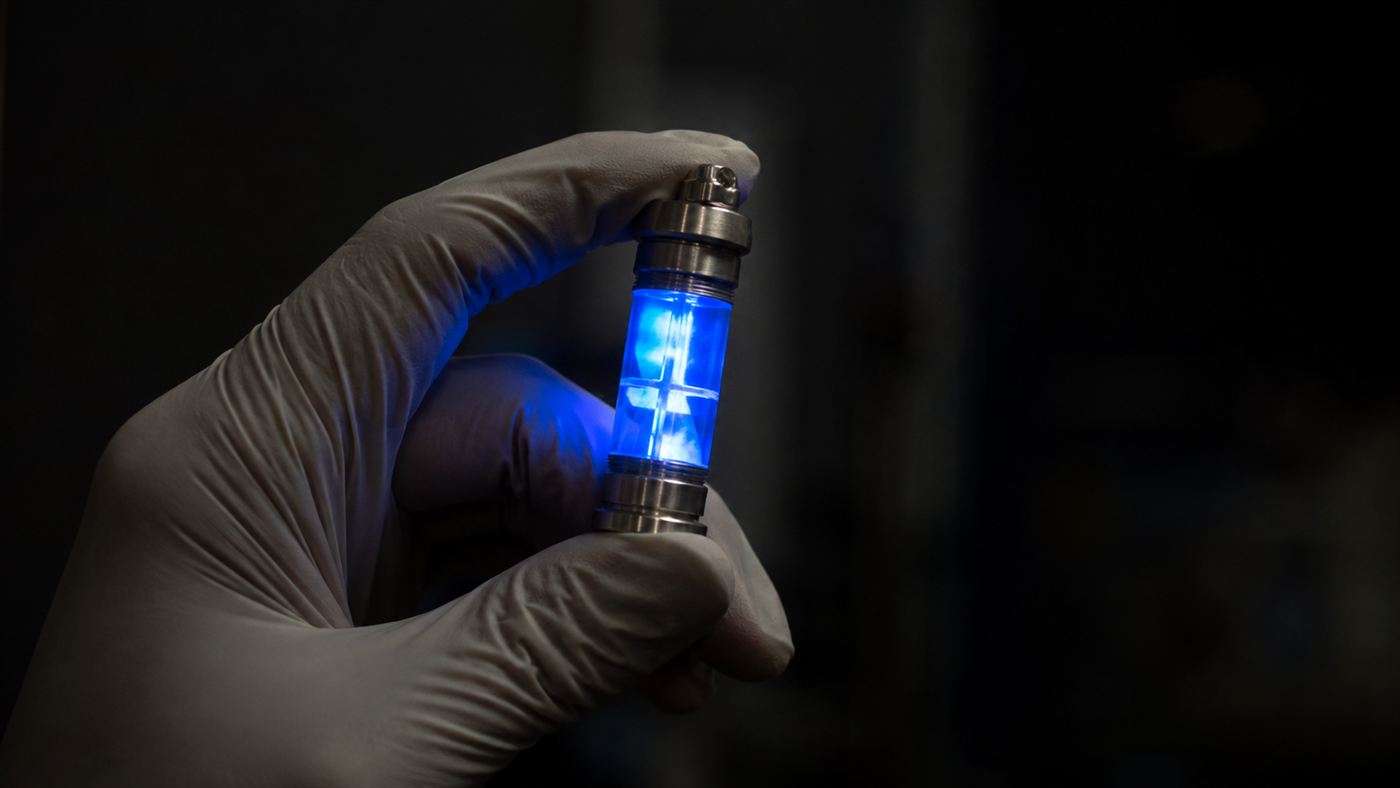
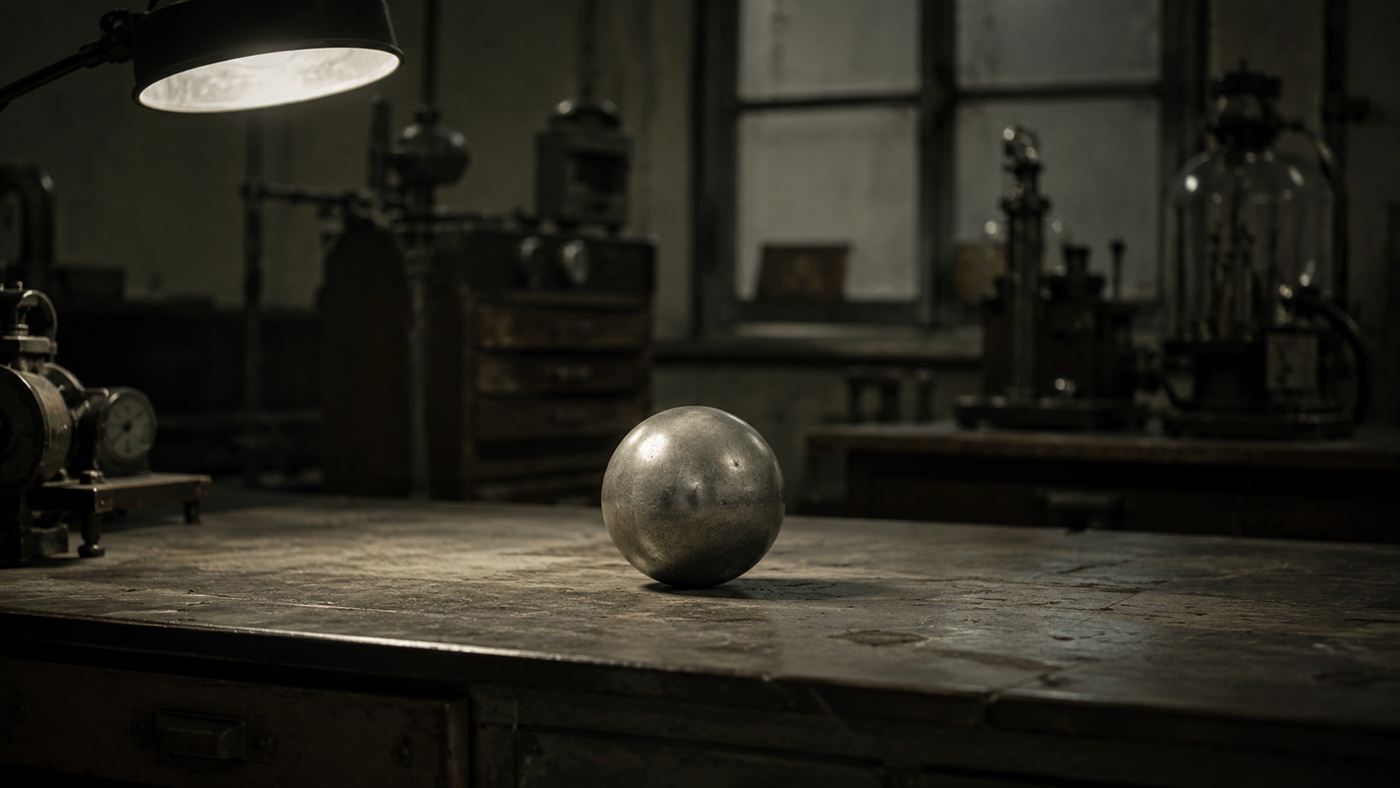
The cesium core glowed an eerie blue in the dark, which is exactly why no one feared it. Illustration: Watts & Wild.
Radiation gives no warning. It has no smell, no taste, and usually no colour, which is what makes it so dangerous when it slips out of the careful systems built to contain it. The Goiânia accident is the clearest, saddest proof of what happens when a powerful radioactive source is simply left behind and forgotten.
It is a story about a gap in the system, and about ordinary people who had no way of knowing that a beautiful glow was killing them.
What caused the Goiânia accident
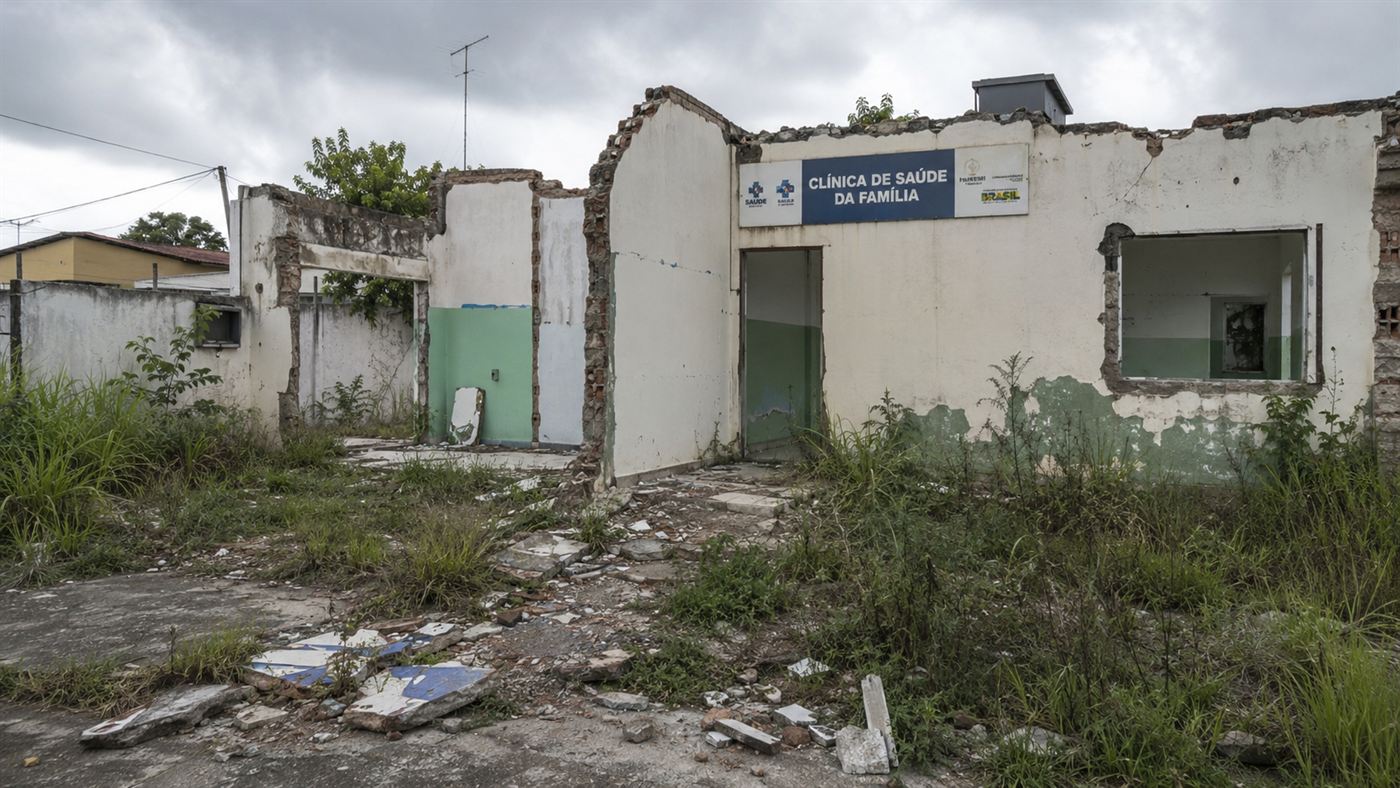
It began not with a reactor or a bomb but with a piece of medical equipment. A private cancer clinic in Goiânia had closed and moved out, leaving behind a radiotherapy machine that held a core of cesium-137, a strongly radioactive material used to treat tumours. The clinic abandoned the device without properly telling the authorities, and it sat in a derelict, half-demolished building for nearly two years.
In the language of nuclear safety, this is called an orphan source: a dangerous radioactive object that has slipped out of anyone's control. To the people of the neighbourhood, though, it was just an abandoned building with some valuable-looking scrap metal inside. In September 1987, two men went in to salvage it.
The powder that passed from hand to hand
The men carried the heavy machine home and set about breaking it apart for scrap, eventually puncturing the capsule at its heart and exposing the cesium inside. Some of it was a powder that glowed a soft blue in the dark. The pieces were sold to a scrapyard, whose owner was so captivated by the glowing powder that he carried it indoors and invited family and friends to marvel at it.
Over several days the strange treasure was passed around. People smeared it on their skin to shine in the dark, children played with it, and tiny specks ended up on hands that then touched food. No one in that circle had any reason to suspect that the lovely glow was the visible face of an invisible poison, soaking invisible damage into everyone who came near.
When the sickness began
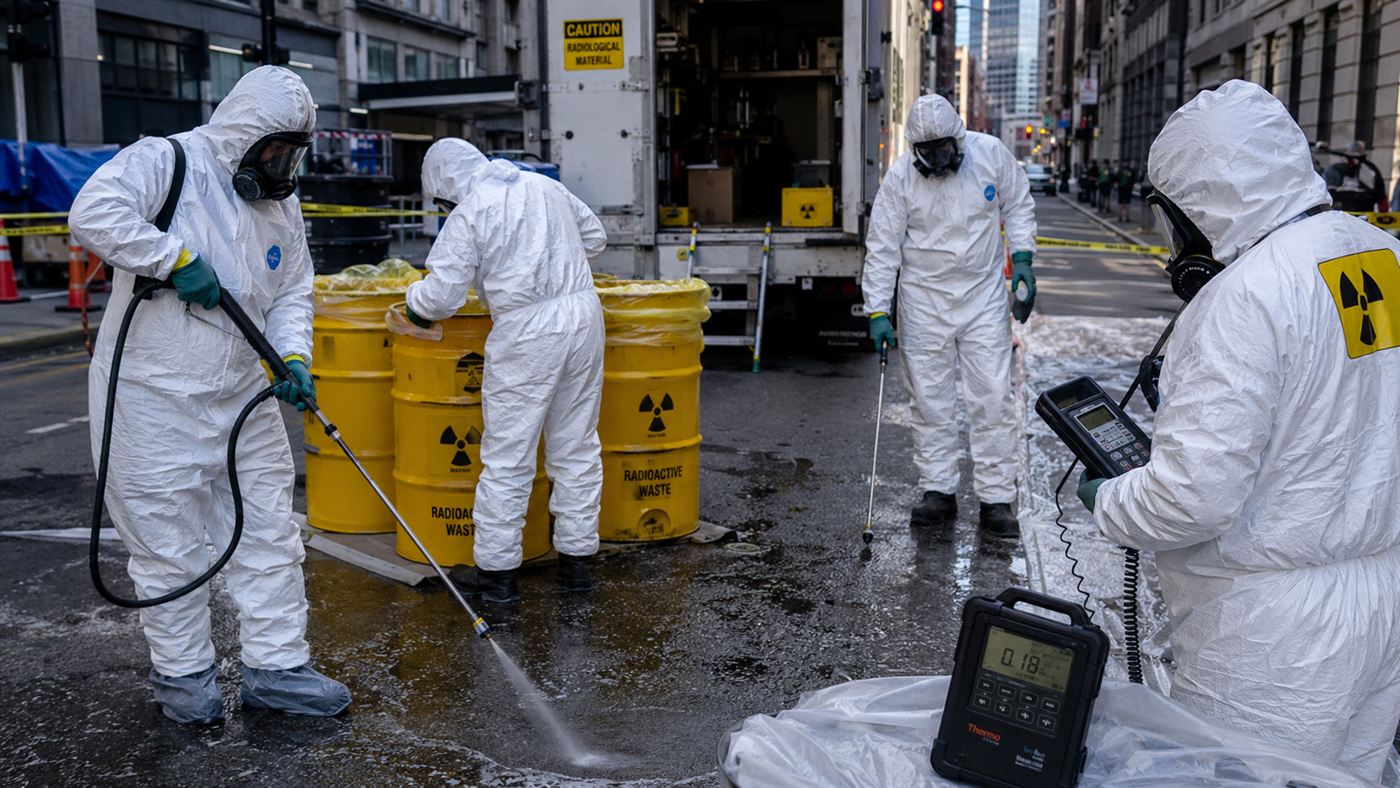
Within days, people who had handled the powder began to fall ill, with vomiting and burns that doctors first struggled to explain. It was only when one woman, suspecting the strange material, carried a piece of it to a hospital that the truth came out, and a physicist confirmed the city was facing a major radiation emergency. In the response that followed, roughly 112,000 people were screened for contamination, and several sites across Goiânia had to be torn up and removed as radioactive waste.
The human cost was concentrated in a few families who had spent the most time with the source. Four people died, among them a six-year-old girl who had been near the powder and was buried in a sealed, lead-lined coffin. Homes were demolished, topsoil was scraped away, and a frightened city had to learn, almost overnight, what radiation was and how it spreads.
What was the Goiânia accident?
Measured by its consequences, it stands as the worst accident the world has seen involving a lost radioactive source. It was not caused by a failing reactor or a weapon, but by a single forgotten capsule of cesium-137 and a chain of people who never knew what they were holding.
That is what makes it so haunting. Every step, the closing clinic, the unguarded building, the curious scrap dealers, the glow shared among loved ones, was ordinary on its own. Only together, and only because a deadly source had been allowed to go missing, did they add up to a tragedy.
How many people died in the Goiânia accident?
Four people lost their lives to the radiation, and many more carried injuries, illness and fear for the rest of theirs. The disaster pushed the world's nuclear safety bodies to take orphan sources far more seriously, building registries and tracking systems so that powerful radioactive material can no longer simply vanish from the record.
It would be easy to remember Goiânia only for the blue glow, but the truer memorial is in those reforms and in the people it harmed. They were not careless or foolish; they were failed by a system that let something lethal slip into ordinary hands, and the safeguards that exist today are part of the debt owed to them.
A glow that looked like a gift turned out to be one of the deadliest things on Earth, simply because it was left where it should never have been. How many other forgotten sources are still out there, waiting in abandoned buildings for someone curious to find them? Tell us what you think in the comments.
Related reading: the Kyshtym disaster, a Soviet nuclear catastrophe hidden from the world for thirty years.