The SR-71 Blackbird flew so fast that its answer to an incoming missile was simply to accelerate away, and in 24 years not one was ever shot down
Most aircraft survive by hiding, dodging or fighting. One legendary spy plane had a simpler plan, just go faster than anything that tried to kill it. The SR-71 Blackbird is still, decades after it was retired, the fastest air-breathing aircraft the world has ever built.
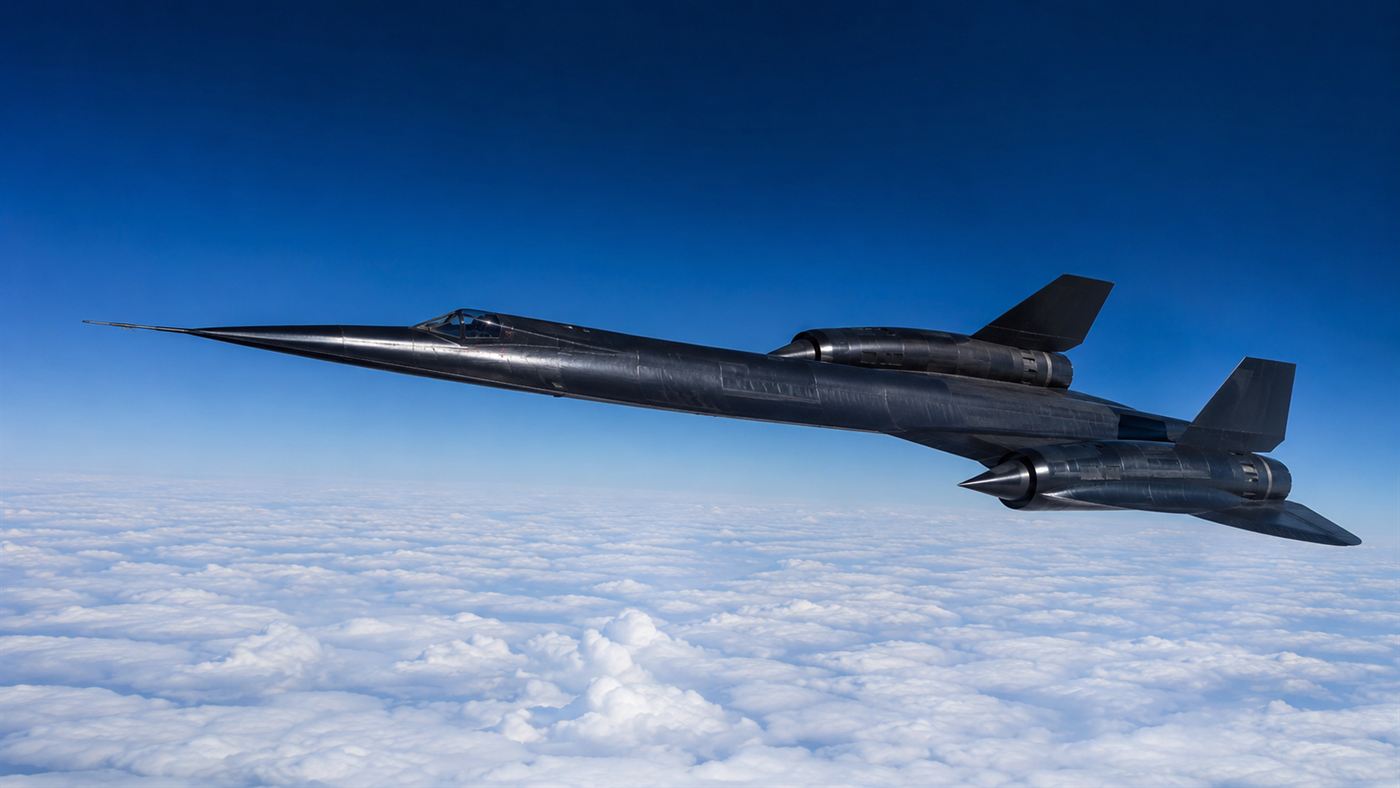
The SR-71 was designed to outrun trouble rather than fight it. Illustration: Watts & Wild.
In the tense years of the Cold War, both sides desperately needed to see what the other was doing, and the safest way to look was from above. But a spy plane is a fragile thing, a slow, high-flying target that enemy missiles love. After a famous U-2 was shot down over the Soviet Union in 1960, the United States needed something that simply could not be hit. What its engineers built was closer to a rocket with a camera than an airplane.
The SR-71 Blackbird is one of those machines that sounds like it belongs in science fiction, and yet it flew real missions for decades. Its performance was so far ahead of its time that, more than fifty years after it first flew, nothing has officially beaten its records. To understand why it still amazes engineers, you have to look at just how strange and extreme it really was.
The short version: The Lockheed SR-71 Blackbird was a Cold War spy plane and the fastest air-breathing manned aircraft ever, cruising around Mach 3.3 at 85,000 feet. Its defense was pure speed, outrunning missiles rather than dodging them, and no Blackbird was ever shot down. Built mostly of titanium secretly bought from the Soviet Union, it even leaked fuel on the ground, and it was retired in the late 1990s largely because of its enormous cost.
A camera that flew at Mach 3
The Blackbird was, at heart, a reconnaissance aircraft, a spy plane whose job was to fly deep over hostile territory, photograph what mattered, and come home. It was developed in secret in the 1960s by Lockheed's legendary Skunk Works, the advanced projects division led by the brilliant engineer Clarence "Kelly" Johnson, a man famous for turning impossible-sounding requirements into flying metal.
Johnson's team decided that the plane's survival would not rest on guns, armor, or hiding. It would rest on performance so extreme that nothing could reach it. The idea was audacious, build an aircraft that flew higher and faster than any weapon could climb to catch it, and let sheer speed be the shield. Everything strange about the Blackbird flows from that single, uncompromising choice.
Outrunning the missile
The result was a defense unlike any other. When enemy radar spotted a Blackbird and a surface-to-air missile streaked up toward it, the crew did not jink or deploy flares as other pilots might. As Wikipedia documents, the standard evasive maneuver was simply to accelerate and climb, outpacing the missile entirely.
It worked, over and over. Across the Cold War, more than 4,000 missiles were fired at SR-71s, and not a single one ever hit. In over 3,500 operational missions across 24 years of service, no Blackbird was ever lost to enemy fire. Pilots described watching missiles fall away behind and below them, unable to keep up. It is one of the most remarkable safety records in the history of military aviation, achieved not by fighting but by fleeing faster than anyone could follow.
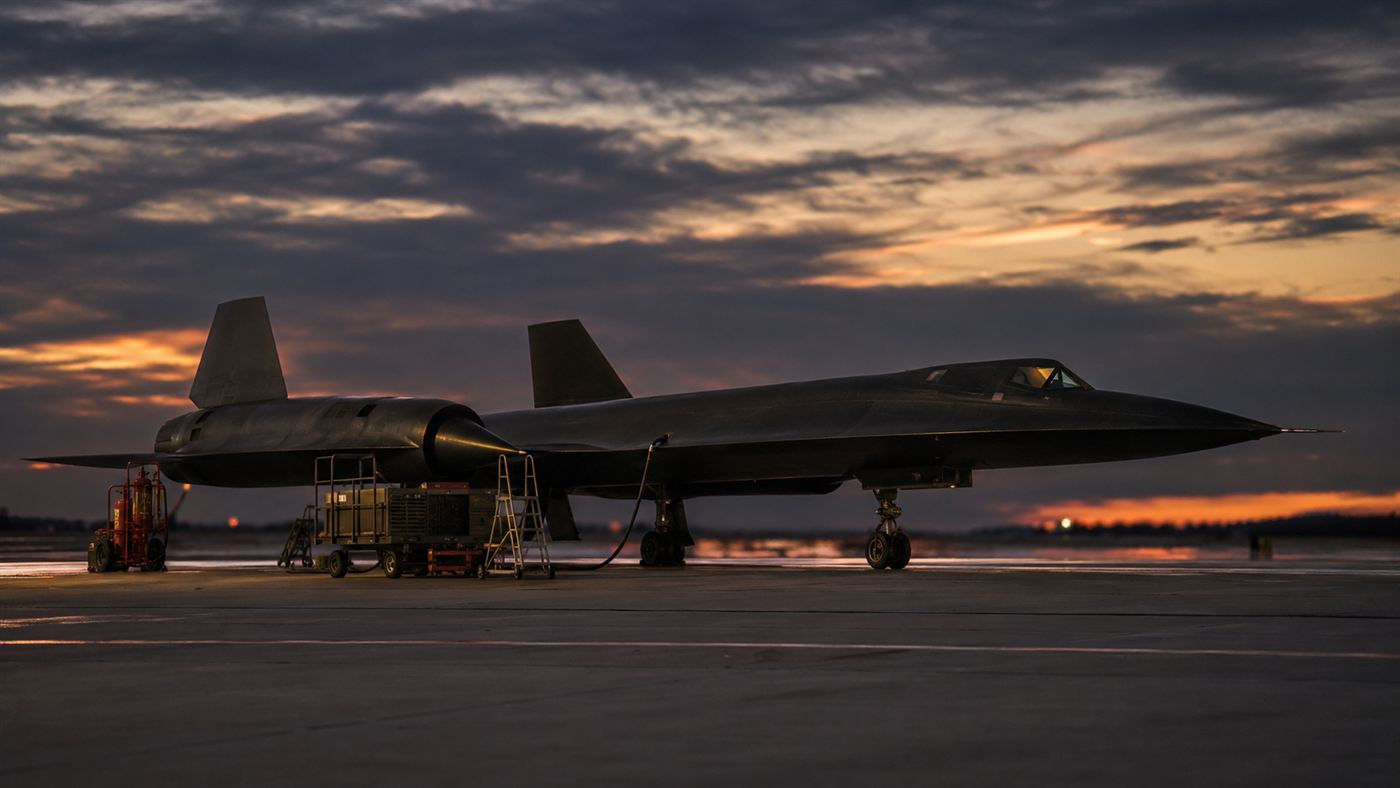
How fast the SR-71 Blackbird really flew
The numbers are still staggering. As the Smithsonian's National Air and Space Museum records, in 1976 an SR-71 set an absolute speed record of about 2,193 miles per hour, roughly Mach 3.3, while cruising at around 85,000 feet, on the edge of space. Those records still stand for any air-breathing manned aircraft.
At that pace, the SR-71 Blackbird could cross from New York to London in under two hours, and dash across the entire United States in a little over an hour. Friction with the air at Mach 3 heated its skin to hundreds of degrees, hot enough to cook the airframe, which drove the most unusual engineering decisions of all. Flying that fast was not just about powerful engines. It was about building a machine that could survive its own speed.
Built from the enemy's metal
To withstand that blistering heat, the Blackbird could not be made of ordinary aircraft aluminum, which would have softened and failed. Instead, around 85 percent of the aircraft was built from titanium, a metal that is light, strong and heat-resistant, but notoriously difficult to work with. And here lies one of the great ironies of the Cold War.
The United States did not have enough high-grade titanium of its own, so, as widely reported, it secretly bought much of the metal from the Soviet Union, using front companies to disguise the purchases. The very country the Blackbird was built to spy on unknowingly supplied the raw material for the plane. Painted a deep black to help radiate heat and reduce its radar signature, the aircraft earned its name, and became an icon forged, quite literally, from its adversary's own resources.
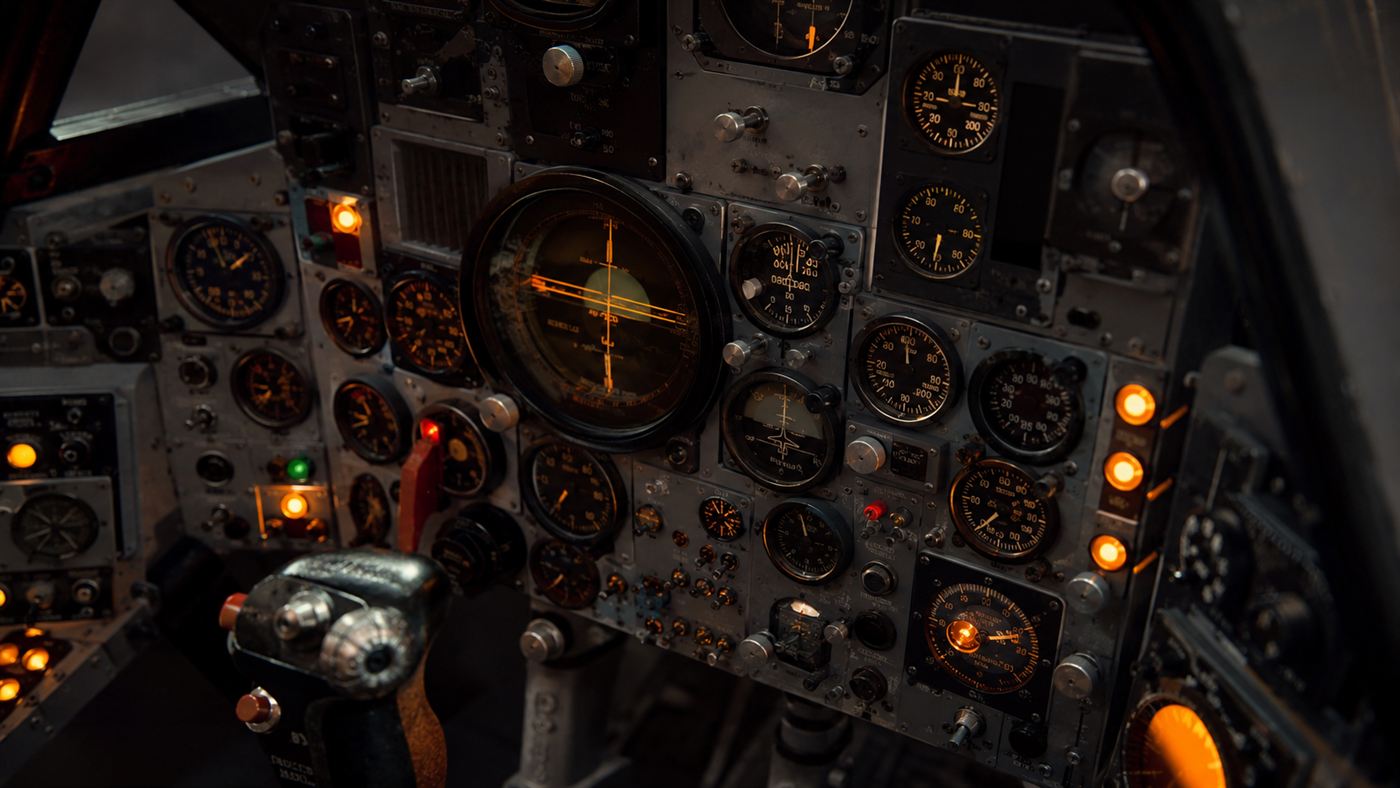
The plane that leaked on the ground
The strangest quirk of all was on the runway. Because the titanium airframe expanded so much when heated at Mach 3, the plane was deliberately built with loose-fitting panels that only sealed tight once it was flying fast and hot. Sitting cold on the tarmac, its seams gaped, and the Blackbird famously dripped jet fuel onto the runway beneath it.
This meant a Blackbird could not simply fill up and fly a long mission from the ground. It would take off with only a partial fuel load, then rendezvous with a tanker in the air to top up once its seams had sealed. It burned a special high-temperature fuel and needed a chemical spark just to light its engines. Almost nothing about operating the plane was ordinary, which was the price of flying at the edge of what was possible.
The honest catch
It is easy to talk about the Blackbird as invincible, but that word does it a subtle disservice. It was never shot down, true, but it was not retired because it failed. It was retired, in the late 1990s, because it was extraordinarily expensive to fly. Each mission demanded special fuel, dedicated tanker aircraft, and a small army of specialists, and by then spy satellites could photograph the same targets from orbit, cheaply and without risking a crew.
The romantic story of outrunning every missile is also a little simpler than the reality. The Blackbird's safety came from speed, altitude and early warning working together, and it was routed to avoid the most heavily defended airspace rather than daring anything to shoot at it. Many of its exact figures remain semi-classified and approximate. None of this dims the achievement. The SR-71 was a genuine marvel, a machine so far ahead of its era that we have not matched it since. But it is best remembered not as an unbeatable weapon, only as a magnificent, costly answer to a very specific Cold War question, one its own side eventually decided it no longer needed to ask.
A plane that dripped fuel on the tarmac could still outrun every missile ever fired at it, and we have not built its equal since. Does it say something hopeful or troubling that our most astonishing machines are often born from fear and rivalry? Tell us what you think in the comments.
Related reading: the Spruce Goose, another audacious aircraft that pushed engineering to its limits.
More from Watts & Wild
More in Science & Tech →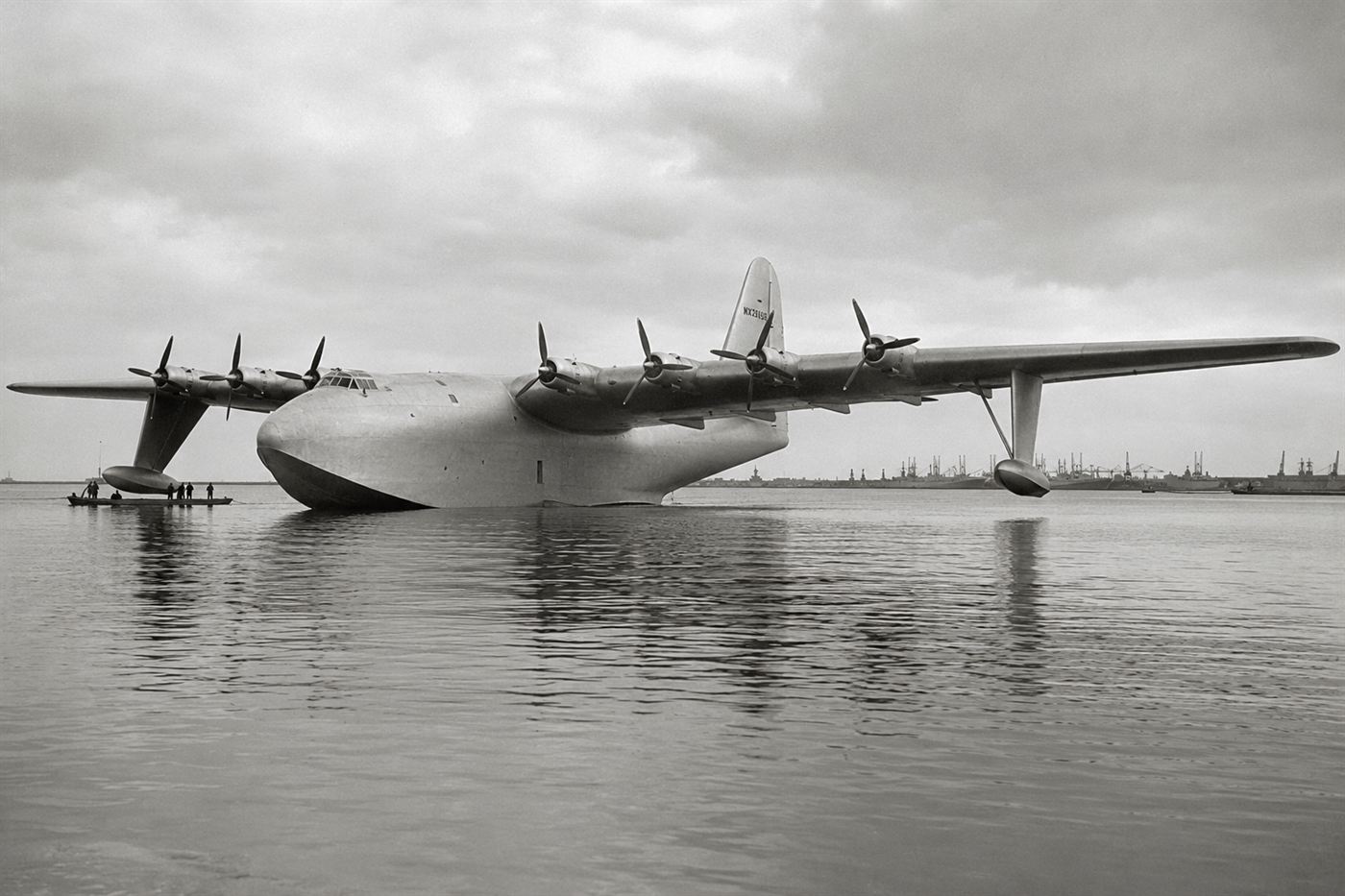


Bruno writes about energy, industry and the big machines that run the modern world, with an eye for the human story behind the engineering.