The Saturn V remains the most powerful machine that ever carried humans, five giant engines burning 15 tons of fuel a second to fling astronauts at the Moon
Half a century after its last flight, the numbers still sound impossible. The Saturn V was a skyscraper that flew, a controlled explosion tall enough to cast a shadow over the launch pad, and it did the one thing no machine had ever done before, carry human beings to another world.
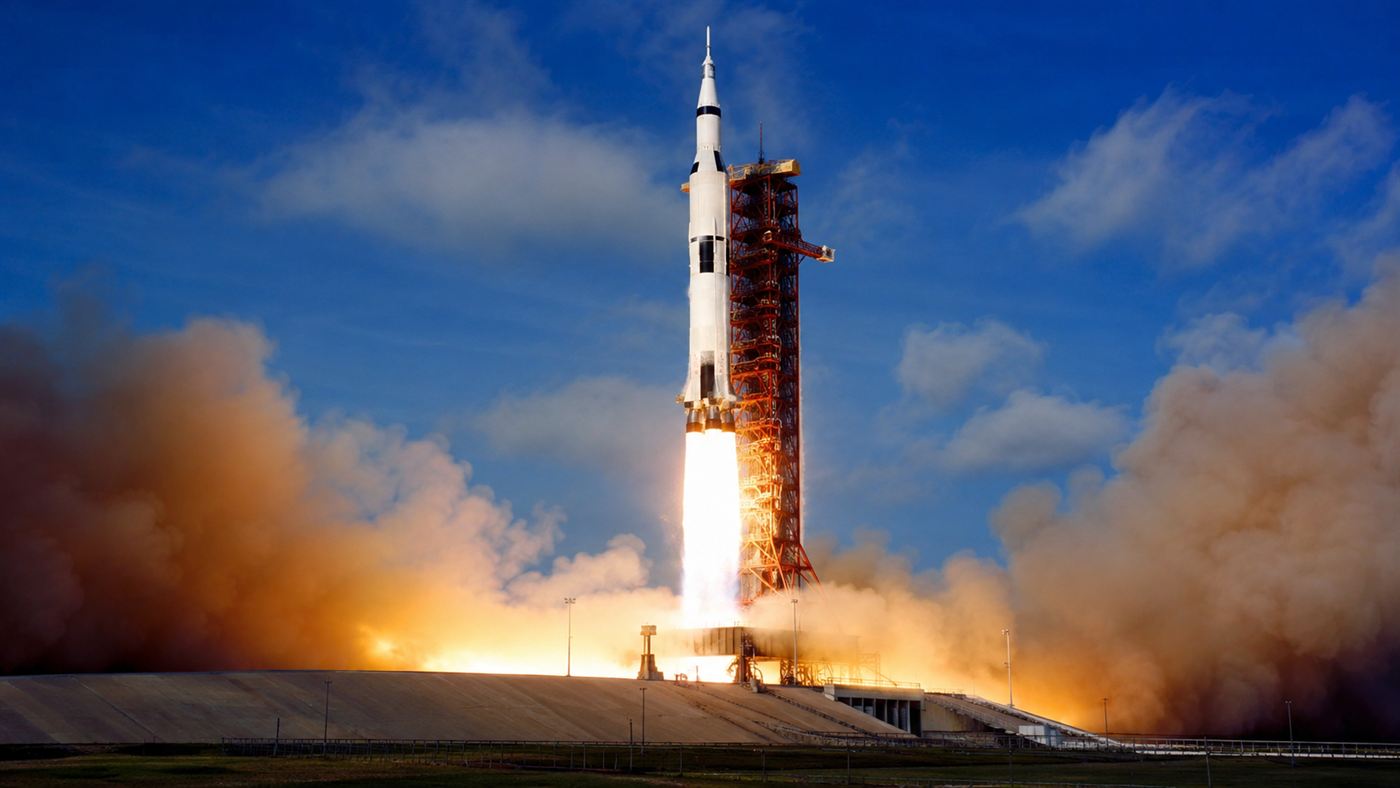
The Saturn V climbing away on 7.5 million pounds of thrust. Illustration: Watts & Wild.
There are machines that impress us, and then there is the Saturn V, which tends to leave people simply lost for words. To stand beside one of the survivors lying in a museum today, longer than a football field, is to feel genuinely small. And to remember that this monster once leapt off the ground and hurled people all the way to the Moon is to brush up against the outer edge of what humans have ever managed to build.
The Saturn V was the rocket of the Apollo program, the vehicle that turned President Kennedy's promise of a Moon landing into roaring, fiery reality. It flew for only a few short years, and nothing since has quite matched what it did. Its story is one of staggering power and flawless success, but also, when you look closely, of uncomfortable history and deliberate abandonment.
The short version: The Saturn V was NASA's Apollo Moon rocket, about 110 metres tall, powered by five enormous F-1 engines making a combined 7.5 million pounds of thrust. It flew 13 times between 1967 and 1973 with a perfect success record, carrying 24 astronauts to the Moon. It held the title of most powerful rocket for roughly 50 years, and the idea that we "lost the blueprints" is a myth.
A rocket the size of a skyscraper
The scale of the Saturn V is hard to hold in your head. It stood about 110 metres tall, taller than a thirty-storey building, and fully fuelled it weighed roughly 3,000 tonnes. Nearly all of that colossal weight was propellant, fuel and oxidiser packed into its stages, waiting to be burned in a matter of minutes.
It was designed and developed at NASA's Marshall Space Flight Center in Huntsville, Alabama, under the direction of the rocket engineer Wernher von Braun. Its job was brutally demanding, to lift not just itself but a spacecraft, a lunar lander and three astronauts, and give them enough of a shove to escape Earth's gravity entirely and coast to the Moon. Almost everything about it had to be the biggest and most powerful of its kind ever attempted.
Five engines and a wall of fire
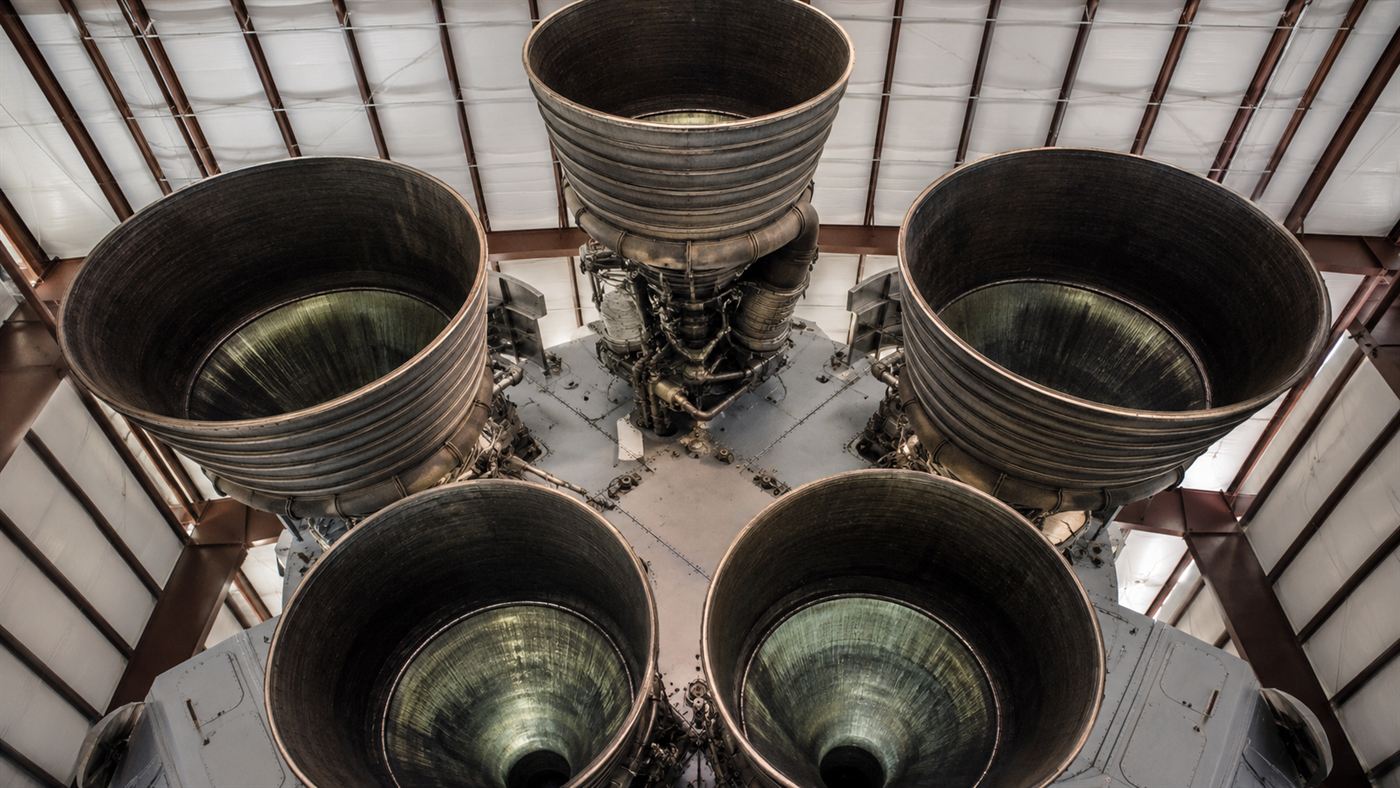
All of that began with the first stage and its five F-1 engines, arranged in a great cross at the base of the rocket. As the Smithsonian's National Air and Space Museum notes, the F-1 remains the largest, highest-thrust single-chamber, single-nozzle liquid-fuel engine ever flown, and the Saturn V used five of them at once.
Together they produced about 7.5 million pounds of thrust, gulping roughly 15 tonnes of kerosene and liquid oxygen every single second. The sound and shockwave of a launch were almost beyond belief, powerful enough to be felt in the chest miles away and to rain vibration across the whole surrounding landscape. For the few minutes those engines burned, the Saturn V was arguably the most concentrated release of controlled power humanity had ever engineered.
How powerful the Saturn V really was
Raw thrust is only part of the story. The truly astonishing thing about the Saturn V is that it channelled all that violence with total reliability. As documented on Wikipedia, thirteen Saturn V rockets were launched between 1967 and 1973, and all of them succeeded, a perfect record for such an extreme machine.
Nine of those flights carried a total of 24 astronauts to the Moon, and six of them landed. It could throw around 130 tonnes into low orbit and send roughly 48 tonnes toward the Moon, figures that stood unmatched for about half a century. For fifty years, whenever anyone spoke of the most powerful rocket ever flown, they were talking about this one. It set a bar so high that even in an age of renewed space ambition, matching it has taken until very recently.
The man who built it, and his shadow
No honest account of the Saturn V can skip the story of Wernher von Braun, the brilliant engineer at its center, because his genius came with a very dark history. Before he ever worked for NASA, von Braun had designed the V-2 rocket for Nazi Germany, a weapon fired at Allied cities during the Second World War.
Worse, those V-2s were built using the forced labor of concentration camp prisoners, many of whom died in appalling conditions. After the war, von Braun and other German engineers were brought to the United States, where their expertise eventually powered the American space program. The same mind that helped carry humanity to the Moon had, only years earlier, built weapons in a system of horror. It is a discomfort that sits permanently alongside the triumph, and it should.
Why we can't just build another
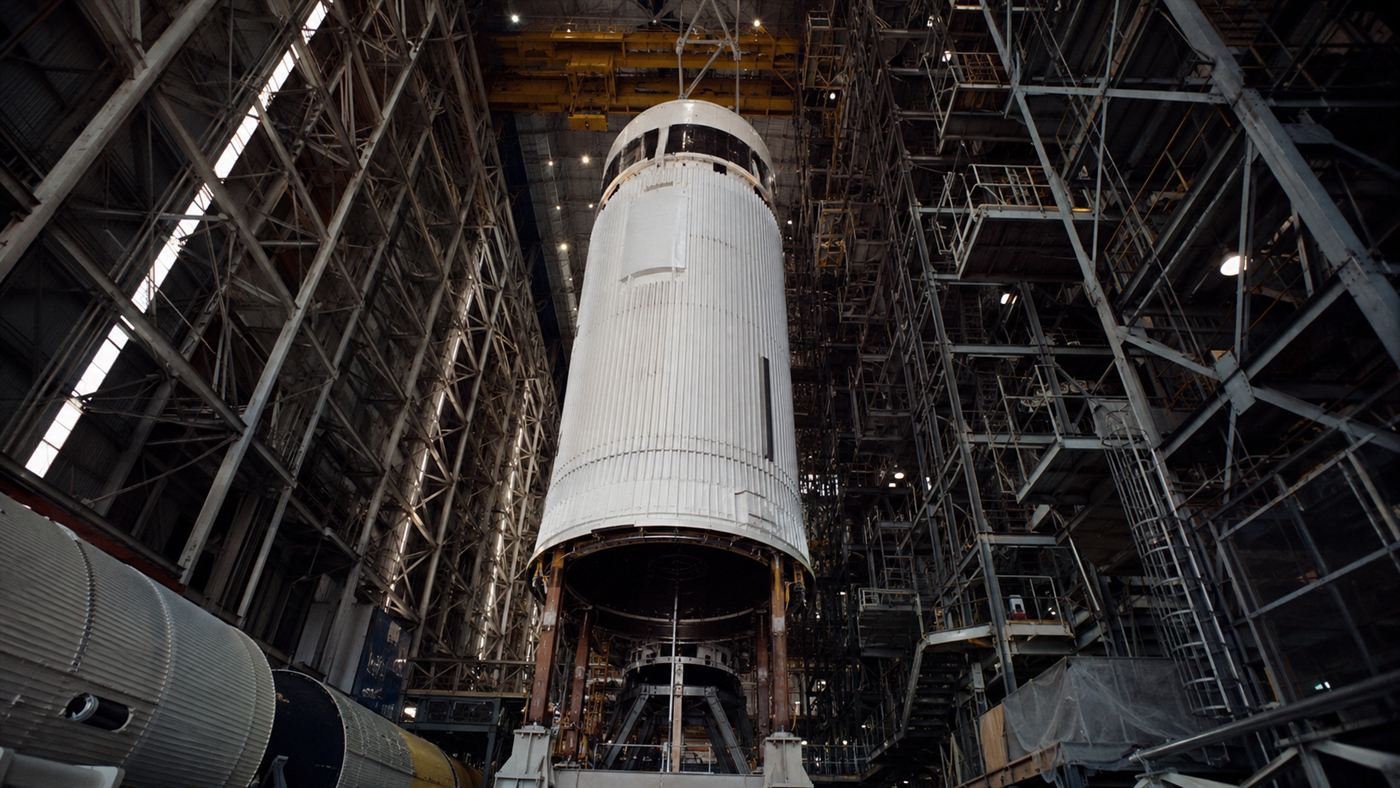
People often say that we have lost the ability to build the Saturn V, and that its blueprints have vanished. That is not quite true. The plans still exist, carefully preserved on microfilm at the Marshall Space Flight Center. If it were only a matter of paper, we would be fine.
What has genuinely been lost is everything around the paper, the specialised factory tooling, the suppliers who made unique parts, and above all the hands-on knowledge held by the thousands of people who actually built and tuned these machines. Recreating that would be enormously expensive, and largely pointless, since modern rockets are designed quite differently. Tellingly, several complete Saturn Vs were built but never flew when the program was cut short, and they now lie on their sides in museums, the leftovers of an ambition the country chose to set down.
The honest catch
The Saturn V absolutely deserves its legend, but a clear eye adds some important shading. Its long reign as the most powerful rocket ever flown has, in the last few years, finally come to an end, as a new generation of giant rockets has begun to surpass its thrust. It was a record for the ages, but not forever. And the romantic notion that humanity "forgot how to go to the Moon" is misleading. We did not forget so much as stop, deliberately, once the Cold War race that funded the whole effort had been won.
That points to the deepest truth about the Saturn V. It was a magnificent machine, but it was also a product of a very particular political moment, backed by a river of money that was never going to keep flowing once its purpose was served. The Apollo program cost a fortune, and the instant it had beaten its rival to the Moon, the giant rockets stopped being built. The Saturn V is not really a story about lost knowledge. It is a story about what humans can achieve when they truly decide to, and about how quickly that resolve can fade once the reason for it is gone.
A machine taller than a skyscraper flew thirteen times without a single failure and carried people to the Moon, then was deliberately put away. Does the Saturn V inspire you about what we can do, or trouble you about how easily we stop doing it? Tell us what you think in the comments.
Related reading: Margaret Hamilton, whose software kept Apollo flying atop this very rocket. See also how NASA named its Artemis III crew in 2026, and why they will not land on the Moon after all.
More from Watts & Wild
More in Industry & Mega-Builds →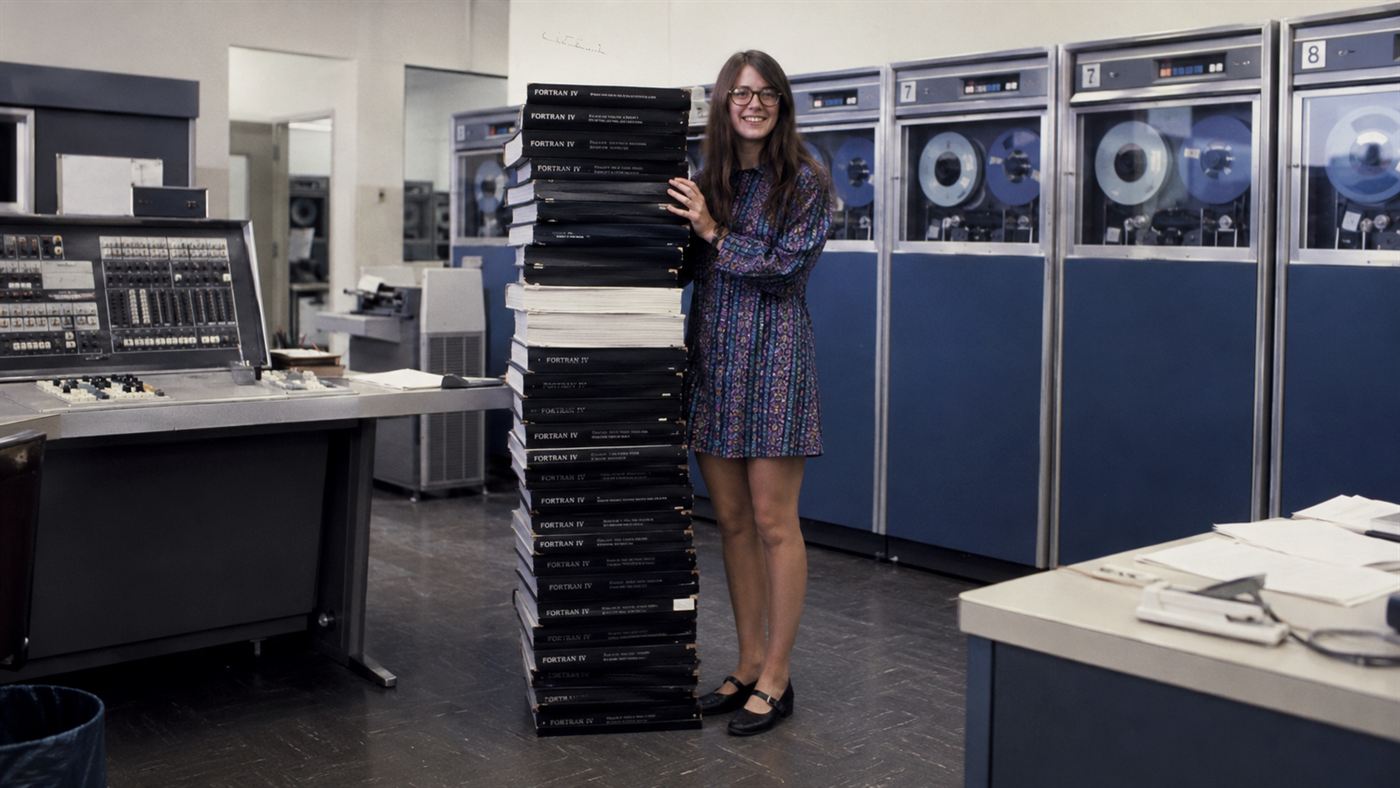

Bruno writes about energy, industry and the big machines that run the modern world, with an eye for the human story behind the engineering.