NASA just named the Artemis III crew, and quietly confirmed they will not land on the Moon
For years Artemis III was the mission that was going to put people back on the lunar surface, the first boots there since 1972. In June 2026 NASA finally introduced the four astronauts who will fly it, and in the same breath revealed something few headlines expected. The mission has changed. It is now a milestone and a quiet climbdown at the same time.
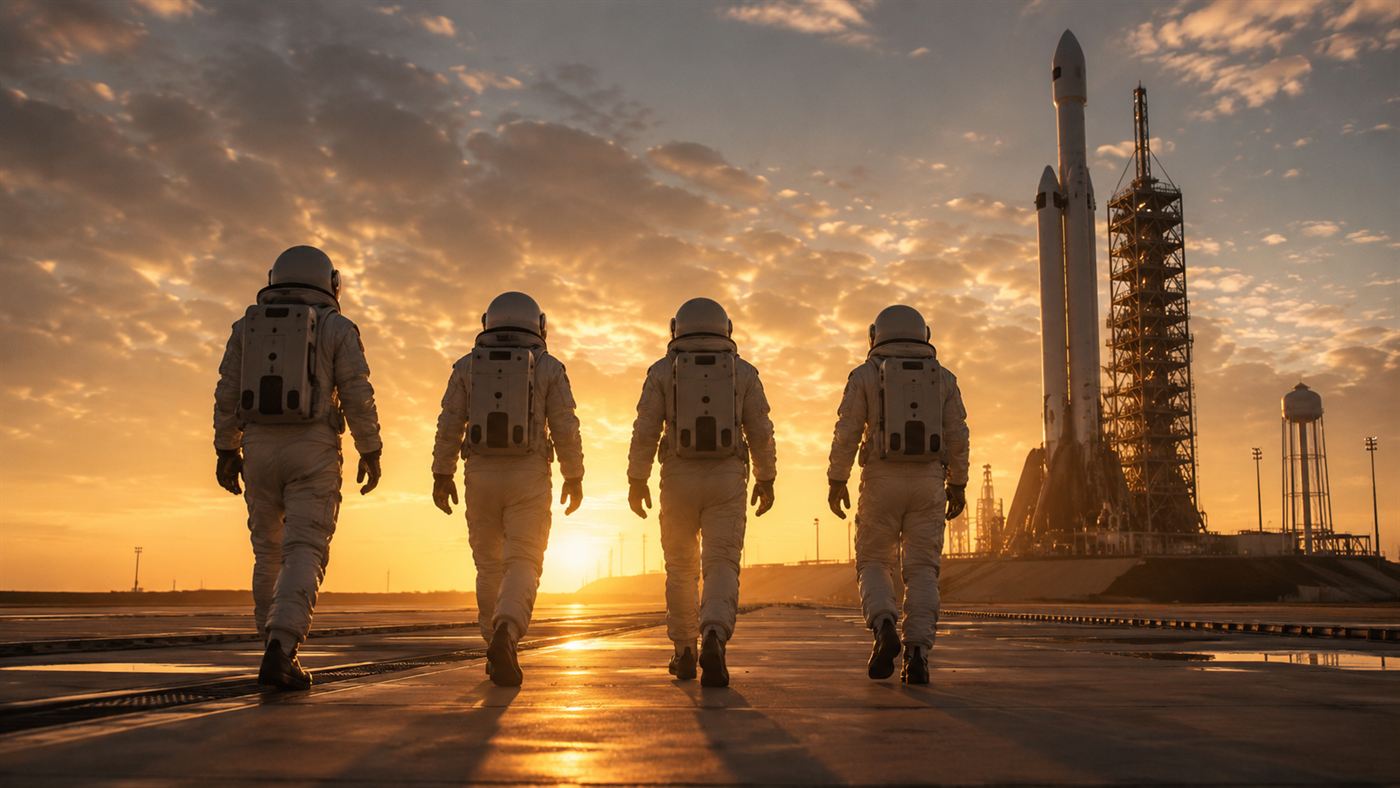
The four astronauts assigned to fly a mission that is no longer quite the one it was sold as. Illustration: Watts & Wild.
The short version is this. On June 9, 2026, NASA named the Artemis III crew, commander Randy Bresnik, pilot Luca Parmitano of the European Space Agency, and mission specialists Frank Rubio and Andre Douglas. In the same update the agency confirmed that Artemis III will no longer attempt a lunar landing. Instead it will fly a demonstration in low Earth orbit in 2027, and the actual return to the surface slips to a later flight.
That is a big shift from the plan the public had been sold. Artemis III was for years described as the flight that would land the first woman and the first person of color near the Moon's south pole. The mission now carries an all-male crew and, more strikingly, no landing at all.
It is worth sitting with both halves of that sentence, because this is genuinely good news and disappointing news braided together.
What the Artemis III mission is now
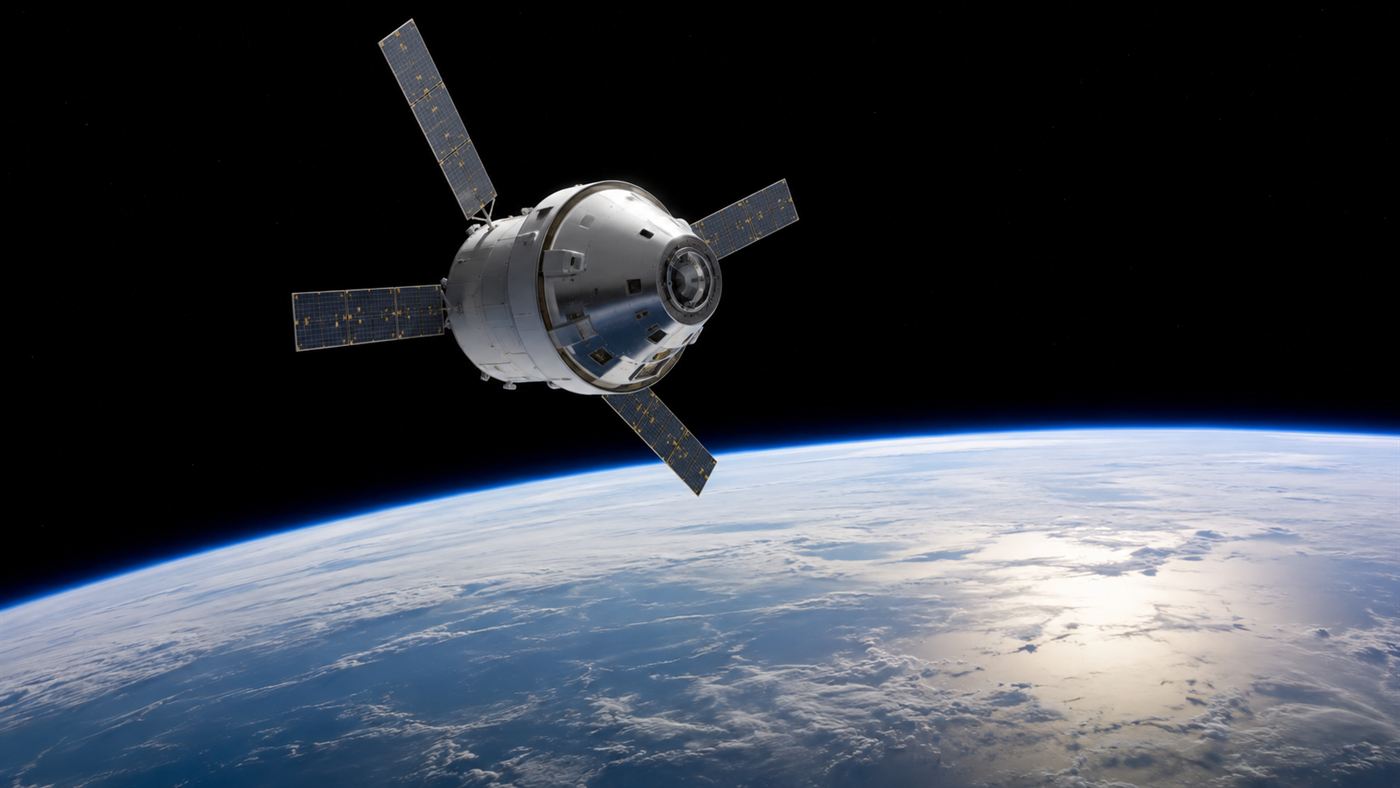
Under the revised plan, the four astronauts will launch on the Orion spacecraft atop the Space Launch System rocket from Kennedy Space Center. But rather than heading for deep space, they will stay close to home, in orbit around the Earth. Their job is to rendezvous and practice docking with test versions of the commercial landers being built to carry people down to the surface, the Human Landing System craft from SpaceX and Blue Origin.
In other words, Artemis III has become a dress rehearsal for the descent rather than the descent itself. It is a demonstration in low orbit, not boots on the ground, a chance to prove that Orion and a lander can find each other and lock together before anyone trusts that dance a quarter of a million miles away.
So why isn't Artemis III a Moon landing?
The honest reason is that the pieces are not ready. A crewed landing needs a lander that can safely carry people down and back up, and those vehicles, being developed by SpaceX and Blue Origin, are still deep in testing. Rather than hold the whole program hostage to hardware that has not yet flown, NASA chose to send its people up now to practice the parts that can be practiced, and to wait on the parts that cannot.
Seen coldly, that is a schedule slipping again, one more delay in a program that has known many. Seen more generously, it is a space agency deciding that getting there safely matters more than getting there first, and refusing to strap astronauts to a landing system before it has earned that trust. Both readings are fair, and the truth sits somewhere between them.
When do people actually walk on the Moon again?
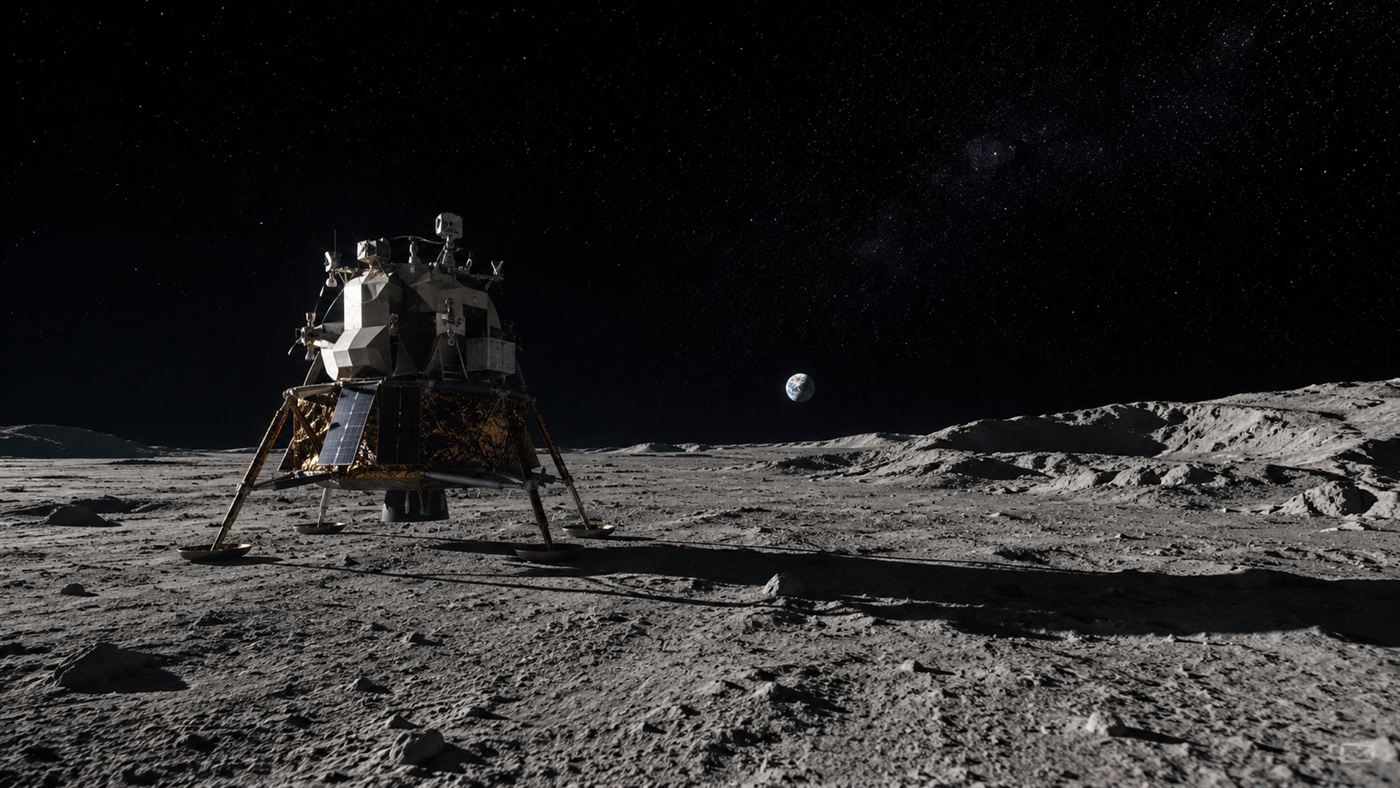
Under the new sequence, the first crewed landing of the Artemis program moves to Artemis IV, currently targeted for 2028. If it holds, that flight would put humans on the lunar surface for the first time since Apollo 17 left in December 1972, a gap of more than half a century. The south pole is still the destination, chosen because its permanently shadowed craters are thought to hold water ice that a long-term base could one day use.
So the goal has not been abandoned, only pushed down the road and split into safer steps. Artemis III proves the docking, a later flight brings the landing. It is a more cautious choreography than the bold single leap once advertised, and whether 2028 itself holds is very much an open question given the program's history.
The honest catch
The temptation is to read this as either triumph or failure, and it is neither. Naming a crew is a real and stirring moment, and testing the hardware step by step is exactly how you avoid killing people in space. There is genuine maturity in NASA refusing to rush. This is not a program in collapse, it is a program being honest about how hard the next part is.
But the catch is real too. A mission long sold as history, the return to the Moon and the first woman to stand on it, has quietly become an orbit test with an all-male crew, and the landing everyone pictured has moved to a year that may itself move again. The promise that slipped is worth naming plainly, not to sneer, but because a space agency that overpromises loses the public trust it runs on. The astronauts are ready. The Moon, for a little longer, will have to wait.
Sources: CNN on the announcement, NPR, and NASA.
A crew is chosen, the rocket is real, and yet the Moon has quietly moved out of reach for one more mission. Would you rather NASA slow down and get it right, or push for the landing now and accept the risk? Tell us what you think in the comments.
Related reading: the Saturn V, the monstrous rocket that carried the last people to walk on the Moon. See also Margaret Hamilton, whose code kept Apollo 11 from aborting its landing, and the electric car astronauts once drove across the lunar surface.