Dared to go fully green in ten years, a windswept island of Danish farmers bought their own wind turbines and made Samsø the first place on Earth to run on renewable energy
When the Danish government challenged a small farming island to go fully renewable, nobody expected much. The islanders of what became the Samso renewable energy island were not activists, just farmers and tradespeople. But instead of waiting to be saved, they put their own money into the wind, and ended up showing the whole world how it is done.
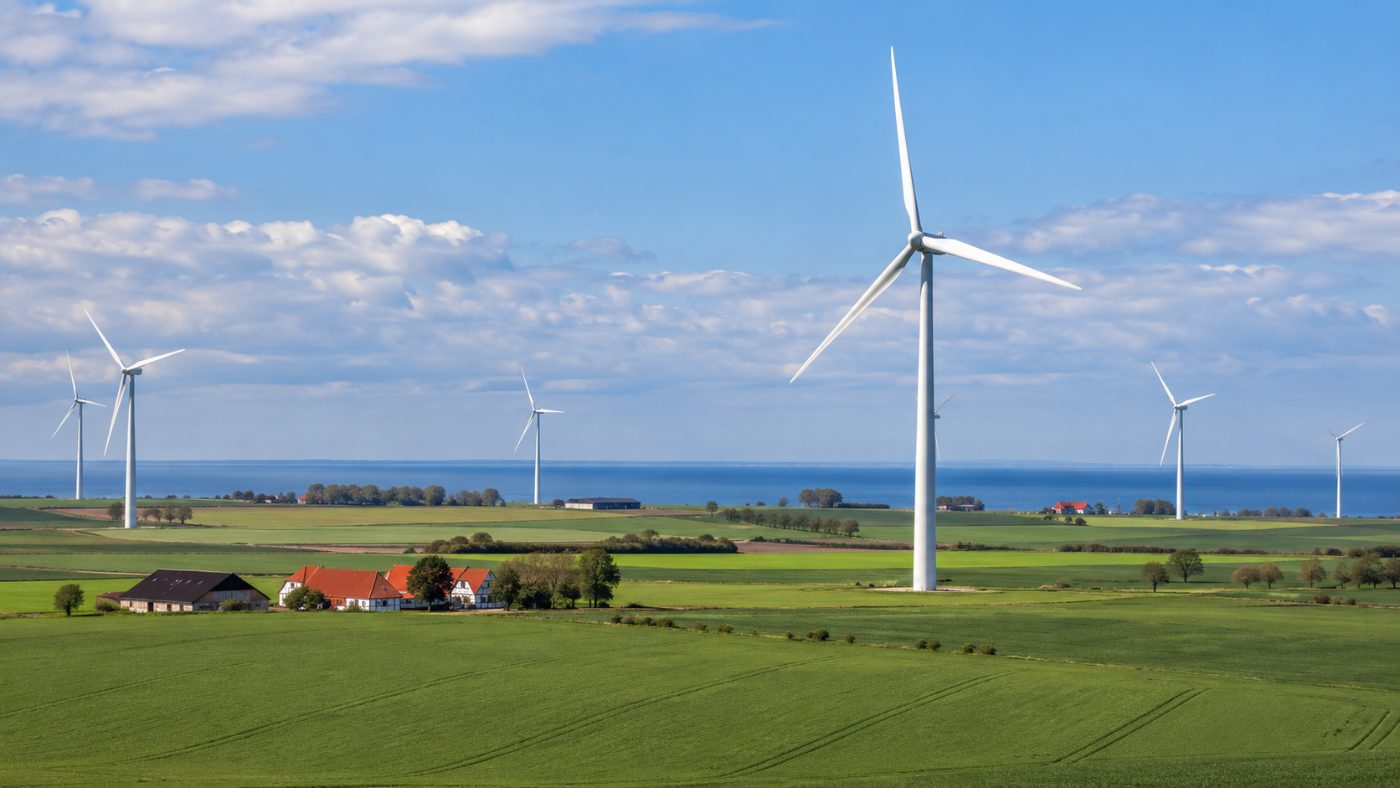
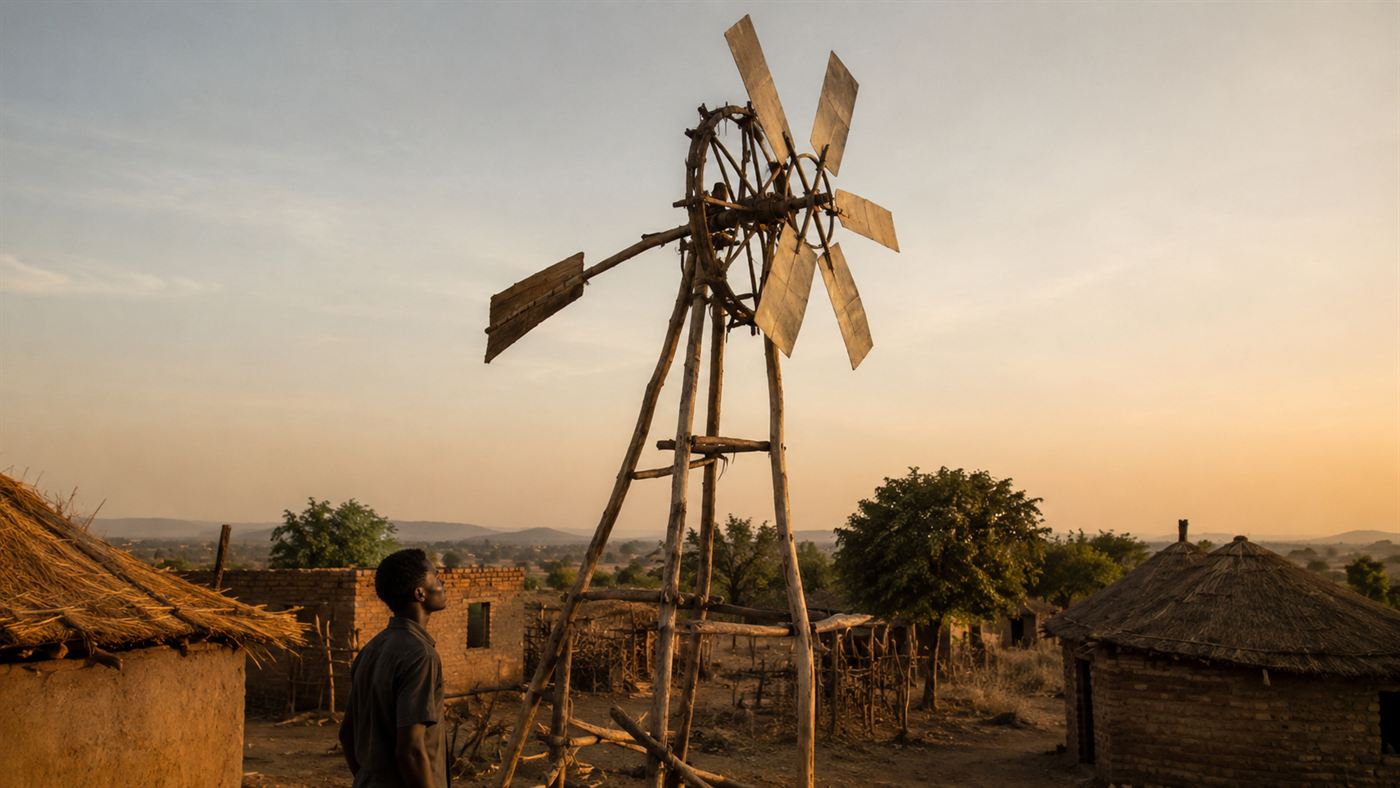
On Samsø, the wind turbines are owned by the farmers and neighbours who live beneath them. Illustration: Watts & Wild.
In 1997, fresh from signing the Kyoto climate agreement, Denmark held an unusual contest. It asked which corner of the country could switch entirely to renewable energy within ten years, on its own. The winner was Samsø, a flat, windswept island of about 3,900 people who mostly grew potatoes and raised pigs, and who until then had run on coal-fired electricity piped from the mainland and oil burned in their boilers.
On paper it was an odd choice. There was no university, no green movement, no obvious head start. What Samsø had was wind, and a stubborn idea that the islanders should own the answer themselves. Within a decade they had pulled it off. By 2007, certified by the Danish Energy Agency, Samsø was producing all of its electricity and heat from renewable sources, the first place in the world to reach that mark, and it had done so largely by selling shares in wind turbines to its own residents.
The farmer who talked an island into the wind
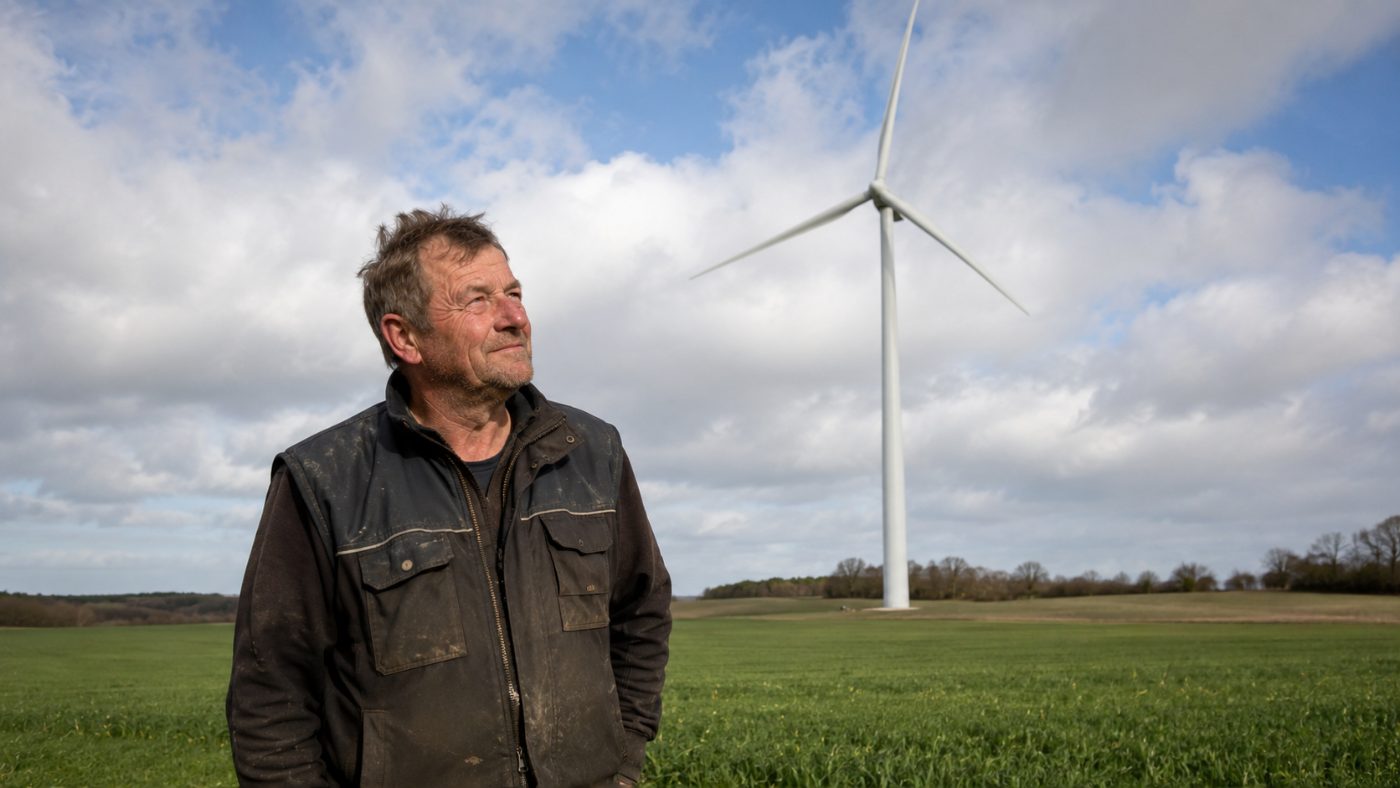
Every account of Samsø comes back to one man. Søren Hermansen was a local vegetable farmer who took a job as the island's energy adviser and became the quiet engine of the whole thing. He did not arrive with slogans. He went farm to farm and kitchen to kitchen, and made the case not as an environmental crusade but as a smart investment and a point of local pride.
His approach was simply to make the transition belong to the islanders. People protect and back what they own, and Hermansen understood that a turbine the neighbours had paid for was a very different thing from one a distant company had imposed. He now runs the Samsø Energy Academy, which each year hosts thousands of visitors who come to learn how a community talks itself into its own energy future.
The island where everyone owns the wind
The ownership is the heart of the story. As Reasons to be Cheerful reported, local farmers own nine of the island's eleven onshore wind turbines, with cooperatives owning the other two, and residents who could not afford a whole turbine bought shares in one. The turbines were not an outsider's eyesore on the horizon. They were the neighbours' pension.
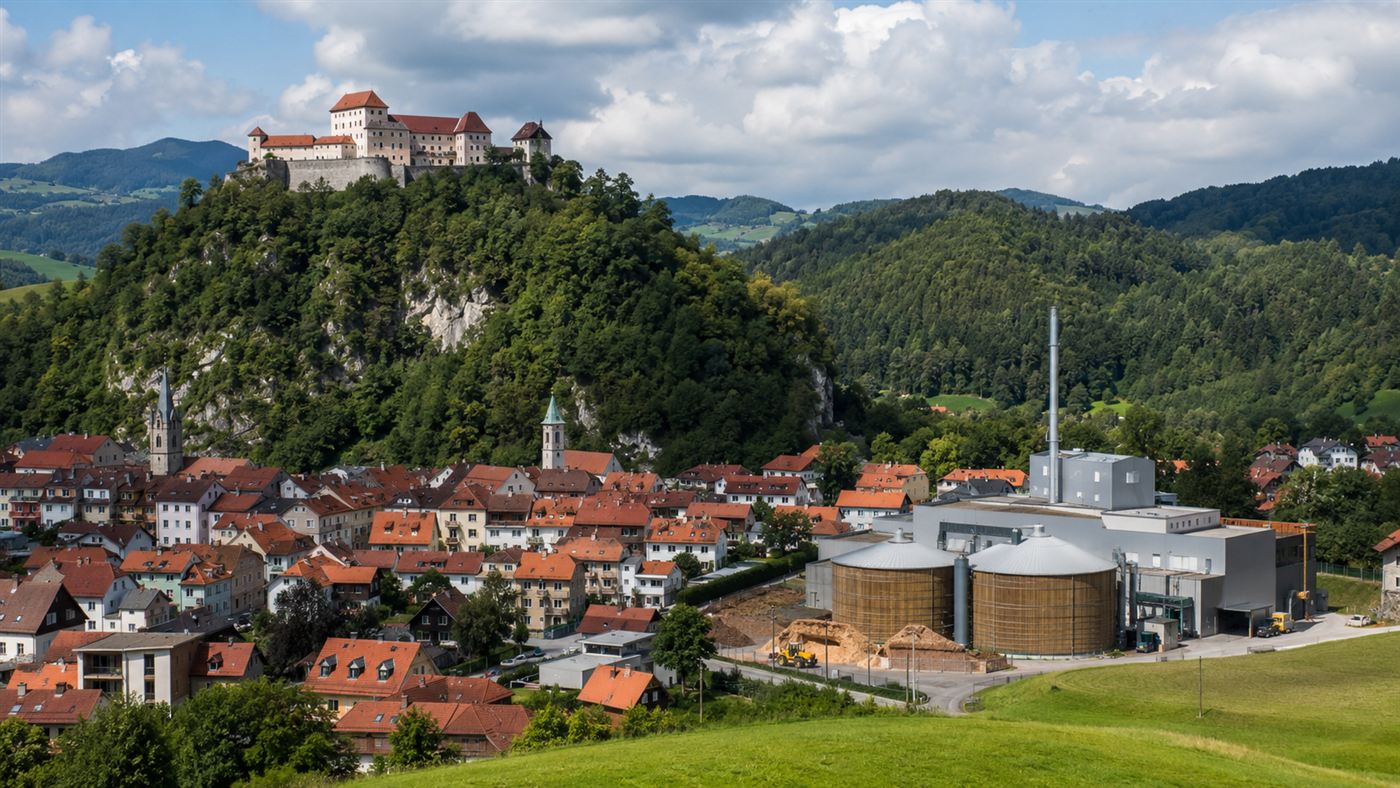
Heat followed the same logic. Oil boilers gave way to district heating plants that burn straw and wood chips from the island's own farms, topped up by rows of solar panels. The fuel for keeping Samsø warm now literally grows in its fields, and the money once sent away for oil largely stays at home.
Better than zero
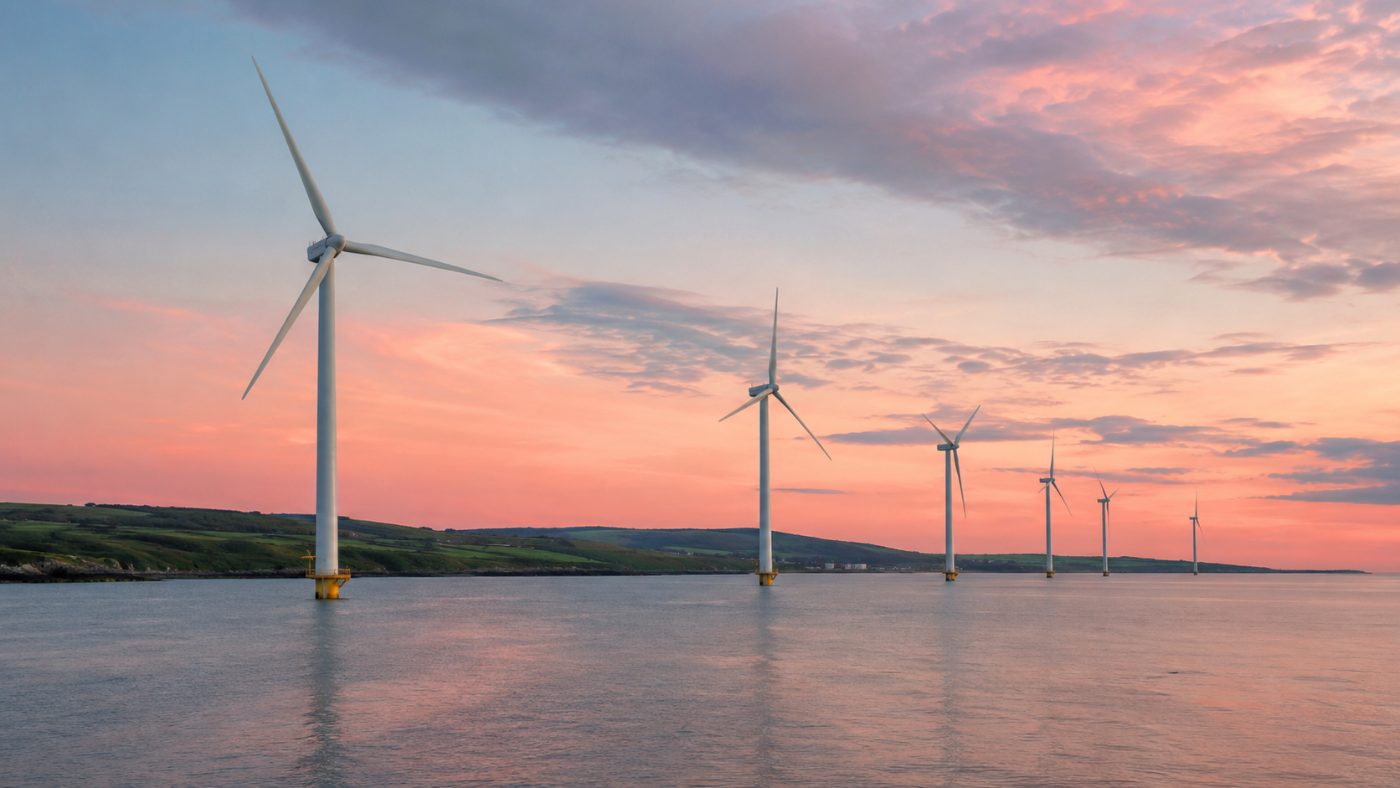
Clean electricity was only part of the job. Samsø still had cars, tractors and a ferry burning diesel, and there was no easy way to electrify all of that in the 2000s. So the island did something clever: it built ten large wind turbines out at sea, and exports their surplus clean power to the mainland to cancel out the fossil fuel it still burns on land.
As the Rapid Transition Alliance has documented, that pushed Samsø past carbon neutral into carbon negative. The island went from emitting around 11 tonnes of carbon dioxide per person before the project to roughly minus four tonnes per person, and today it makes more energy than it uses, a tiny patch of farmland quietly running an energy surplus.
The honest catch: 100 percent renewable is not quite fossil-free
It is worth being precise about what Samsø achieved, because the headline number hides an asterisk. The island's electricity is fully renewable, and its offshore turbines offset the fuel still used for transport, so on an annual balance it comes out carbon negative. But cars, tractors and the ferry do still burn diesel. Samsø is carbon negative on the books, not literally fossil-free, which is exactly why its current target is to become genuinely fossil-free by 2030.
As The Energy Mix has reported, the island is still chasing that last stretch. And the model is harder to copy than it looks. Samsø had unusually strong wind, a small and tightly knit community, the right era of Danish energy subsidies, and a leader who knew almost everyone by name. The turbines, now around two decades old, will also soon need replacing. The lesson travels, but it is not a kit you can simply unpack anywhere.
Why the Samso renewable energy island still matters
Samsø's real export has never been electricity. It is proof. At a moment when the energy transition is usually argued about from the top down, in summits and subsidies, a few thousand Danish farmers showed the version that starts at the bottom, with people who chose to own a piece of the solution and were rewarded for it. The wind was always there. What changed was who it belonged to.
The secret of Samsø was not the wind but who owned it. If you could buy a share of the power plant down the road and watch it pay you back, would you back the green switch faster? Tell us what you think in the comments.
Related reading: China just built a 26 MW offshore wind turbine with a 310-metre rotor, smashing the old 20 MW record while Western makers stalled near 18 MW.