A dying Austrian town was bleeding money on imported fuel, so it stopped buying energy from the outside world and learned to power itself on the wood from its own forests
The town was poor, emptying out, and quietly shipping a fortune away every year just to keep its lights on and its houses warm. Its answer was not a bailout or a new factory, but a stubborn decision to keep that money at home by making its own energy.
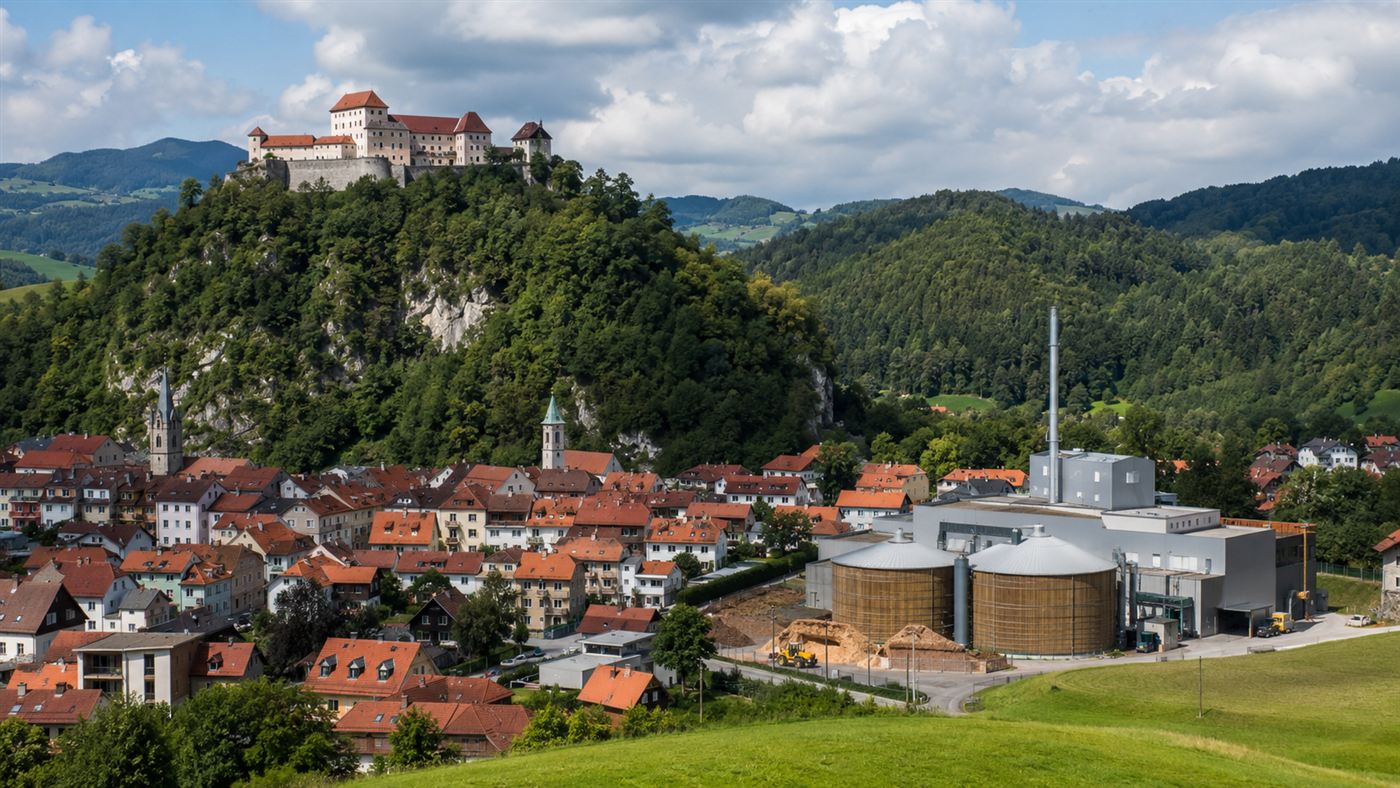
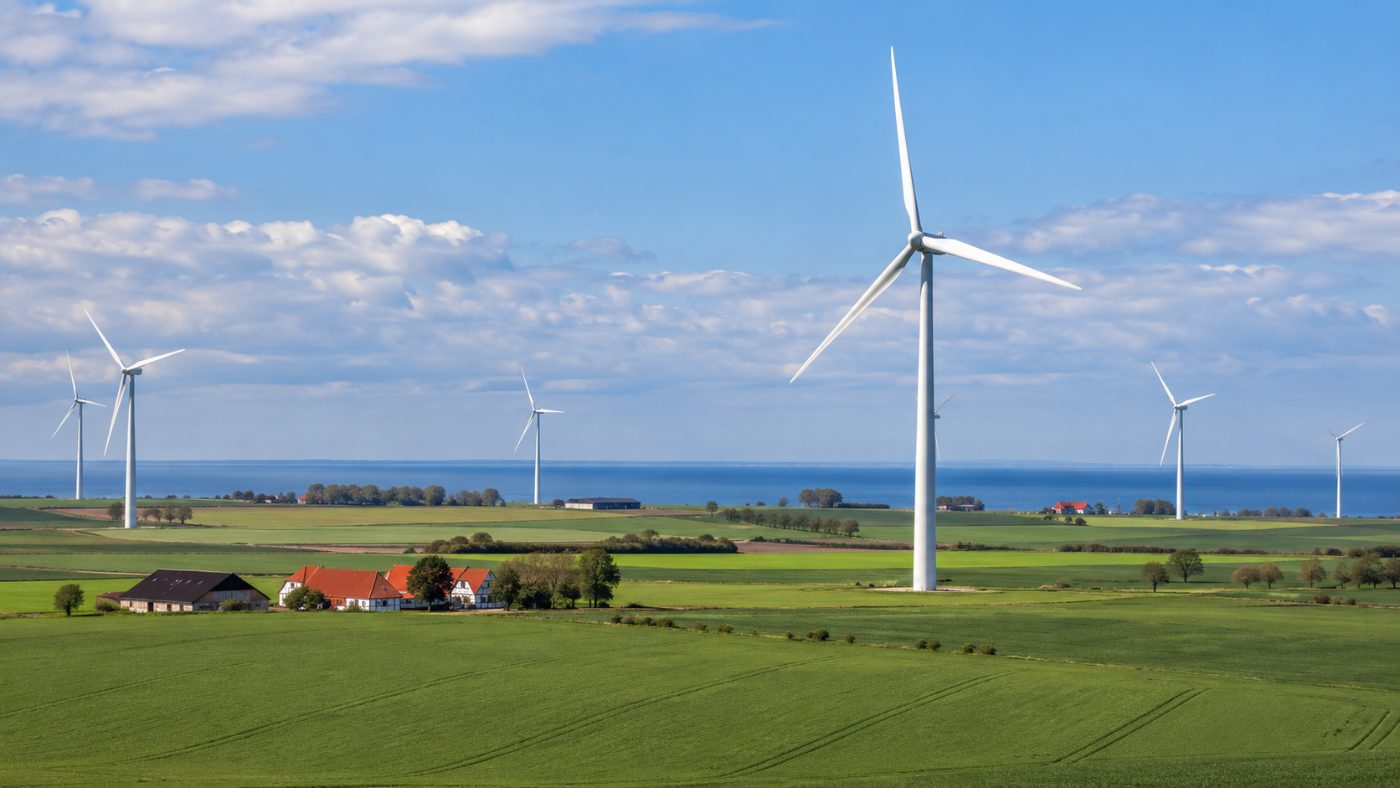
Gussing, ringed by the forests that now heat and power it. Illustration: Watts & Wild.
At the end of the 1980s, the small town of Gussing, tucked into the far east of Austria near the Hungarian border, was about as bleak as a European town gets without quite dying. Few people then would have picked it as the future home of an energy self-sufficient town. It had no real industry, poor road and rail links, and so few jobs that most of its working people commuted away or simply left. As RMI recounted in telling the town's story, its leaders worked out that millions of dollars were leaving the local economy every year, paid out just to buy heating oil and fuel from elsewhere. That was the insight that changed everything. The town was not only poor, it was actively bleeding money to keep warm.
So in 1990 Gussing made a decision that sounded almost defiant. It would stop buying energy from the outside world at all.
Plugging the leak
The first moves were unglamorous and cheap.
The town insulated its public buildings properly and swapped in efficient lighting, and just by wasting less it cut the energy its buildings needed by roughly half.
That alone kept a chunk of money in town, and it bought the credibility to try something bolder.
Why pay a distant oil company, the thinking went, when you are surrounded on every side by forest.
From there Gussing started building its own supply out of what it actually had.
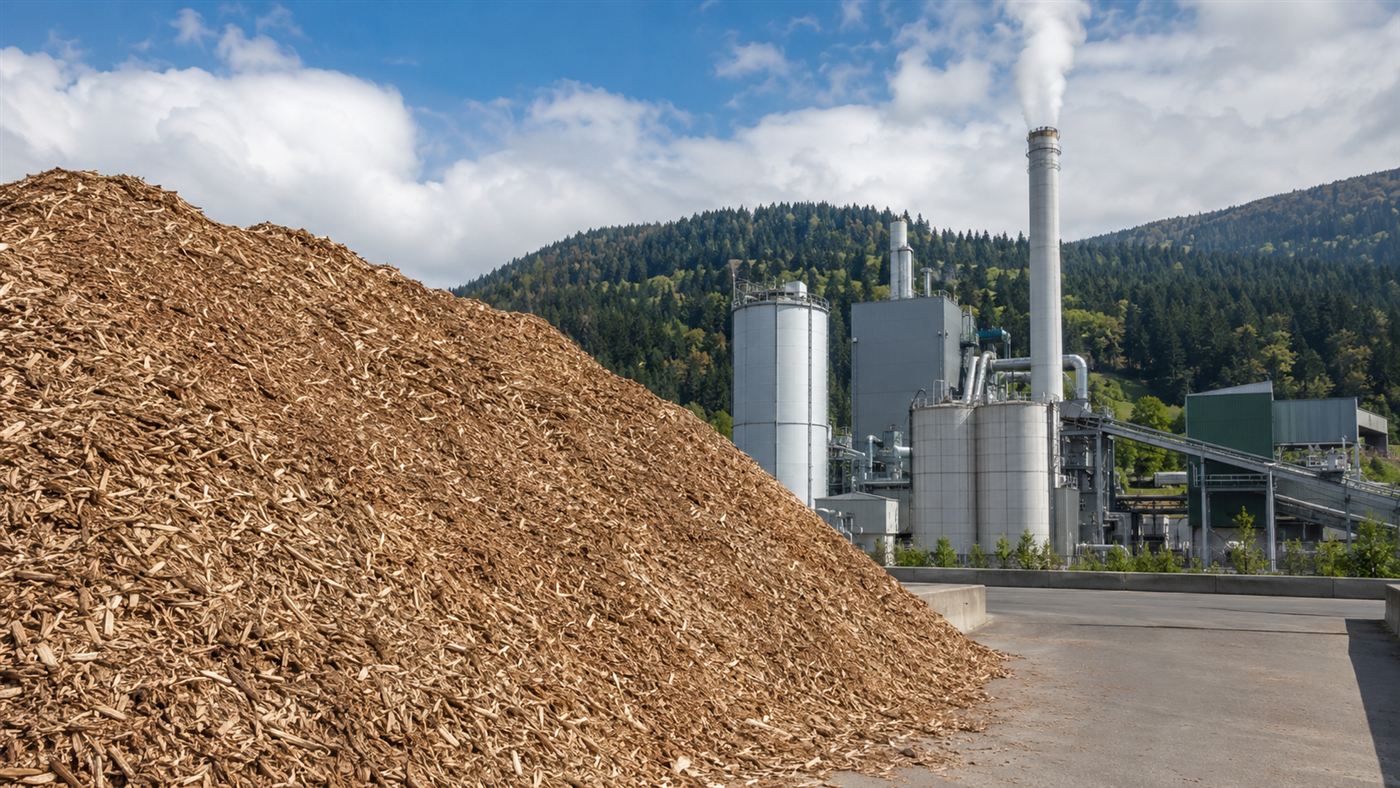
It made biodiesel from local rapeseed, then set up district heating systems that burned wood chips to pipe warmth straight into homes and businesses.
The fuel was no longer arriving by tanker from far away.
It was growing on the hills around the town.
Turning wood into electricity
The centrepiece came in 2001, and it was genuinely a world first.
Instead of simply burning the wood, the plant heats it in a way that turns it into a combustible gas, which is then used to generate both electricity and heat at the same time, squeezing far more useful energy out of every log.
The effect on the town was the thing that made the world pay attention.
Gussing went from importing all of its energy to producing more renewable energy than it consumes, turning a town that used to send its money away into one that exports power.
Heat in the town became something like a third cheaper than before, and that cheap, local, reliable energy turned out to be a magnet.
How an energy self-sufficient town brings the jobs back
This is the part that turns a green case study into a human one.
A dying town that had been losing its people suddenly had something valuable to offer businesses: locally produced energy that was cheap and would not lurch with the global oil price.
As the European Commission's regional policy account describes, the so called Model Gussing drew dozens of companies to the area and helped create on the order of a thousand new jobs, including a solar panel manufacturer and a cluster of clean energy firms, alongside a European research centre for renewable energy and a steady stream of officials and tourists coming to see how it was done.
Reverse the order of cause and effect and you see why it mattered.
Gussing did not get rich and then go green.
It went green, kept its own money circulating at home, and got less poor as a result, with the energy decision quietly doing the work that decades of waiting for outside investment never had.
The honest catch
It would be easy to oversell this, and plenty of people have, so it is worth being clear about the limits.
Gussing's miracle runs on wood, and that is both its strength and its catch.
The town can do this because it sits in a thinly populated region wrapped in forest, with far more growing timber nearby than its people could ever burn.
Try to copy the model in a dense city, or imagine every town on Earth deciding to heat itself by burning trees, and the maths falls apart fast, because there simply is not enough sustainable wood to go round, and leaning too hard on forest biomass can quietly turn from a climate fix into a pressure on the very forests that store carbon.
There are practical cracks too.
The pioneering gasification plant was a demonstration project as much as a workhorse, and over the years it went through technical troubles and stretches offline, and the wider success leaned on generous Austrian and European green subsidies that not every place can count on.
So Gussing is not a switch that any town can simply flip.
What it really proved is narrower and arguably more useful.
It showed that a poor, forgotten place does not have to wait to be rescued, that the money a community spends importing energy is a leak it can choose to plug, and that the resource sitting unnoticed all around you might be the thing that brings the town back to life.
A broke little town stopped sending its money away to buy fuel, started making its own energy from the forest around it, and pulled a thousand jobs back home in the process.
If your town could keep all the money it spends on energy circulating locally instead, what do you think it would do with it? Tell us what you think in the comments.
Related reading: A windswept island of Danish farmers bought their own wind turbines and became the first place on Earth to run on renewable energy.

Bruno Teles is an energy and industry journalist at Watts & Wild, covering power, batteries, and electric mobility seen through the battery and the range. More from Bruno Teles.