A burst canal accidentally flooded a California desert in 1905 and created the Salton Sea, which became a glamorous resort, then a toxic graveyard, and may now become America's Lithium Valley
In 1905 the Colorado River broke loose and poured into a desert basin for a year and a half, creating California's largest lake entirely by mistake. It became a boom resort, then a poisoned ruin. Now it sits on top of a lithium fortune.

The Salton Sea's shoreline today, a crust of salt and dead fish bones. Illustration: Watts & Wild.
Few places on Earth carry a story quite as strange as the Salton Sea. It is a huge lake in the middle of a California desert that should have no lake at all, a body of water nobody planned, nobody wanted in the end, and yet cannot stop making headlines. In a single century it went from bone-dry sink, to accidental sea, to celebrity playground, to environmental catastrophe, and now to the front line of the electric car revolution. Almost none of it was on purpose.
The whole saga began with an engineering blunder on the Colorado River. As EARTH Magazine has recounted, floodwaters overran a poorly built irrigation intake in 1905 and the river simply changed its mind, abandoning its old path to the Gulf of California and rushing instead into the low, dry Salton Sink. For about eighteen months, the entire Colorado River emptied into the desert.
The Salton Sea is California's largest lake, in the desert of Imperial and Riverside counties. It was created by accident in 1905 when the Colorado River breached a canal and flooded the Salton Sink, and after a mid-century resort boom it became a toxic, shrinking hazard whose shores are now the focus of a lithium rush called Lithium Valley.
What is the Salton Sea?
Stretched out across the desert about 60 kilometers long and 40 wide, the Salton Sea is far bigger than most people expect a "mistake" to be. It sits below sea level in a basin that has flooded and dried many times over geological history, whenever the Colorado River wandered. What makes the modern lake different is that it filled in living memory, in front of cameras and newspapers, and then had nowhere to drain.
That last detail is the key to everything that followed. The Salton Sea has no natural outlet. Water arrives, mostly as farm runoff from the surrounding Imperial Valley, and leaves only by evaporating under the brutal desert sun. Anything the water carries in, salt and fertilizer and chemicals, stays behind and concentrates, year after year, in a lake that slowly cooks itself.
How the Salton Sea was created by accident
The 1905 breach was not a freak of nature so much as a failure of haste. Irrigation companies racing to green the Imperial Valley had cut a shortcut intake from the Colorado River to feed their canals, and when the river ran high it tore straight through the flimsy works. Two new rivers, the New and the Alamo, carved themselves across 60 miles of desert and dumped the flow into the sink.
Stopping it took an industrial war. As documented in the history of the disaster, the Southern Pacific Railroad finally closed the breach on February 11, 1907 after dumping tons of rock, gravel and rubble from trains into the gap. By then the desert held a brand-new inland sea, and the Colorado River was back in its banks, having accidentally built the largest lake in California on its way past.

The resort boom that rose and fell
For a while, the accident looked like a gift. In the 1950s and 1960s the Salton Sea became one of California's hottest destinations, a desert Riviera of marinas, motels and yacht clubs. At its peak it reportedly drew around 1.5 million visitors a year, more than Yosemite, and its shores hosted the likes of Frank Sinatra and President Eisenhower. Towns like Bombay Beach and Salton City sold the dream of waterfront living in the sun.
The dream curdled fast. As the water grew saltier and more polluted, the fish began to die in enormous numbers, washing up in reeking drifts that emptied the beaches. Storms flooded the low-lying resorts, the tourists stopped coming, and by the 1980s the glamorous towns were sliding into the ghostly ruins that photographers love today. The Salton Sea became a symbol of the American boom that turned to rot.
Why the Salton Sea turned toxic
The lake's sickness is a slow chemistry problem. With no outlet and shrinking inflows, the Salton Sea keeps getting saltier than the ocean, and the concentrated farm runoff feeds algae blooms that strip oxygen from the water. The result has been repeated mass die-offs of fish and of the migrating birds that depend on the lake, a major stop on the Pacific Flyway, including outbreaks of avian botulism.
As the lake retreats, it leaves behind an even nastier legacy: a growing ring of exposed lakebed, or playa, laced with a century of accumulated chemicals. Desert winds lift that dust into the air, and the surrounding Imperial Valley now suffers some of the worst childhood asthma rates in California. The tragedy is that the same evaporation that is killing the lake is what exposes the poison, so the Salton Sea becomes more dangerous precisely as it disappears.
Lithium Valley and the geothermal brine gamble
Then came the plot twist nobody saw coming. Deep beneath the southern end of the lake lies a geothermal field, where superheated, mineral-rich water sits in the rocks, and that geothermal brine turns out to be extraordinarily rich in lithium, the metal at the heart of every electric-car battery. Overnight, a dying lake became a strategic resource.
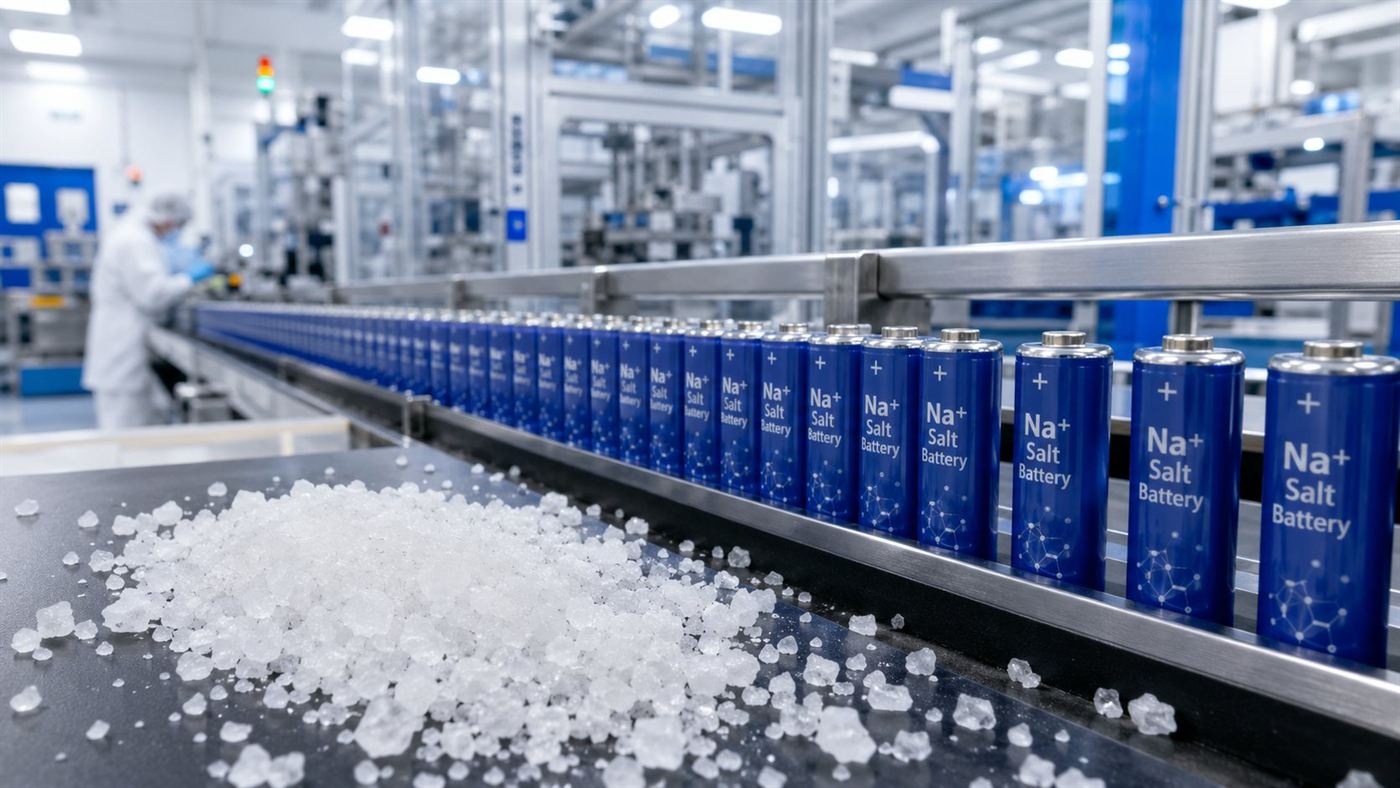
As CalMatters has reported, the U.S. Department of Energy estimates the brine holds more than 3,400 kilotons of lithium, enough in principle for over 375 million EV batteries. Developers now call the area Lithium Valley, and the flagship Hell's Kitchen project aims to pull lithium straight from the geothermal brine while generating clean geothermal power at the same time, a two-for-one that could reshape the region. This is the same clean-energy hunger driving new battery chemistries like the gigawatt-hour vanadium flow battery and the sodium-ion cars built to undercut lithium.

Can lithium save the Salton Sea?
It is tempting to imagine lithium riding to the rescue, but the honest answer is more complicated. Pulling lithium from geothermal brine could bring billions of dollars and thousands of jobs to the Imperial Valley, one of California's poorest regions, and pairing it with geothermal power is genuinely promising. Yet none of that money automatically puts water back in the lake. The mining and the lake's survival are two different problems that happen to share a shoreline.
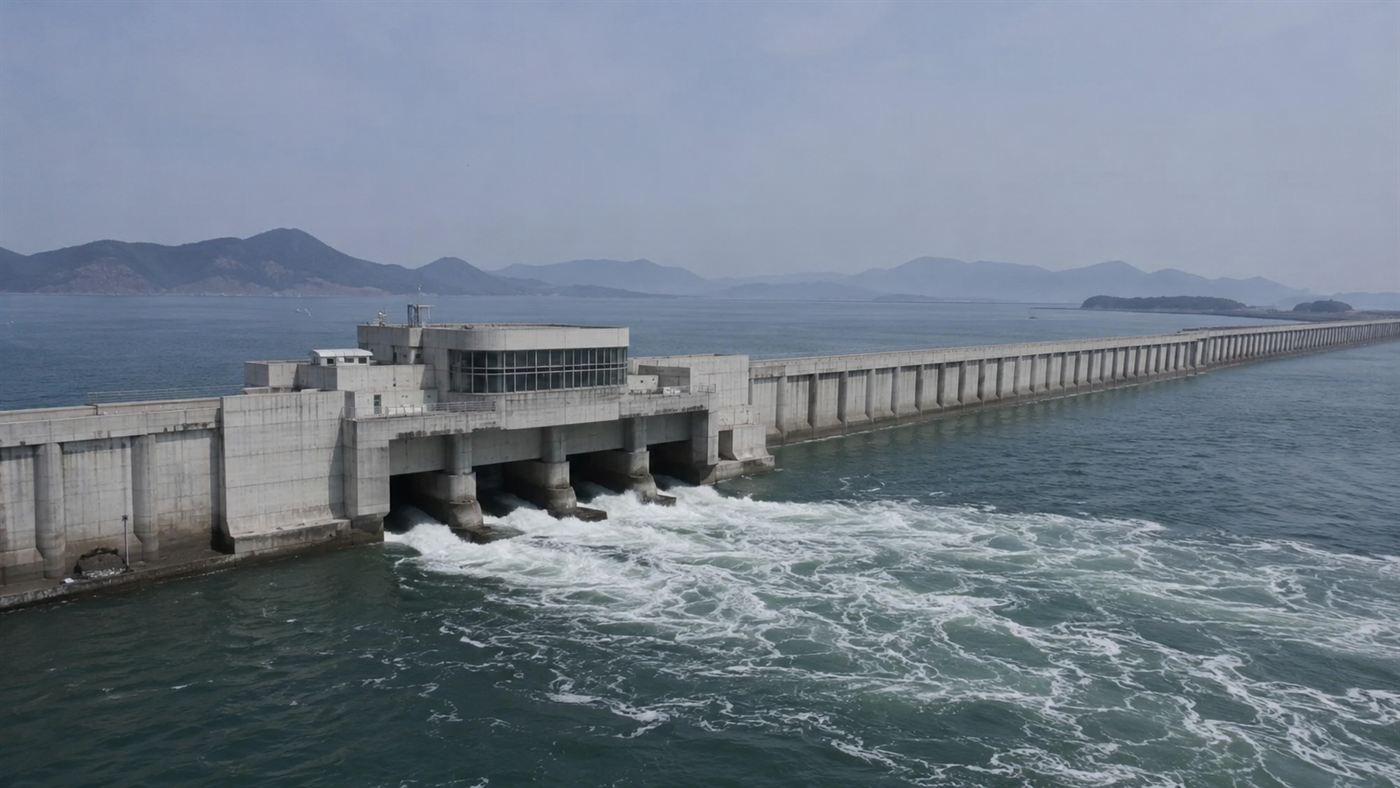
There is real hope here, and real reason for caution. Direct lithium extraction from brine has never been run at this scale before, the water and dust crisis in the Imperial Valley is still worsening, and residents who have watched outsiders profit from their region for a century are wary of promises. Whether Lithium Valley becomes a genuine revival or another boom that leaves the locals holding the dust is still being decided. The parallel that haunts and inspires the place is South Korea's Sihwa Lake, where a ruined, poisoned lake was turned into the world's largest tidal power station.
The honest catch
The neat arc of accident, ruin and redemption is seductive, and it oversimplifies a messy reality. The lithium is real and the estimates are large, but turning a Department of Energy resource figure into actual, affordable battery metal is a long and unproven road, and the first plants are only now breaking ground. It is a promising bet, not a done deal.
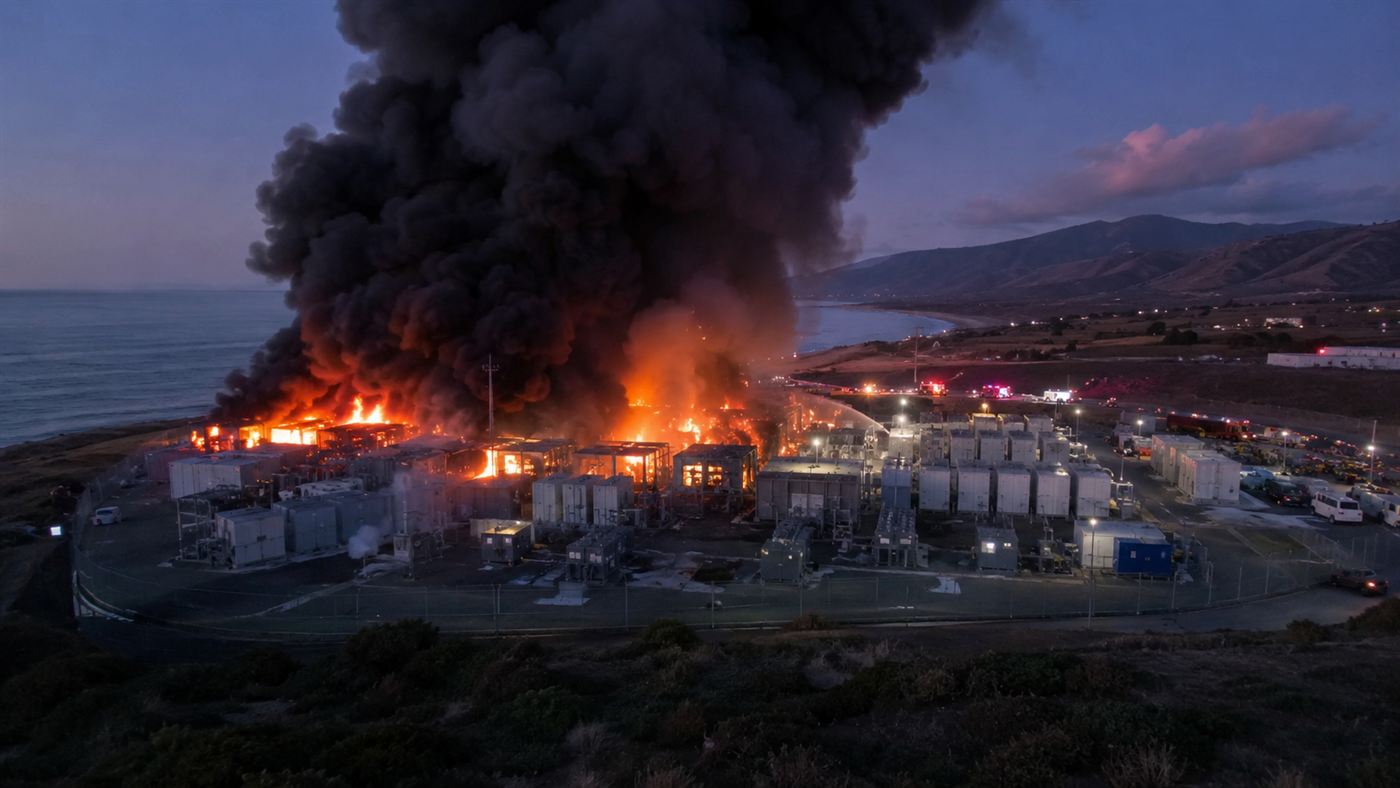
Meanwhile the Salton Sea itself keeps shrinking and the toxic dust keeps blowing, no matter how the lithium story ends. The people who live around it need clean air and a stable shoreline now, not just a share of a future battery boom, and the danger is that the world cares about the lake only for what can be extracted from beneath it. The most honest way to see the Salton Sea is not as a fairy tale of redemption, but as an accident we are still learning to live with. Its fate now rides on the same lithium wave that follows every warning from a fire like the one at the Moss Landing battery plant.
A lake born from a mistake may end up helping to power the switch away from oil, even as it poisons the air of the people beside it. Should the lithium riches under the Salton Sea be required by law to pay first for fixing the lake and protecting the people who live there? Tell us in the comments.
Related reading: explore more from our Energy desk, where the search for cleaner power keeps turning up in the strangest places.