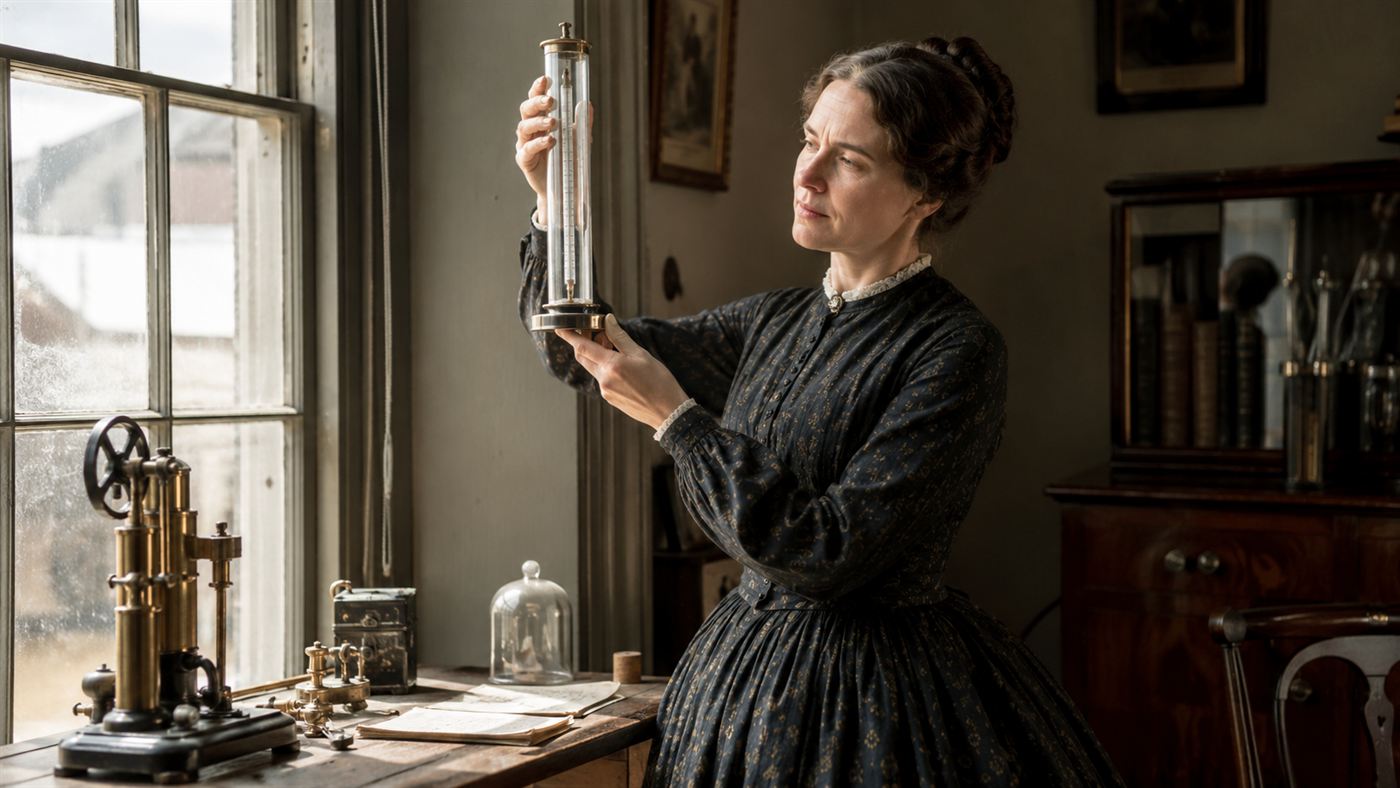
In 1948, decades before solar power was fashionable, an immigrant scientist named Maria Telkes heated an entire house through a New England winter using nothing but sunshine and salt
Long before rooftops filled with panels, a Hungarian-born scientist called Maria Telkes believed a house could be warmed by the sun alone. In 1948, working with an architect and a sculptor, she proved it in snowy Massachusetts, using a clever trick of melting salt to store the heat in the first solar house.
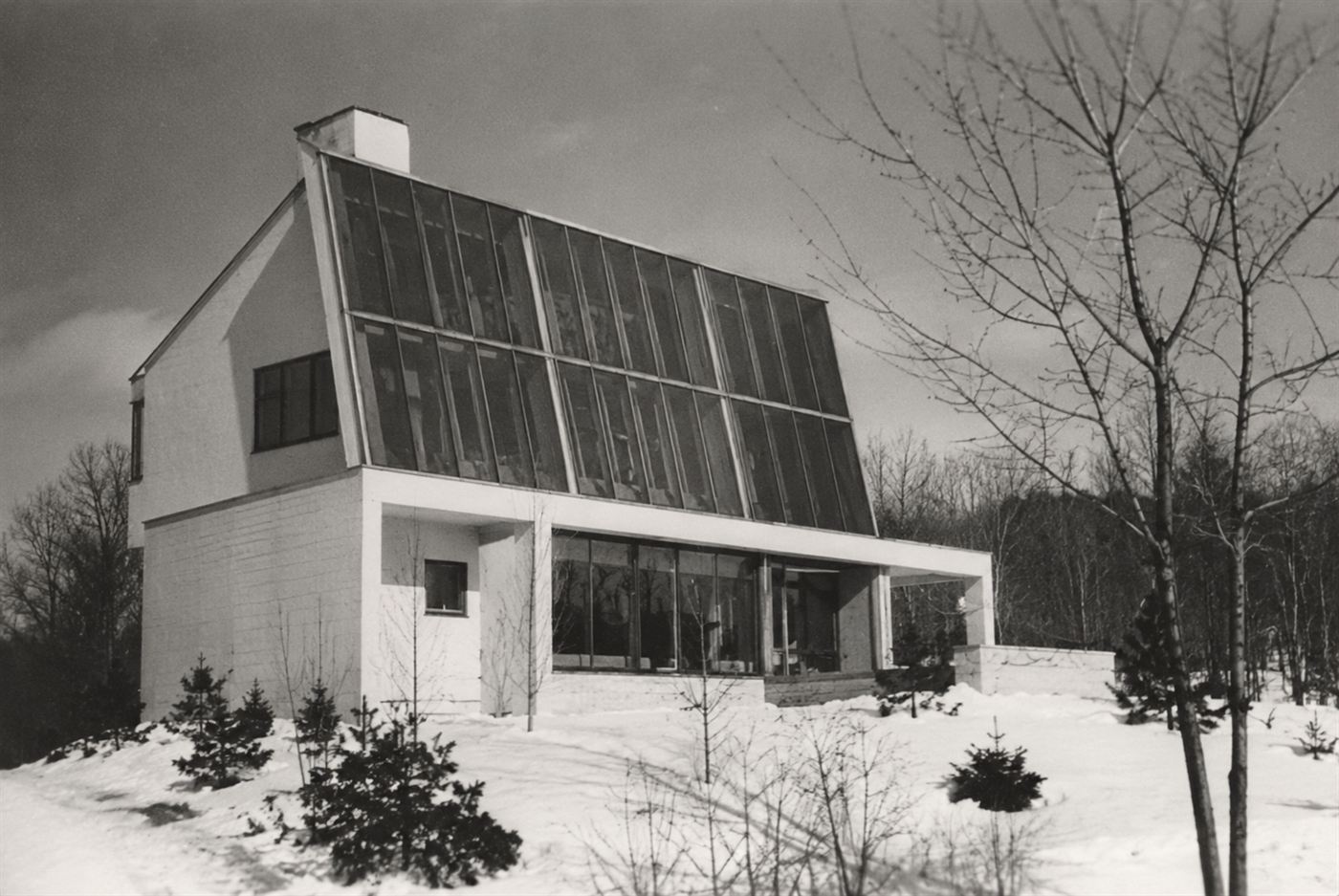
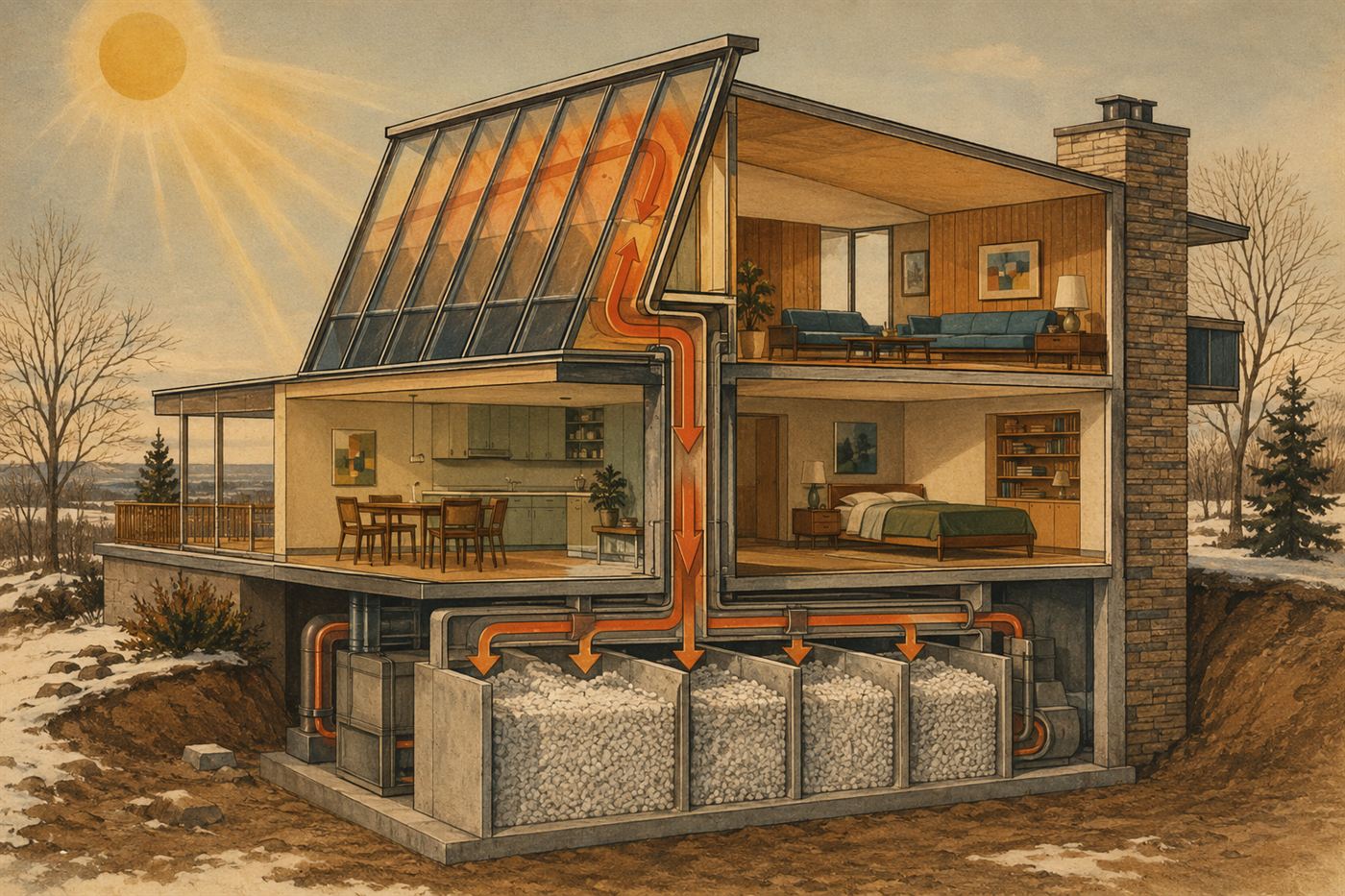
The Dover Sun House of 1948, heated entirely by the sun through a Massachusetts winter. Illustration: Watts & Wild.
In the winter of 1948, a family moved into a house in Dover, Massachusetts, that had no furnace, no oil tank and no coal cellar. Through the freezing New England nights, it was warmed entirely by sunshine that had been caught and stored during the day. This was the Maria Telkes solar house, one of the first homes on Earth heated purely by the sun, dreamed up by a scientist the world would come to call the Sun Queen.
The world would spend another seventy years slowly arriving at the idea Telkes had already built. For that, and for her stubborn faith in the sun, she earned a nickname that was half tribute and half tease: the Sun Queen.
Maria Telkes was a Hungarian-born scientist who pioneered solar energy in the United States. In 1948 she designed the heating system for the Dover Sun House, one of the first fully solar-heated homes, which stored the sun's warmth in melting Glauber's salt and kept a family warm through winter without any conventional fuel.
The woman they called the Sun Queen
Maria Telkes was born in Budapest in 1900 and moved to the United States as a young scientist.
She became fixed on a single idea, that the sun could do far more useful work than anyone bothered to ask of it.
Working at the Massachusetts Institute of Technology, she pushed for solar heating at a time when oil was cheap and almost nobody cared.
That conviction earned her a nickname, the Sun Queen, said with a mix of admiration and mockery.
She belongs to a line of women whose science was doubted in its day, much like Eunice Foote, who first linked carbon dioxide to a warming world.
The Maria Telkes solar house, built by three women
The Dover Sun House was an unusual project from the very start.
Three women built what may be the first home heated entirely by the sun, on a quiet plot in Dover, Massachusetts.
A family moved in on Christmas Eve 1948, into a house with no furnace anywhere in it.
From outside it looked modern and a little strange, a long wall of glass tilted up toward the low winter sun.
Sunshine stored in salt
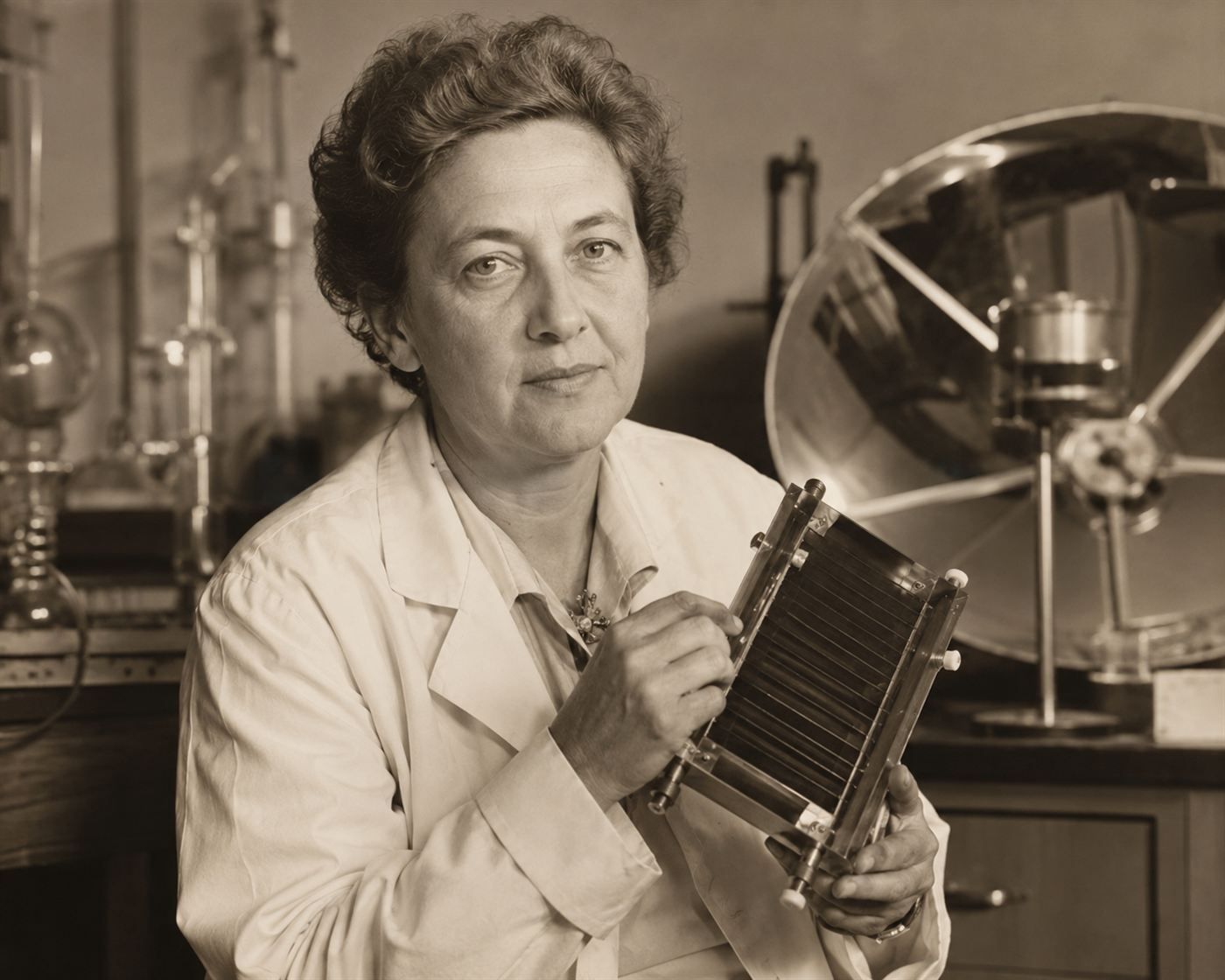
The real invention was not the glass but what sat hidden behind it.
The tall south wall was a giant air collector that funnelled sun-warmed air into storage bins inside the house.
As the salt melted in the daytime it stored the sun's warmth, and as it set hard again at night it released that heat back into the rooms.
It let the house coast for days without sun, the same trick of banking heat for later that Finland now pulls off with a giant battery made of sand.
More important than the atom bomb
For a while, the house was a genuine sensation.
Reporters and curious crowds came to see the home that ran on sunlight, in the same years the world was building nothing like the vast solar farms we take for granted now.
One magazine declared the experiment might be more important, scientifically, than the atomic bomb.
In 1952 Telkes became the first person ever to win the Society of Women Engineers achievement award.
For one bright moment, the future looked like it would be solar, and a woman had drawn its blueprint.
When the salt gave out
Then the house began to fail.
After a few winters, the Glauber's salt stopped behaving, separating out so that it could no longer store heat reliably.
The fans needed to push the warm air around used so much electricity that the savings on oil quietly melted away.
In 1954 the solar system was torn out and an ordinary oil furnace was put in its place.
The first fully solar house had lasted only a handful of years.
The honest catch
It is tempting to tell this purely as the tale of a genius ignored, but the truth is more tangled.
The Dover house really did fail, and salt storage was simply not ready for everyday life.
Telkes was brilliant and famously stubborn, and she clashed with colleagues, eventually being pushed off the solar project at MIT.
Cheap oil, not only prejudice, made solar heating look pointless for another thirty years.
And yet she was decades ahead, right about the destination even when the technology was wrong, like other women written out of the science they shaped, from Eunice Foote to the curator who saved the coelacanth.
Maria Telkes never stopped, going on to design solar stills that gave shipwrecked sailors fresh water and solar ovens for villages off the grid.
The panels spreading across the world's rooftops today are, in a sense, the planet finally catching up to the Sun Queen.
If the first solar house was already built in 1948, how different might today look if the world had listened to Maria Telkes then? Tell us in the comments.