The world's biggest mirror hides the white gold that powers electric cars
High in the Andes lies a place so flat and so white that the horizon disappears, and after the rains it becomes a perfect mirror of the sky, blurring the line between earth and heaven. It is breathtaking to look at. It is also one of the most important pieces of ground in the world, because beneath the Salar de Uyuni sits a fifth of all the lithium on Earth.
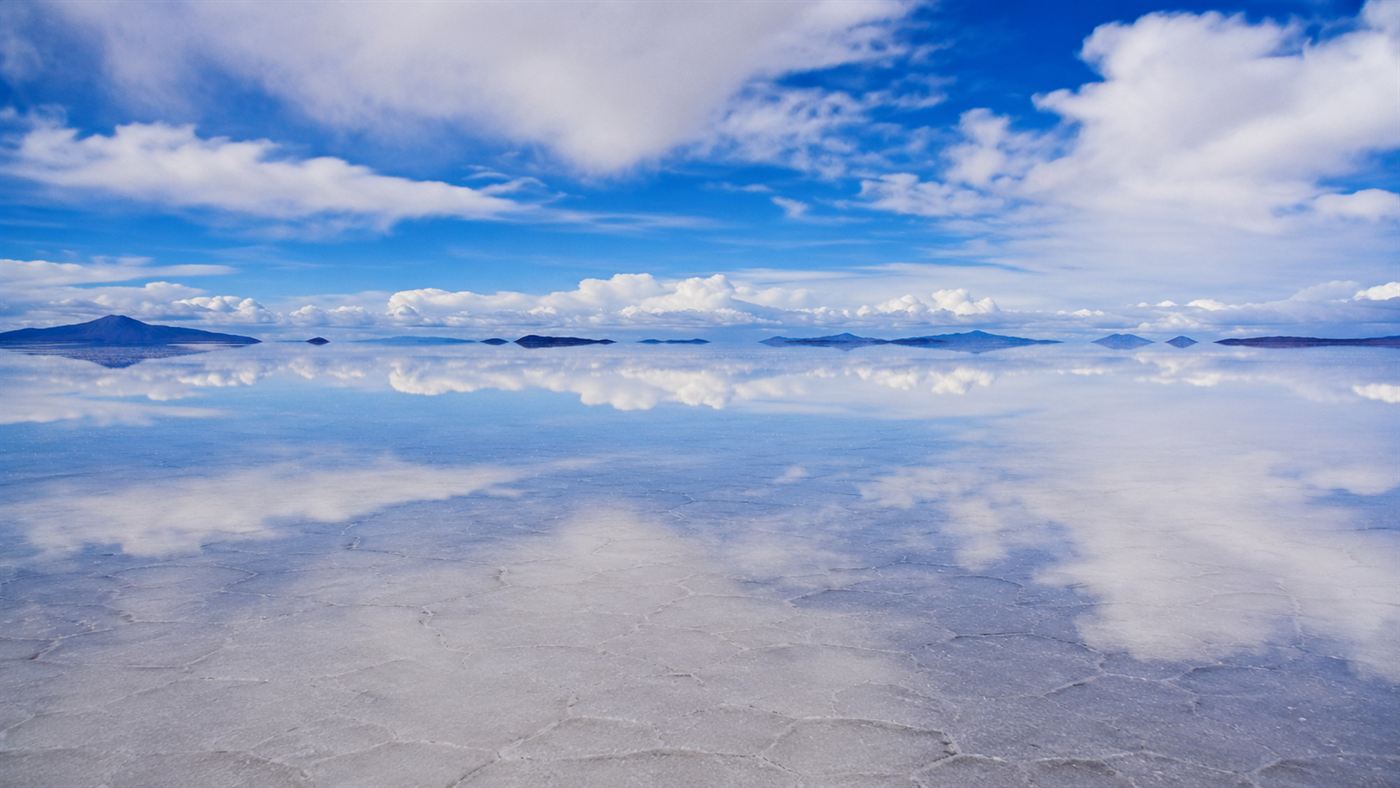
After rain, the salt flat reflects the sky so completely that walking across it feels like walking on clouds. Illustration: Watts & Wild.
Few places capture the strange new economics of the green age as neatly as this one. A remote, otherworldly desert of salt in Bolivia has become a target of global ambition, because the clean cars and phones the world wants all run on a metal that lies dissolved beneath it. The Salar de Uyuni is at once a natural wonder, a tourist dream and a battleground for the future of energy.
To understand the electric car age, it helps to start not in a factory, but on this blinding white plain near the roof of the Andes.
The largest mirror on Earth
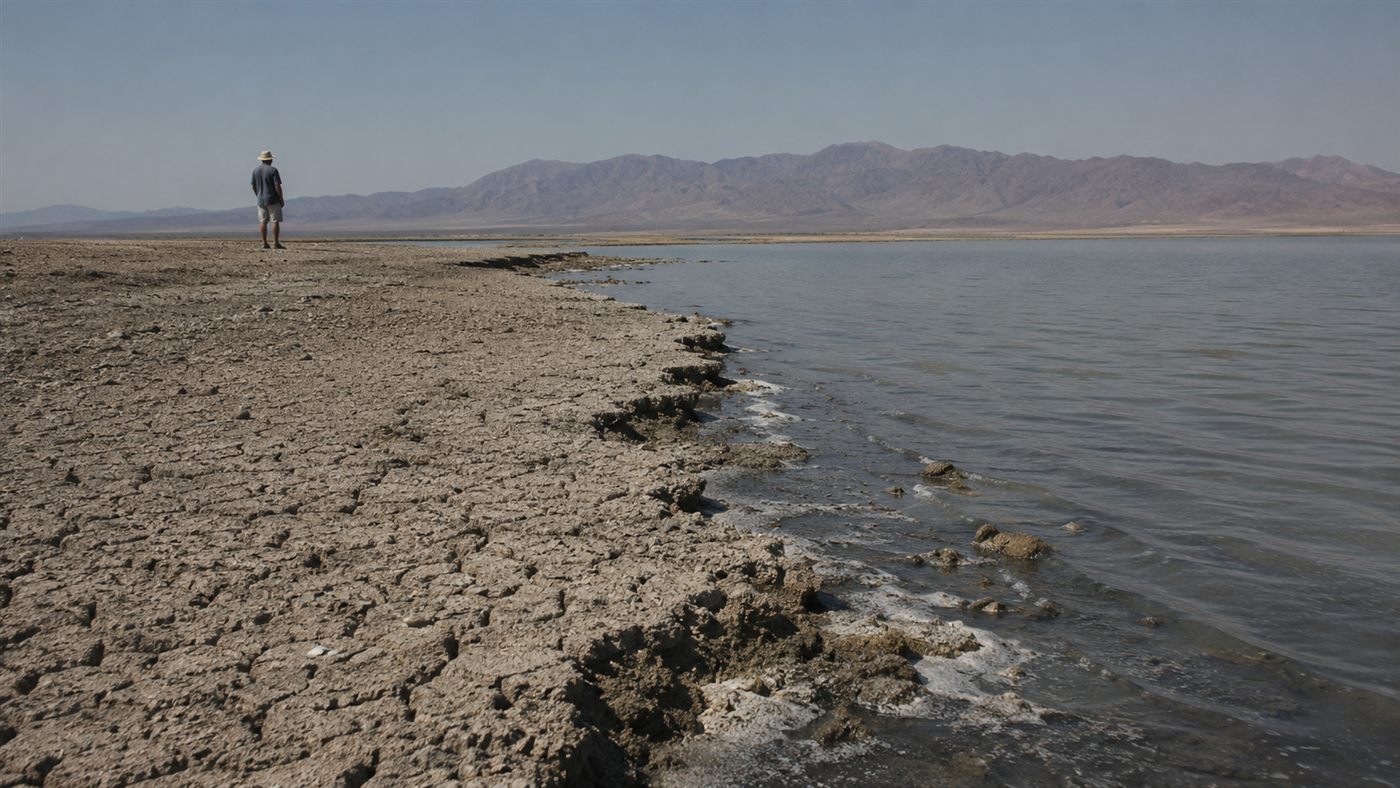
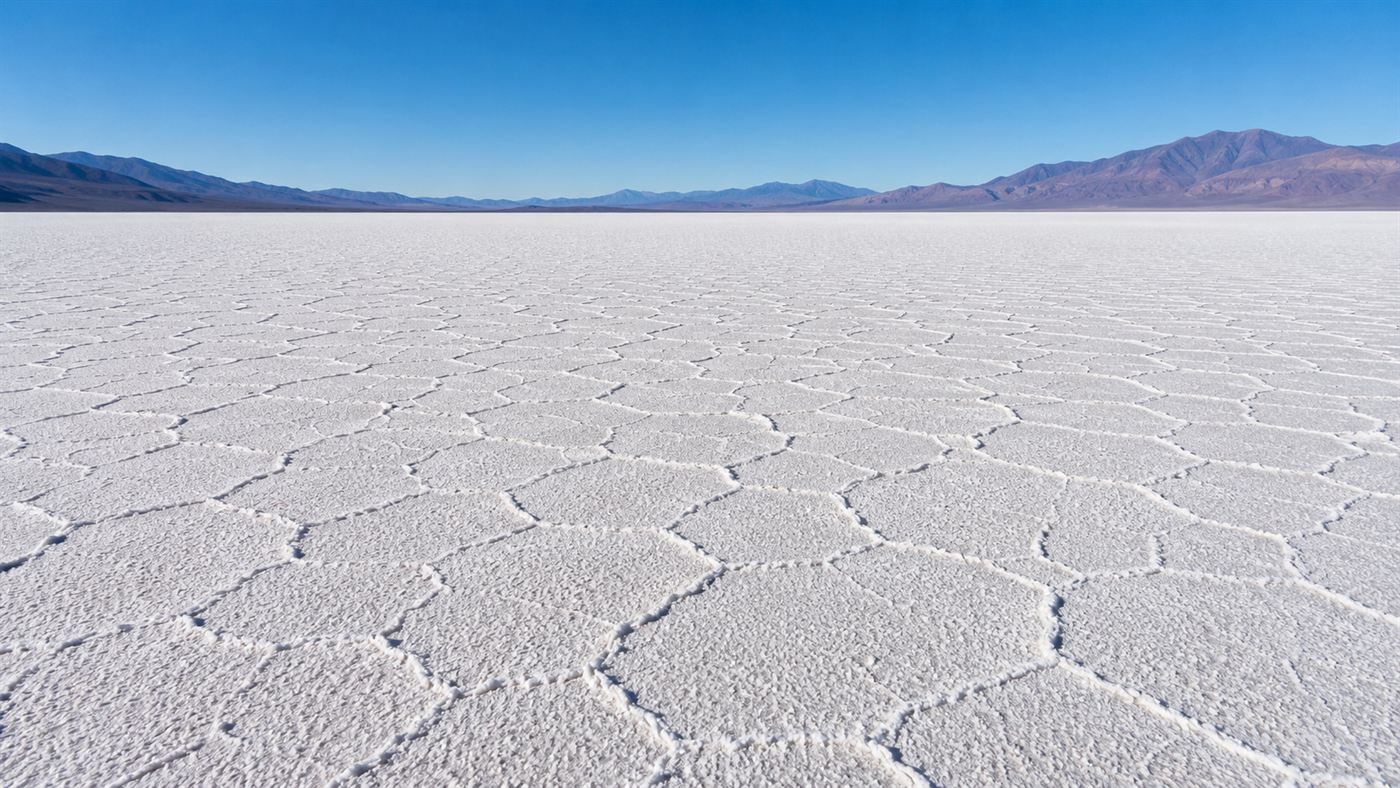
The Salar de Uyuni is the biggest salt flat in the world, covering more than ten thousand square kilometres of the high Bolivian altiplano. It is the dried-up ghost of an ancient lake, left behind as a crust of salt metres thick, cracked into a vast honeycomb of pale hexagons that stretches further than the eye can follow.
For much of the year it is bone dry, but in the wet season a thin film of water settles over the salt and turns the whole plain into an enormous, flawless mirror. Visitors come from around the world to stand on what looks like the surface of the sky, in a landscape that feels less like Earth than like a dream. For a long time, that beauty was the only thing the Salar was famous for.
What lies beneath the Salar de Uyuni
The wealth is not in the salt you can see, but in the brine hidden below it. Trapped in the liquid beneath the crust is a vast quantity of lithium, the light, reactive metal that powers almost every rechargeable battery in the modern world. Bolivia is thought to hold around 21 million tonnes of lithium, roughly a fifth of the global total, much of it dissolved beneath this one salt flat.
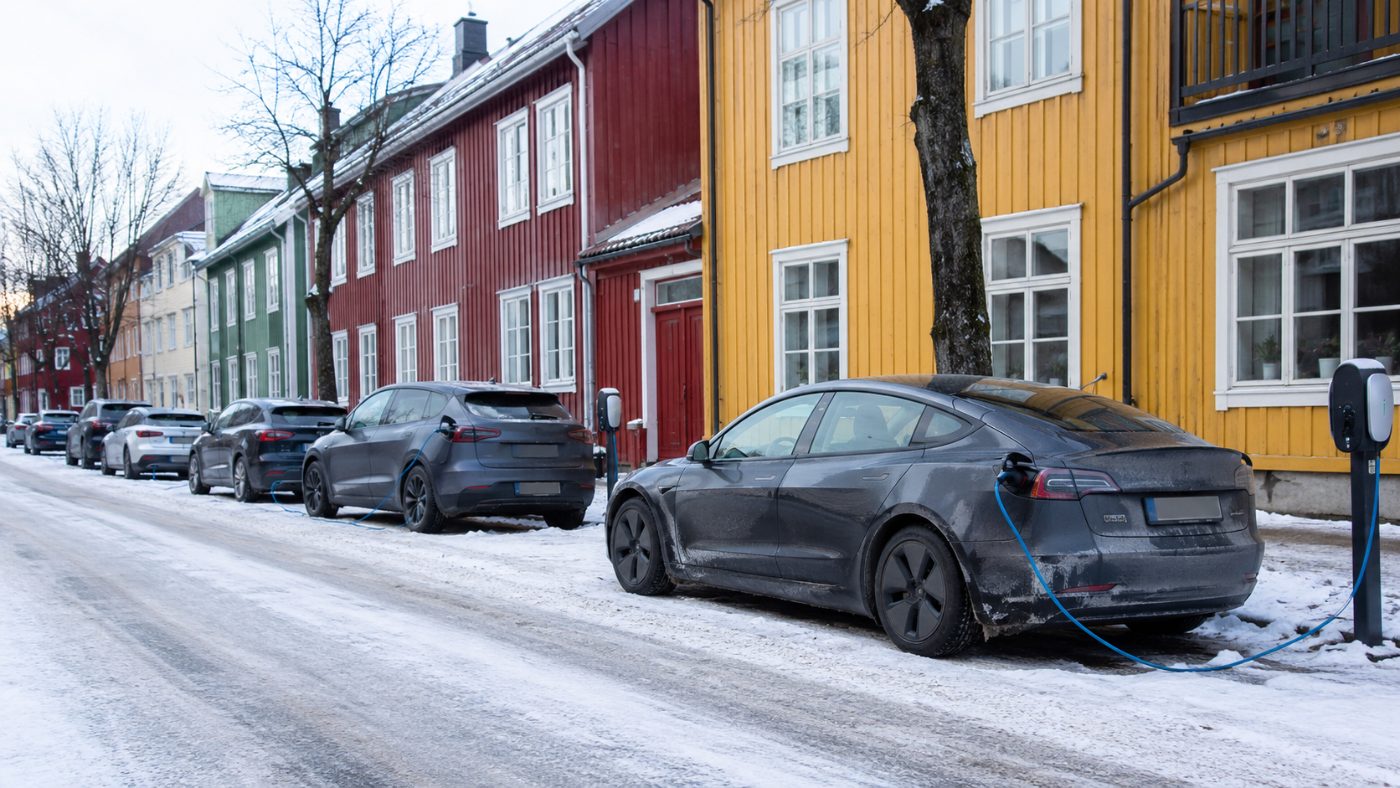
That is why a poor, landlocked country's remote desert suddenly matters to carmakers in Detroit, Shanghai and Stuttgart. Every electric car needs a battery, every battery needs lithium, and a huge share of the planet's lithium is sitting under the Salar de Uyuni, waiting. People have started calling it white gold, and the comparison is not an exaggeration.
The Lithium Triangle
Bolivia does not hold this treasure alone. The Salar de Uyuni sits at the northern point of a vast region known as the Lithium Triangle, spread across the high salt flats of Bolivia, Chile and Argentina. Together these three countries hold more than three quarters of the world's known lithium, making this corner of South America the beating heart of the global battery supply.
As demand for electric cars has exploded, so has the scramble for these salt flats. Chile and Argentina have raced ahead, building large lithium operations, while Bolivia has struggled to turn its enormous reserves into actual production. The result is a slow, tense contest over who gets to dig up the future, and on whose terms.
The thirst of white gold
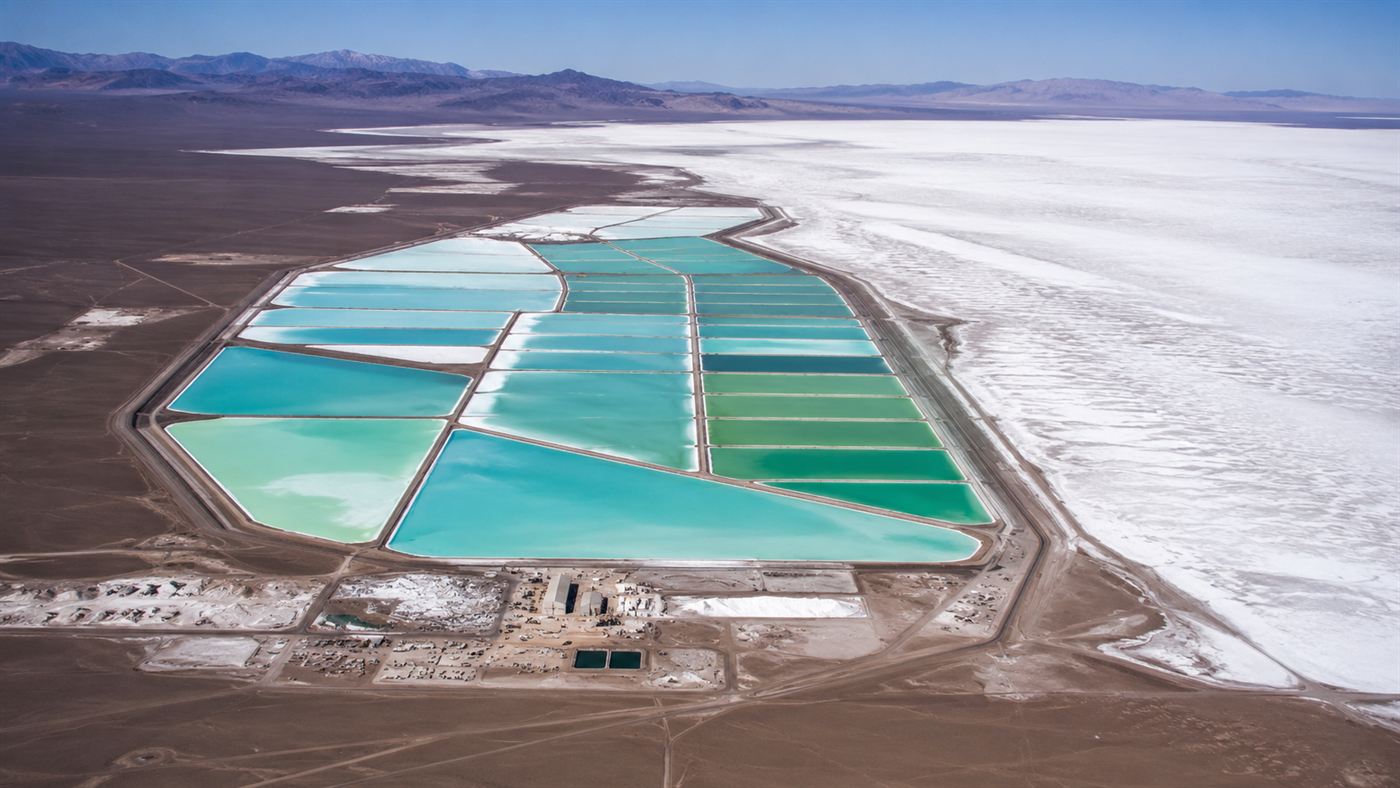
Here is the uncomfortable twist in the clean-energy story. The usual way to get lithium from a salt flat is to pump the brine into huge ponds and let the sun evaporate the water away, leaving the lithium behind. That process swallows staggering amounts of water in regions that are already among the driest on Earth, draining supplies that Indigenous communities and fragile desert ecosystems depend on.
So the metal that promises to clean up the world's cars can, dug the old way, leave dust, dried-up wetlands and angry communities behind it. The people who have lived around these salt flats for generations often see little of the wealth and a great deal of the cost. It is a sharp reminder that no energy source is truly free, and that even green technology has a footprint somewhere.
Why is the Salar de Uyuni important for batteries?
In one sentence: because it is one of the single largest stores of the metal the whole electric future is built on. As the world tries to swap petrol engines for batteries, demand for lithium is soaring, and places like the Salar de Uyuni hold the raw material that makes the switch possible. Control over this salt flat is, in a real sense, control over a slice of how quickly and how cheaply the world can go electric.
That gives a small Andean nation enormous potential leverage, if it can ever fully harness it. The story of the Salar is becoming a test case for whether resource-rich countries can profit from the green boom rather than simply being mined for it.
Does lithium mining use a lot of water?
Traditionally, yes, far too much for comfort, which is the honest catch in this otherwise hopeful story. But it is not the whole picture. New methods of pulling lithium directly out of the brine, without giant evaporation ponds, promise to use far less water, and could change the maths entirely if they work at scale. The dream is to get the lithium the world needs without draining the deserts that hold it.
It is also worth being clear that Bolivia's huge reserves are still mostly potential rather than production, tangled in technical and political knots that have kept the lithium in the ground. The Salar de Uyuni may hold a fifth of the world's lithium, but turning a mirror of salt into a steady supply of clean batteries is proving every bit as hard as it is tempting.
A mirror of salt at the roof of the Andes now holds a piece of every electric car's future, along with all the promise and conflict that comes with it. Should the world rush to mine places like the Salar de Uyuni for clean cars, or move slower until we can do it without draining the desert? Tell us what you think in the comments.
Related reading: John Goodenough, the scientist who invented the lithium battery and kept working into his nineties.