A rusty bush lark, unseen for 94 years, has turned up alive in the Sahel of Chad
Somewhere in the dry scrub of central Africa, a small brown songbird has been quietly getting on with its life while the scientific world assumed it might be gone for good. In February 2026 three researchers finally caught it on camera, taking the first photographs ever taken of a living one and closing a gap of almost a century.
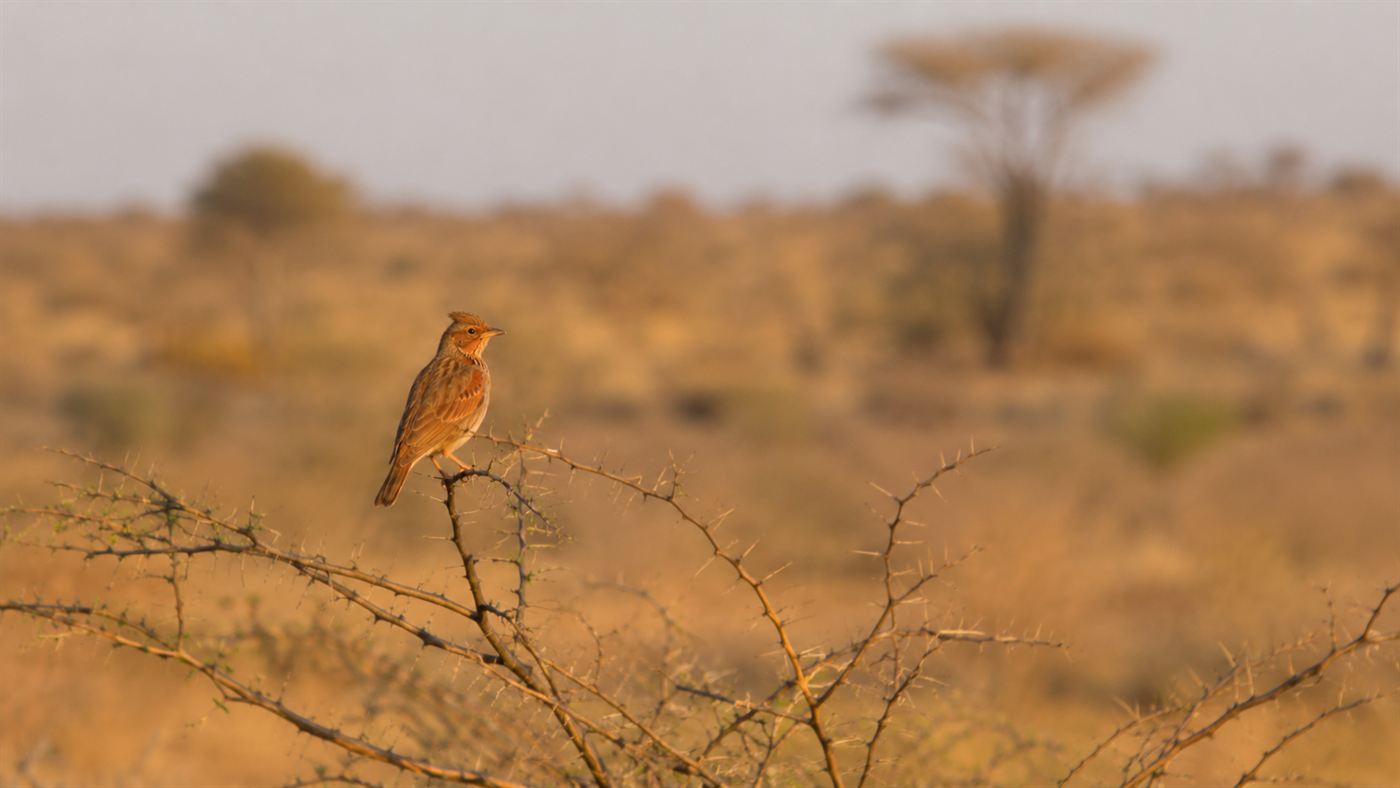
The rusty bush lark, a bird so overlooked that until now no one had ever photographed a living one. Illustration: Watts & Wild.
The short version is this. On 2 February 2026, in the Abou Telfane wildlife reserve about ten kilometres east of the town of Mongo in central Chad, three researchers spent a long stretch watching, photographing and filming a rusty bush lark. It was the first documented record of the species anywhere since 1931, a gap of 94 years, and the first images the world has ever had of a living individual.
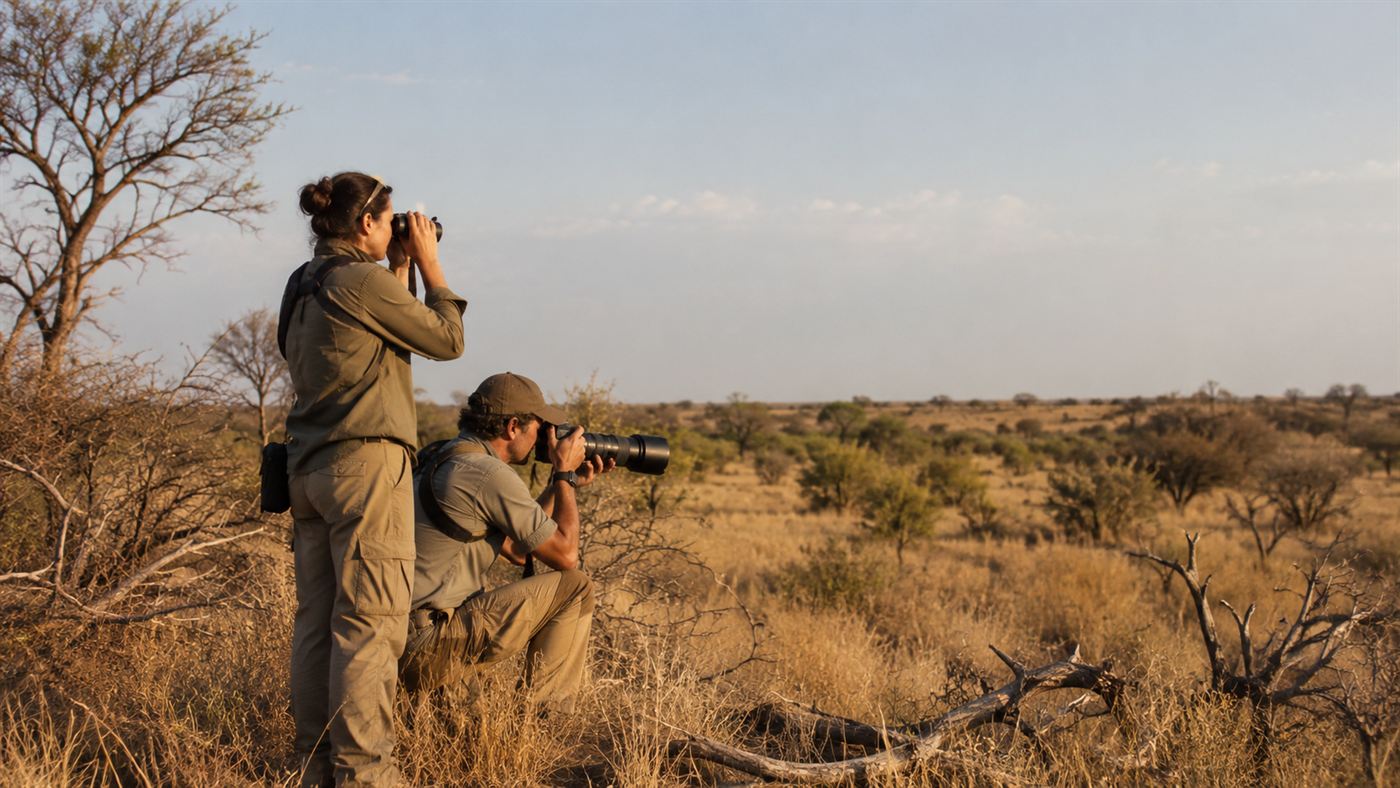
The observers were Idriss Dapsia of Chad's wildlife authority, Julien Birard of the Tour du Valat research institute, and Pierre Defos du Rau of the French biodiversity office. Because they came back with clear photographs, leading lark specialists were able to confirm the identification almost at once, turning a lucky sighting into solid science.
For a creature that had slipped to the very edge of what we knew, it was a quietly extraordinary moment.
What the rusty bush lark actually is
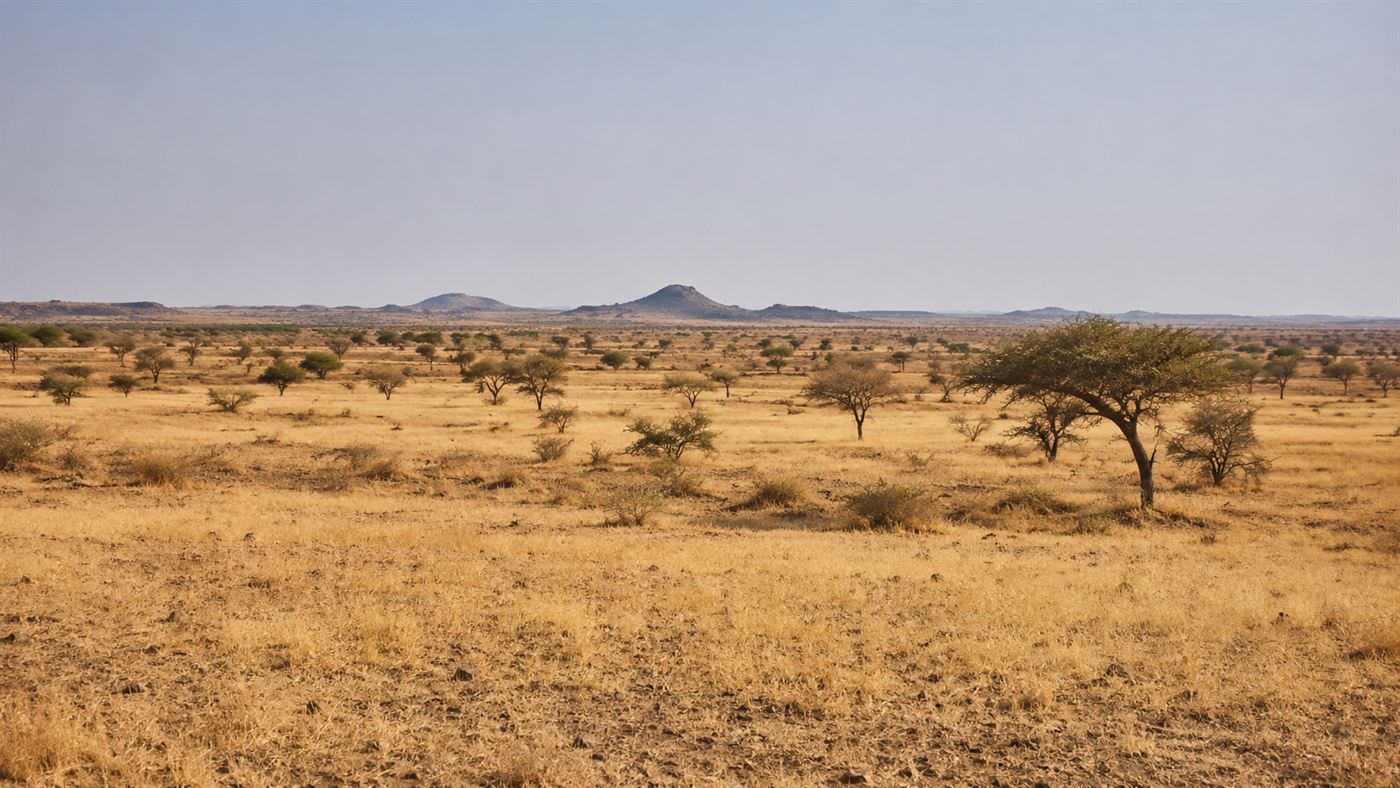
This is not a flashy animal. The rusty bush lark is a small, rufous-brown songbird of the dry savannas and semi-deserts of the Sahel, the vast band of arid land running along the southern edge of the Sahara. It lives mainly across Niger, Chad and Sudan, in country that is hard to reach, thinly surveyed and, in places, dangerous for fieldwork.
That obscurity is exactly why it vanished from the record for so long. It was never necessarily rare in the way a panda is rare; it was simply unwatched, in a region where few ornithologists go. The rediscovery is a reminder that a species can hide in plain sight for a lifetime when no one with a camera happens to be looking in the right dry scrub.
Why do lost species keep turning up alive?
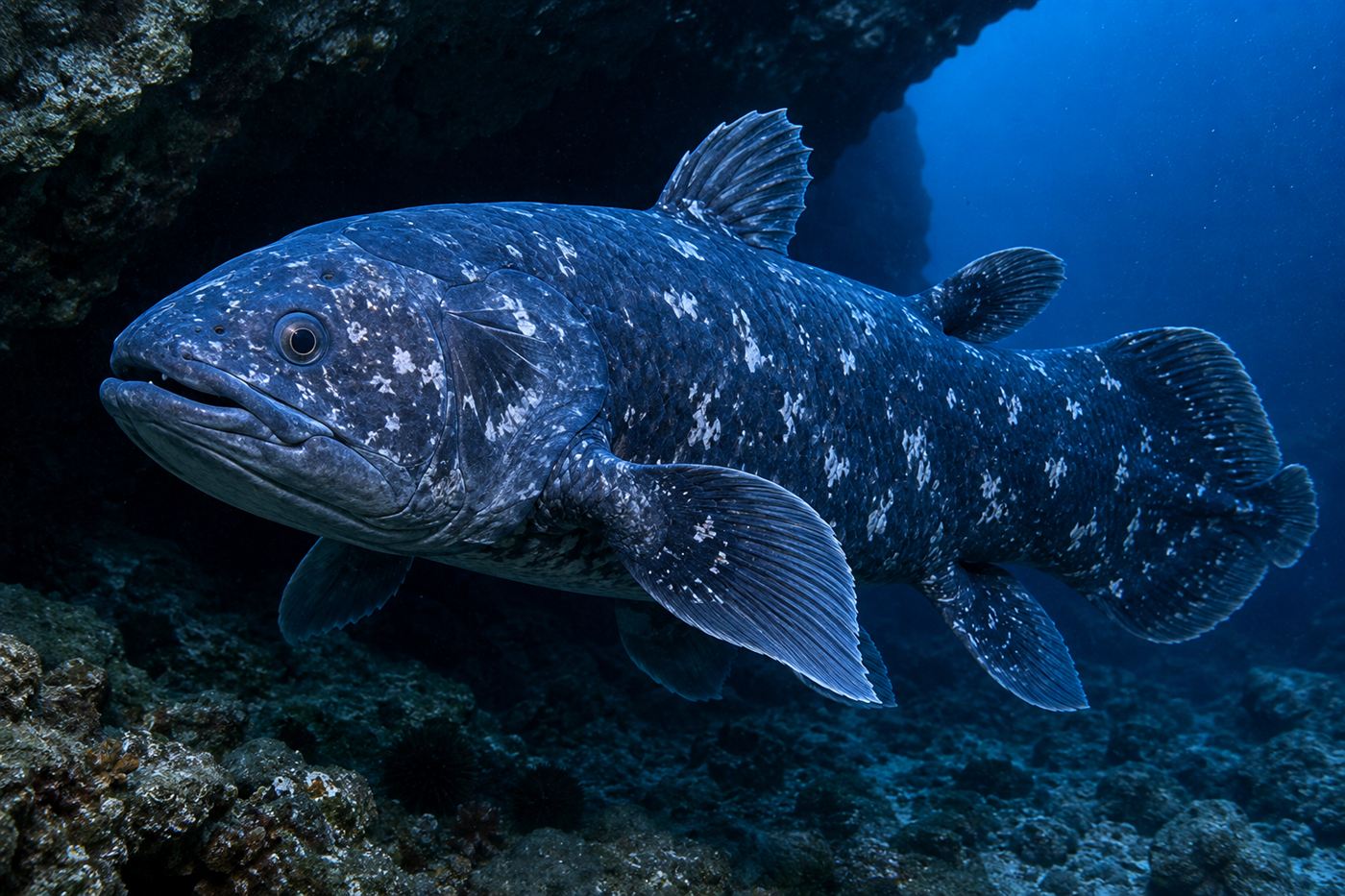
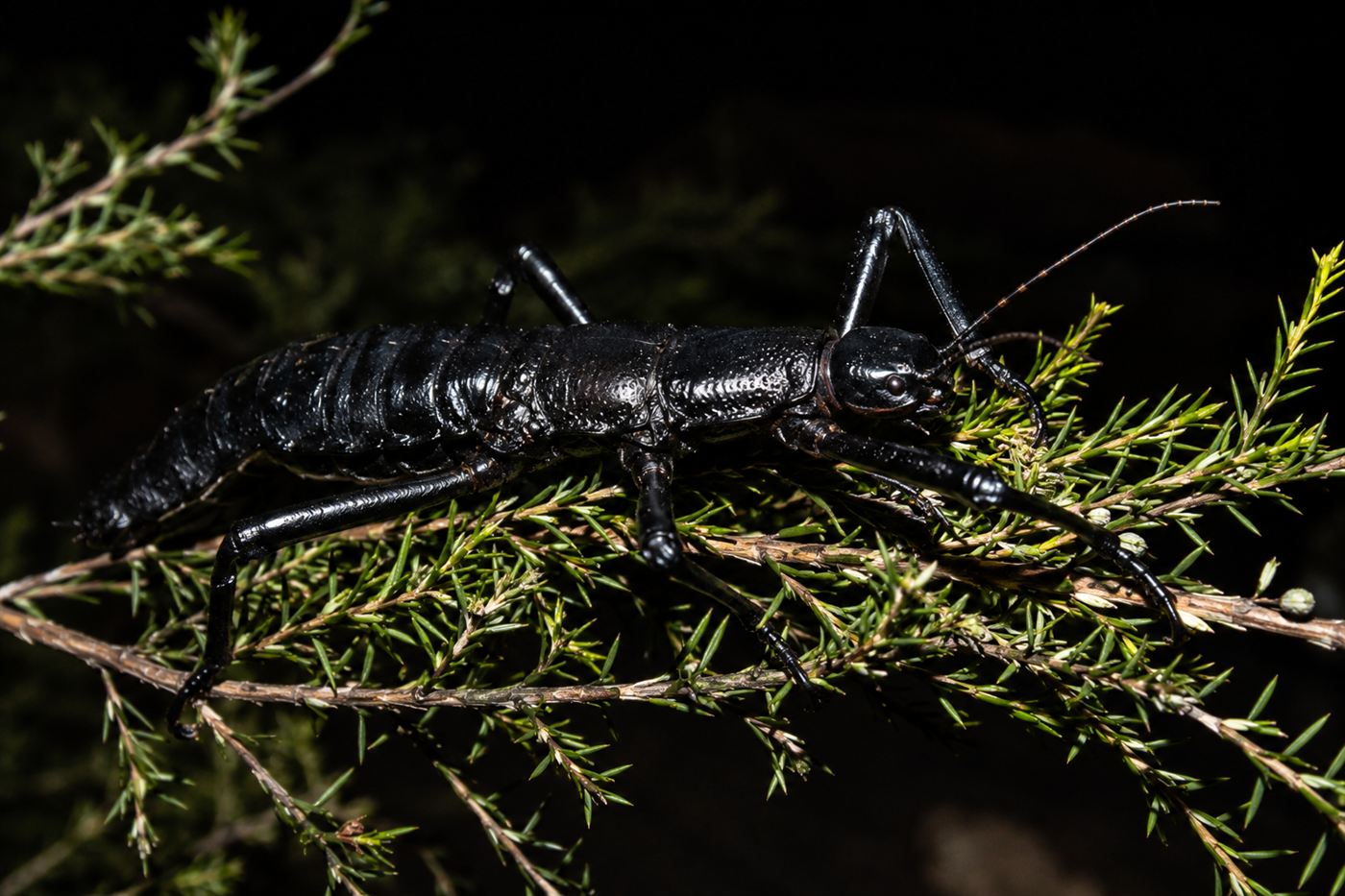
The rusty bush lark joins a long and cheering tradition. Again and again, animals written off as lost, or even feared extinct, have walked back onto the stage. A fish called the coelacanth, thought dead for 66 million years, was hauled up in a net in 1938. A giant flightless insect survived on a single sea stack after rats had supposedly wiped it out. The pattern repeats often enough to carry a lesson.
That lesson is simple and important. Lost to science is not the same as gone from the world. Our records are patchy, our attention uneven, and vast stretches of the planet are barely watched at all. When a bird reappears after 94 years, it is not really the animal that was missing. It is us who had lost track, and the natural world quietly kept its own counsel.
The honest catch
It is tempting to read a story like this as pure good news, and there is real joy in it. But a rediscovery is a beginning, not a happy ending. Finding one lark proves the species still exists; it tells us almost nothing about how many are left, whether the population is healthy, or how close to the edge it truly sits. A single sighting is a spark, not a guarantee.
There is a gentler truth folded in too. This corner of the Sahel is home to communities who move through that scrub every day, and the people who live there may have known all along about a small brown singer that scientists had filed under missing. The Sahel itself is under mounting strain from drought and shifting land use, which makes the find both a spot of hope and a warning of how little we still know. The lark was never truly lost. The task now is to make sure it does not become so for real.
Sources: Tour du Valat, Search for Lost Birds, and Artensterben.
A little brown singer that no camera had ever captured spent 94 years off our books, and never once thought of itself as lost. Does a rediscovery like this fill you with hope, or with worry about how much of nature we simply are not watching? Tell us what you think in the comments.
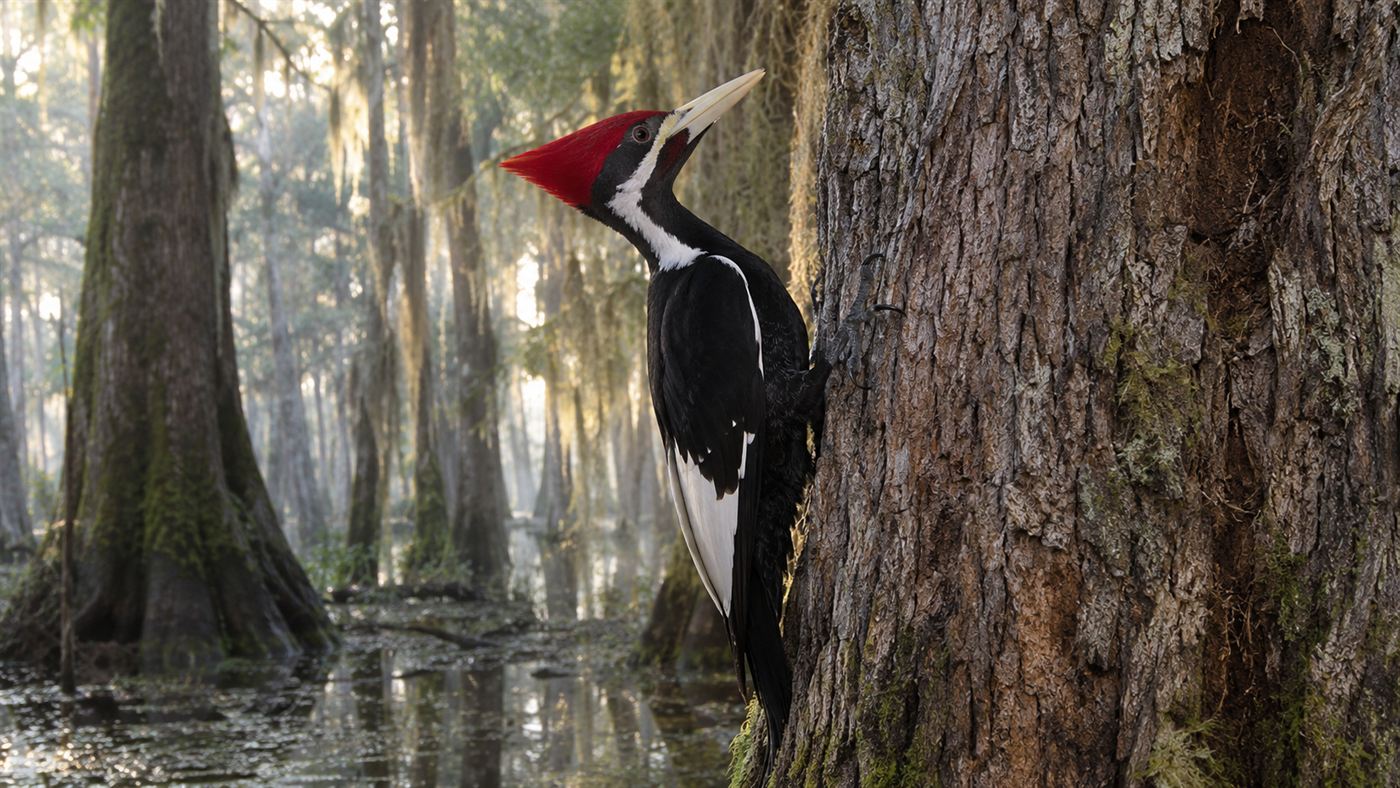
Related reading: the coelacanth, a fish thought extinct for 66 million years, found alive in a net. See also the giant stick insect that survived on a single rock, and the ivory-billed woodpecker, whose ghostly rediscovery is still argued over.