A park ranger was struck by lightning seven separate times over thirty-five years and survived every one, earning a record and a loneliness no one envies
Being struck by lightning once is a one-in-many-thousands misfortune most people never face. Roy Sullivan was struck seven times and lived through all of them. He holds the record for it, but his story is less a tall tale than a quietly sad one about the cost of being singled out by chance.
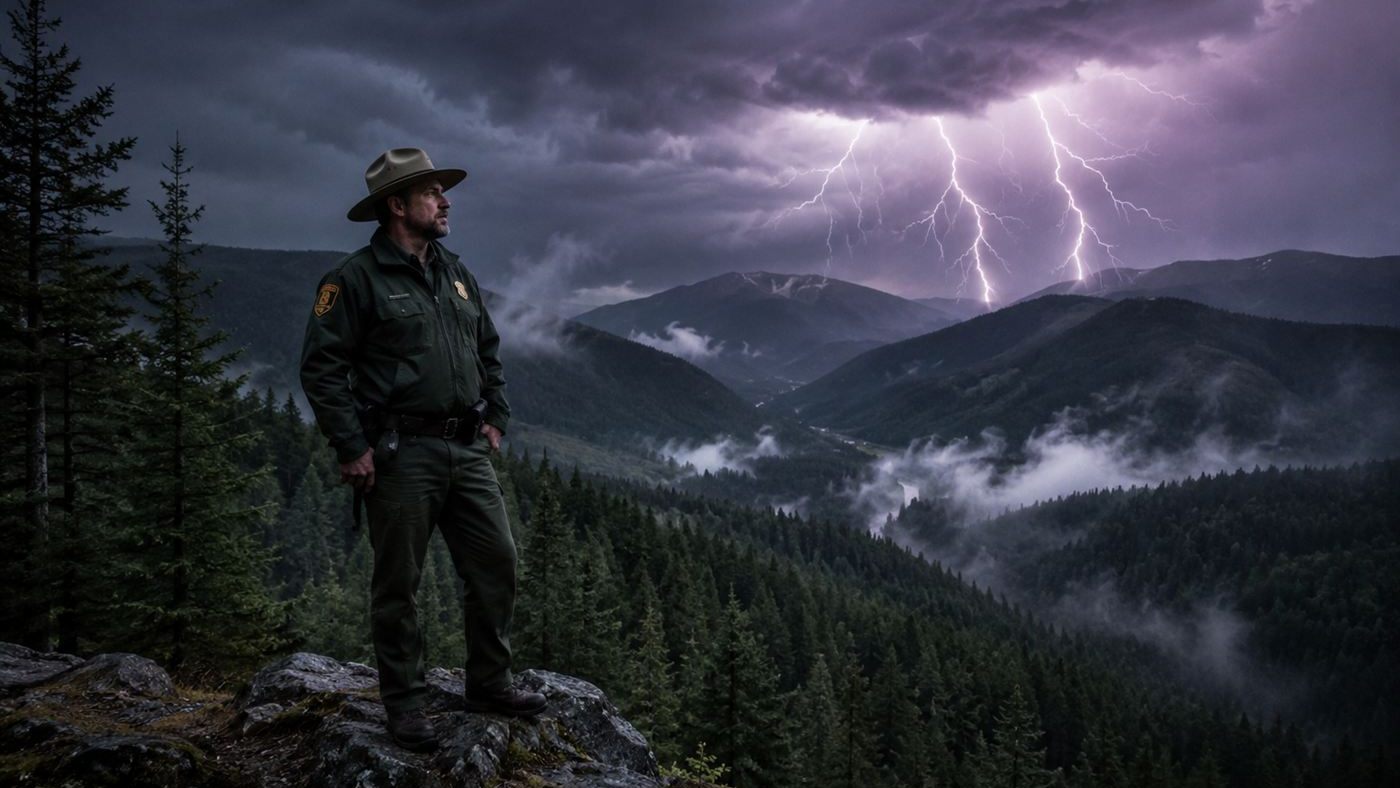
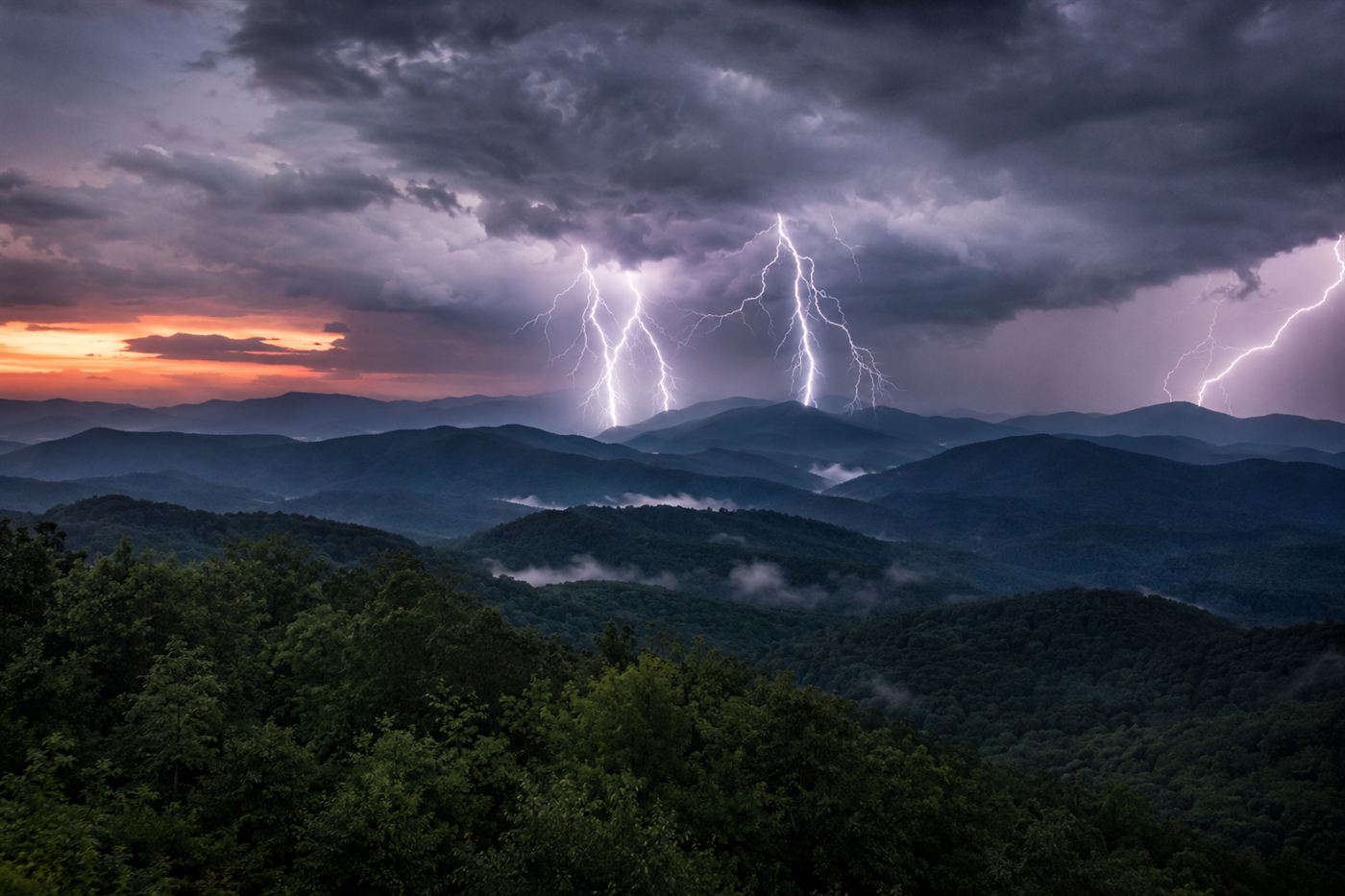
A ranger's life in the storm-prone mountains. Illustration: Watts & Wild.
Roy Cleveland Sullivan worked as a ranger in Shenandoah National Park, in the mountains of Virginia, a job that kept him outdoors in all weather for decades. As Guinness World Records documents, between 1942 and 1977 he was struck by lightning on seven separate occasions and survived each one, making him the person struck more recorded times than anyone in history. Colleagues and locals gave him the grim nickname the Human Lightning Rod.
The strikes were not near misses. They were direct, violent and, read together, almost unbelievable.
The seven strikes
The first came in 1942, when lightning hit a wooden fire lookout tower he was sheltering in; he ran out as it burned and was struck anyway, the bolt searing a strip down his leg and blowing a hole in his shoe. As a detailed account of his life recounts, the strikes kept coming over the years: one through the windows of his truck as he drove, one in his own front yard that jumped from a power transformer to his shoulder, and several that set his hair on fire and had to be beaten out with a jacket or doused with water.
The last recorded strike, in 1977, hit him on the top of the head while he was fishing, set his hair alight again and burned its way down his chest. Time after time he was burned, knocked down or briefly knocked out, and time after time he got back up. Even his wife was once struck, by a bolt that hit her while she was hanging out the washing.
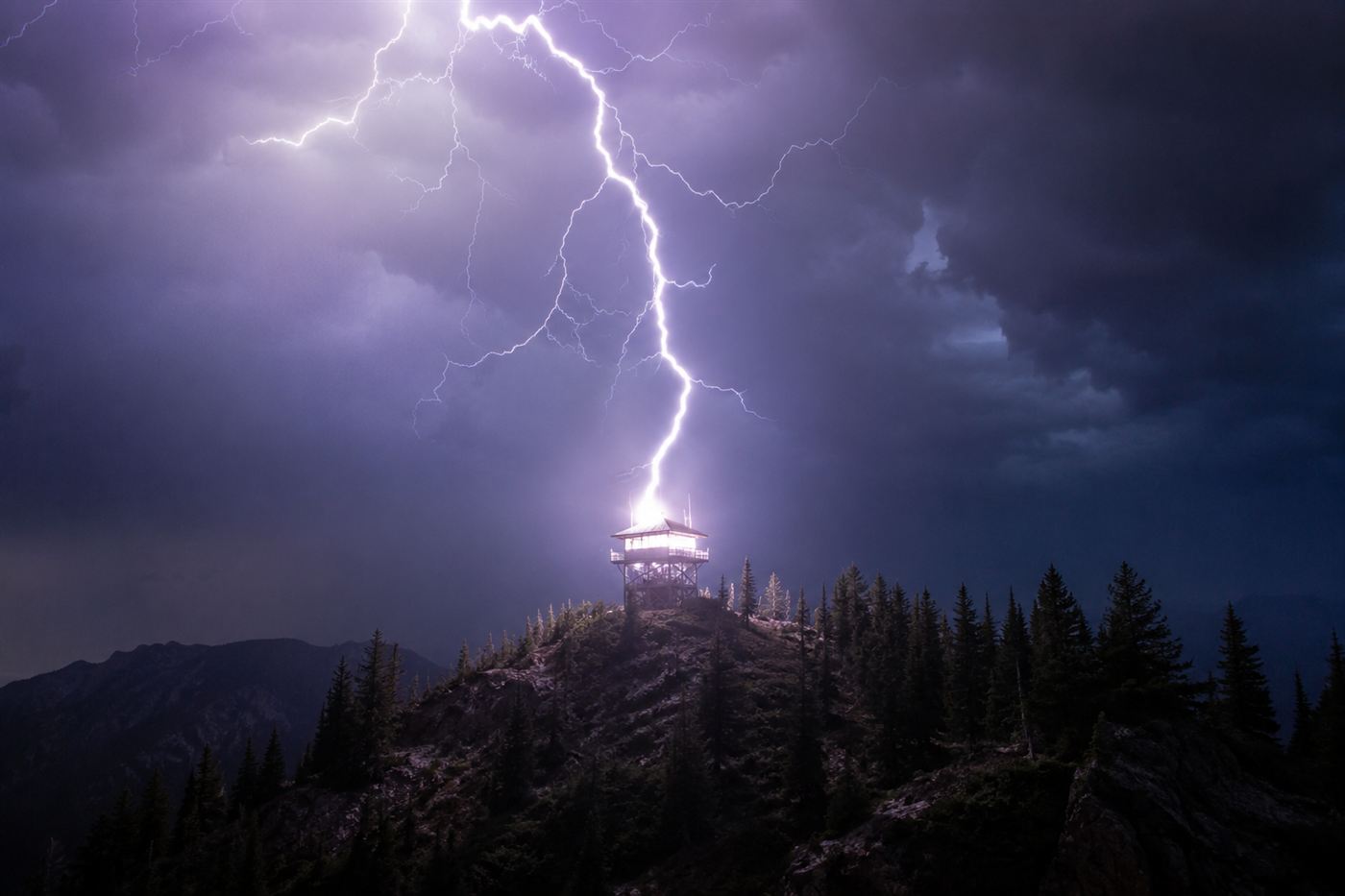
How Roy Sullivan survived the lightning
That he lived at all owes something to how lightning often behaves with people. A direct strike can kill instantly, but many strikes are glancing or partial, and a good deal of the current travels over the wet surface of the skin and clothes rather than straight through the heart, in what is called a flashover. Burned skin, singed hair and a hole in a shoe are terrible, but they can also be the signs of a body that the bolt mostly passed across rather than through.
Sullivan's survival, then, was not a superpower; it was repeated, brutal luck on the right side of a coin that kills many people on the wrong side. Each time, the lightning did enough damage to mark him for life but not quite enough to end it, which is its own strange kind of fortune.
Did lightning really target Roy Sullivan?
It is tempting to imagine some curse or magnetism, a man the sky had marked. There is nothing to it. Lightning was not seeking him out; it has no way to single out one person across years and miles. What it had was opportunity, and Sullivan gave it a great deal of that.
His job placed him outdoors, often at altitude on exposed ridges and towers, for thirty-five years in a part of the country prone to fierce summer storms. Spend that long in that environment and your lifetime odds of being caught by lightning climb steeply. Seven strikes is still wildly improbable, an outlier at the far edge of chance, but it is bad luck heaped on exposure, not destiny.
The honest catch
Two things keep this from being a simple curiosity. First, the record rests partly on Sullivan's own accounts, written down in sworn statements and supported by his park superintendent, but not every detail of every strike was independently witnessed. The core of it, a man hit by lightning many times and surviving, is well established; some of the vivid particulars come from his own retelling.
The second is heavier, and worth treating gently. The fame did him real harm. People grew afraid to be near him, worried the lightning that found him so often might leap to them, and that fear left him isolated and hurt. Roy Sullivan's later years were lonely, and he died in 1983, his life ending in sorrow rather than in any storm. The record-book version is a marvel; the human being behind it carried a burden most of us never have to imagine.
Why one unlucky man still matters
The story of Roy Sullivan sits at an odd crossroads of physics and feeling. On one side it is a vivid lesson in how lightning works, how survivable a strike can be, and how exposure stacks the odds. On the other it is a reminder that being remarkable is not the same as being lucky, and that a person reduced to a record is still a person.
It is easy to file him under "amazing facts" and move on, but his life asks for a little more than that. Do stories like Sullivan's make you think more about the people behind the records, not just the numbers? Tell us in the comments.
Related reading: A solar storm in 1859 set telegraph offices on fire and lit the sky so brightly people could read by it at night.