In 1590 an English governor sailed back to his New World colony with supplies and found all 115 men, women and children gone, leaving only a single word carved into a wooden post
He had left them three years earlier, promising to return quickly. When he finally came back, the little settlement was empty and silent. No people, no bodies, no sign of a fight, just a village taken apart and one strange word cut into the wood. It is America's oldest unsolved disappearance, and it still grips us.
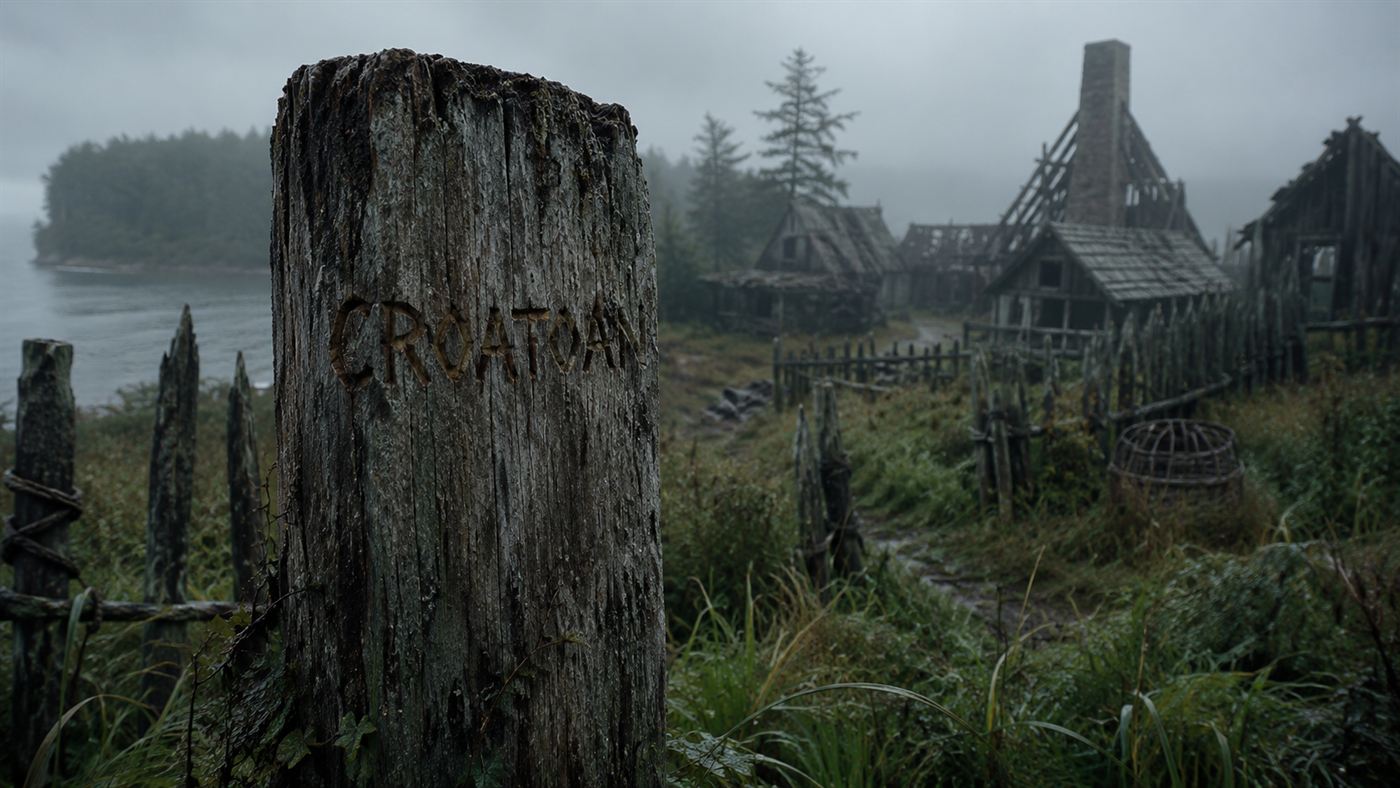
A single carved word was all the vanished settlers left behind. Illustration: Watts & Wild.
In 1587, more than a hundred English colonists landed on Roanoke Island, off the coast of what is now North Carolina, hoping to build England's first permanent foothold in the New World. Among them was a baby named Virginia Dare, the first English child born in the Americas, granddaughter of the colony's leader.
That leader, the artist and governor John White, soon sailed home for desperately needed supplies. War with Spain trapped him in England for three long years, and when he finally returned in 1590, the Roanoke Colony was simply gone. What became of those men, women and children is one of the most haunting puzzles in American history.
The short version: an entire colony disappeared from an island, leaving only a cryptic carved word and no bodies. For centuries it looked like a supernatural vanishing, but modern archaeology is quietly turning the Roanoke Colony from a ghost story into something more human and more hopeful.
The colony that England could not reach
The venture was troubled from the start. The settlers arrived late in the season, low on supplies and on poor terms with some of the local peoples, and they quickly realised they could not survive the coming years without help from home. They begged John White, their governor, to sail back to England and fetch reinforcements.
He agreed, reluctantly leaving behind his own daughter and infant granddaughter. But 1588 was the year of the Spanish Armada, and every seaworthy English ship was seized for the war. John White was stranded, unable to return, while the people he had promised to save waited on a distant shore with no idea if he was alive.
The word carved on the post
When White finally reached Roanoke Island again in August 1590, he found no one. The houses had been carefully taken down rather than destroyed, the settlement neatly abandoned. There was no sign of battle, no graves, nothing but silence where a hundred people had lived.
Then he saw it: the word CROATOAN carved into a wooden post, and the letters CRO cut into a nearby tree. Before he left, White had arranged a signal with the colonists. If they moved on, they would carve their destination, and if they were forced out by danger, they would add a cross. There was no cross. The message seemed to say they had gone, calmly, to a place called Croatoan.
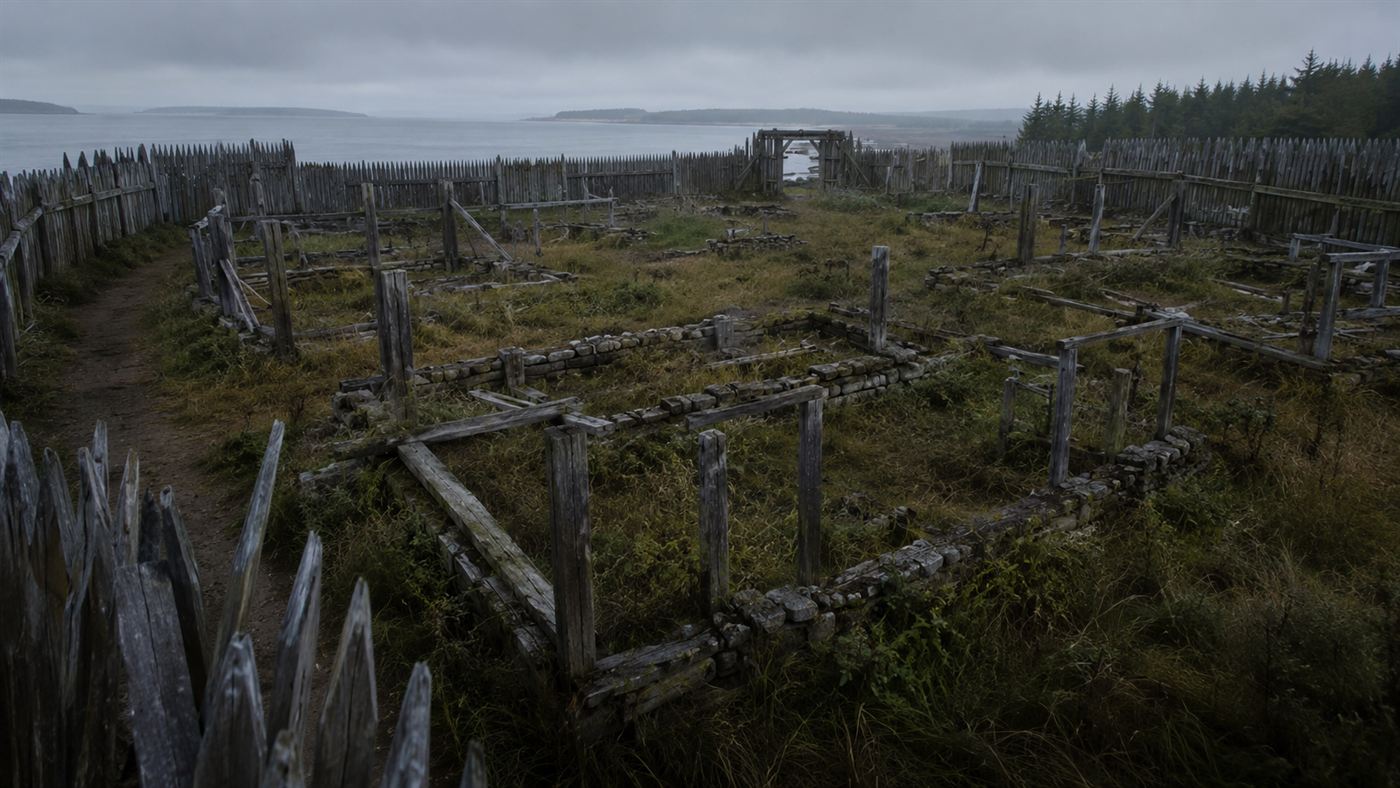
Where did the Roanoke Colony go?
Croatoan was no riddle to White. It was the name of a nearby island, today called Hatteras, and of a friendly Native American people who lived there. The obvious reading was that the colonists, running out of options, had gone to live with the friendly people who had shown them kindness.
Heartbreakingly, White never got to check. A gathering storm and a restless crew forced his ships to turn back before he could reach the island, and he sailed for England having never found his family. He died years later without ever learning what had become of the Roanoke Colony he had left behind.
What the diggers are finding now
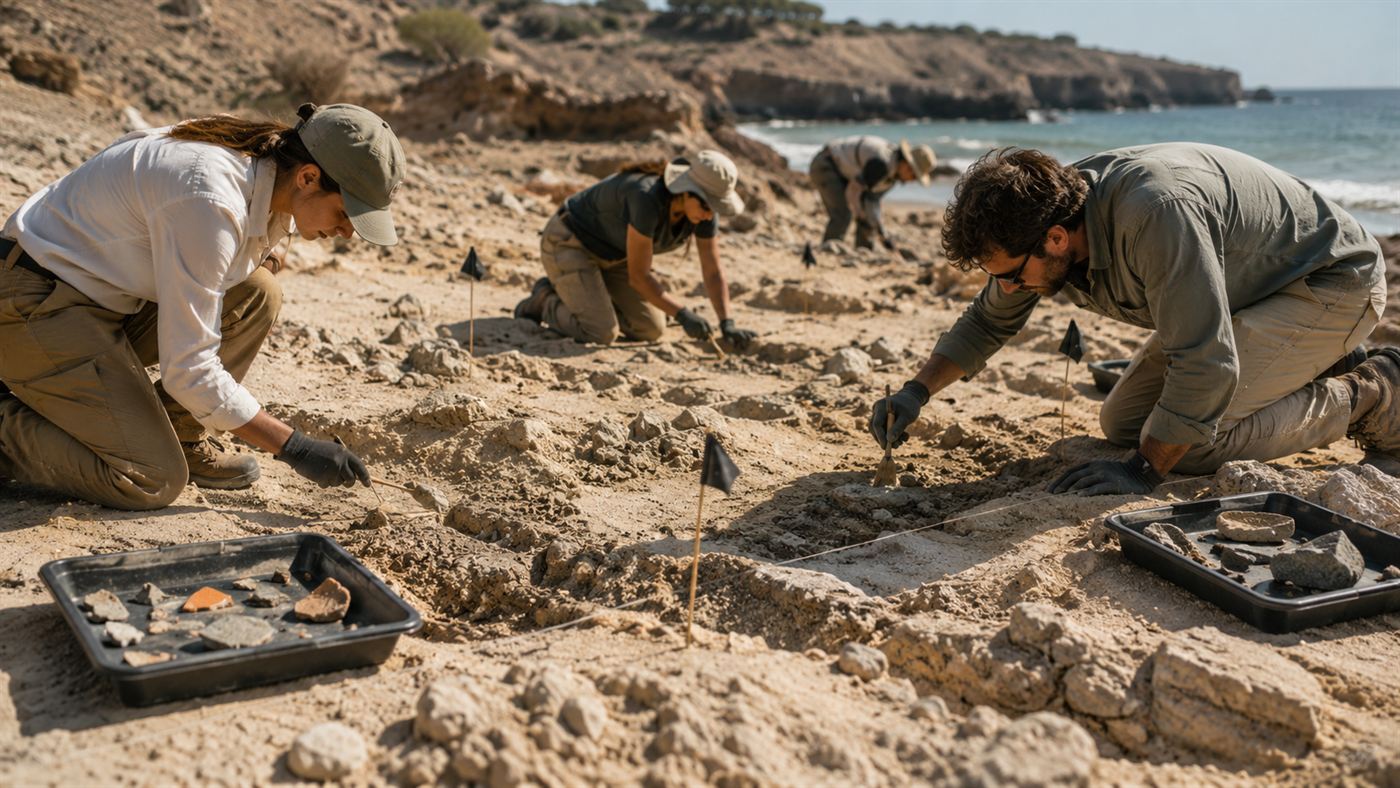
For centuries the trail went cold, but archaeology has picked it up again. On Hatteras Island, the old Croatoan homeland, excavations have turned up English objects, from bits of pottery to a sword hilt and a writing slate, mixed into Native American settlement layers exactly where colonists living among the tribe might have left them.
Inland, at a spot researchers call Site X, more English artifacts have surfaced far from the original fort. Together the finds suggest the colonists did not die in one place but split into groups and were absorbed into the Native communities around them, living on as neighbours and kin rather than perishing as a doomed settlement.
The honest catch
It is worth saying plainly that the evidence is suggestive, not conclusive. English artifacts at a Native site can arrive by trade as well as by settlers moving in, and no one has yet found a definitive Roanoke grave, house or record that closes the case beyond doubt. The full truth may never be recoverable.
But the honest correction to the legend is important. The Roanoke Colony almost certainly did not vanish into thin air or meet some supernatural end. The likeliest story is far quieter: desperate people, abandoned by their homeland, survived the only way they could, by joining those already living on the land, and their descendants may well be walking around today.
Why the Lost Colony still haunts us
Even as the science demystifies it, the tale of the Roanoke Colony keeps its grip, and it is not hard to see why. There is the image of a father returning to an empty home, the baby who was the first of her kind and then a footnote to a mystery, and that lonely word carved in the wood, a message from people we can no longer quite hear.
The Lost Colony endures because it sits at the very beginning of a nation's story and refuses to give a clean answer. Whatever the archaeologists eventually prove, the vanished colony will probably always stand as a reminder that history is full of people who slipped out of the record and left us only a word, cut into a post, pointing somewhere we still cannot entirely follow.
A whole colony walked off an island four centuries ago and left a single word behind, and only now are we learning they may simply have gone to live among their neighbours. Does it comfort you or disappoint you to learn that history's great vanishing was probably not a mystery at all, but a quiet act of survival? Tell us what you think in the comments.
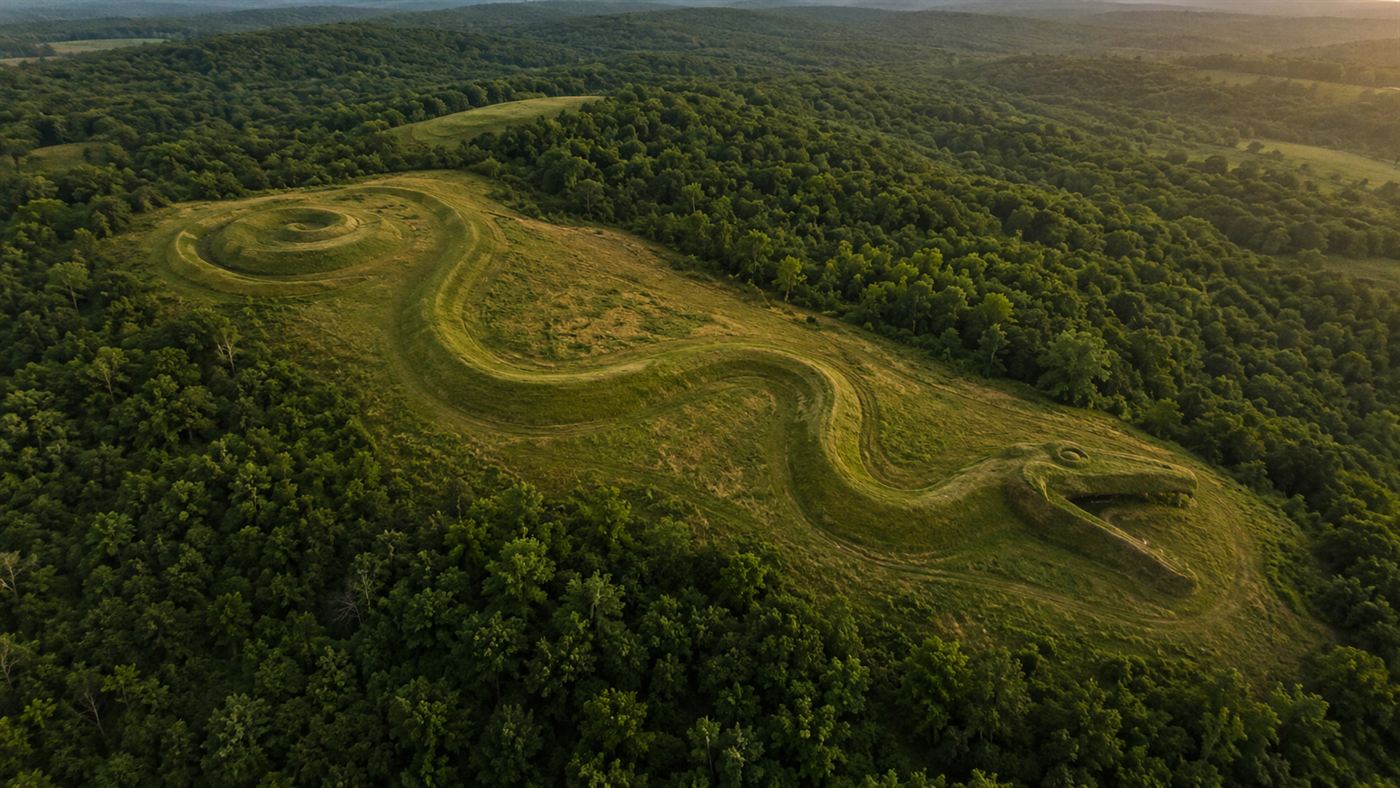
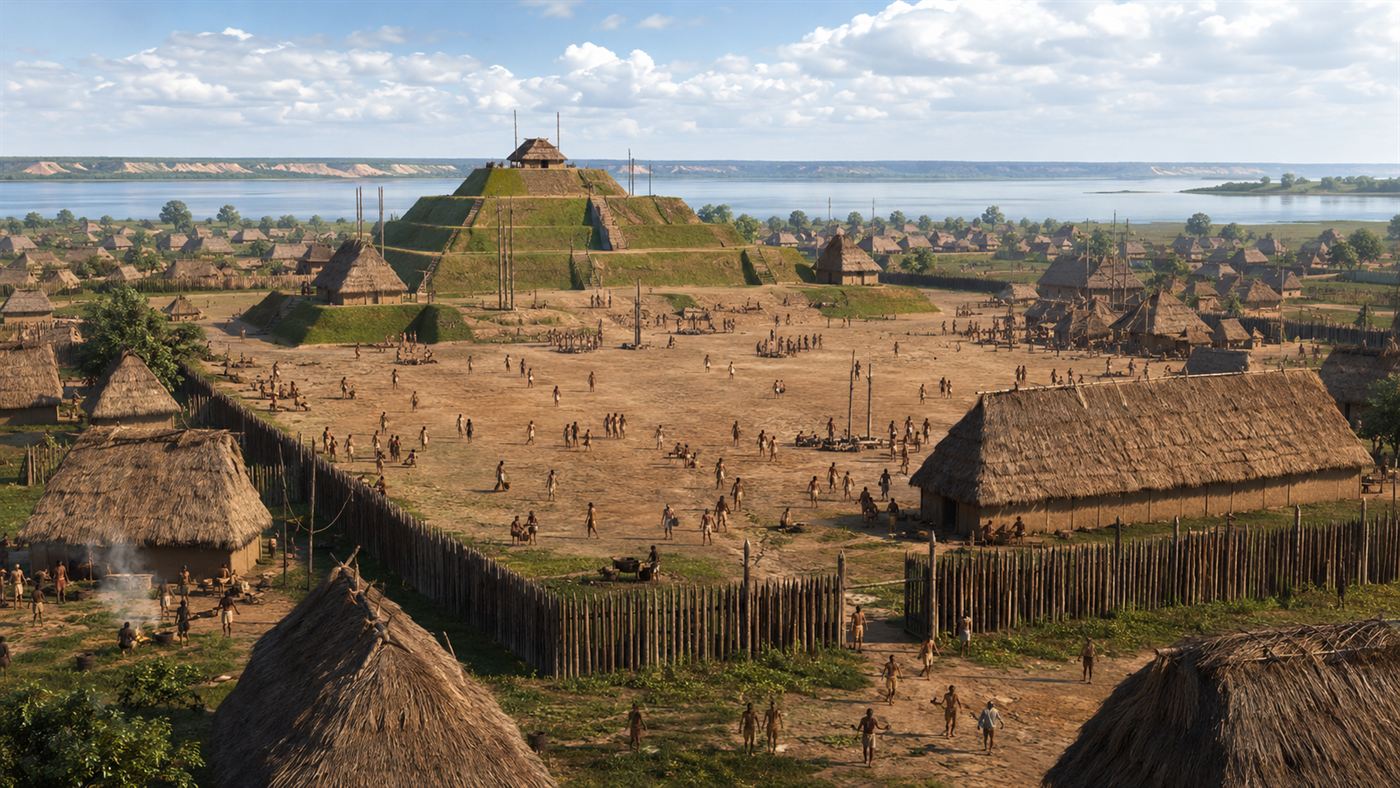
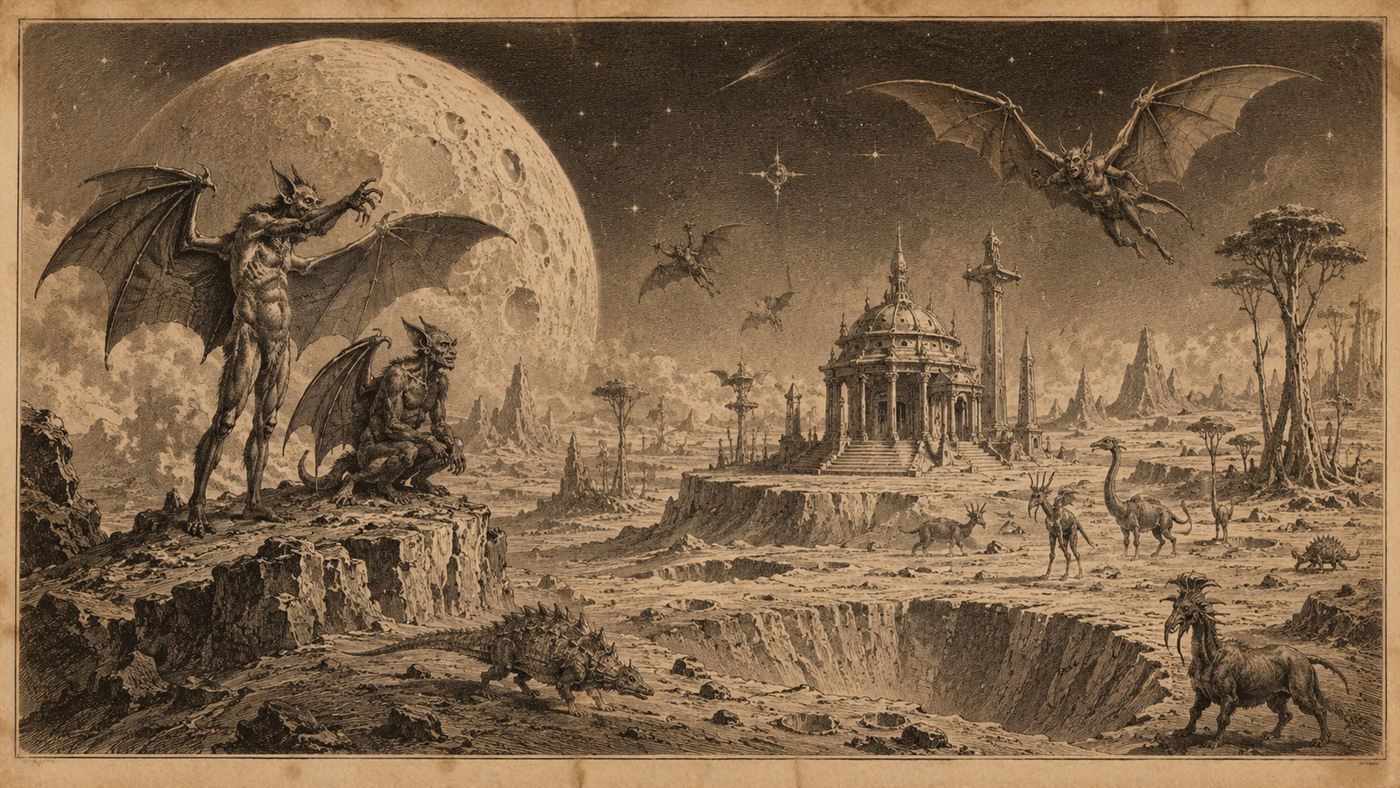
Related reading: the giant earthen serpent whose builders and age still baffle archaeologists. See also Cahokia, the great Native American city that rose and vanished before Europeans arrived, and the newspaper that convinced a nation of life on the Moon.