Britain's giant airship crashed on its first real voyage, killing more people than the Hindenburg
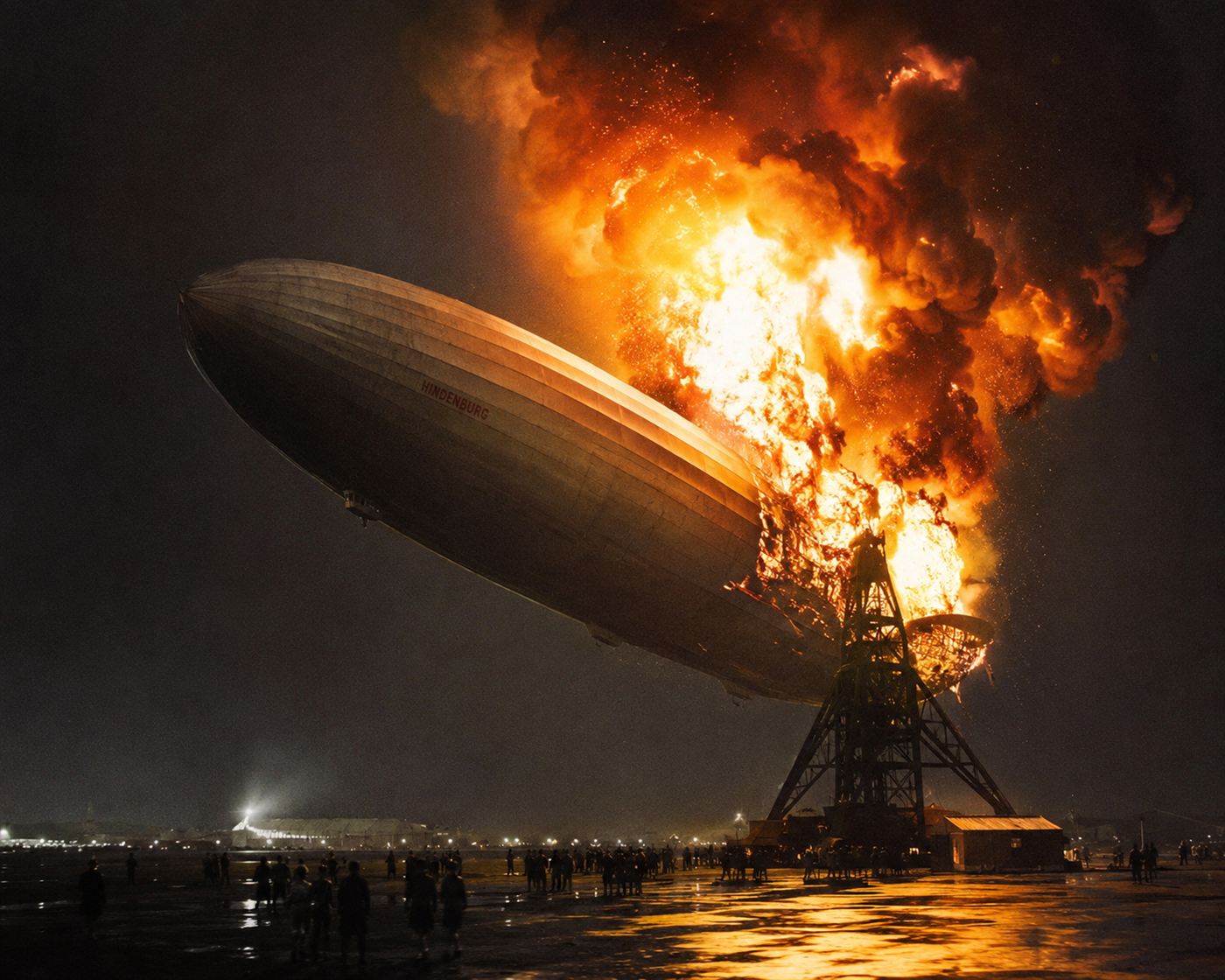
Almost everyone has seen the newsreel of the Hindenburg bursting into flame. Far fewer have heard of the disaster that came seven years earlier, killed even more people, and quietly ended an entire nation's dream of ruling the skies. It happened on a rainy hillside in France, in the dark, to a ship that should never have left England that night.
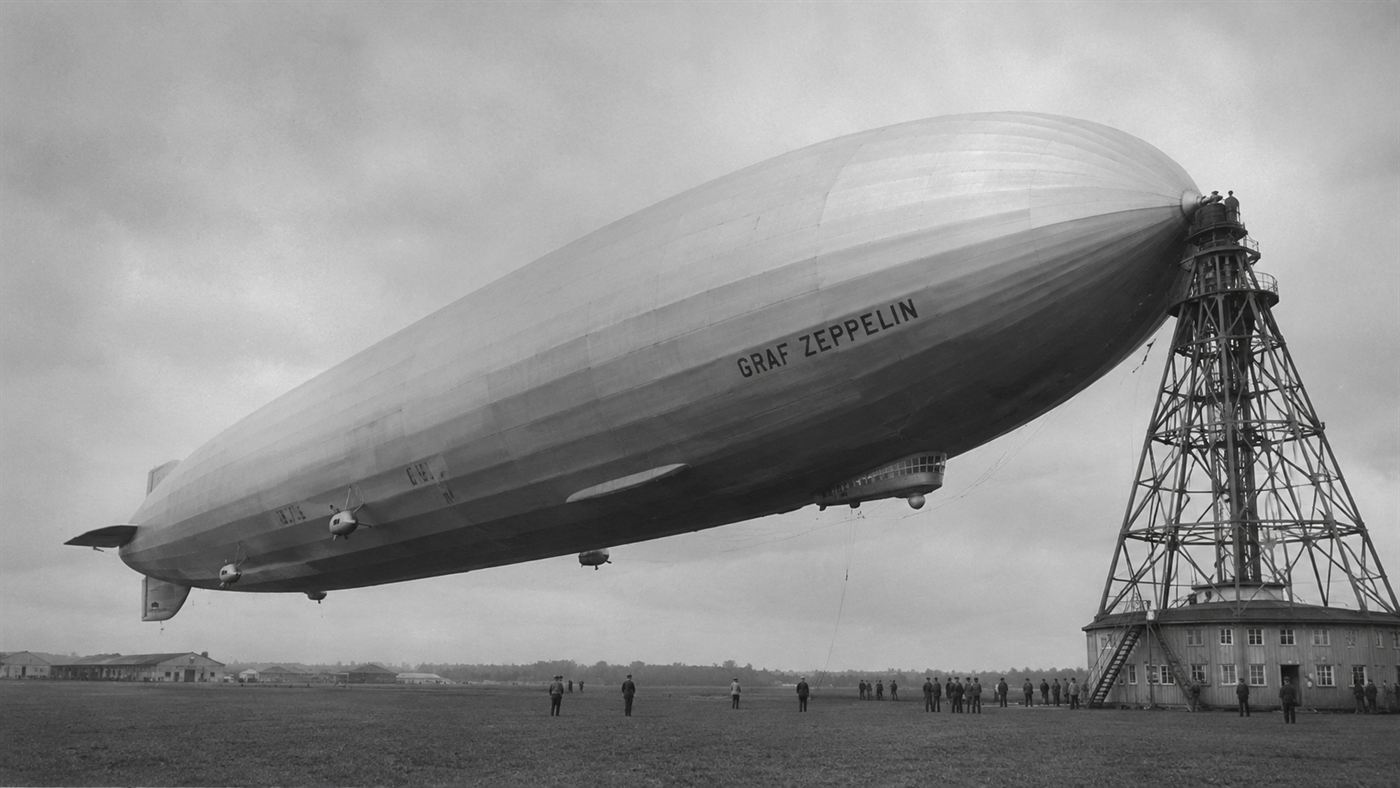
When it was built, the R101 was the largest flying craft in the world. Illustration: Watts & Wild.
The R101 was a British rigid airship, a vast hydrogen-filled giant longer than two football pitches, built by the government as the centrepiece of a grand plan to bind the British Empire together by air. The idea was breathtaking: passengers gliding in comfort from London to India, Canada and Australia aboard flying ocean liners. The R101 was meant to make that future real, and instead it ended it.
To understand why, you have to understand the pressure the ship was under, not from the wind, but from the men who were determined to fly it on time.
An empire to be joined by airship
In the 1920s Britain launched the Imperial Airship Scheme to build airships capable of crossing the empire, and it produced two of them. One, the R100, was built privately by a team that included some brilliant young engineers. The other, the R101, was built by the government's own staff at Cardington. The two ships became rivals, a public contest between private enterprise and state engineering, and the R101 carried the establishment's pride on its back.
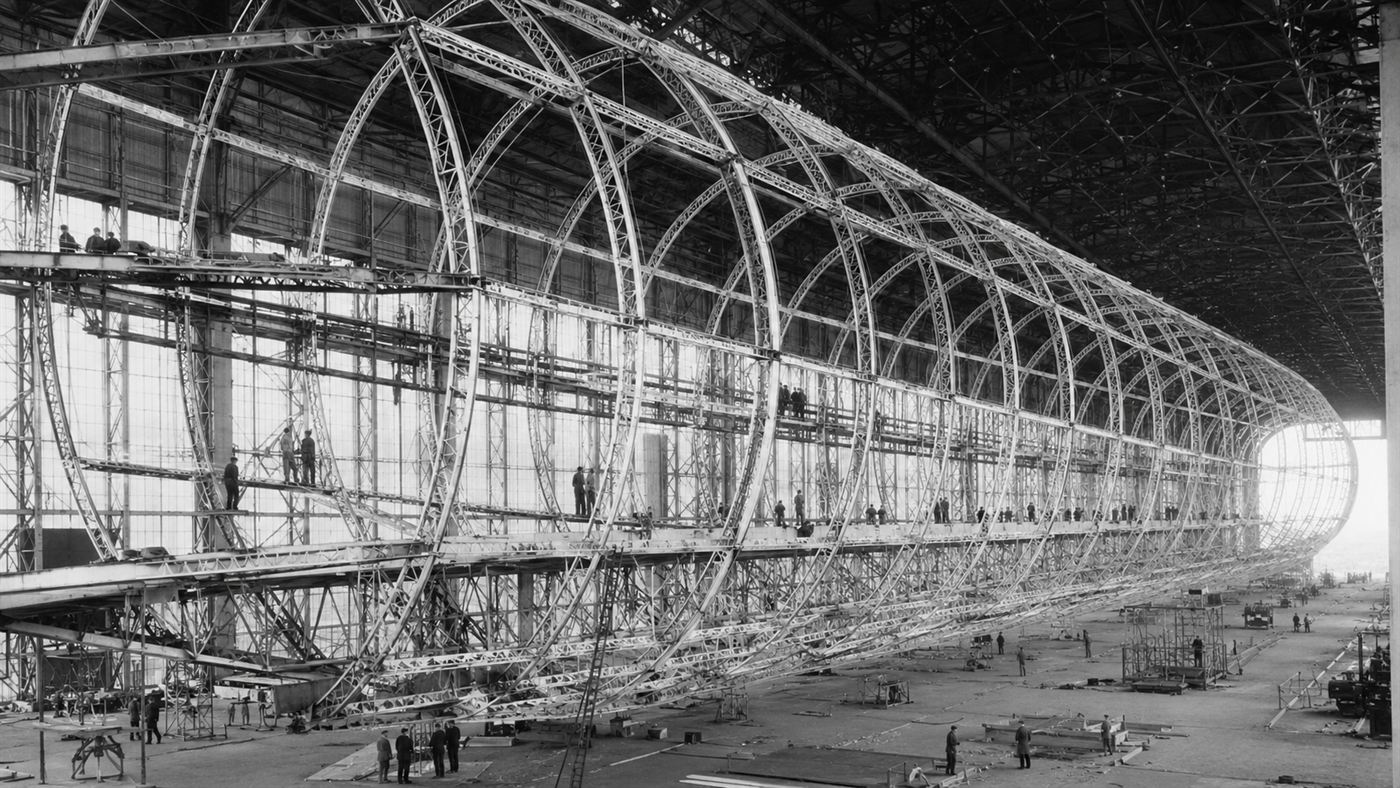
That rivalry mattered, because it pushed the R101 to be ambitious and to be seen to succeed. It was packed with novel ideas, and when it turned out to be too heavy to lift a useful load, engineers literally cut the ship in half and added a whole new section to give it more gas and more lift. A machine that complicated and that new needed time and caution. It was about to get neither.
The biggest thing ever to fly
In its final form the R101 stretched some 777 feet, around 237 metres, making it the largest flying object yet built by humankind. Its lift came from enormous bags of hydrogen, a gas that is wonderfully light and horrifyingly flammable. Inside, there were passenger cabins, a dining saloon and even a smoking room, a floating hotel held aloft by the most dangerous gas in the world.
For all its grandeur, the ship was troubled. The giant gasbags rubbed against the structure and leaked, the outer cover gave problems, and the margin between the weight it carried and the lift it could produce was uncomfortably thin. Everyone close to the project knew it was marginal. What it needed was more testing in bad weather, the one thing it never properly got.
Why the R101 flew before it was ready
The push to fly came from the top. Lord Thomson, the government's Secretary of State for Air and the scheme's great champion, wanted to make a triumphant return flight to India and be back in time for an important imperial conference. His ambition set a deadline, and the ship was hurried toward it. A certificate of airworthiness was granted in haste, on the eve of departure, for a ship that had barely been tested at full stretch in rough conditions.
On the evening of 4 October 1930 the R101 slipped its mast at Cardington and set off for Karachi, heavy with fuel, dignitaries and the weight of national expectation. Lord Thomson himself was aboard, along with much of the senior leadership of British airship development. They flew out over the Channel and into worsening weather, rain lashing the great cover, the ship low and labouring in the dark.
The hillside near Beauvais
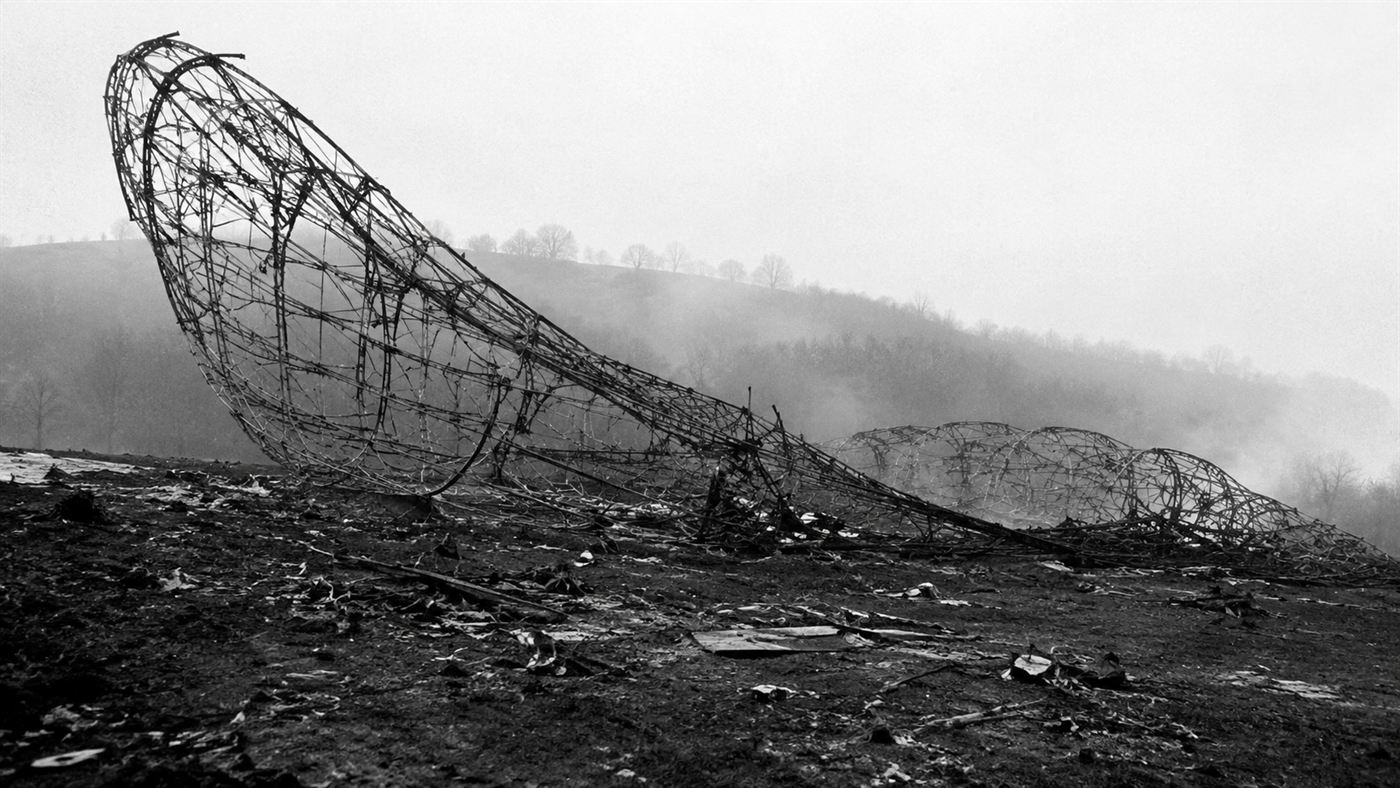
In the small hours of 5 October, near the town of Beauvais in northern France, the R101 began to lose height. It dipped, recovered, then dived again and struck rising ground at low speed, almost gently. Under any other circumstances the people aboard might have walked away. But this was a ship filled with hydrogen, and within seconds the wreck was a wall of fire.
Forty-eight of the 54 people on board were killed, among them Lord Thomson, the very man whose haste had launched the flight. In a single night, Britain lost its flagship airship and most of the experts who might have built the next one. The death toll was higher than that of the far more famous Hindenburg, which killed 36 people in 1937.
The honest catch
The cruellest part of the story is the ship that survived. The rival R100, built privately, had already flown successfully to Canada and back and was by most accounts the sounder machine. After the R101 fell, a shaken Britain lost its nerve completely, grounded the R100, and had it broken up and sold for scrap, even though it had done nothing wrong. The country walked away from airships for good, and the future of long-distance travel passed to the aeroplane.
It is tempting to say the R101 proves airships were always a doomed idea, but that is too neat. The deeper lesson is older and sadder: a promising, unfinished machine was pushed into the sky to meet a politician's timetable, against the quiet worries of the people who knew it best. The R101 did not fail because the dream was impossible. It failed because someone could not wait.
A nation's grandest flying machine fell on a French hill because it was sent up before it was ready, and an entire technology died with it. How many disasters are really failures of patience rather than failures of engineering? Tell us what you think in the comments.
Related reading: the Hindenburg, the airship fire everyone remembers, and the question of what really set it alight.