The Antonov An-225 was the largest plane ever built, a six-engined giant made to carry a space shuttle, and it was destroyed in its hangar in the opening days of Russia's invasion
The Antonov An-225 Mriya was the largest and heaviest aircraft ever to fly, an 88-metre-winged colossus built in the Soviet era to carry a space shuttle on its back. Only one was ever finished. In February 2022, it was destroyed on the ground near Kyiv.
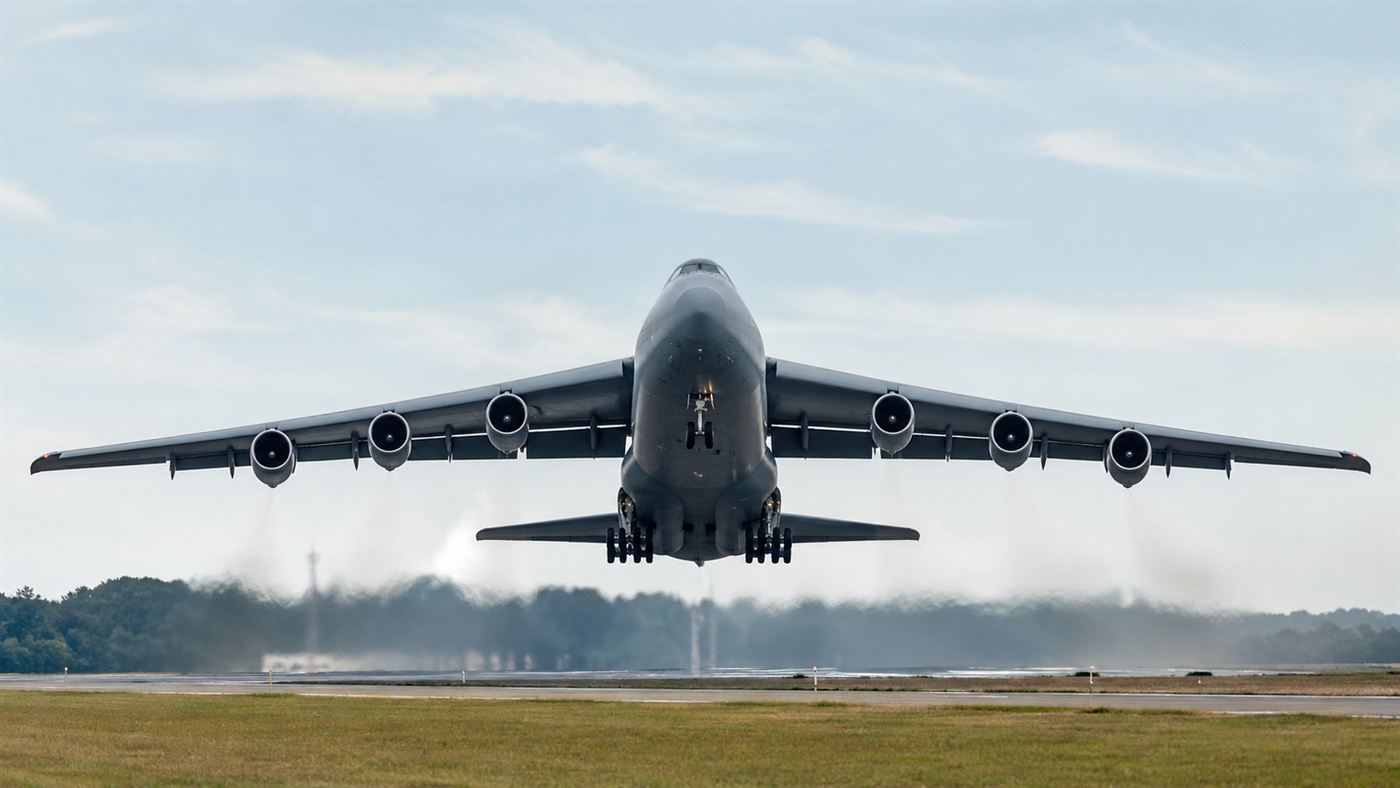
The Antonov An-225 Mriya, the largest aircraft ever built, in flight. Illustration: Watts & Wild.
The Antonov An-225 Mriya was almost too big to believe. With a wingspan of 88.4 metres, six jet engines and 32 wheels, it was the largest and heaviest aeroplane ever built, a flying machine longer than a football pitch that could lift up to 250 tonnes into the air. Its name, Mriya, means "dream" in Ukrainian, and for the people who built and flew it, that is more or less what it was.
It was born for one very specific job. As The National Interest has recounted, in the 1980s the Soviet Union needed a way to carry its Buran space shuttle and the parts of its giant Energia rocket, and Antonov's engineers in Kyiv answered by stretching their already-enormous An-124 into something without precedent. The An-225 first flew in 1988, ferried Buran on its back, and then watched the Soviet space programme collapse beneath it.
What was the Antonov An-225? The Antonov An-225 Mriya was the largest and heaviest aircraft ever built, a six-engined Soviet-era cargo plane with an 88-metre wingspan, designed to carry the Buran space shuttle. Only one was ever completed. It was destroyed near Kyiv during Russia's 2022 invasion of Ukraine.
A plane built to carry a space shuttle
The whole machine was shaped by the cargo it was meant to carry on its back, not inside it. To haul the Buran shuttle and oversized rocket sections, the Antonov team gave the An-225 a long, broad fuselage, added two more engines than its already-large predecessor for a total of six, and fitted twin tail fins so the bulky loads riding piggyback would not blank the airflow over a single central tail. The result looked less like a normal jet than a piece of infrastructure that happened to fly.
When the Soviet Union fell, Buran flew only once and the program died, leaving the world's biggest aircraft suddenly without the mission it was designed around. For most of the 1990s the lone An-225 sat idle in storage, its engines removed, a dream that the country which dreamed it could no longer afford. It might easily have ended there, quietly scrapped, the largest plane ever built reduced to spare parts.
A giant without a job, reborn as a global star
Instead it was given a second life. Around the turn of the millennium, Antonov refurbished the Antonov An-225 and put it back in the air as the flagship of its cargo airline, the only aircraft on Earth that could swallow loads nothing else could touch. It flew power-station generators, railway locomotives, wind-turbine blades and mining trucks across continents, charging a fortune for jobs no other plane could do.
Along the way it became something rare: a celebrity machine. Plane spotters tracked its every flight, and crowds gathered at airport fences whenever it was due, just to watch the impossible thing get off the ground. During the COVID-19 pandemic it hauled vast quantities of medical supplies around the world, and its appearances became small moments of wonder in a frightening year. The unwanted Cold War leftover had turned into a beloved global icon.
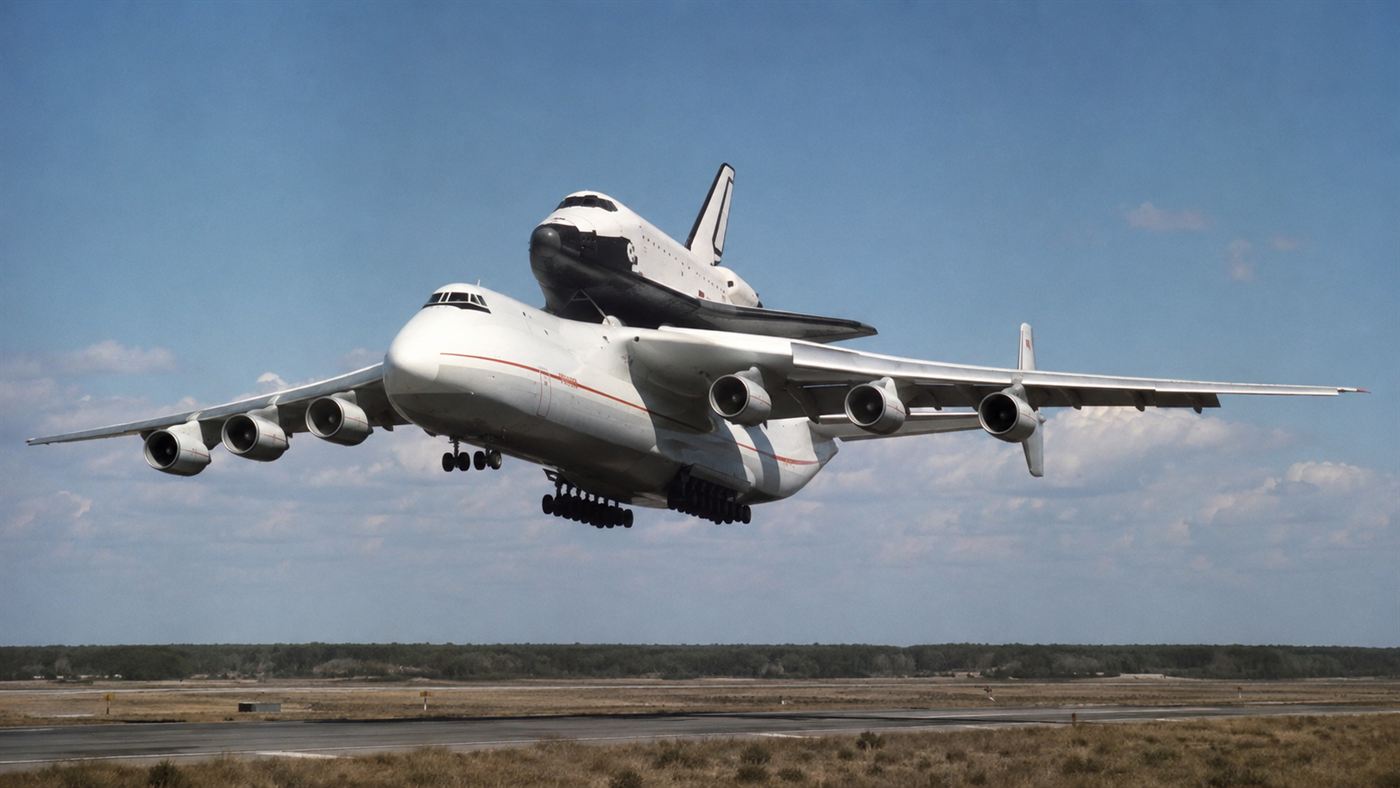
Just how big was the Antonov An-225?
The numbers still strain belief. The Antonov An-225 had a maximum takeoff weight of 640 tonnes and a wingspan of 88.4 metres, wider than any other aircraft ever to enter service. Its six Progress D-18T engines hauled it along at up to around 850 kilometres an hour, and its landing gear rode on 32 wheels to spread that colossal weight across a runway. It could carry 250 tonnes of cargo, including single items weighing up to 200 tonnes.
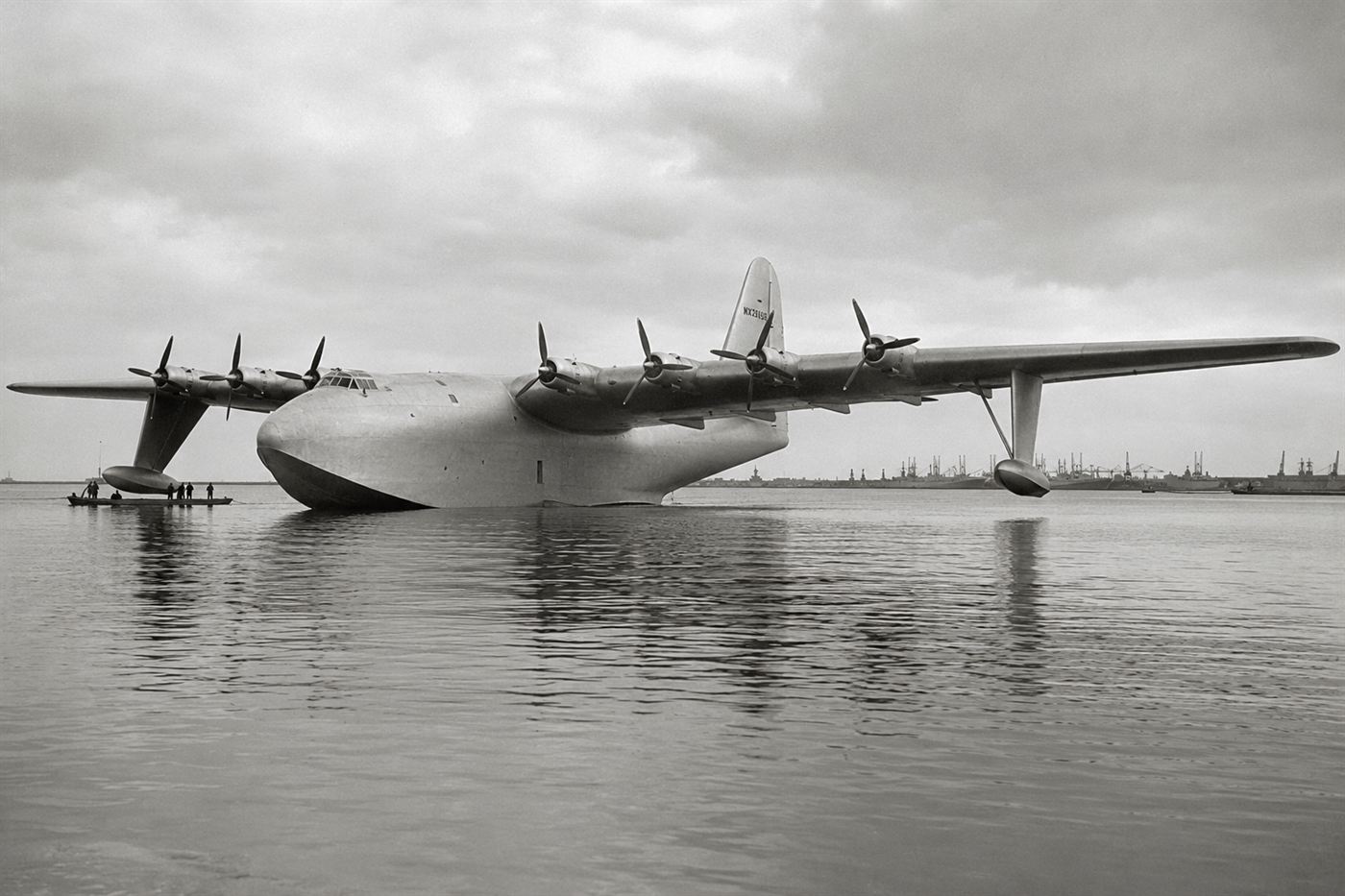
Across its career it set hundreds of world records for size, weight and payload, more than any other aircraft. It was so much larger than anything else that comparisons usually fall back on the only other plane in its league for sheer span, Howard Hughes' wooden Spruce Goose, which flew exactly once. The An-225, by contrast, worked for a living, hauling the heaviest freight in the world for two decades.
Destroyed in the first days of the war
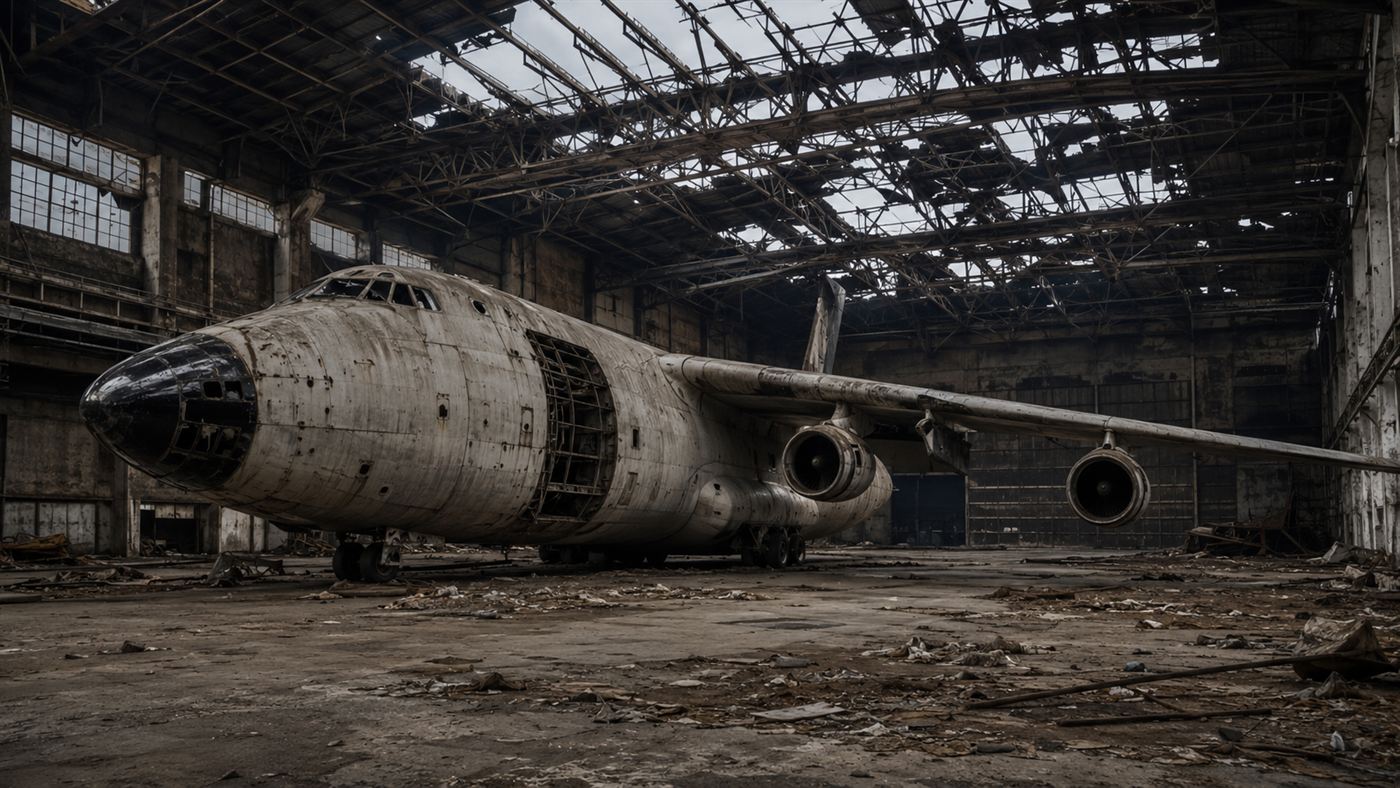
On February 27, 2022, in the opening days of Russia's full-scale invasion of Ukraine, the An-225 was caught in the Battle of Antonov Airport at Hostomel, just outside Kyiv. The aircraft was in its hangar, reportedly part-way through maintenance and unable to be flown to safety in time. In the fighting the hangar was hit, and the Mriya burned. Drone footage that emerged in April showed its forward fuselage gutted and its great wings only partly intact.
The loss was felt far beyond aviation. For Ukrainians the Antonov An-225 had been a point of national pride, a thing their engineers built that no other country could match, and its name, "dream," made its destruction read almost like a deliberate insult. Around the world, people who had only ever seen it in videos mourned a machine as if it were a public figure, which, in a quiet way, it had become.
Will the Antonov An-225 ever fly again?
There is a thread of hope, and it hangs on a second aircraft. Decades ago, a second An-225 airframe was begun and left perhaps two-thirds finished, and it has sat in a hangar ever since. In 2022, President Volodymyr Zelenskyy and Antonov announced their intention to complete it, partly as a working replacement and partly as a tribute, with the cost estimated at around 500 million dollars.
Whether that ever happens is genuinely uncertain. Finishing a half-built giant to modern standards, in the middle of a war, with a price tag in the hundreds of millions, is the kind of project that is easy to announce and very hard to deliver. The dream of a new Mriya is real, but for now it remains exactly that, a dream waiting on a peace that has not yet come.
The honest catch
It is worth being clear that the An-225 was, in cold terms, a magnificent impracticality. Six thirsty engines and a one-of-a-kind design made it hugely expensive to operate, and it only ever earned its keep on a thin diet of cargo too big for anything else. There was a reason no one built a second working copy for thirty years: the world rarely needs to move a 200-tonne object by air, and when it does, it pays dearly.
Its real value was never purely practical. The Antonov An-225 mattered because it proved what engineers could do when freed from ordinary limits, and because it gave millions of people the simple thrill of watching something that big leave the ground. Rebuilding it may not make economic sense, but the loss was never measured in economics. Some machines are worth more as dreams than as freight.
The largest aircraft ever built spent its life lifting loads nothing else could, became a beloved global star, and was burned in a hangar in the first days of a war. Should Ukraine spend half a billion dollars to finish a second Mriya, or let the dream rest? Tell us what you think in the comments.
Related reading: Howard Hughes' giant wooden flying boat, the Spruce Goose, which flew once and never again.