The factory making the tiny brains behind the AI boom is now rising in the Arizona desert
In 2026, on scrubland north of Phoenix, one of the most important factories on Earth kept growing. TSMC Arizona is a sprawling complex built to manufacture the advanced computer chips that run everything from phones to artificial intelligence, the most complex objects humanity has ever mass-produced, and it is now doing it on American soil.
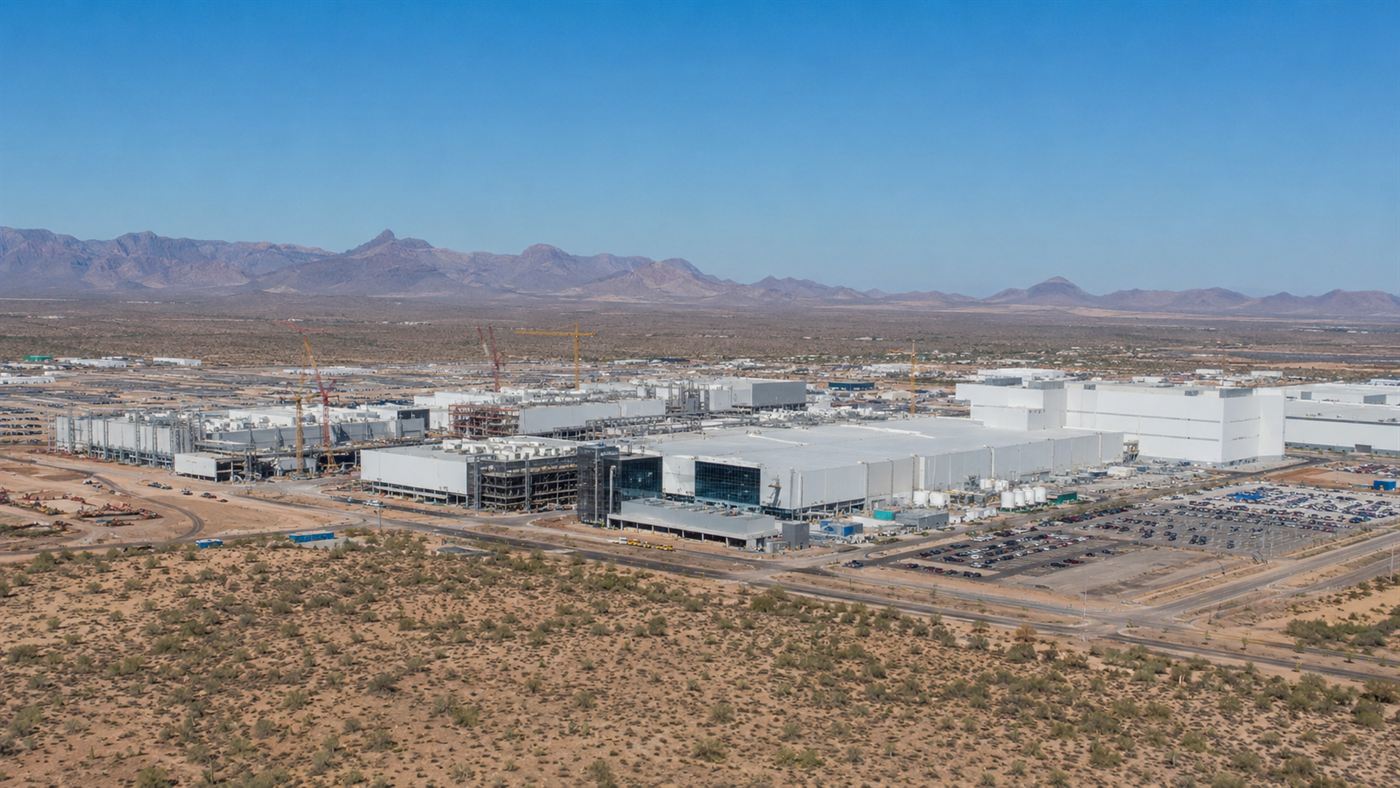
The TSMC Arizona complex, a sprawling chip factory rising in the desert near Phoenix. Illustration: Watts & Wild.
The scale is staggering. TSMC, the Taiwanese company that makes most of the world's most advanced chips, has committed on the order of 165 billion dollars to the site, the largest semiconductor investment in American history. By 2026 the first fab was already up and running, turning out cutting-edge chips for customers including Apple and Nvidia, and a second was finished and being fitted with equipment.
The eventual plan is not one factory but a cluster: six fabrication plants, two advanced packaging facilities and a research centre, spread across more than 2,000 acres of desert. In the trade this kind of super-complex has a name, a gigafab, and it would make Arizona one of the few places outside Taiwan capable of building the very best chips in the world.
The short version is that the tiny engines of the digital age, long made almost entirely on one island, are now being produced in the American Southwest, and 2026 is the year that shift became solid and visible.
Why TSMC Arizona matters so much
To grasp the stakes, you have to see how strange the chip world is. Almost every advanced device leans on the tiny brains inside almost everything you own, and the most sophisticated of them have been made overwhelmingly in a single country, Taiwan, by this one company. That concentration is efficient, but it is also a single point of failure for the entire modern economy.
A war, a blockade or even a bad earthquake near those factories could choke the supply of chips the whole world depends on, from cars to weapons to data centers. Building a slice of that capacity in Arizona is, in effect, moving some of the crown jewels closer to home, a hedge against a risk that keeps governments and chief executives awake at night.
How a chip factory works its magic
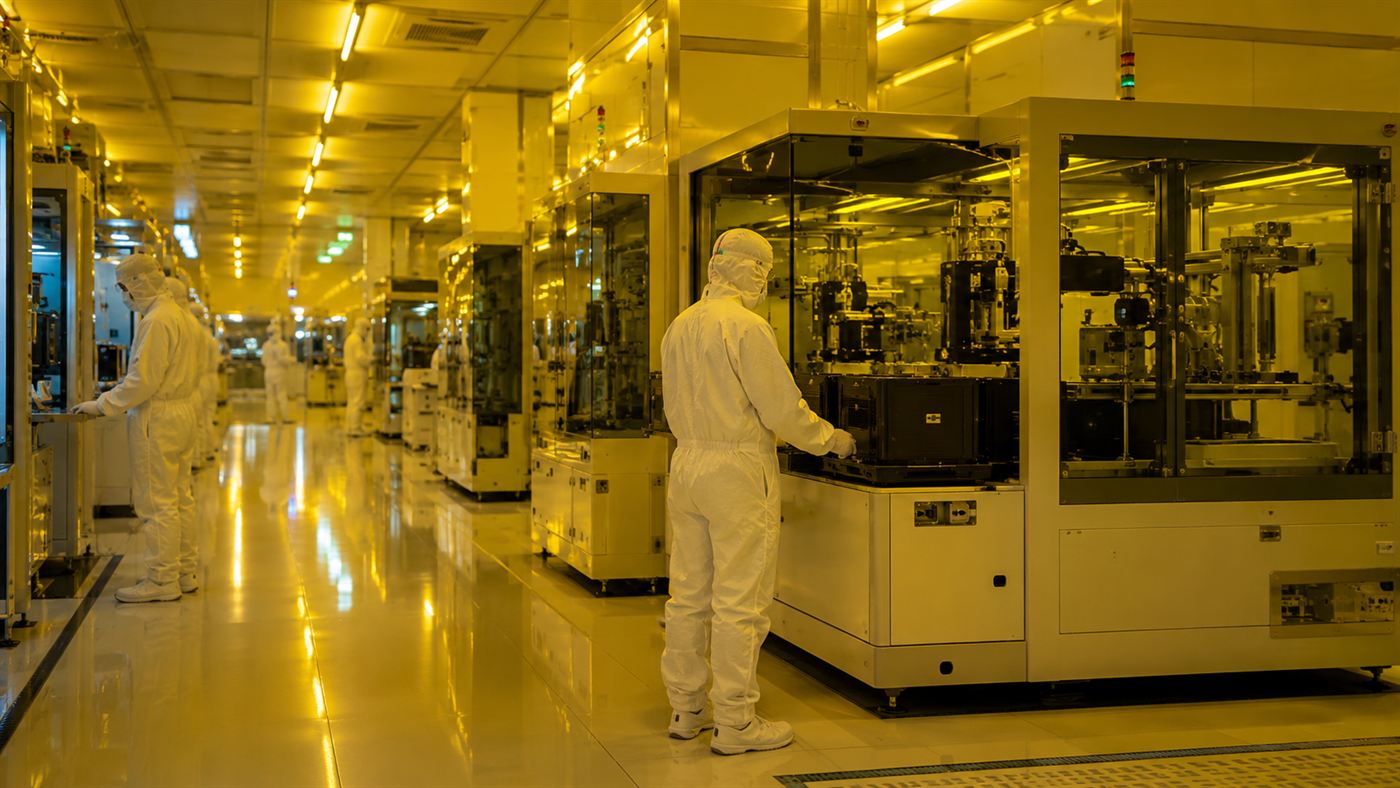
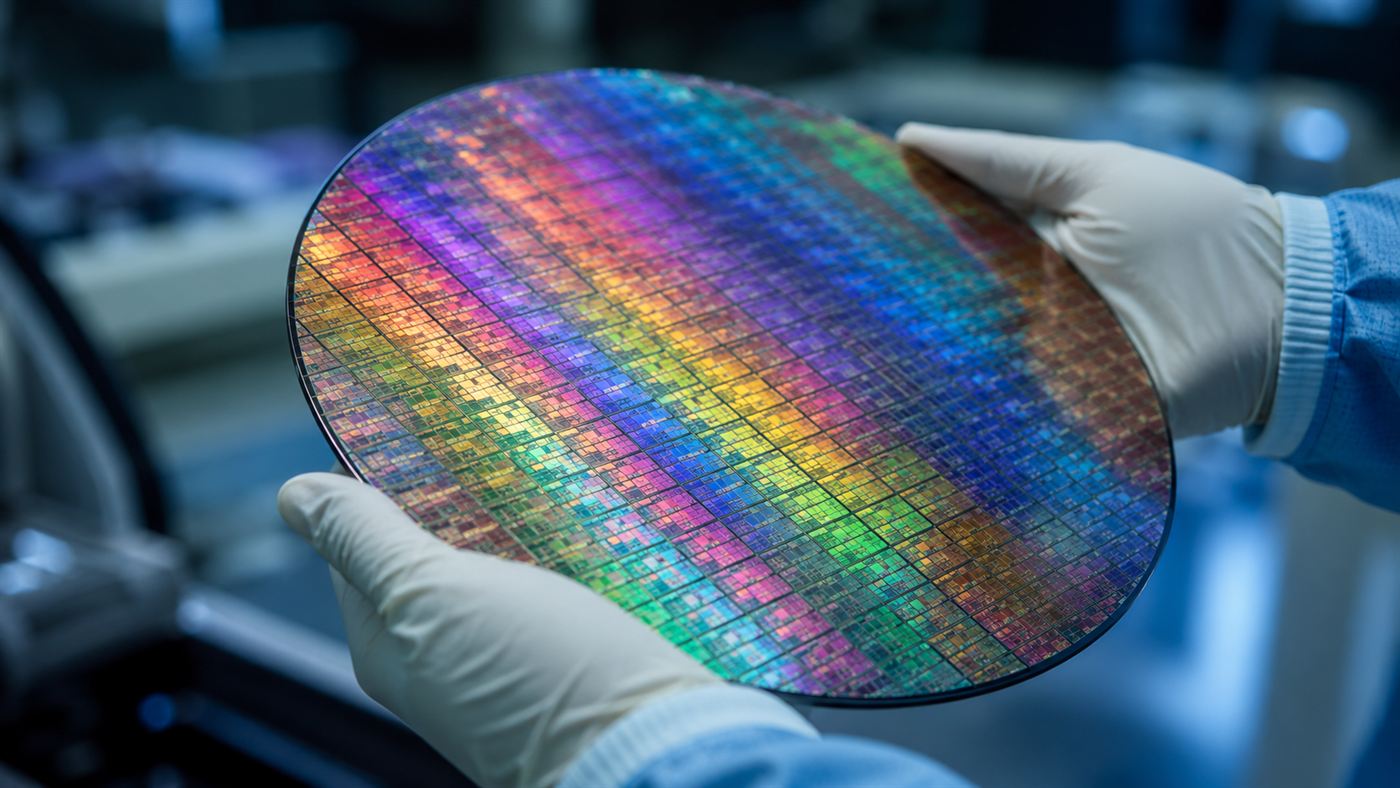
A modern semiconductor fab is one of the most demanding places humans have ever built. Inside, the air is kept thousands of times cleaner than an operating theatre, because a single speck of dust can ruin a chip. Machines print patterns finer than a virus onto polished discs of silicon, layer upon layer, in hundreds of precise steps that can take months to complete for a single batch.
The result is a fingernail of silicon carrying tens of billions of switches, working together to do billions of calculations a second. These are, without exaggeration, the most intricate things made at scale anywhere, and the handful of companies that can build the very best of them wield enormous power over what the rest of the world can do.
Is America really back in the chip game?
Partly, and it is worth being precise about the limits. The Arizona site is a genuine achievement, but for a while its processes have trailed a step or two behind the newest lines back in Taiwan, where TSMC still develops and first deploys its most advanced technology. The crown, for now, stays on the island.
There is also the matter of who paid. The build leans heavily on public support, billions of dollars in US subsidies meant to lure the industry home, and even then it has faced delays, cost overruns and reported clashes over working culture between American and Taiwanese staff. Real progress, yes, but not a simple or cheap homecoming.
The honest catch
It is easy to read this as America reclaiming the future of technology, and the achievement is real: cutting-edge chips are now being made in the United States at last. In a world that runs on these slivers of silicon, having more of them built in more places is genuinely reassuring, and the engineering on display is world-class.
But the catch deserves plain words. This is one company, still headquartered abroad, building in the desert with tens of billions in public money, and it does not by itself make America self-sufficient in chips; the leading edge, much of the supply chain and the deepest expertise still sit elsewhere. It is also a thirsty, power-hungry industry planted in a dry state, another heavy draw on scarce water and a straining grid. TSMC Arizona is a monumental thing, and a real hedge against a real danger. It is not, on its own, independence, and it is worth seeing clearly as the beginning of a long road rather than the end of one.
Sources: Tom's Hardware on TSMC Arizona, Blackridge Research, and TSMC's own Arizona fab page.
The most complex machines on Earth are now being stamped out of the Arizona desert, tens of billions of switches at a time. Is bringing chip factories home worth the vast subsidies and the strain on water and power? Tell us what you think in the comments.
Related reading: the data centers turning to their own reactors to feed their chips. See also Bell Labs, the lab where the silicon age truly began, and the humanoid robots that will run on chips like these.