A village schoolteacher in 1890s Denmark cracked the science of wind power and split water into hydrogen to light his school, a century before the rest of the world caught up
When people argue about who invented modern wind energy, they reach for famous names and big companies. The real answer is stranger and humbler: a Danish science teacher named Poul la Cour, who in the 1890s built whirring machines in a country schoolyard, worked out the rules every turbine still obeys, and stored the leftover power as hydrogen to light the classrooms.
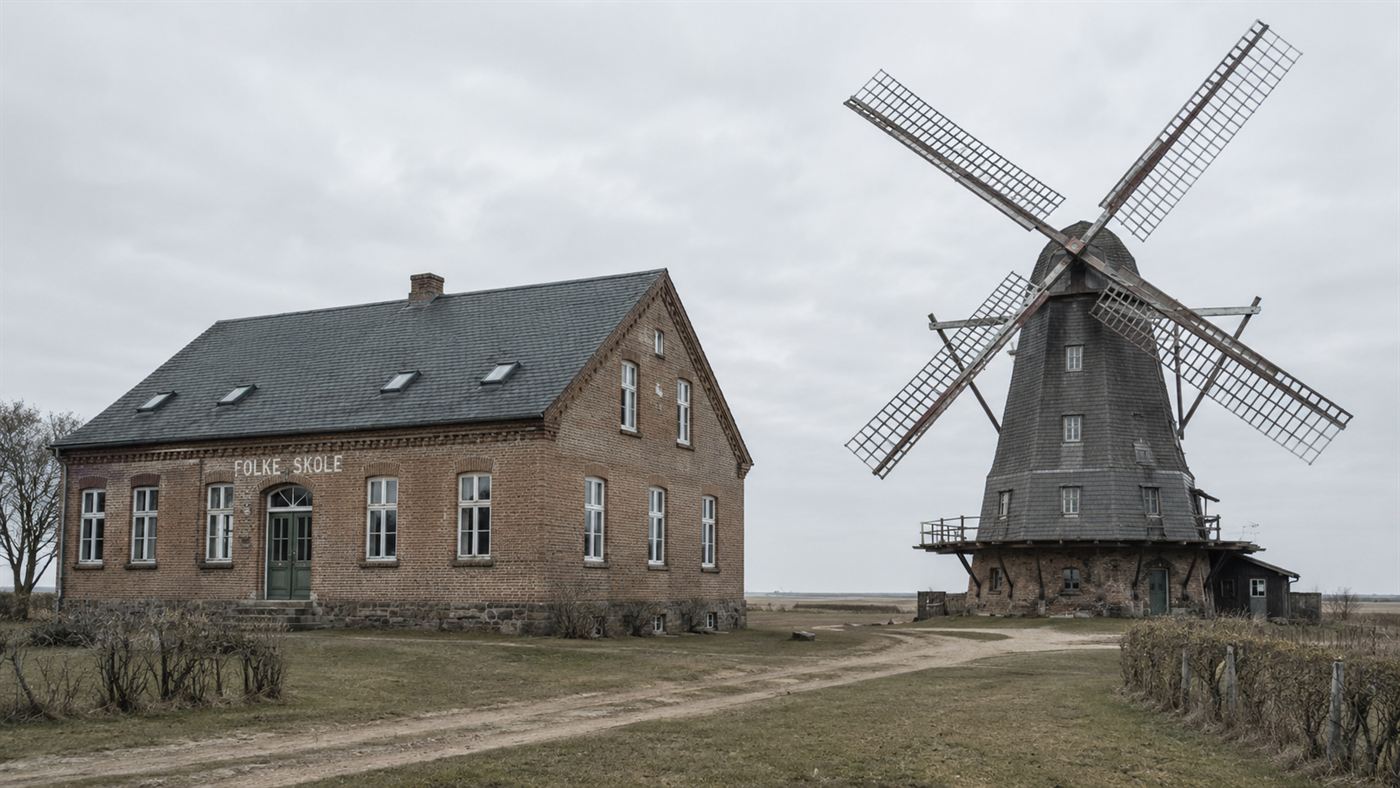
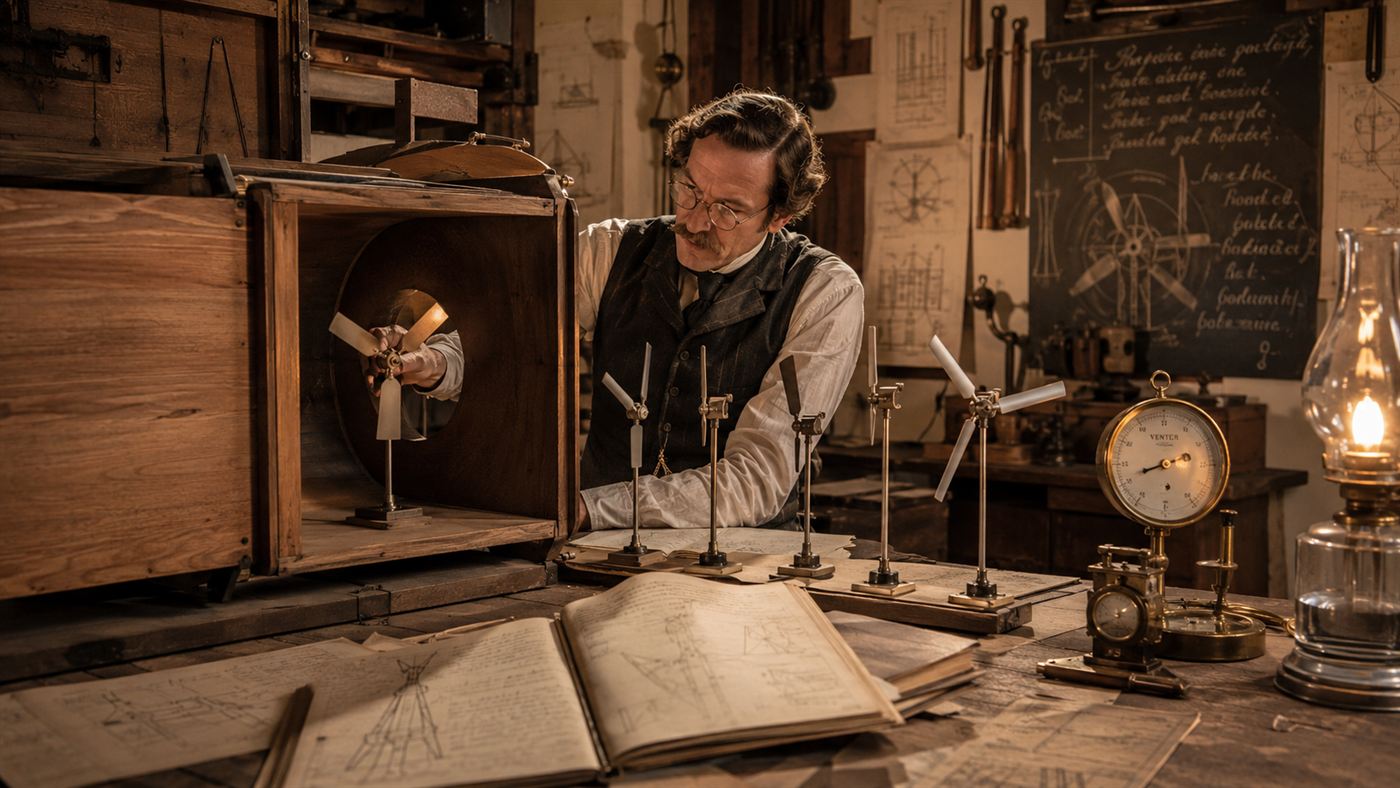
La Cour's experimental mill at Askov turned the wind into electricity, and then into hydrogen. Illustration: Watts & Wild.
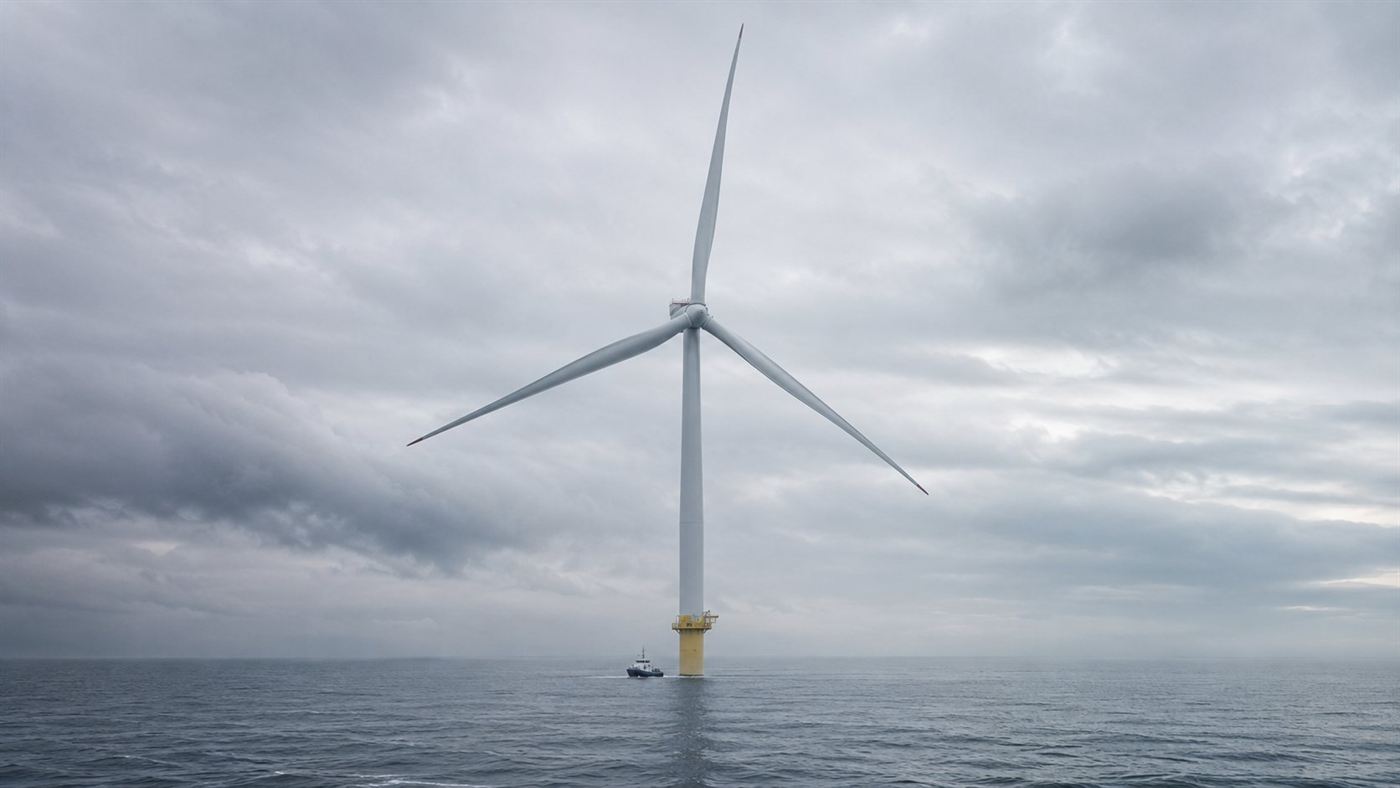
Denmark is now a giant of clean energy, a small country that on windy days makes more electricity than it can use and sells the surplus to its neighbours. It is tempting to think this is a recent achievement, born of modern politics and modern engineering. In truth its roots run back more than a century, to a schoolteacher who believed the wind could free ordinary people from coal.
That man was Poul la Cour, born in 1846, a gifted scientist who could have chased fame in a city laboratory. Instead he chose to teach at the Askov Folk High School, a rural college for adult students, and it was there, surrounded by farmland and stiff Atlantic breezes, that he turned a folk school into the birthplace of an industry.
How Poul la Cour turned wind into a science
Windmills were nothing new in Denmark, of course. They had ground grain and pumped water for centuries. What nobody had done was study them properly as machines for making electricity. In 1891, with backing from the Danish government, as Wikipedia records, la Cour built the country's first electricity-generating wind turbine in the grounds at Askov, and then did something no miller had ever bothered with: he tested it like a physicist.
To do that he built one of the world's first wind tunnels, a box in which he could measure how different blades behaved in a controlled stream of air. The results overturned common sense. Everyone assumed that more sails meant more power, yet la Cour found the opposite. A rotor with fewer blades, turning faster, captured the wind far more efficiently than a crowded wheel of slats, and that single insight sits at the heart of every wind turbine spinning today.
Solving the problem of a fickle wind
La Cour quickly ran into the same wall that still frustrates engineers: the wind does not blow on demand. A turbine is useless for lighting a room if it falls still at nightfall, so he needed a way to save the energy for later. His answer was astonishingly modern. As the H2GP project describes his pioneering work, he used the electricity from his turbine to run an electrolyser, a device that splits water into hydrogen and oxygen.
The hydrogen could be stored and then burned to give light, so the school's lamps were effectively running on bottled wind. It was, in spirit, exactly the green hydrogen that energy companies talk about today, achieved in a Danish village in the 1890s. It was not without drama, either; a hydrogen leak once blew out the windows of the school, a vivid early lesson in the hazards of the fuel.
Why Denmark and not someone else
What truly sets Poul la Cour apart is that he did not keep his discoveries to himself. He was a teacher to his core, and he set out to spread wind power across the countryside as a tool for ordinary farmers. He founded a society for what he called wind electricians, published a journal, and as the Poul la Cour Museum recounts, ran courses that trained a whole generation of people to build and run their own turbines.
By the time he died in 1908, dozens of his machines were turning across rural Denmark, quietly electrifying farms and villages that the central power stations had ignored. That network of skilled people and practical know-how never really disappeared, and it is the deep reason that Denmark, of all places, became the heartland of the modern wind industry that gave the world companies like Vestas.
The honest catch
It would be wrong to pretend la Cour did it all alone, or that the path from his mills to today's giants was straight. His turbines were small and the electricity they made was modest, useful for a farm but nowhere near the scale of a power station. After his death, cheap coal and oil pushed his ideas to the margins for decades, and wind power in Denmark went quiet until the oil shocks of the 1970s revived it.
His hydrogen scheme, clever as it was, was also inefficient, and storing energy as hydrogen is still a hard, expensive problem more than a hundred years later. La Cour was not a lone genius who handed us a finished technology. He was something rarer and more useful: a teacher who proved the core ideas were sound, then trained the people who would carry them forward when the world was finally ready.
Why a country teacher still matters
It is easy to imagine the history of energy as a story of tycoons and corporations. Poul la Cour is the quiet rebuttal to that idea. The science that lets a wind turbine power a city, and the dream of turning surplus wind into hydrogen, both took shape not in a boardroom but in a folk school, in the hands of a man whose main job was teaching farmers' children.
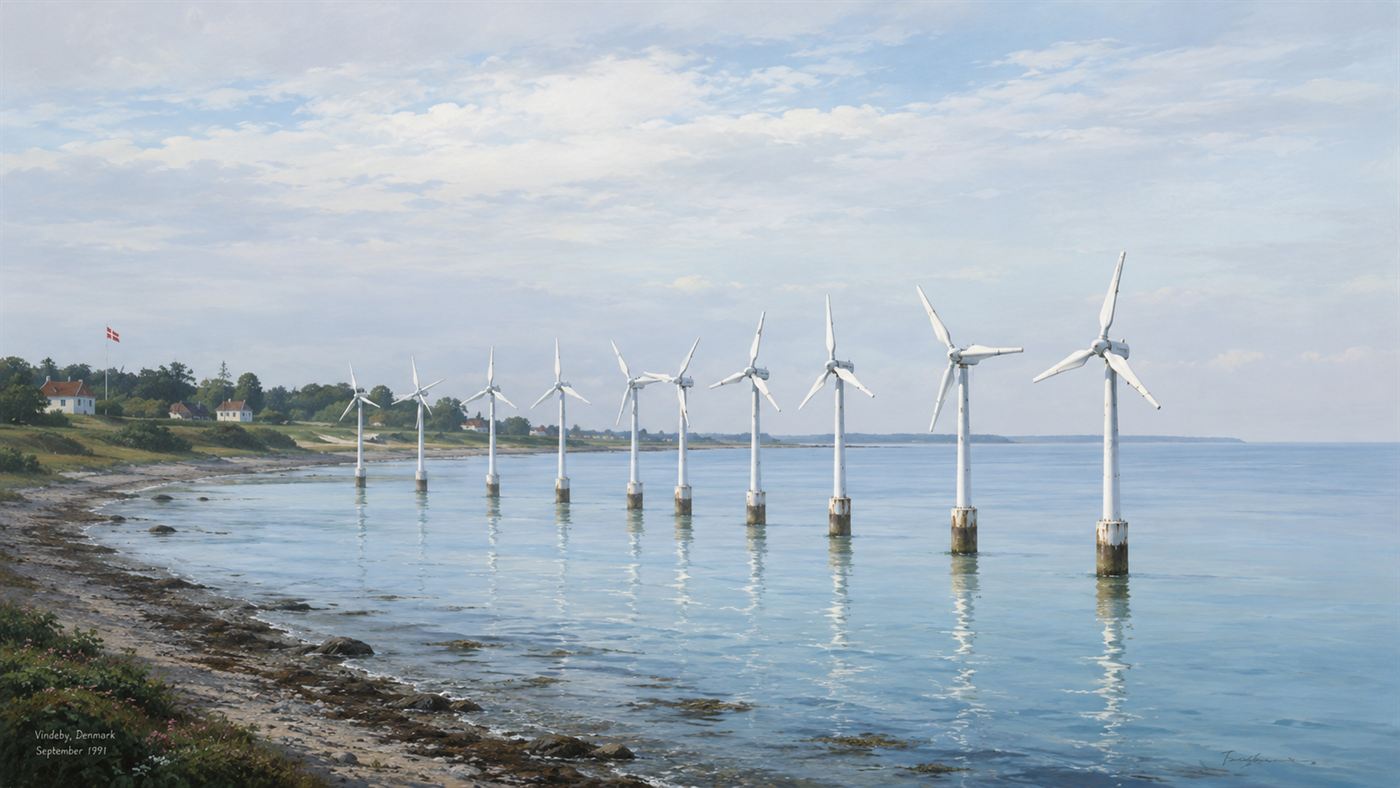
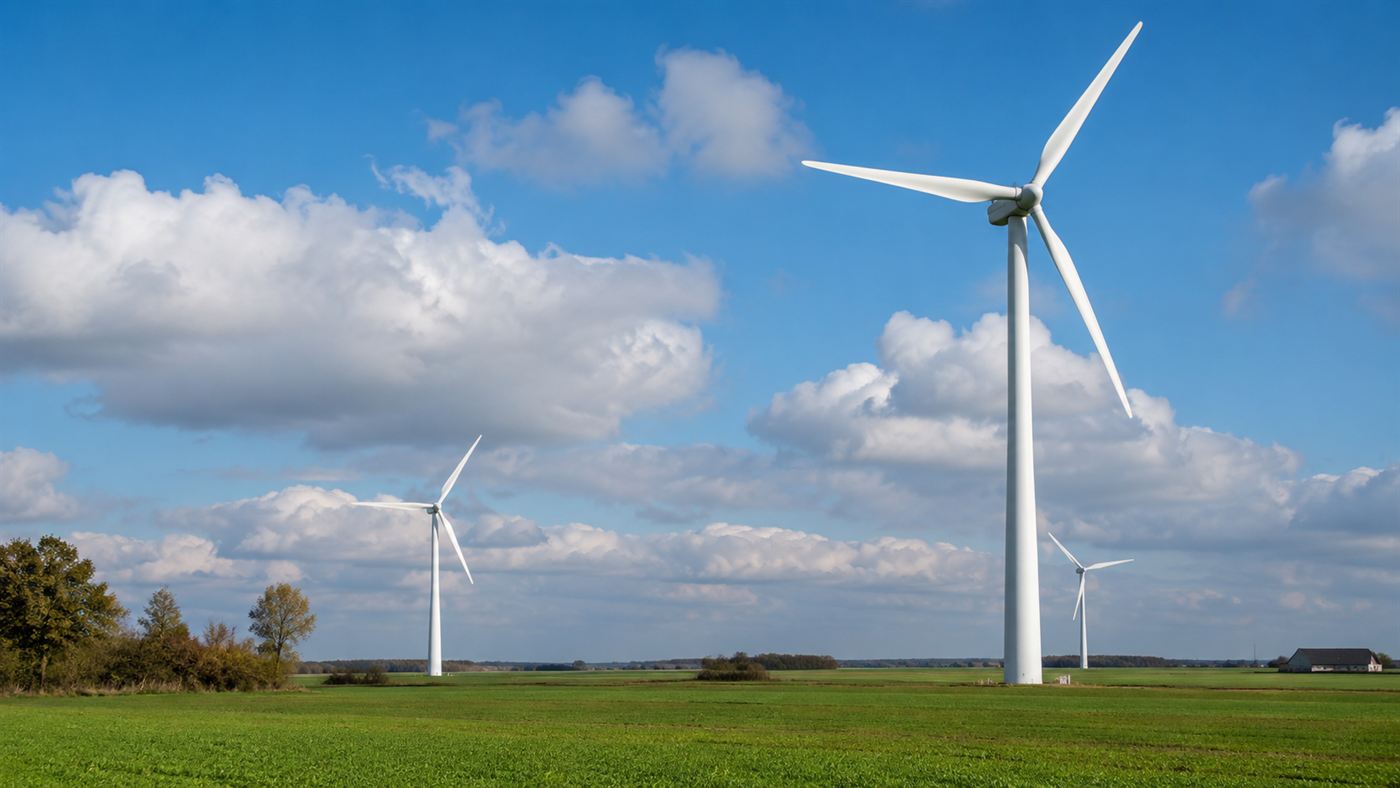
Every time Denmark runs on the breeze, it is collecting on an investment a teacher made more than a century ago. The next time you see a slim three-bladed wind turbine cutting the sky, it is worth remembering that its shape was settled in a wooden box at a country school, by a man who simply refused to believe the wind could not be tamed.
A village teacher worked out the rules of wind power and made hydrogen from the breeze in the 1890s, then trained the people who would build an industry. Does it change how you see clean energy to learn it began in a school, not a corporation? Tell us in the comments.
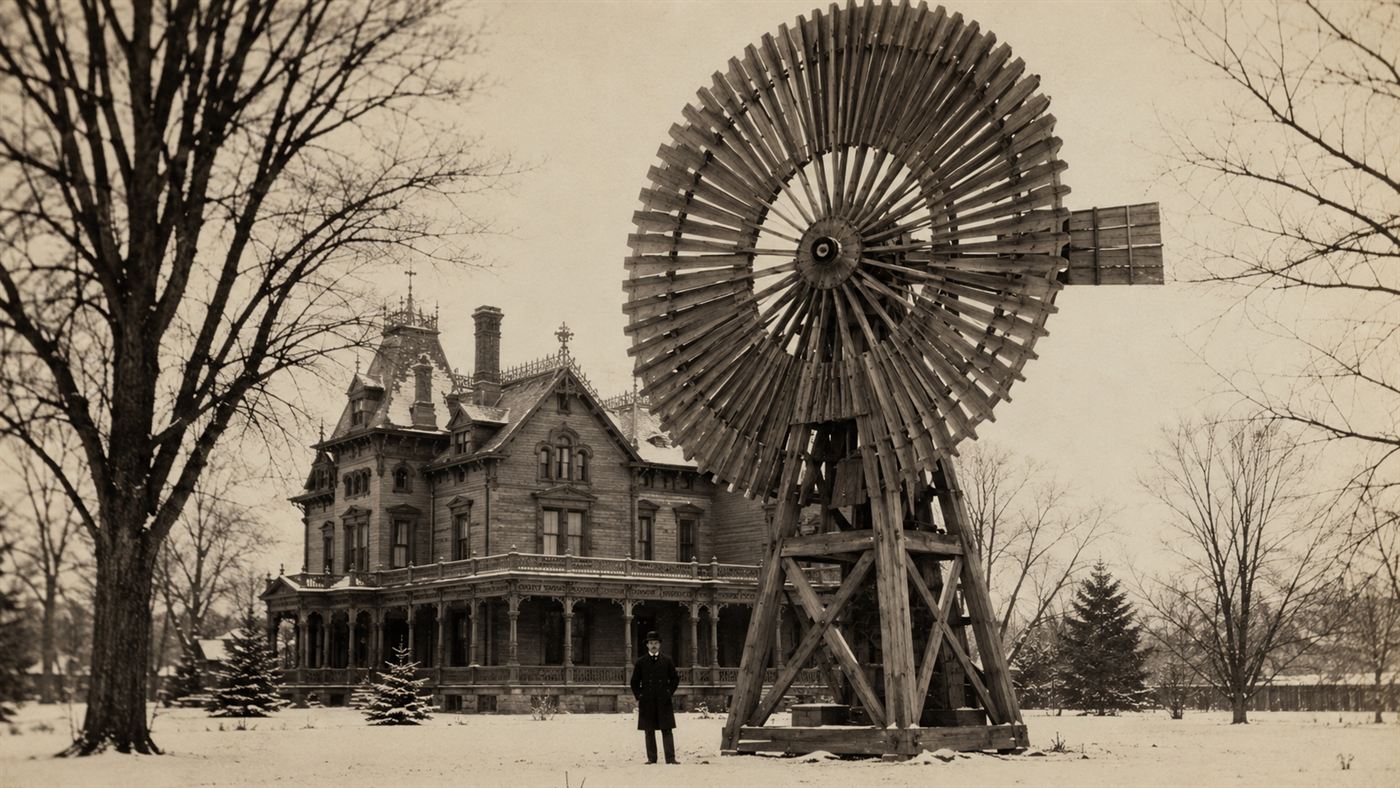
Related reading: The American millionaire who lit his mansion with a giant backyard wind turbine in 1888, and the Gedser wind turbine, where la Cour's student Johannes Juul built the template for every modern turbine.