A watchmaker found an 18th-century ship two thousand feet down, its cargo of porcelain almost untouched
In June 2026, Norwegian archaeologists shared a find one of them called almost beyond belief: a merchant ship from around 1750, resting in the cold dark of the Skagerrak, still loaded with delicate dishes that survived the sinking. Now called the Porcelain Wreck, it was spotted not by a museum expedition but by a watchmaker with a small boat and a large curiosity.
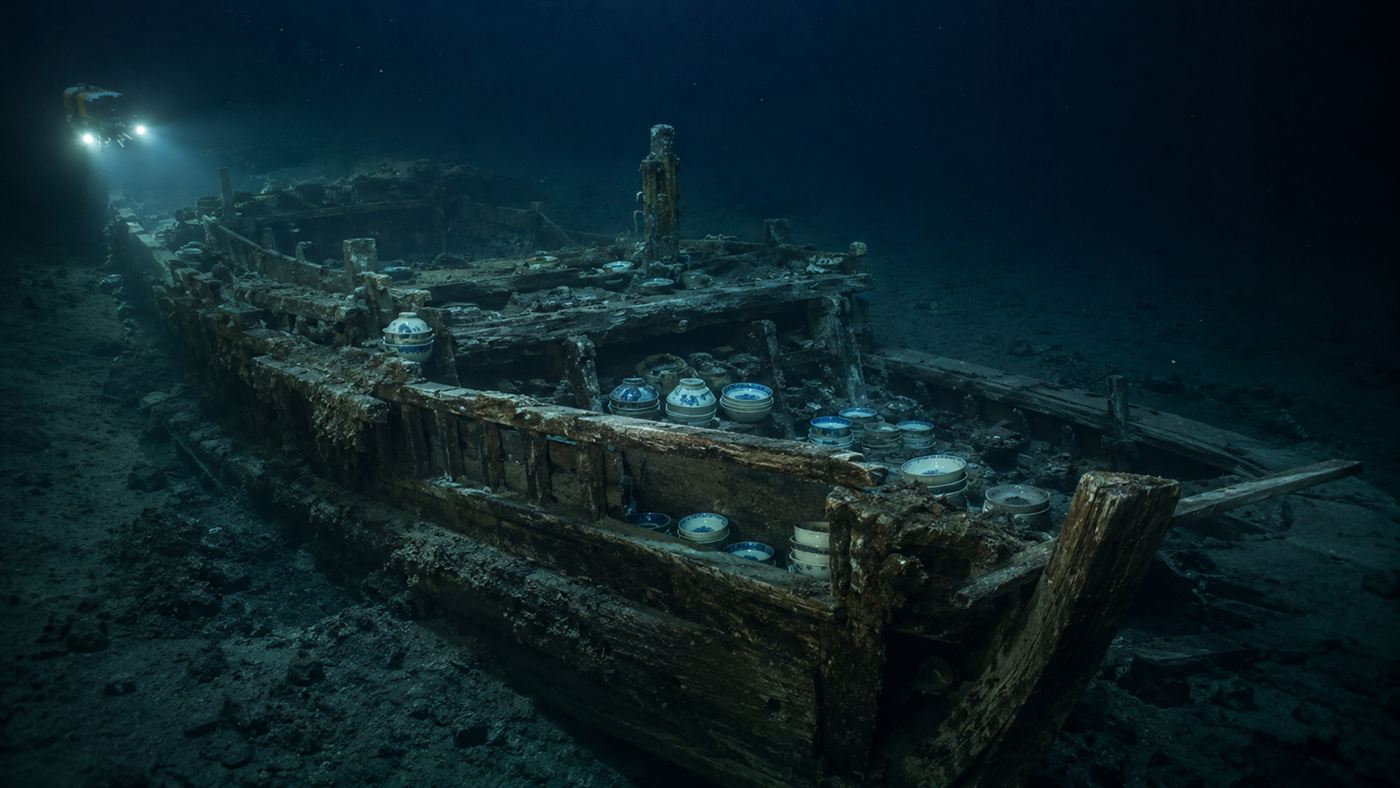
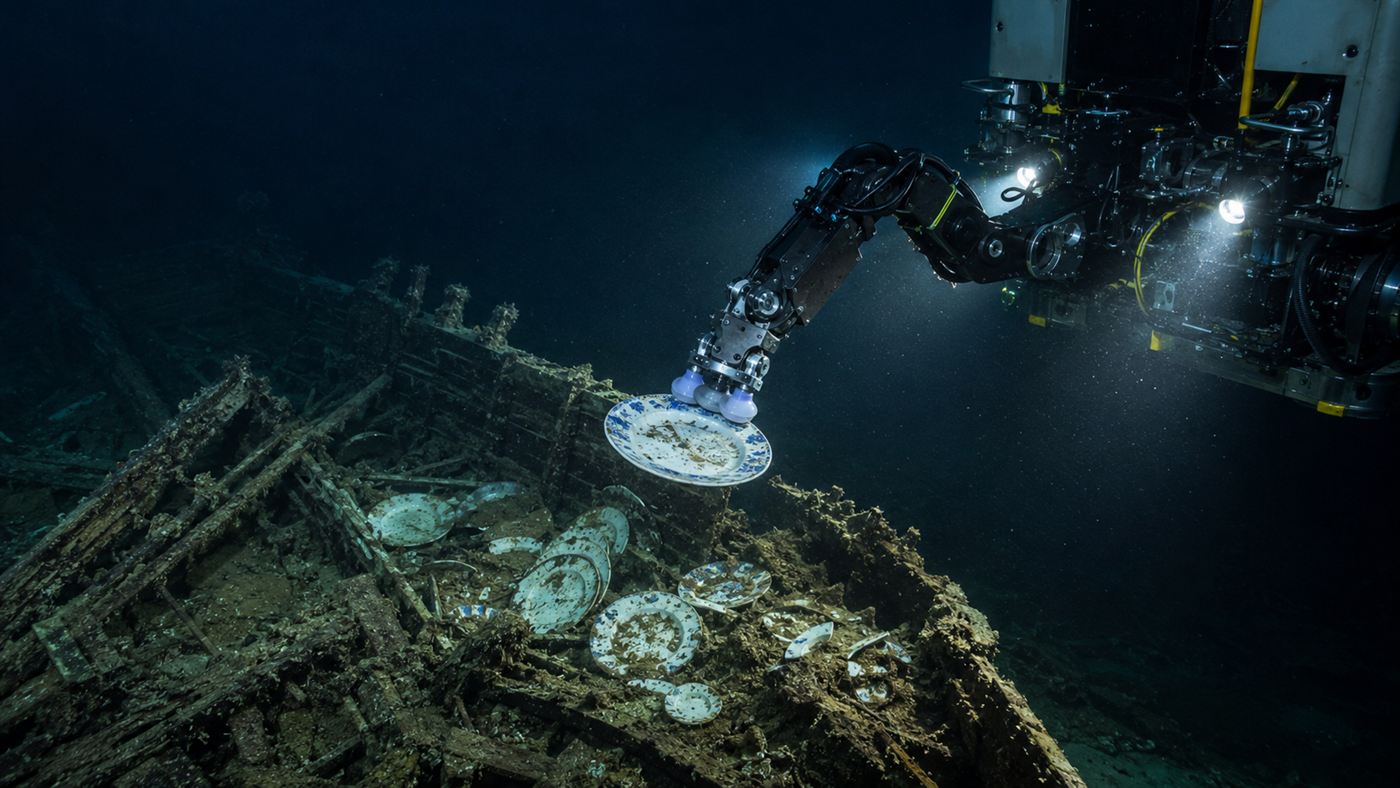
Stacks of dishes lie among the timbers of the Porcelain Wreck, deep in the Skagerrak. Illustration: Watts & Wild.
The man behind the discovery is Espen Saastad, who repairs watches for a living and runs a small underwater survey company on the side. Exploring the Skagerrak, the strait that separates Norway from Denmark, his equipment picked up something on the seabed roughly 2,000 feet down, far too deep for divers. He did the right thing and called the Norwegian Maritime Museum in Oslo, whose director general, Hanna Geiran, summed up the reaction in three words: it is almost beyond belief.
What lay below was a shipwreck from the middle of the 18th century, and its hold was a time capsule. Alongside the ship's timbers sat neat stacks of Chinese porcelain, barrels of grain and an array of European luxuries, from chandeliers to fine stemmed glasses, all sitting in the dark almost exactly where they had settled some 275 years ago.
The short version is that an ordinary man with a curious hobby stumbled on an extraordinary window into a vanished world of trade, sunk and forgotten for the better part of three centuries.
What the Porcelain Wreck was carrying
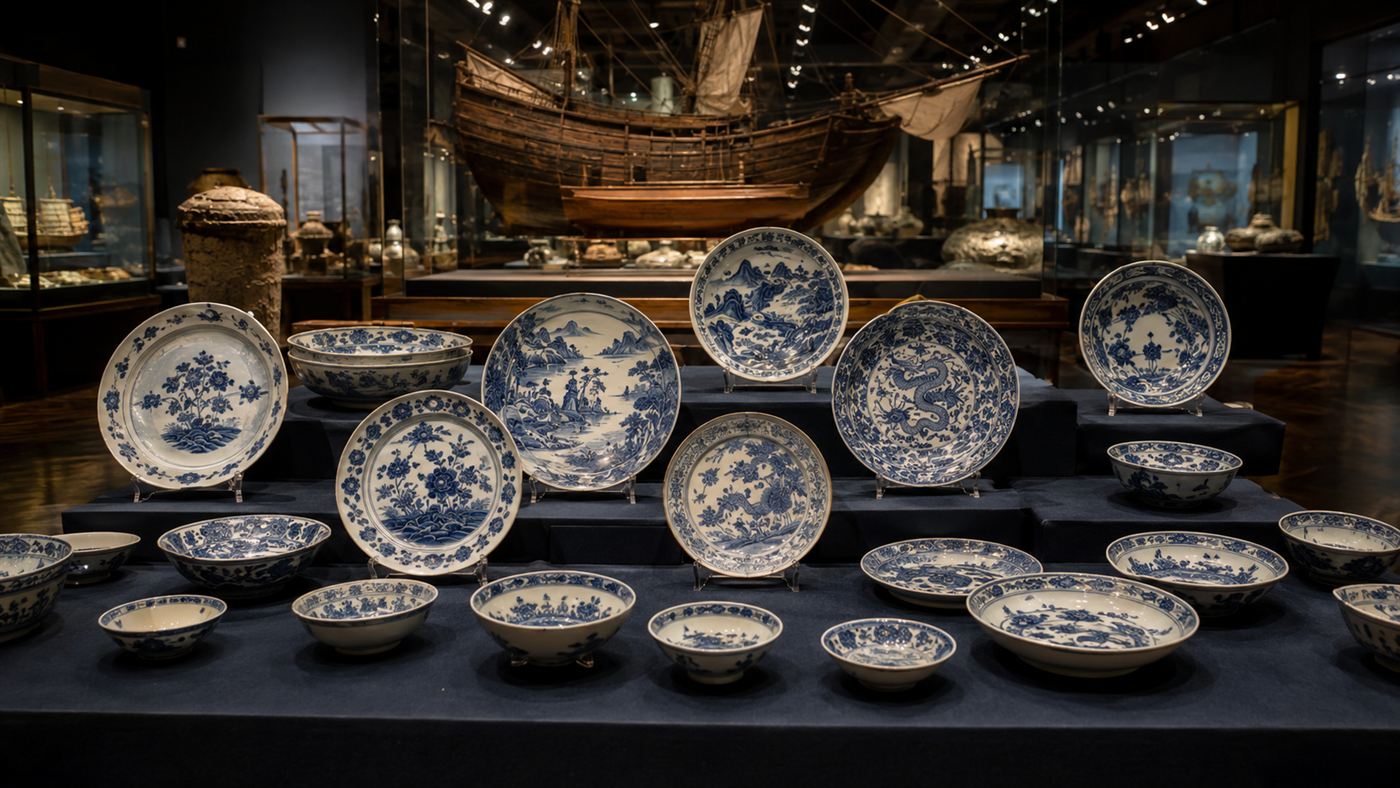
The cargo is what makes the find so special. Much of it is Chinese porcelain, including styles known as Batavia ware and Blanc de Chine, the kind of prized ceramics that once travelled halfway around the world to reach wealthy European tables. To find such pieces intact, dinner plates that survived two and a half centuries in the dark, is genuinely rare, because most shipwrecks scatter and shatter their fragile goods.
Around the porcelain lay the rest of a merchant's fortune: barrels of grain, glittering chandeliers, delicate glassware, and, tantalisingly, a sealed box whose contents are still a mystery, possibly coffee, tea, cocoa or medicine. Together they read like a shopping list of what the well-off wanted in the 1700s, a floating snapshot of an entire vanished world of appetite and trade.
How the deep kept it so perfectly
The wonder is that any of it survived. The answer lies in the water itself. Two thousand feet down, the sea is cold, dark and almost still, and crucially it holds little oxygen, which starves the microbes and shipworms that would normally devour timber and wrappings in shallower, livelier water.
In that quiet, chilly gloom, time slows to a crawl. Wood that would rot away near the surface can linger for centuries, and hard goods like ceramics and glass, already nearly immortal, simply wait. The very depth that made the wreck so hard to find is the same thing that kept it so beautifully whole, a bargain the ocean strikes again and again with its lost ships.
How do you rescue treasure from that deep?
You certainly do not send down a diver. Instead, the team used remotely operated machines, an underwater vehicle carrying cameras and a drone fitted with a robotic arm, its grip softened with suction cups so it could cradle a fragile plate without cracking it. With these careful robotic hands they lifted about 40 items in May 2026, now held at the museum in Oslo, Norway, which plans a permanent exhibition.
It is delicate, expensive, patient work, closer to keyhole surgery than salvage. Each object has to be found, filmed in place, gently freed and raised through half a kilometre of water without harm. That so many pieces came up whole is a tribute both to the machines and to the deep that preserved them, a robot arm lifting treasure from a place no human can go.
The honest catch
It is easy to picture this as pure romance, sunken treasure raised into the light, and there is real wonder in it. A wreck like this is a rare, vivid page from the age of sail and global trade, and studied carefully it can teach us about the routes, tastes and lives of people long gone. Preserved this well, it is a genuine gift to history.
But the catch is worth naming. Beautiful cargo can flatten a harder story: a ship like this was a working part of an economy built on empire and, often, on the exploitation of distant lands and people who made and moved these luxuries. There is a practical catch, too. A find this deep and this fragile is desperately easy to damage or to loot, and protecting it properly will be slow and costly. The Porcelain Wreck is a marvel and a responsibility at once, a beautiful ruin that asks to be understood, not just admired.
Sources: Smithsonian Magazine on the Porcelain Wreck, and the Norwegian Maritime Museum.
A hobbyist looked into the dark of a northern strait and found a ship's fortune waiting there since before your country's grandparents were born. If you could raise one thing from a wreck like this, would you want the treasure, or the story behind it? Tell us what you think in the comments.
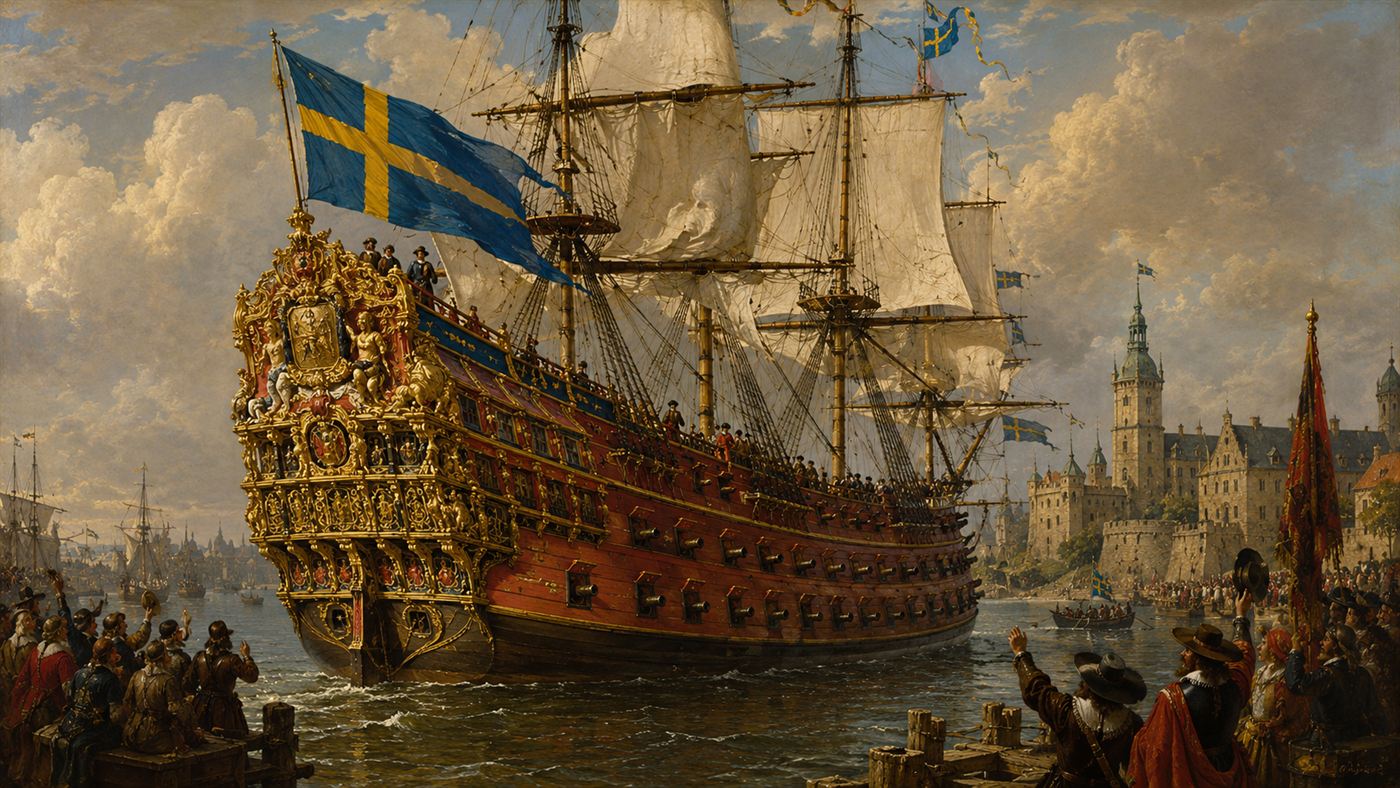
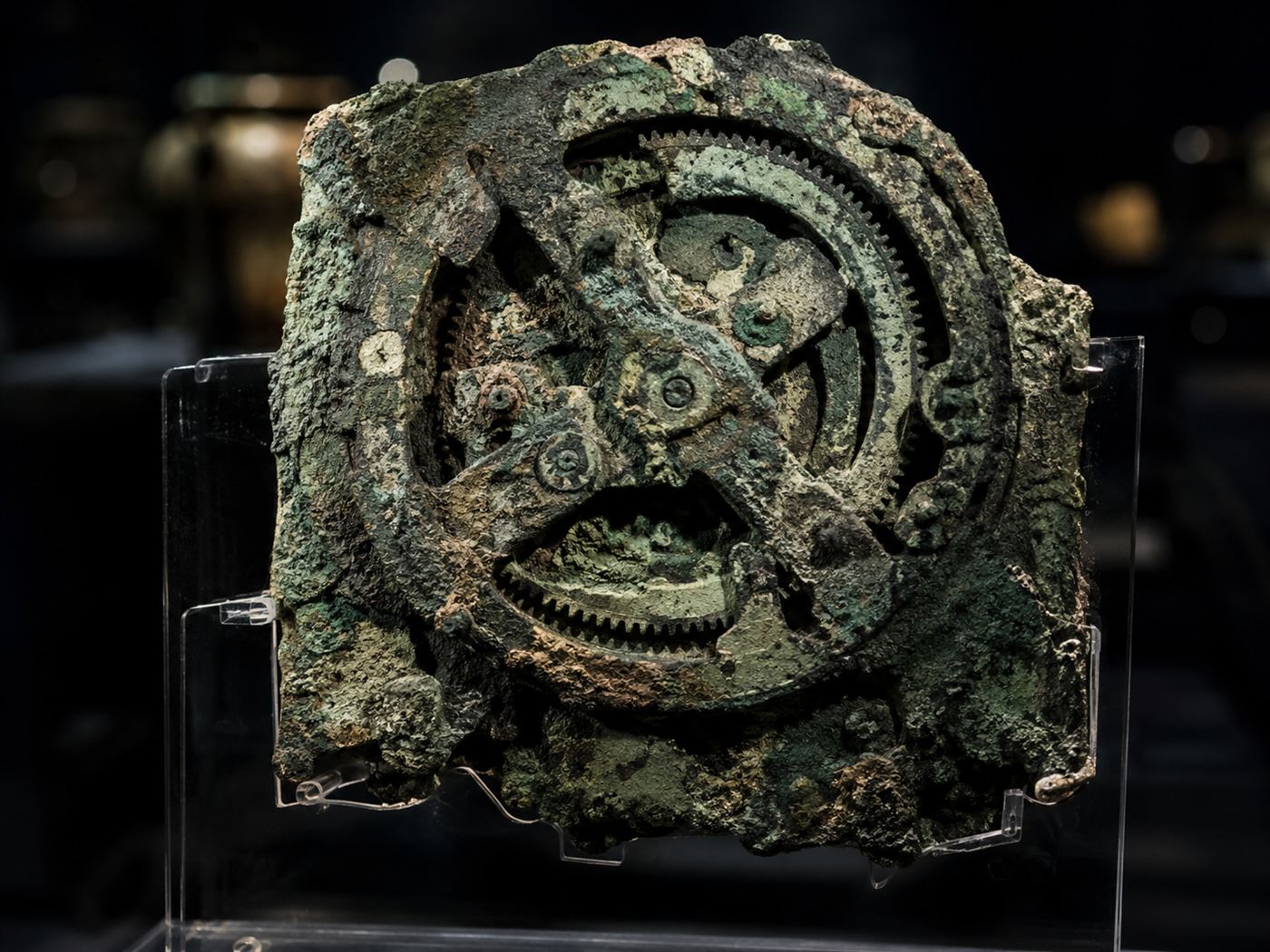
Related reading: the warship Vasa, kept almost perfect for centuries by cold Baltic water. See also the Antikythera mechanism, an ancient computer raised from a Greek wreck, and the strange new creatures found in the ocean's dark middle.