For more than half a century American cities fired the mail through underground tubes at 30 miles an hour on blasts of compressed air, and once even shot a live cat across town
Long before email or same-day delivery, a letter posted in Manhattan could cross the city in minutes, not by truck or messenger but by being blasted through a pipe beneath the pavement. For decades a hidden network of tubes moved the mail at speeds that would still embarrass a modern courier.
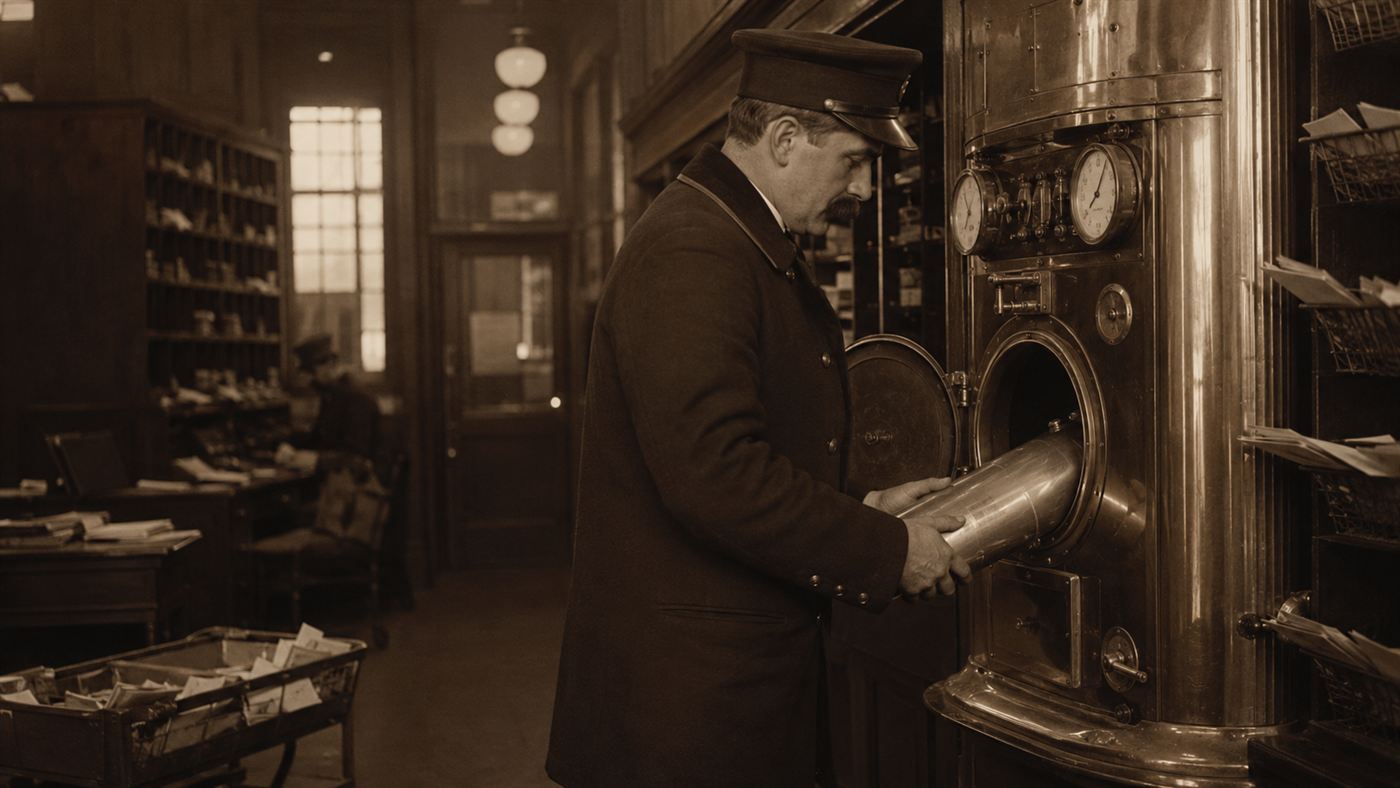
Clerks loaded sealed carriers that vanished into the tubes with a whoosh. Illustration: Watts & Wild.
It is one of the great forgotten marvels of the American city. Starting in the 1890s, several major cities buried networks of steel pipe under their busiest streets and used compressed air to shoot the mail through them. The system was called pneumatic tube mail, and for its era it was astonishingly fast.
While horses and early trucks crawled through crowded traffic above, sealed mail canisters raced along unseen below, whisking between branch offices in a fraction of the time. This was pneumatic tube mail at its best. It was a glimpse of a strange, whooshing future that the country built, used for two generations, and then quietly gave up.
The short version: from the 1890s to 1953, cities including New York and Boston ran the mail through underground pipes on blasts of air. The pneumatic tube mail could beat any surface delivery, it carried millions of letters a day, and it was ultimately killed not by breaking down but by simple arithmetic.
Mail that flew beneath the streets
The idea sounds like science fiction but was pure Victorian engineering. Under the streets ran lines of iron pipe, typically about eight inches across, laid between post offices. Powerful pumps kept the air pressure up, and that pressure was used to fire cylindrical carriers along the pipe like corks through a straw.
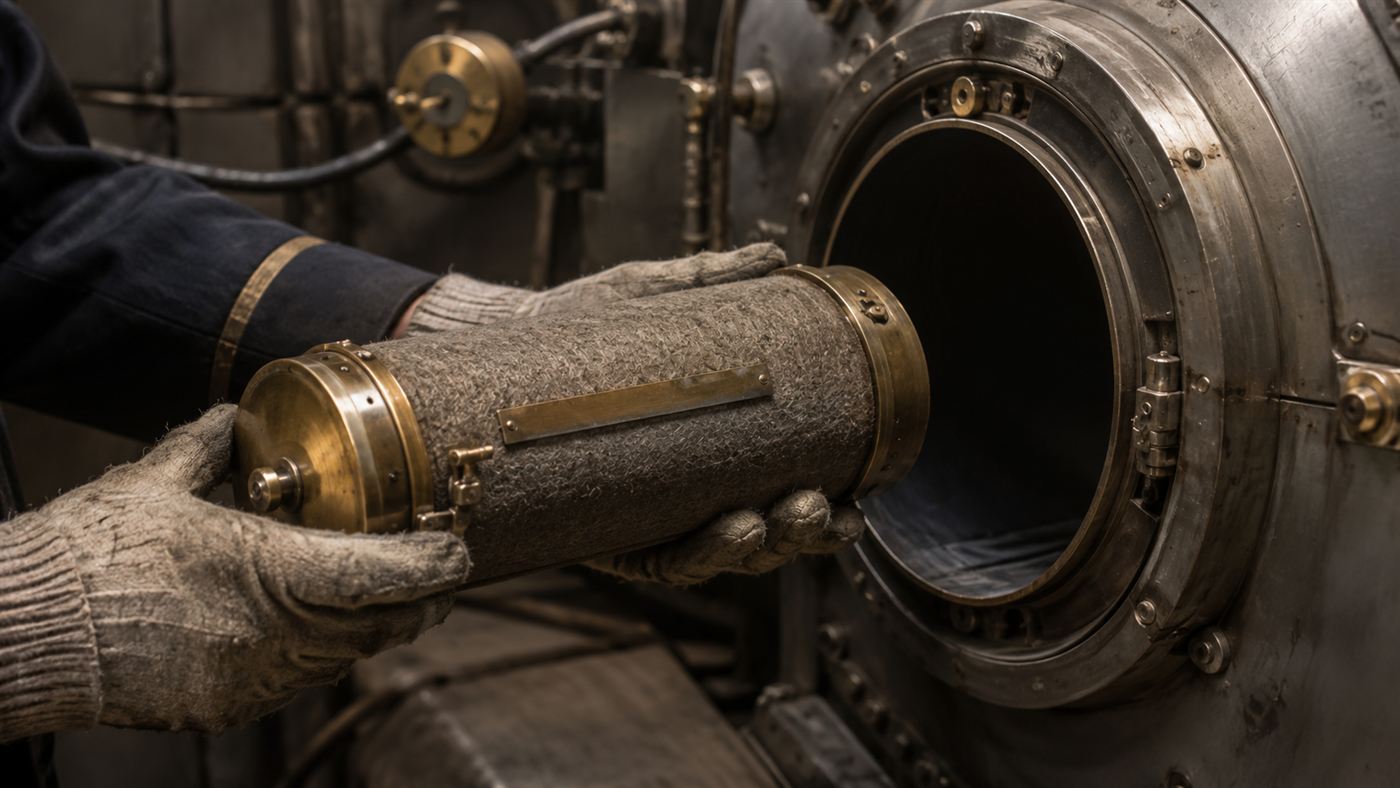
Above ground, a clerk would pack a carrier, seal it, and drop it into the line, where the compressed air seized it and sent it hurtling away. Minutes later it arrived across town, was pulled out, unpacked, and sent on for delivery. Whole buildings full of workers spent their days feeding this hidden circulatory system of the city.
How did pneumatic tube mail actually work?
Each carrier was a felt-padded metal cylinder a couple of feet long, and it could hold a surprising amount, often several hundred letters at a time. When it was posted into the tube, a difference in air pressure did all the work, pushing it along at about 30 to 35 miles an hour with almost no moving parts on the carrier itself. These mail canisters were the heart of the whole system.
The genius of pneumatic tube mail was its indifference to what happened on the surface. Snow, traffic jams, crowds and bad weather meant nothing to a canister flying through a sealed pipe underground. As long as the pumps ran and the compressed air held, the letters in those underground tubes kept moving no matter how gridlocked the streets above became.
A Bible, a flag, and a live cat
The systems came with wonderful ceremony and mischief. When New York opened its line in 1897, the very first carrier sent through was not stuffed with ordinary mail but with a Bible, a copy of the Constitution, and an American flag, treated like the launch of something historic.
Then things got stranger. Postal workers, showing off the network, reportedly sent all sorts of oddities through the tubes, and famously fired a live cat across town inside a carrier. The astonished animal is said to have emerged shaken but unharmed, an unofficial passenger on the fastest mail in America.
The cities that ran on tubes
This was never a one-city experiment. Pneumatic mail networks operated in New York, Boston, Philadelphia, Chicago and St. Louis, threading dozens of postal stations together beneath the pavement. New York's system alone ran for about 27 miles and even crossed the Brooklyn Bridge to link Manhattan with Brooklyn.
At its height the network handled a huge slice of a city's first-class mail, with carriers dispatched every few seconds during busy periods. For a letter between two downtown post offices, nothing on the surface could come close to the speed of the tubes running quietly beneath everyone's feet.
The honest catch
For all its romance, the system had a fatal weakness that no amount of speed could fix: money. The tubes were expensive to build, hungry for power, and needed constant maintenance, and crucially they could only carry letters. The growing mountain of parcels the modern post office had to move simply would not fit.
Motor trucks, by contrast, got cheaper and better every year, went anywhere, and carried everything. Once the numbers were run, a fleet of trucks beat a fixed network of pipes on cost and flexibility every time. The pneumatic tube mail was not a failure of engineering. It was outcompeted by something duller and more practical.
Why the tubes fell silent
The end came in stages. The service was suspended during the First World War to save money, brought back, and then finally shut down for good in 1953, when the post office decided the tubes could no longer justify their cost. The pumps were switched off, the carriers stopped, and the whole system went quiet.
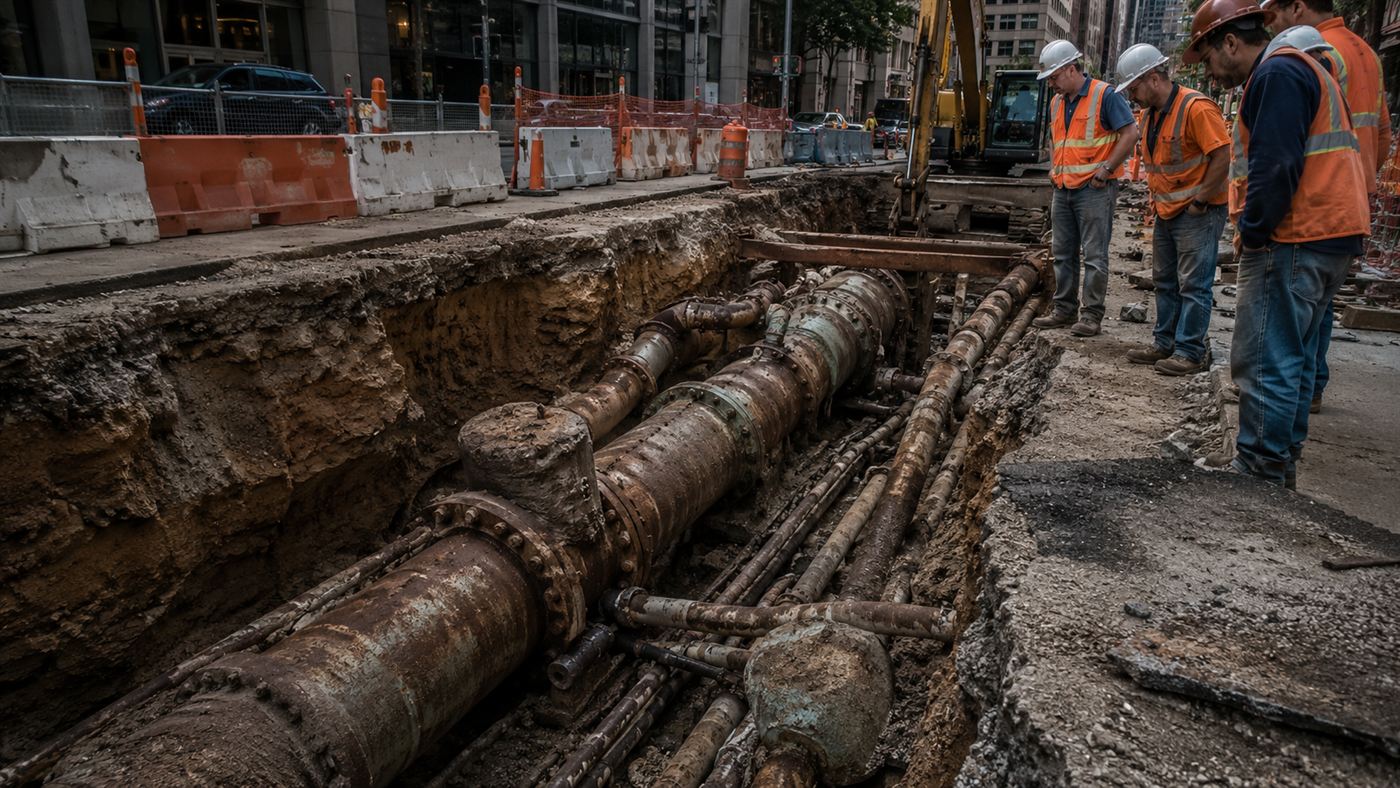
Most of the pipe was never dug up. It still runs under the streets of New York and other cities, an abandoned skeleton of a faster age, occasionally rediscovered by construction crews who have no idea what the mysterious steel tube once did. A whole hidden postal railway, humming with letters, was simply switched off and left in the dark.
A century ago your letter might have crossed the city faster than a car, fired through a secret pipe on a cushion of air, and almost no one alive remembers it. Would a hidden network of tubes be worth rebuilding today, now that so much of what we send is small and urgent again? Tell us what you think in the comments.
Related reading: the secret pneumatic subway that used the very same idea to move people under Broadway. See also the full subway Cincinnati built and never used, and the business city carved inside a Kansas City mine.