A sugar pill with no medicine in it can genuinely ease pain and illness, and the placebo effect is so strange that it even works when patients know the pill is fake
Give a person a pill made of nothing but sugar, tell them it is medicine, and a surprising number of them will actually feel better. This is not trickery or wishful thinking. The placebo effect is one of the most real, and most humbling, phenomena in all of medicine.
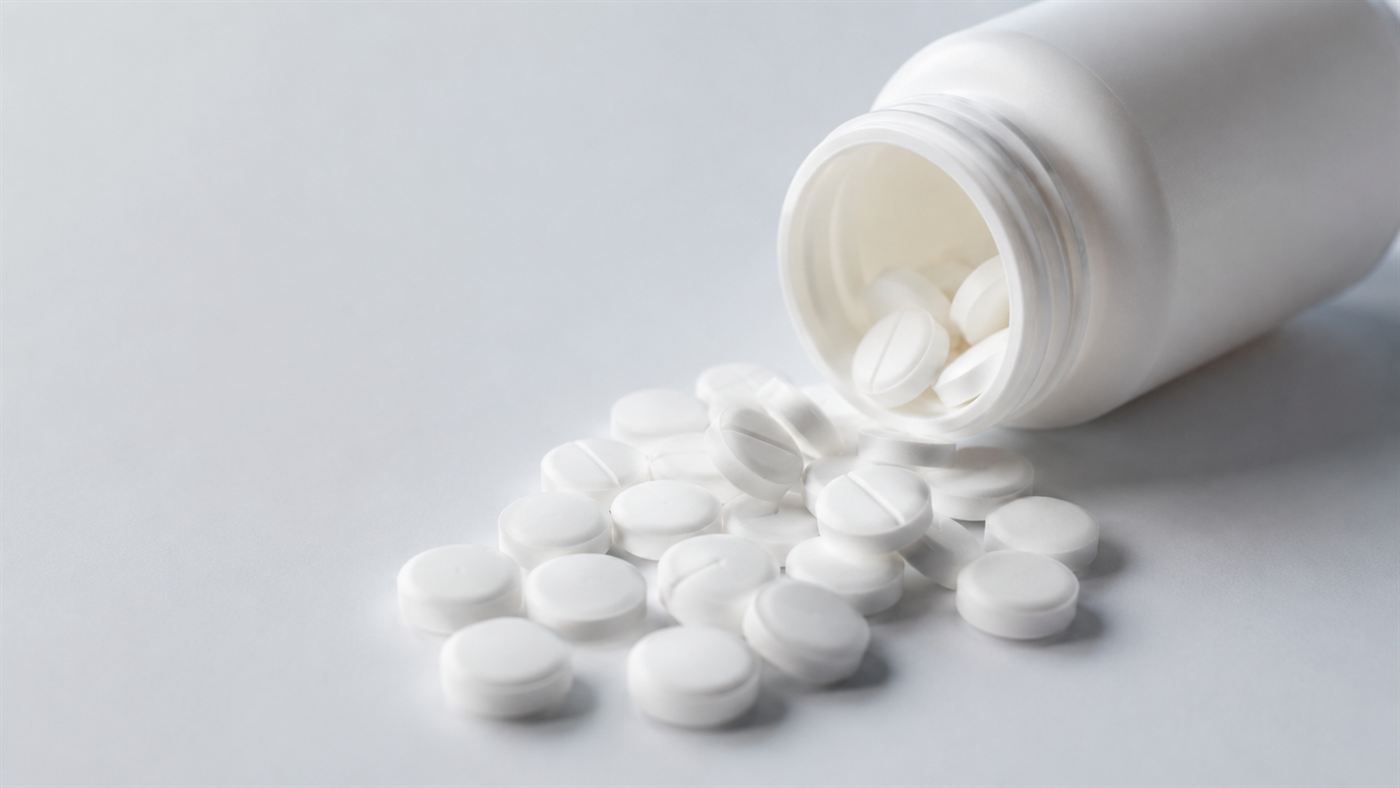
A plain sugar pill can, through belief alone, produce real relief. Illustration: Watts & Wild.
The placebo effect tends to be dismissed as a kind of medical embarrassment, the thing you have to subtract out of a drug trial to find the real result. But look at it directly and it is astonishing. It says that belief, expectation and the simple ritual of being treated can change what happens inside your body, easing genuine symptoms with no active drug at all. It is the clearest everyday proof we have that the mind and the body are not two separate things.
As Harvard Health has reported, a placebo can work even when you know it is a placebo. That single fact overturns the usual assumption that placebos are just about fooling people. Something deeper is going on, something built into how our brains and bodies respond to care, and scientists are only beginning to map it.
The short version: The placebo effect is a real, measurable response in which an inert treatment eases symptoms through expectation and the ritual of care. Brain scans show it engages the body's own pain-relieving systems. Remarkably, open-label placebos can help even when patients are told the pill is inactive. But placebos mostly ease subjective symptoms like pain, not the underlying disease, so the wonder comes with real limits.
The pill that is not a pill
A placebo is any treatment that has no active medical ingredient, a sugar pill, an injection of plain salt water, a sham procedure, given in the belief that it will help. In careful studies, placebos reliably produce real improvements in a whole range of conditions, especially those with a strong subjective side: pain, nausea, irritable bowel syndrome, migraine, fatigue, depression and the symptoms of Parkinson's disease.
The effect is not small or imaginary. In some trials, a third or more of patients on placebo report meaningful relief, and the benefit can be large enough to rival real drugs for certain complaints. This is exactly why every new medicine has to be tested against a placebo. A drug does not just have to work, it has to work better than a sugar pill, and clearing that bar is often harder than people expect, because the sugar pill is doing something genuinely real.
It is not just in your head
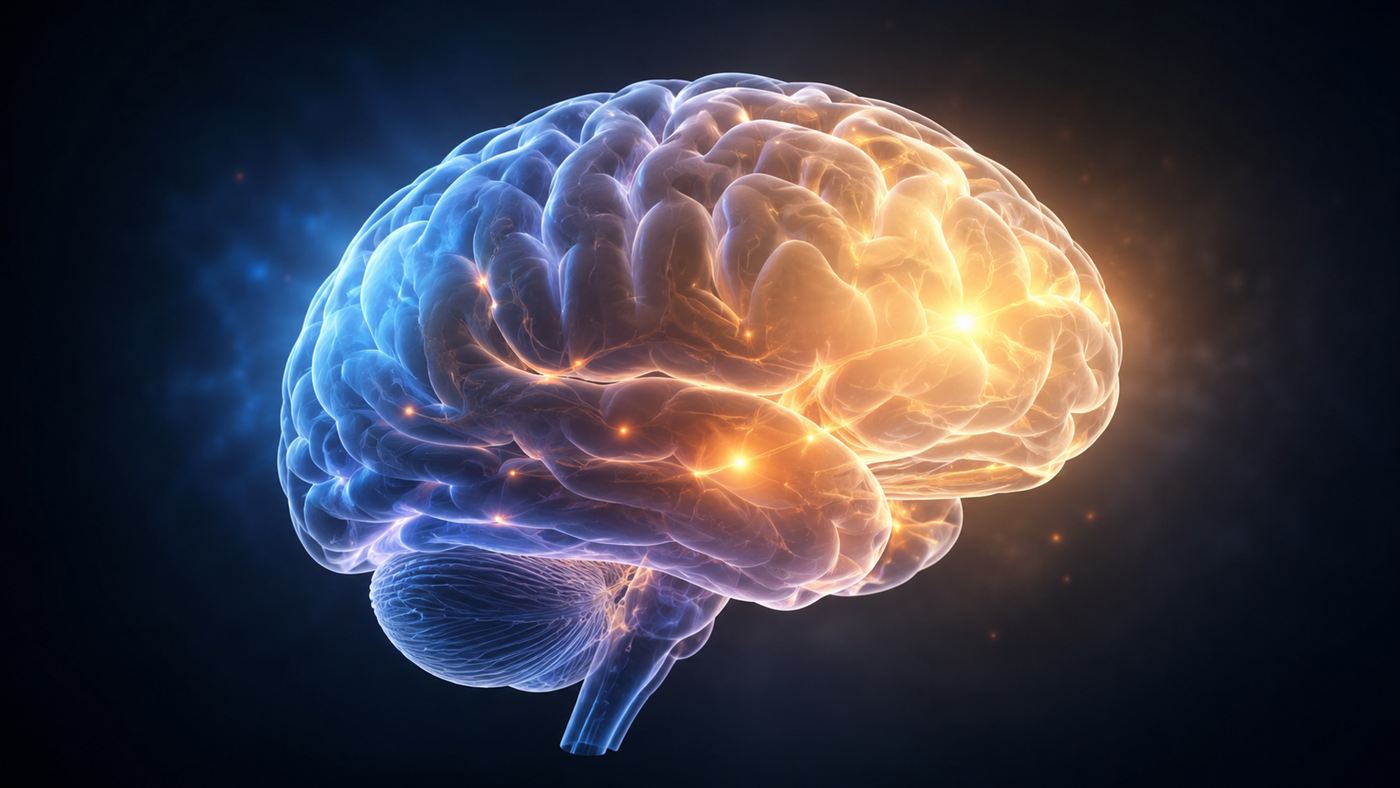
The most important thing to understand is that the placebo response is physical, not merely psychological. When researchers scan the brains of people getting placebo pain relief, they see real activity in the regions that regulate pain, and real changes in the body's chemistry. In fact, placebo painkilling appears to work partly by triggering the brain to release its own natural opioids, the endorphins.
The proof is elegant. If you give someone a drug that blocks opioid receptors, the same drug that would block morphine, it also blocks placebo pain relief. That only makes sense if the placebo was working through the body's own opioid system all along. So when a sugar pill eases your headache, it is not that the pain was fake. It is that your brain, expecting relief, actually produced some. Belief reached down and changed your biology.
The honest placebo
For a long time everyone assumed the placebo effect depended on deception, that it only worked because the patient believed the pill was real medicine. Then researchers tried something that sounds impossible: they gave patients placebos and openly told them so. In trials led by Harvard's Ted Kaptchuk, people with irritable bowel syndrome were handed a bottle honestly labelled as an inactive placebo, and told plainly that it contained no medicine.
As reported by Beth Israel Deaconess Medical Center, these open-label, honest placebos still produced real, clinically meaningful improvement, working about as well as placebos given in the usual deceptive way. Similar results have since appeared for chronic back pain, cancer-related fatigue and other complaints. This open-label placebo finding is genuinely mind-bending. It means the benefit does not depend on being fooled. The ritual itself, taking a pill, engaging in the act of treating yourself, seems to be part of the medicine.
What powers the placebo effect
So where does the power of the placebo effect come from, if not from a drug? Researchers point to a few ingredients working together. One is expectation, the belief that you are about to feel better, which primes the brain to make it so. Another is conditioning, the way your body has learned over a lifetime to associate the whole scene of treatment, the pill, the clinic, the reassuring professional, with getting well.
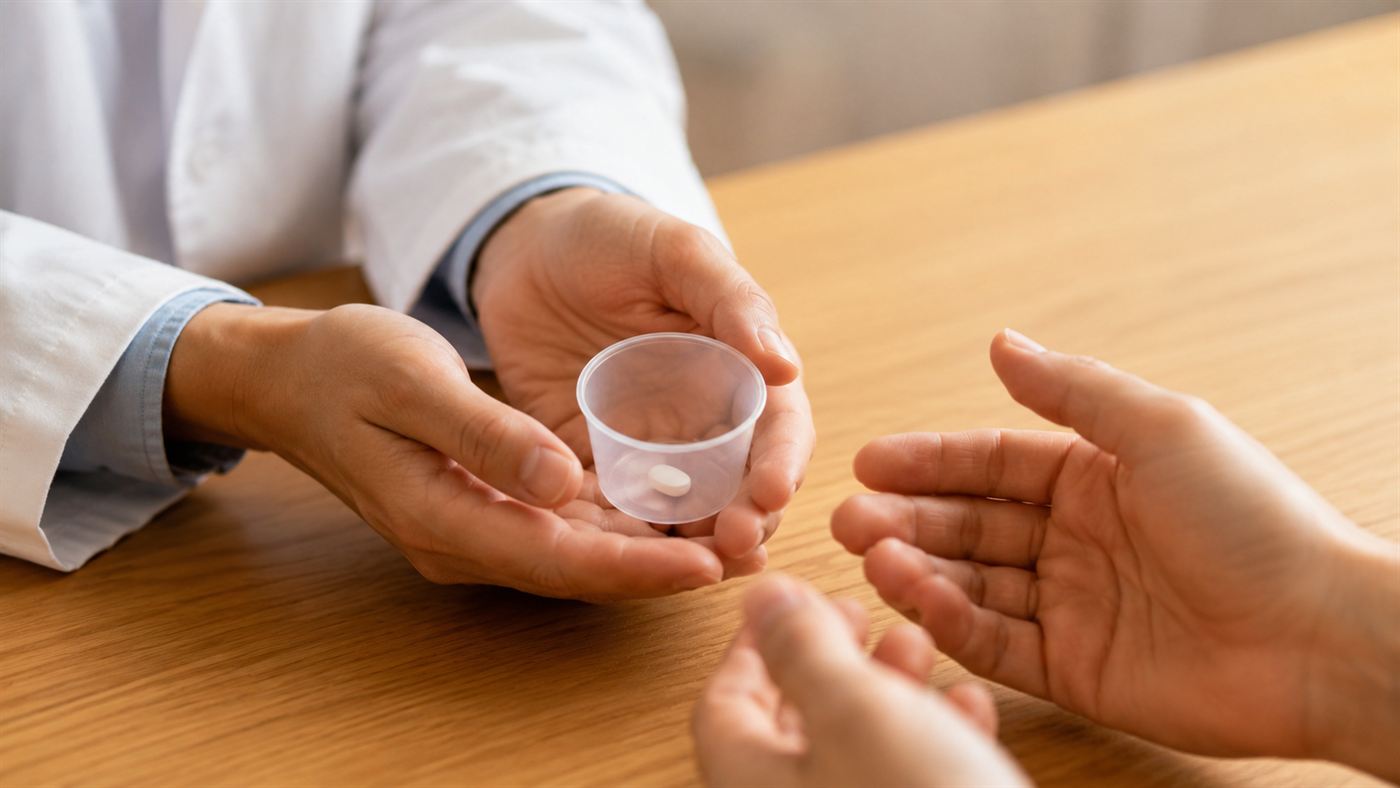
And the details matter more than you would think. Bigger pills tend to work better than small ones, coloured pills better than white, two pills better than one, and an injection better than a tablet. A confident, caring doctor who takes time with you boosts the effect, while a rushed, indifferent one weakens it. Even the price tag counts, as expensive-seeming placebos outperform cheap ones. All of this points to the same conclusion: a huge part of healing is bound up not in the chemistry of a drug but in the meaning and the ceremony around it.
The dark twin: nocebo
Every power has its shadow, and the placebo effect has an evil twin called the nocebo effect. If believing you will get better can make you better, then believing you will be harmed can make you worse, and it does. Warn patients that a treatment may cause headaches or nausea, and a portion of them will develop exactly those symptoms, even from an inert pill.
The nocebo effect is a real problem in medicine. It means the way a doctor describes side effects can literally bring them on, and it complicates everything from prescribing drugs to reading the fine print on a medication leaflet. It also underlines the central lesson of the whole subject. Expectation is not a soft, optional extra in how we feel. It is a powerful physiological force that cuts both ways, capable of easing suffering or of manufacturing it out of thin air.
The honest catch
This is a topic that badly needs a clear-eyed warning, because it is so easily abused. The placebo effect is real, but it has firm limits. It works mainly on symptoms that the brain helps to generate, above all pain, nausea, fatigue and mood. It does not shrink tumours, it does not clear infections, and it does not fix a broken bone. Belief can change how you feel, but it cannot rewrite the underlying disease. Anyone who tells you that positive thinking alone can cure cancer is peddling something dangerous, because it can lead people to abandon treatment that would actually save them.
A couple of scientific cautions matter too. Some of what looks like a placebo response in a trial is really just people getting better on their own, or naturally fluctuating symptoms happening to improve, rather than the pill doing anything. And the exciting open-label results, while real, come mostly from modest studies of subjective conditions, so they are a promising frontier rather than a settled cure. Kept in those bounds, though, the placebo effect remains genuinely profound. It shows that care itself, the attention, the ritual, the hope offered by a trusted healer, is not just window dressing around medicine. For a large part of human suffering, it is part of the medicine, and that is worth taking seriously rather than explaining away.
A pill made of nothing can genuinely ease real suffering, simply because we believe and are cared for. Does the placebo effect show that hope and human attention are a true part of healing, or is it a quirk we should be more suspicious of than we are? Tell us what you think in the comments.
Related reading: The mirror box that eases phantom limb pain, another case of the mind reshaping the body.
More from Watts & Wild
More in Science & Tech →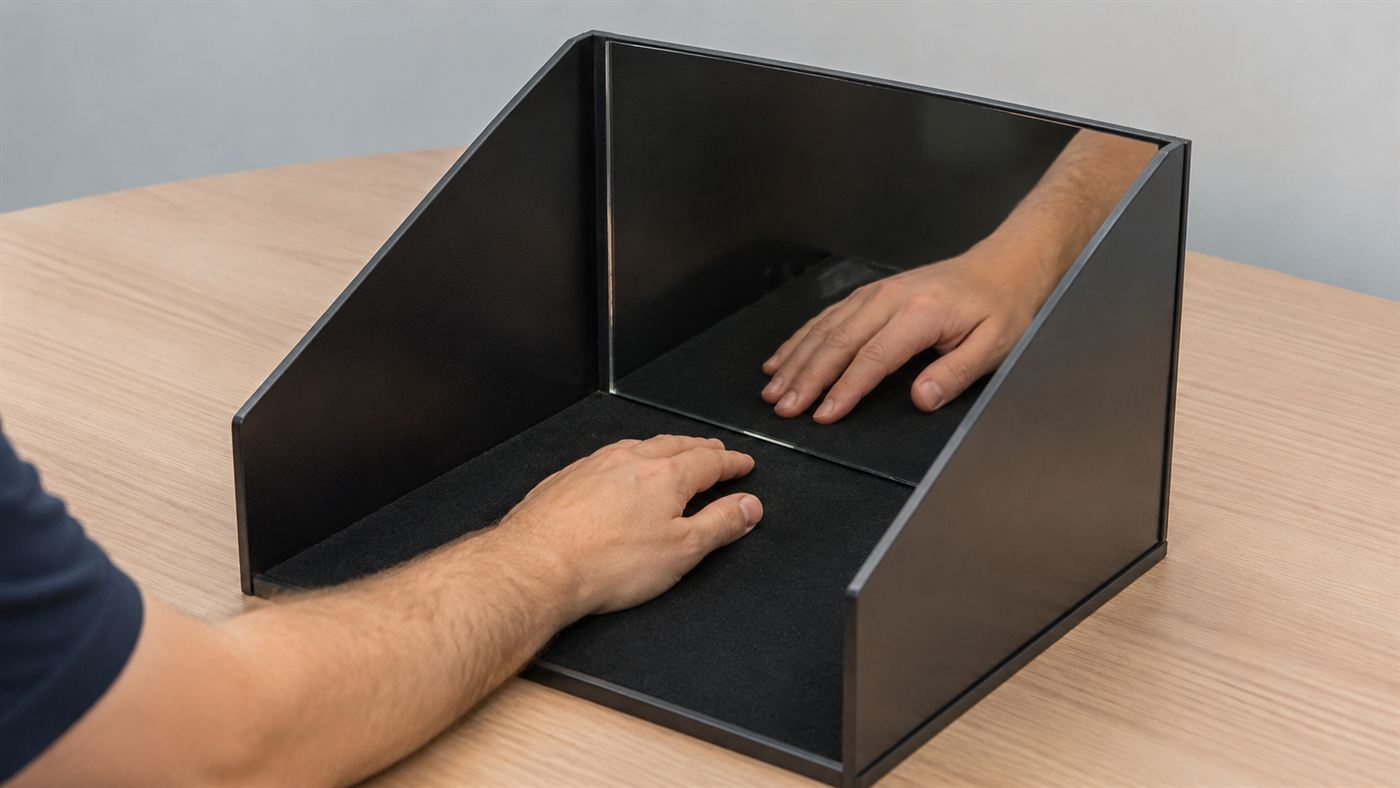


Maria writes about wildlife, ecology, and the strange places where nature and human history collide. She is based in Brazil.