A skull dug from an English gravel pit was crowned the missing link in human evolution, and it took science 40 years to admit the whole thing was a deliberate fake
In 1912 a country lawyer announced that he had found the bones of the earliest Englishman in a gravel pit in Sussex, a creature with a big human brain and an ape's jaw. For forty years Piltdown Man sat in the textbooks as a missing link in human evolution, before it was revealed as one of the most successful scientific frauds ever committed.
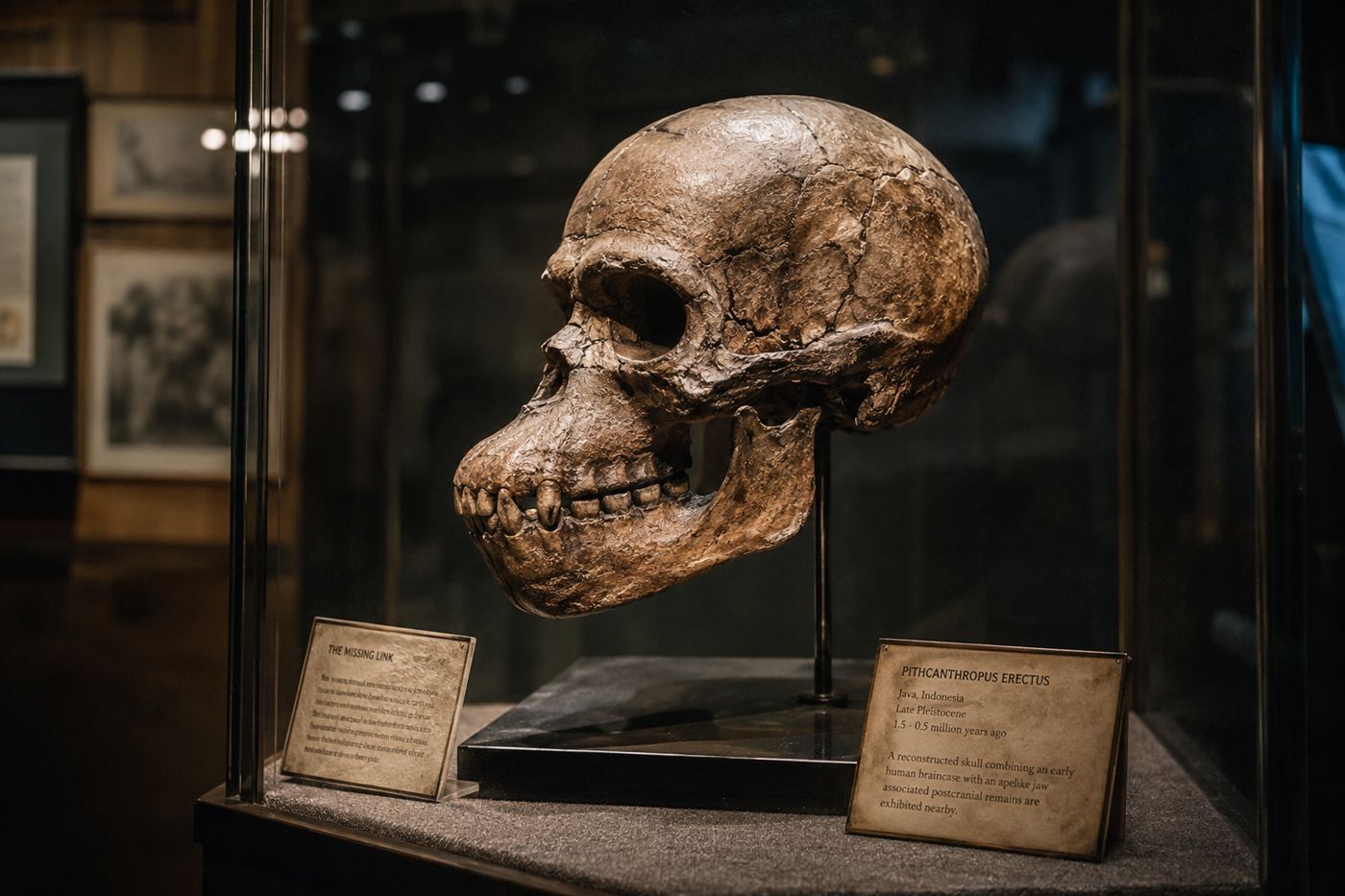
The Piltdown skull: a real human braincase joined to an ape's jaw, stained to match. Illustration: Watts & Wild.
Science likes to think of itself as self-correcting, and in the end it is. But the story of Piltdown Man is a humbling reminder of how long a clever lie can survive when it tells people exactly what they already want to believe. For four decades, some of the finest minds in British science defended a forgery a careful student could have spotted, because it flattered their assumptions.
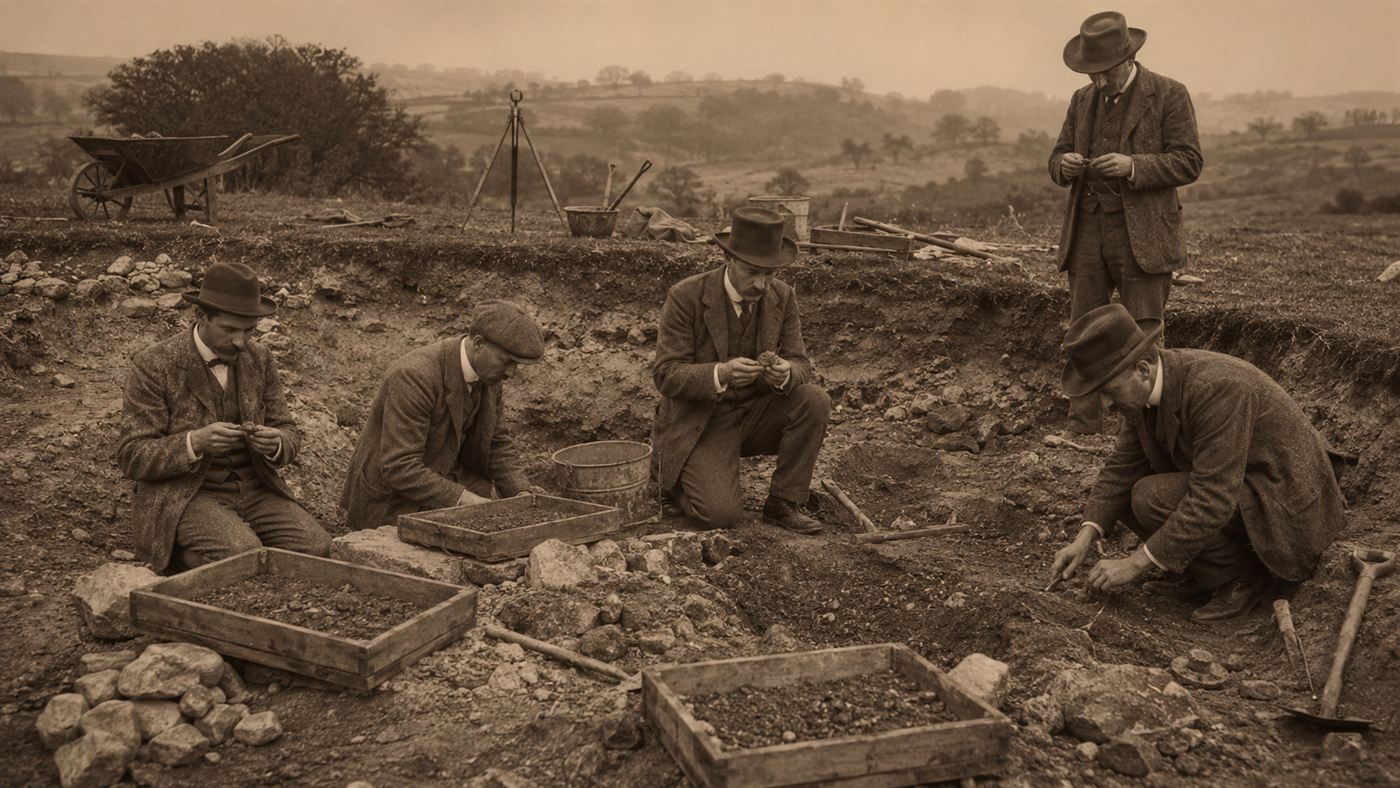
The tale begins with Charles Dawson, an amateur archaeologist and solicitor with a hunger for recognition. In 1912 he brought to the Natural History Museum in London fragments of a skull he said had been dug from a gravel pit at Piltdown, in southern England, together with a jawbone and a few teeth. As Wikipedia records, he presented them to Arthur Smith Woodward, a senior scientist at the museum, who took them very seriously indeed.
Why Piltdown Man was so eagerly believed
The find seemed almost too good to be true, and it was. The skull was large and human-looking, while the jaw was primitive and ape-like, which matched a popular theory of the time: that our ancestors evolved big, clever brains first and only later lost their apish features. Piltdown Man appeared to be the perfect snapshot of that transition, the long-sought missing link in human evolution.
There was national pride at work too. Germany and France had produced spectacular early-human fossil finds, Neanderthals and others, while Britain had little to show. Suddenly here was the earliest Englishman, conveniently turning up in the home counties, an ancient ancestor the British could call their own. The combination of good theory and flattered ego made the bones nearly impossible to doubt.
The doubts that were brushed aside
Not everyone was convinced. A few experts pointed out that the skull and jaw did not really fit together, and that you could just as easily be looking at a human cranium and an ape's jaw that had ended up in the same pit. But these objections were waved away, partly because of the authority of the men backing the find and partly because real human ancestors, when they were later dug up elsewhere, did not match what Piltdown had taught everyone to expect.
That last point did real damage. When the genuine fossil of an early human child was found in South Africa in the 1920s, with a small brain and more human teeth, the exact opposite of Piltdown, it was dismissed by many as unimportant. The fake had so shaped expectations that it actively blinded science to the truth when the truth finally turned up, delaying the study of human evolution for years.
How the Piltdown Man hoax unravelled
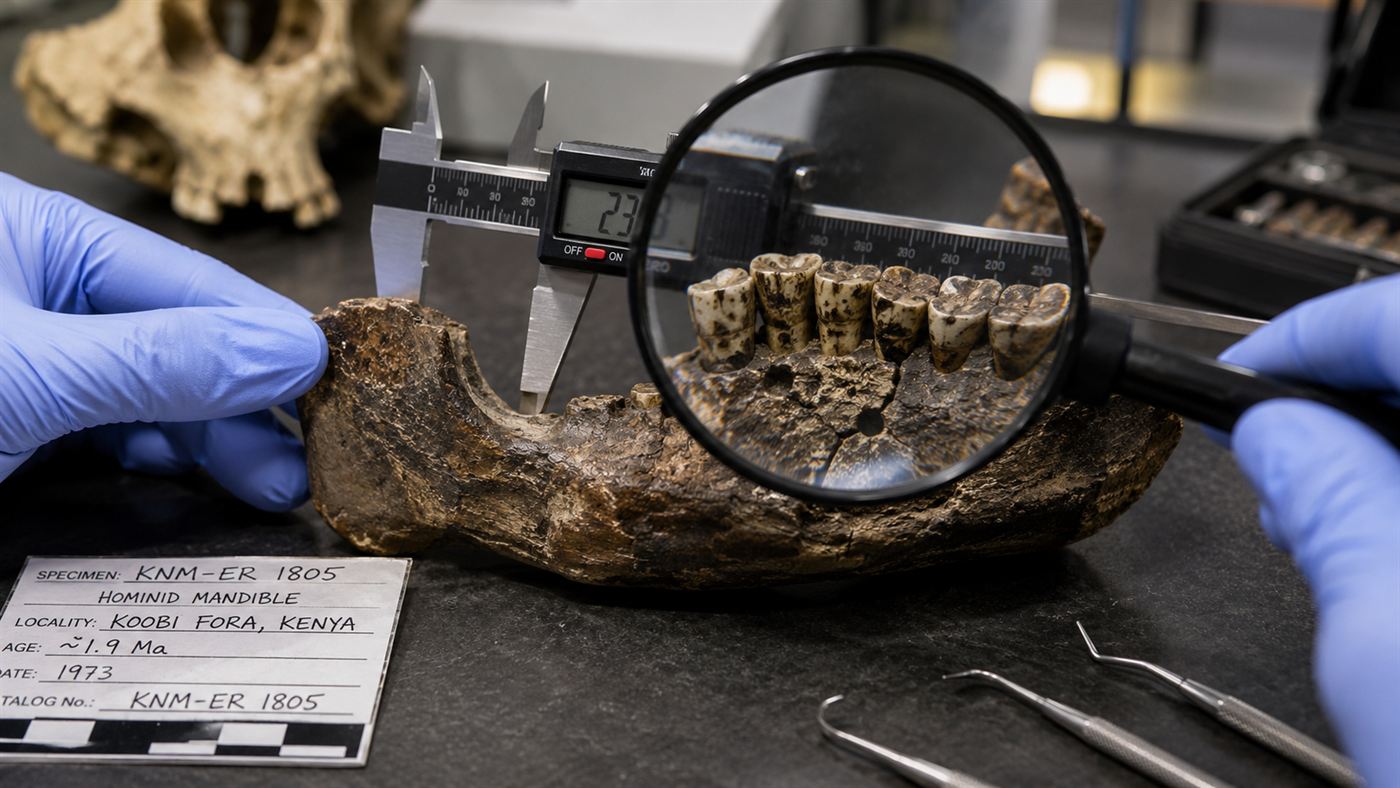
The reckoning came in 1953, with new scientific tools that the forger could never have anticipated. As the Natural History Museum recounts, a team including Kenneth Oakley, Joseph Weiner and Wilfrid Le Gros Clark applied fluorine dating, which measures how much fluorine bones absorb from the soil over time, and found that the Piltdown bones were nowhere near as old as claimed, nor even the same age as each other.
Once they looked closely with that suspicion, the fraud fell apart in an afternoon. The jaw was that of an orangutan, the teeth had been deliberately filed down to look human, and all the pieces had been stained with chemicals to give them a convincing ancient brown colour. Piltdown Man was not a fossil at all but a deliberately assembled hoax, and a fairly crude one once anybody bothered to test it properly.
The honest catch
It is tempting to laugh at the credulous scientists of a century ago, but the lesson is less comfortable than that. The experts were not stupid; they were caught out by confirmation bias, accepting flimsy evidence because it confirmed what they already expected, and that trap has not gone away. The same instinct can fool clever people today, which is exactly why the slow, sceptical machinery of testing and replication matters.
There is also a genuine mystery still attached to the affair, because we do not know for certain who made the fake. Charles Dawson is the prime suspect and as the Smithsonian reports, modern analysis points strongly to him acting largely alone, but others, including figures connected to the museum, have been accused over the years, and the case has never been closed beyond all doubt. The hoaxer fooled a generation and, in the matter of his own identity, has arguably never been caught.
Why an old fraud still matters
Piltdown Man is more than an embarrassing footnote. It became a permanent teaching example of how science can go wrong, and of how it eventually puts itself right, not through the brilliance of any one genius but through new methods, fresh scepticism and the awkward arrival of better evidence. The fake survived as long as it did because it was comfortable; it died when the tools to test it grew sharper than the wish to believe it.
In a strange way, the exposure of the hoax was science working as it should, just very slowly. The next time a discovery seems to confirm everything we already hoped was true, the Piltdown fossil is the cautionary ghost in the room, whispering that the findings we least question are sometimes the ones that most deserve it.
A crude fake fooled the experts for 40 years because it told them what they wanted to hear, and the forger may never have been named. Are we any better today at resisting the evidence that flatters what we already believe? Tell us in the comments.
Related reading: The Bronze Age sky disc that was almost lost to looters and forgery suspicion.