In 1859 an American farmer shot a pig rooting in his garden and very nearly dragged the United States and Britain into a shooting war, with thousands of troops facing off over a dead hog
It began with a single hungry pig in a potato patch and escalated, in a matter of weeks, into hundreds of American soldiers staring down thousands of British marines across a narrow strip of water. For months the two great powers stood on the brink over an island most people had never heard of. The only creature killed was the pig.
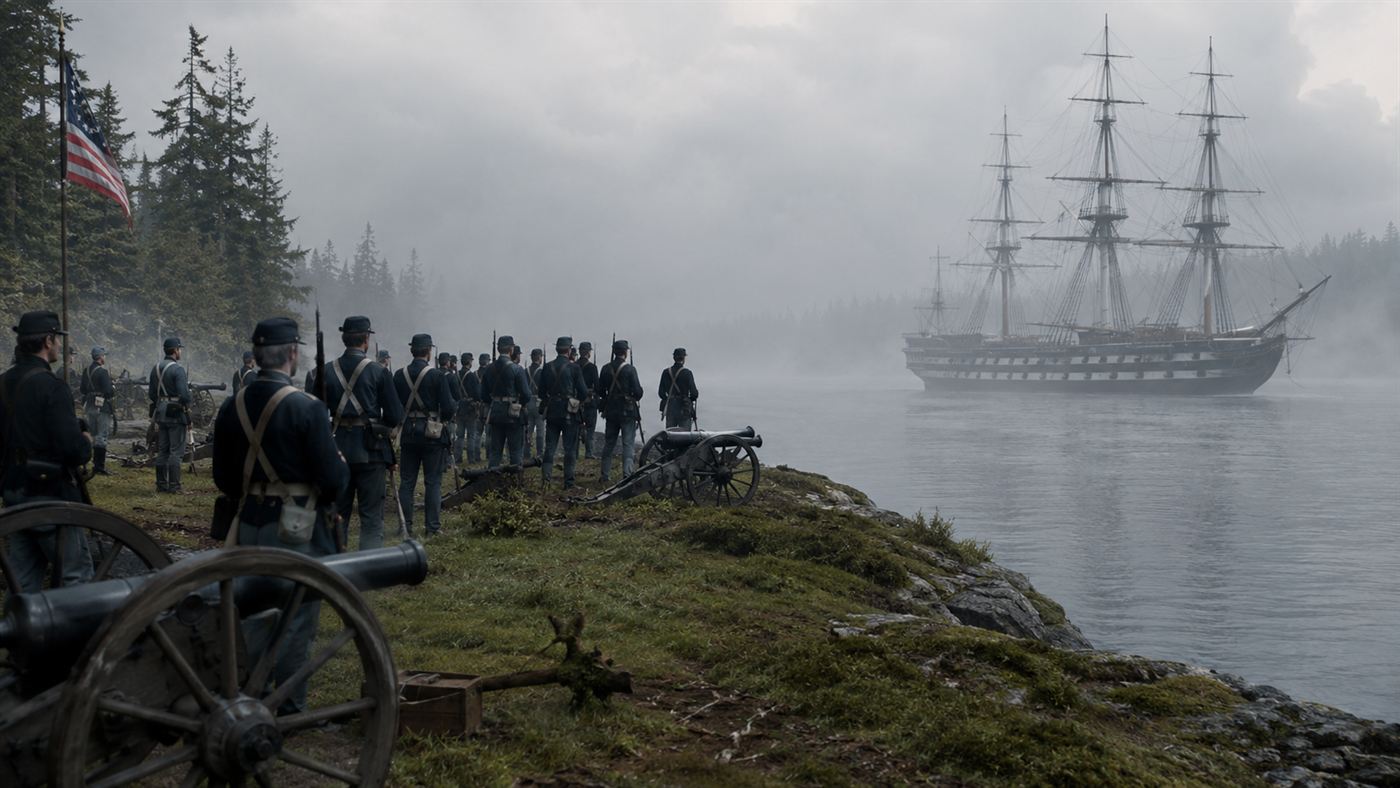
Soldiers and warships massed on a quiet island over a dead pig. Illustration: Watts & Wild.
Of all the ways a war can nearly start, this may be the most absurd. In the summer of 1859, on a green little island in the waters between what is now Washington State and Canada, a dispute over a trespassing pig spiraled so far out of control that two empires came within an order to fire of shooting at each other.
It became known, half-jokingly and half-seriously, as the Pig War. And while the name makes it sound like a farce, the danger was real: for a time, thousands of armed men faced off with loaded cannons, waiting for someone to lose their nerve. That nobody did is the best part of the whole strange story.
The short version: an American shot a British-owned pig on an island both nations claimed, the argument escalated into a military standoff, and cool-headed commanders on both sides refused to fire. The Pig War ended not in blood but in a peaceful shared occupation that lasted twelve years.
The pig that rooted in the wrong garden
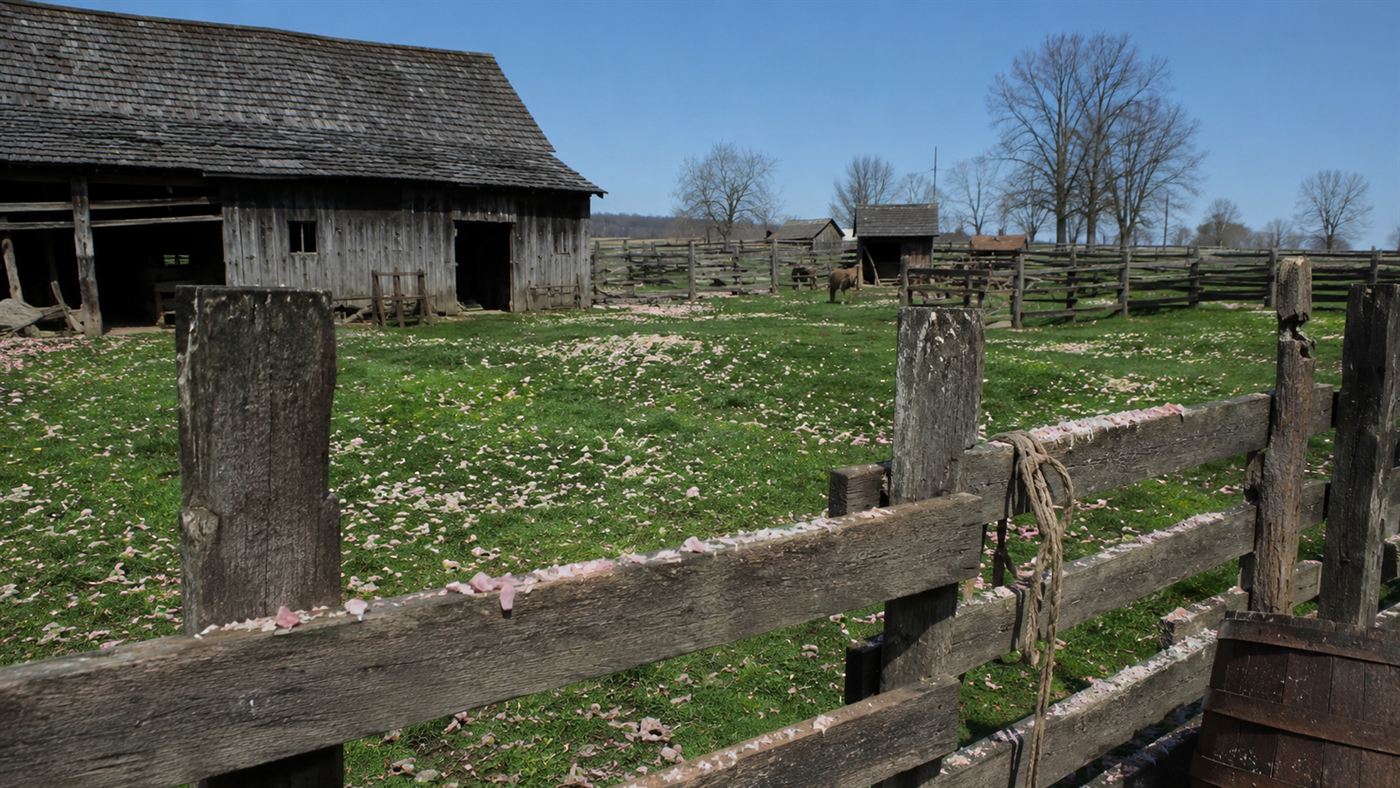
The island in question was San Juan Island, and in 1859 it had an awkward problem: both Britain and the United States were convinced it was theirs. American settlers farmed there, and so did the powerful Hudson's Bay Company, which ran a sheep ranch and considered the whole island British soil.
Into this tension wandered a large black pig. It belonged to the company, and it kept breaking into the potato patch of an American settler named Lyman Cutlar. On June 15, 1859, after finding the animal in his garden yet again, Lyman Cutlar lost his temper, raised his rifle, and shot it dead. That single shot was the opening act of the Pig War.
How a dead hog became an international crisis
What should have been a simple neighborly squabble caught fire because of who owned what. Cutlar offered to pay for the pig, but the company demanded a sum he thought outrageous and, the story goes, threatened to have him arrested by British authorities. To the American settlers, that was a foreign power trying to arrest a US citizen on American land.
Word spread, and the settlers demanded military protection. The response turned a quarrel over a pig into a confrontation between nations, because it dragged in soldiers, warships and the raw pride of two empires that each refused to look weak over a scrap of a boundary dispute.
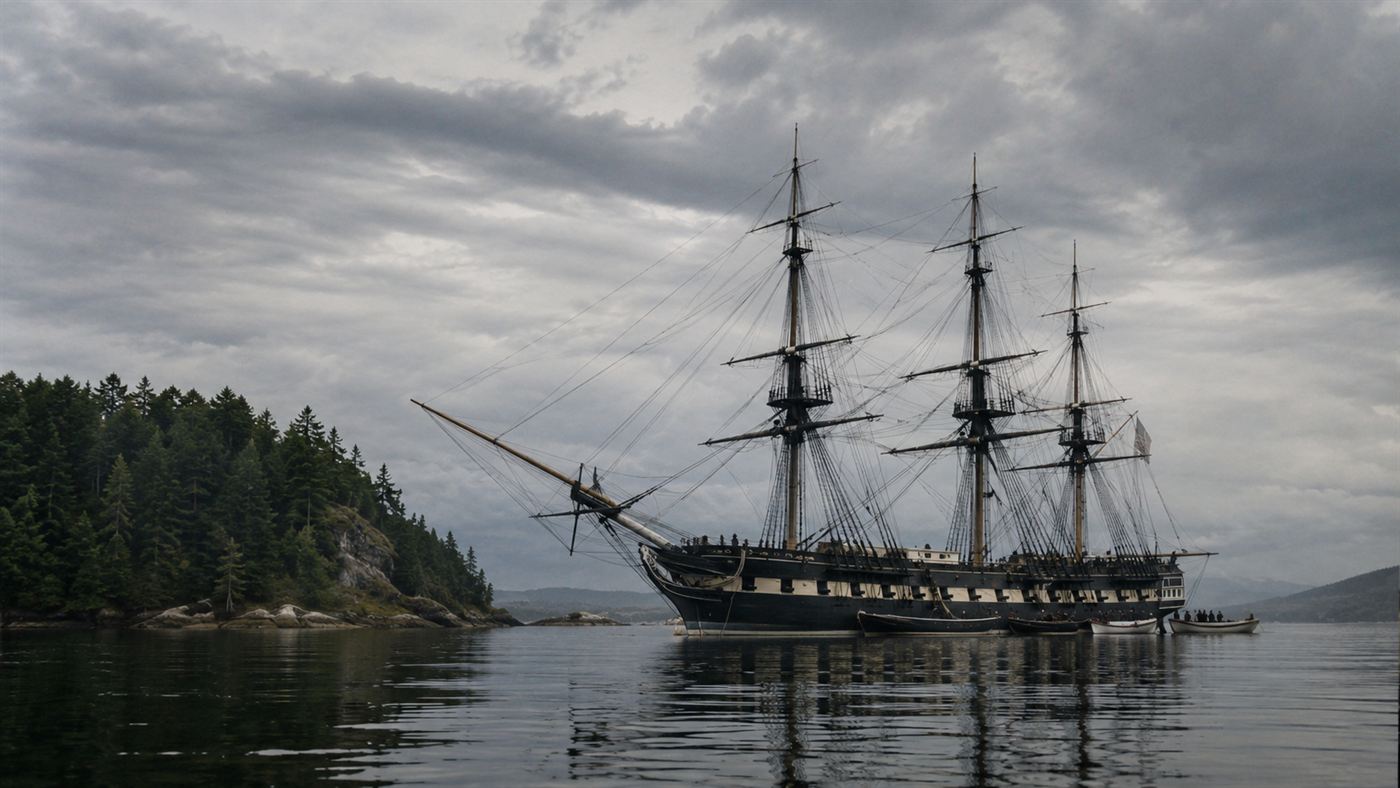
How the Pig War became a standoff of cannons and insults
The American commander sent Captain George Pickett, later a famous Confederate general, with a small company of soldiers to occupy the island. Britain responded by sending warships carrying vastly more firepower, and each side kept raising the stakes. By late summer a few dozen American troops had swelled to several hundred, dug in with a handful of cannons.
Across the water sat thousands of British marines and dozens of naval guns, more than enough to wipe the American position off the map. And yet the fighting never came. Both sides had been ordered not to fire first, so instead of trading cannon fire, the soldiers reportedly traded insults, trying to goad the other into shooting the opening shot. It was surely the strangest battlefield of the Pig War.
Why did nobody actually fire?
The answer is that the men in charge were wiser than the situation. The senior British naval officer on the scene flatly refused to let the fleet open fire, reportedly saying he would not drag two great nations into a war over a squabble about a pig. That single act of restraint may have saved thousands of lives.
In Washington, the president was equally alarmed at how close things had come, and sent a senior general all the way across the country to calm everyone down. Slowly the temperature dropped, the insults faded, and the two sides pulled back from the edge without a single human being harmed.
The honest catch
It is a great story, but the label oversells it a little. Calling it a war is a stretch, because it was really a tense standoff, and the pig remained its one and only casualty. Nobody was killed, no battle was fought, and much of the drama was posturing by commanders who did not actually want to fight. In that sense the Pig War is more comedy than tragedy.
It is also fairer to say the pig was the spark, not the cause. The real issue was a genuine, serious boundary dispute left over from a vague treaty that never made clear which channel formed the border. The pig simply lit a fuse that had been sitting there, tense and waiting, for years.
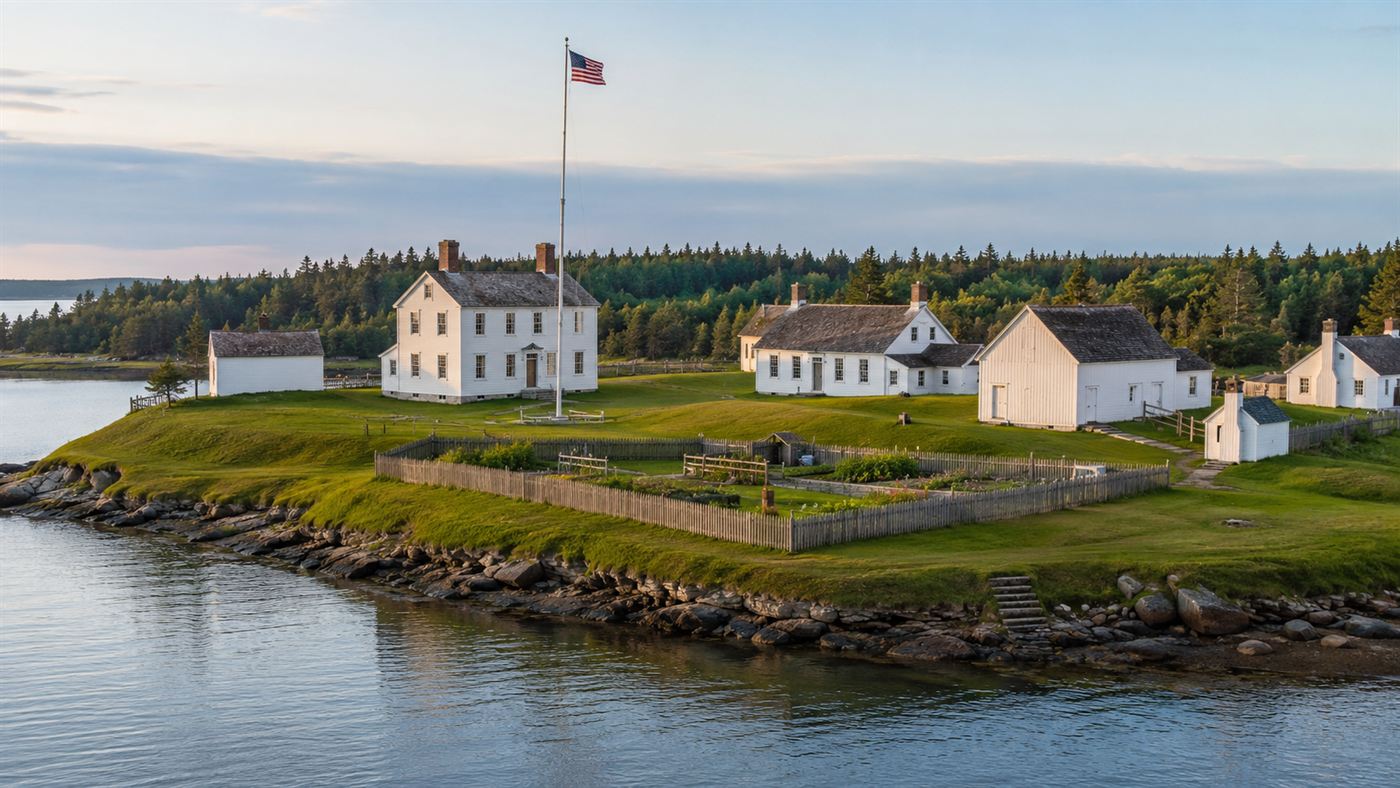
Twelve years of sharing one island
Rather than keep bristling at each other, the two nations agreed to a remarkable compromise: a joint occupation of San Juan Island. The British built a camp at the north end and the Americans one at the south, and for twelve years the former enemies lived side by side, even visiting each other's camps for holidays and sports.
Finally, in 1872, the underlying boundary dispute was handed to a neutral outsider, the Emperor of Germany, who ruled that the island belonged to the United States. The British packed up and left without a fuss, and the only shot ever fired in anger in the entire Pig War remained the one aimed at a pig in a potato patch.
Two empires once loaded their cannons and glared at each other for months, and the whole thing began with a pig in a vegetable garden. How many of history's great confrontations do you think started this small, over something this petty, before the pride of nations took over? Tell us what you think in the comments.
Related reading: the houses Americans built purely to spite a hated neighbour. See also the day raw meat rained from a clear Kentucky sky, and the newspaper that convinced a nation of bat-men on the Moon.