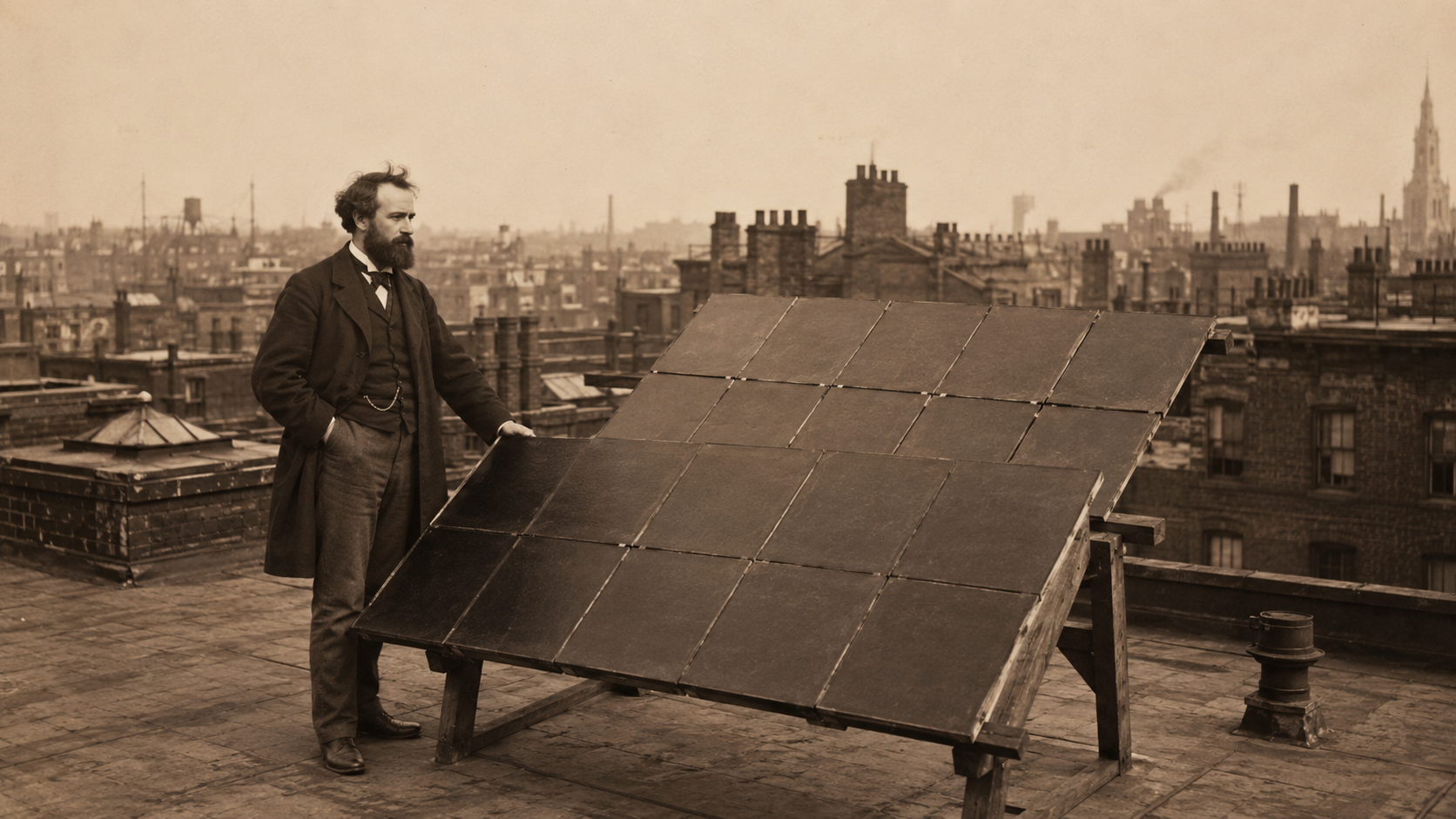
Crescent Dunes was a billion-dollar solar tower built to bottle the sun in molten salt and run all night, and it just sold out of bankruptcy for seven million
It was supposed to be the future of solar power: a glowing tower in the Nevada desert that could capture the sun by day, store it as molten salt, and keep a city's lights on long after sunset. It cost around a billion dollars to build. In 2026, after two bankruptcies, the whole thing was sold for the price of a nice house.
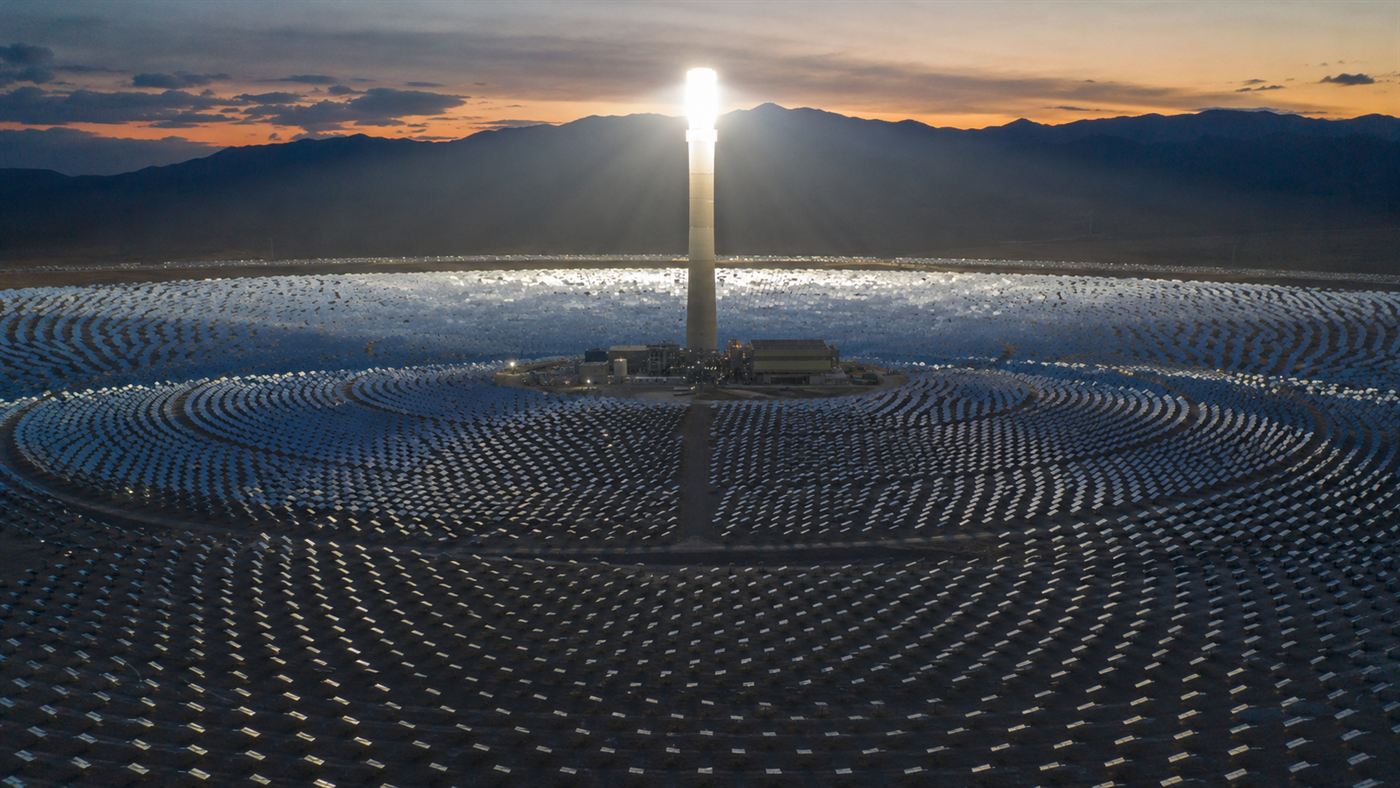
Crescent Dunes was meant to be solar power that worked even in the dark. Illustration: Watts & Wild.
Crescent Dunes was one of the boldest bets in the history of renewable energy, and one of its most painful cautionary tales. Built near the old mining town of Tonopah, Nevada, it set out to solve the single greatest weakness of solar power, the awkward fact that the sun goes down, and for a few brilliant years it actually did. Then the economics shifted under its feet, and the most futuristic power station in America became a stranded relic.
The way it worked was genuinely beautiful engineering.
What was the Crescent Dunes solar project?
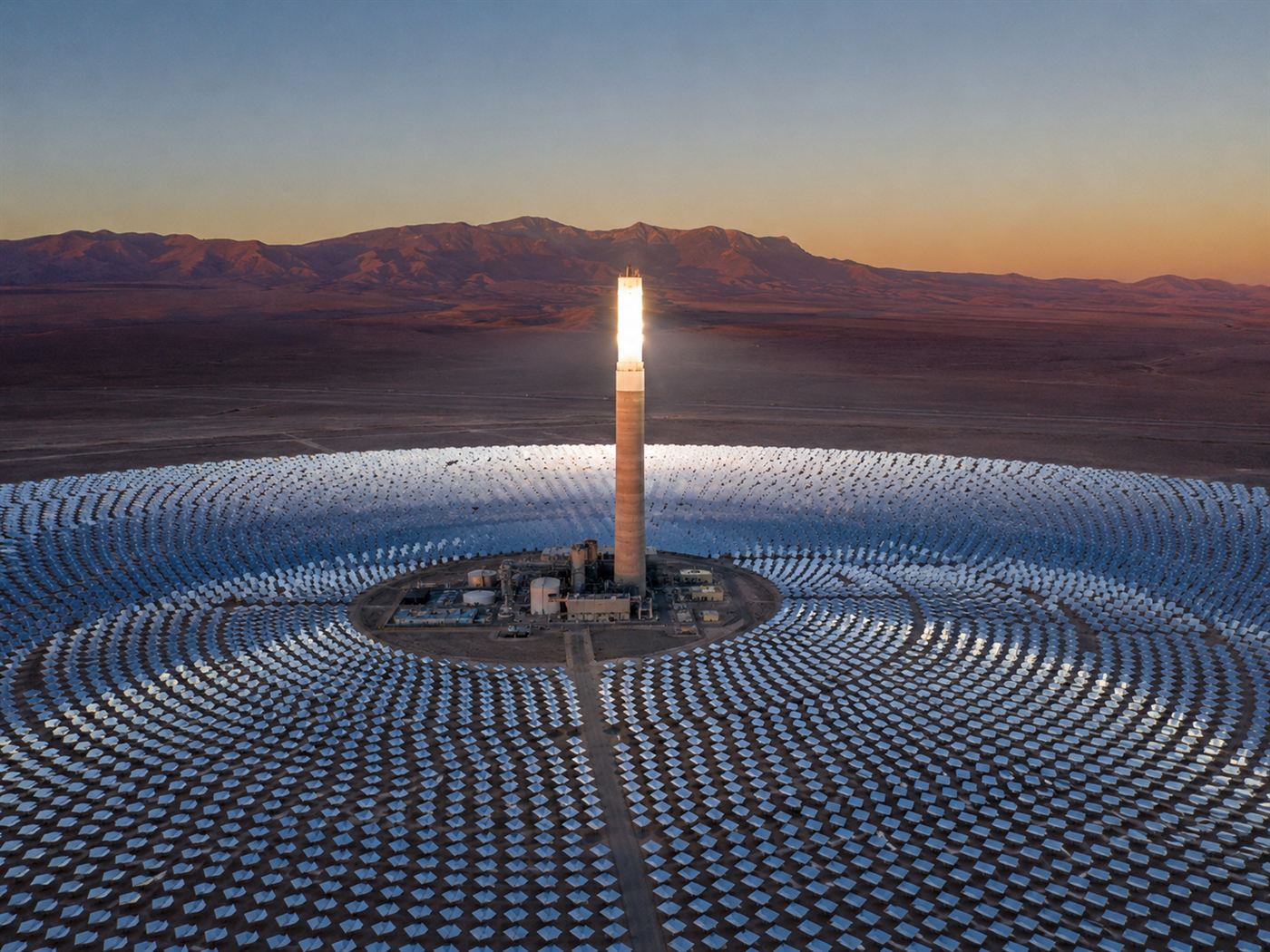
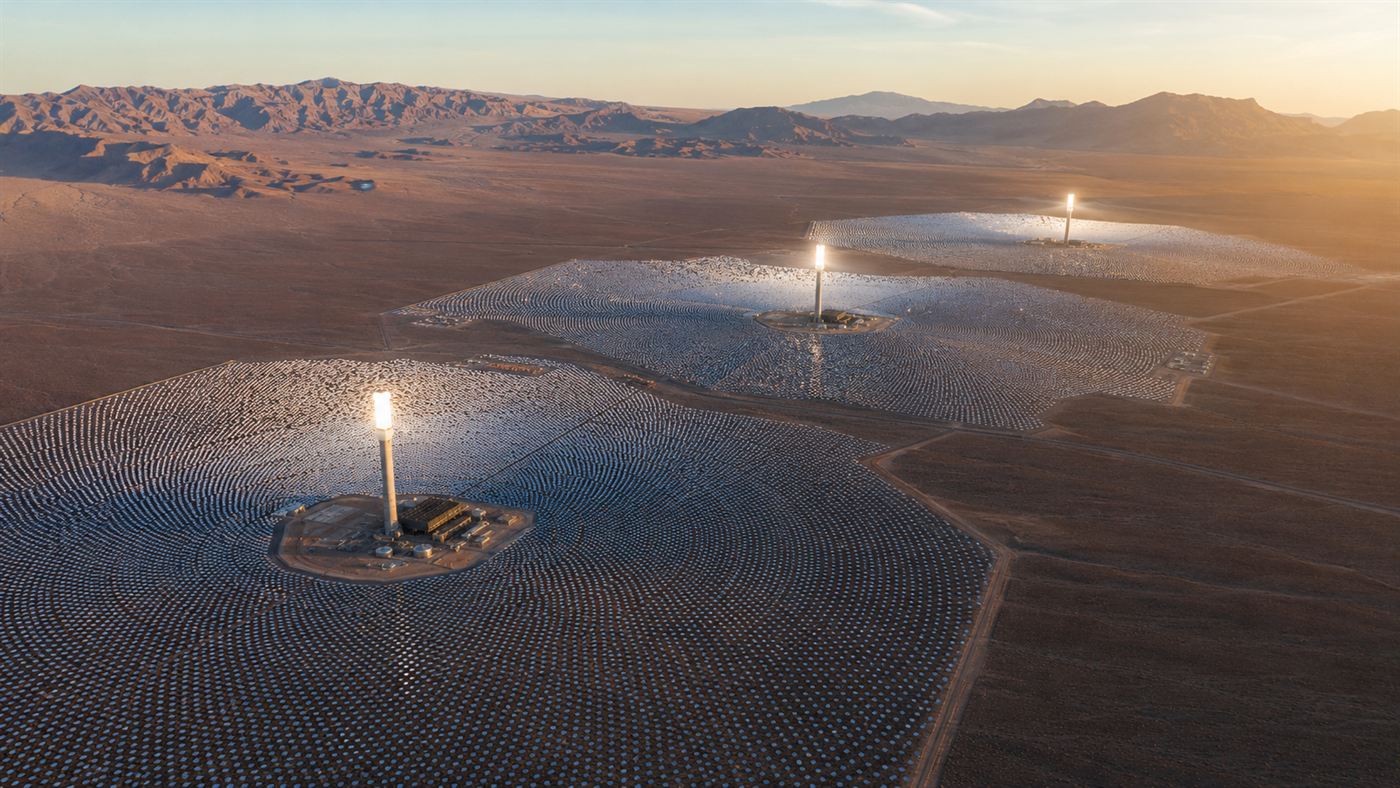
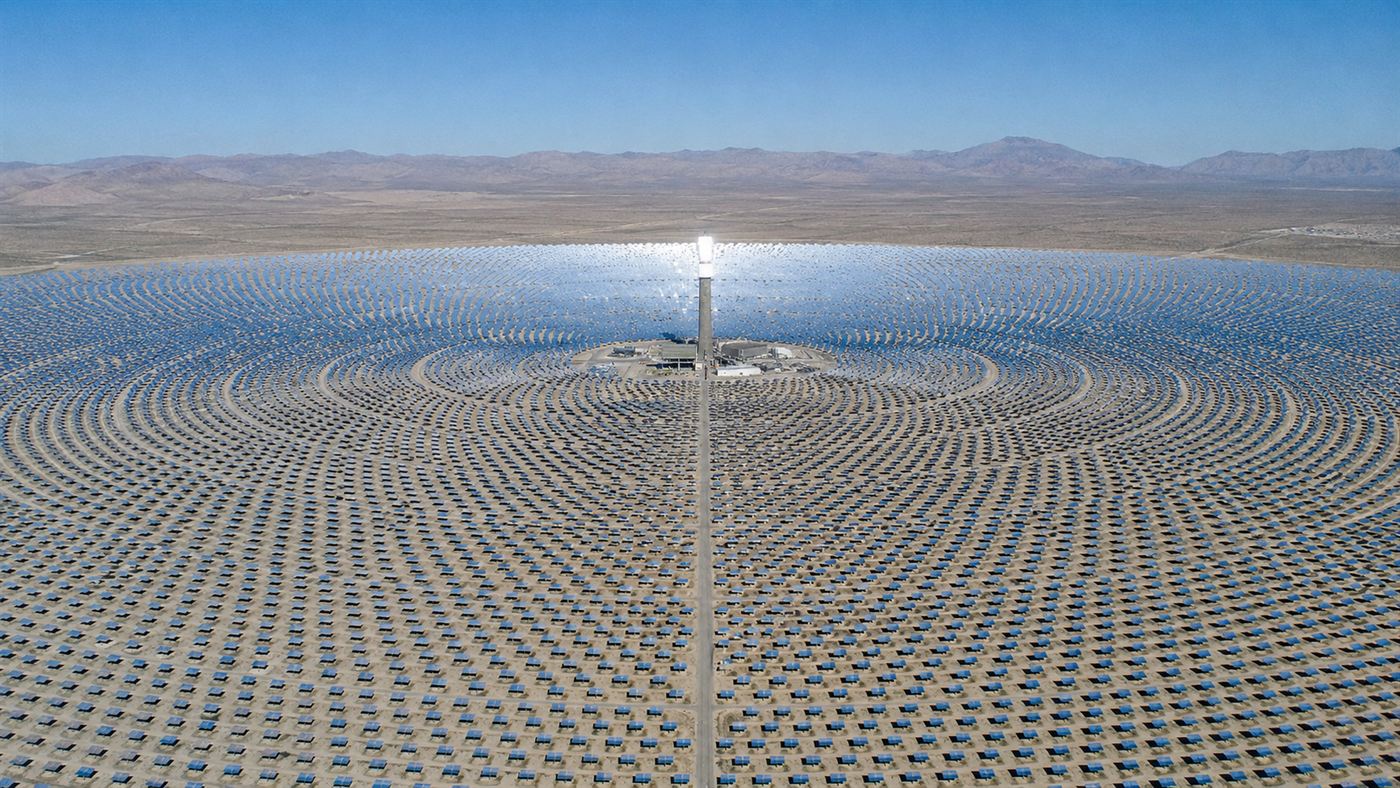
Crescent Dunes was a concentrated solar power plant, which works in a completely different way from the familiar blue solar panels on rooftops. Instead of converting sunlight directly into electricity, it used a field of more than ten thousand mirrors, called heliostats, arranged in vast rings around a central tower. Each mirror tracked the sun and bounced its light up to a receiver at the top of the tower.
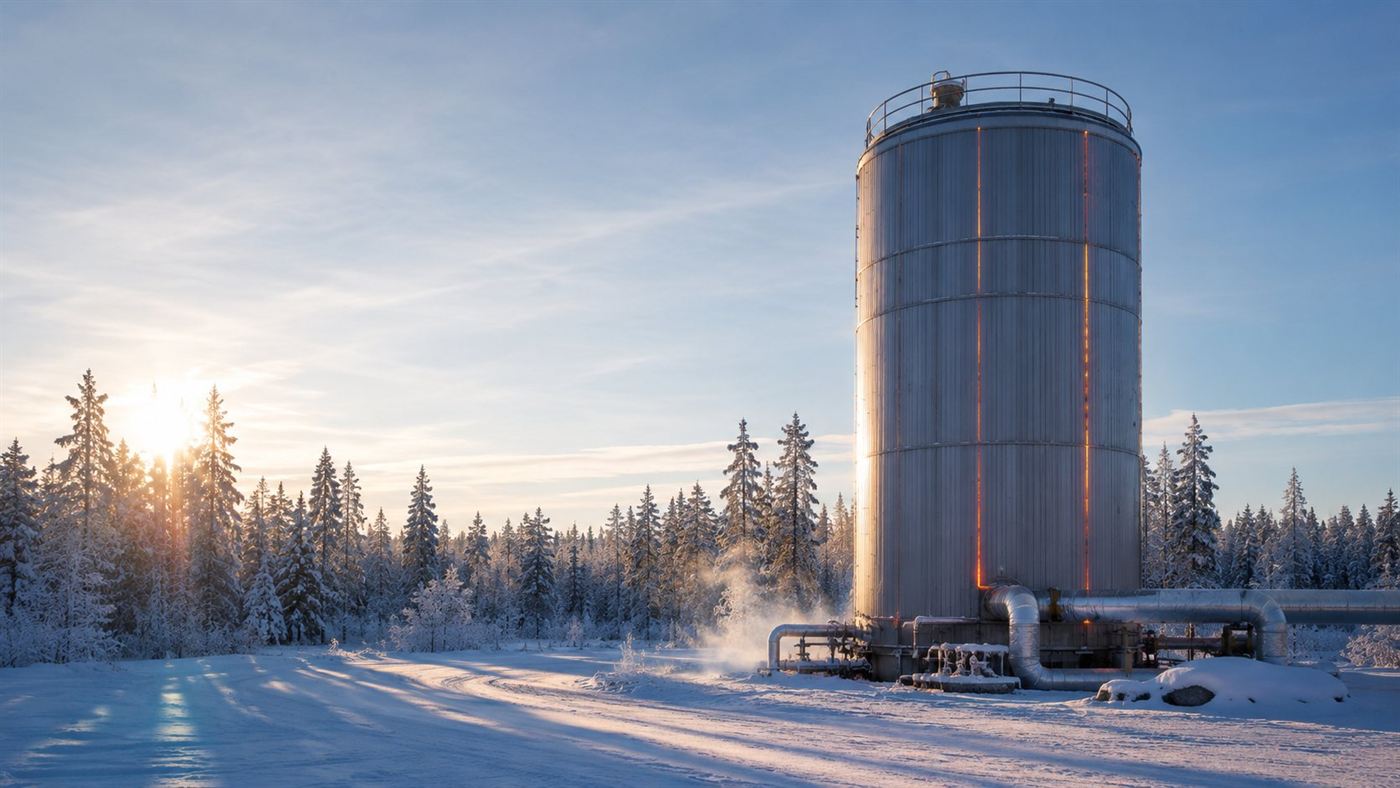
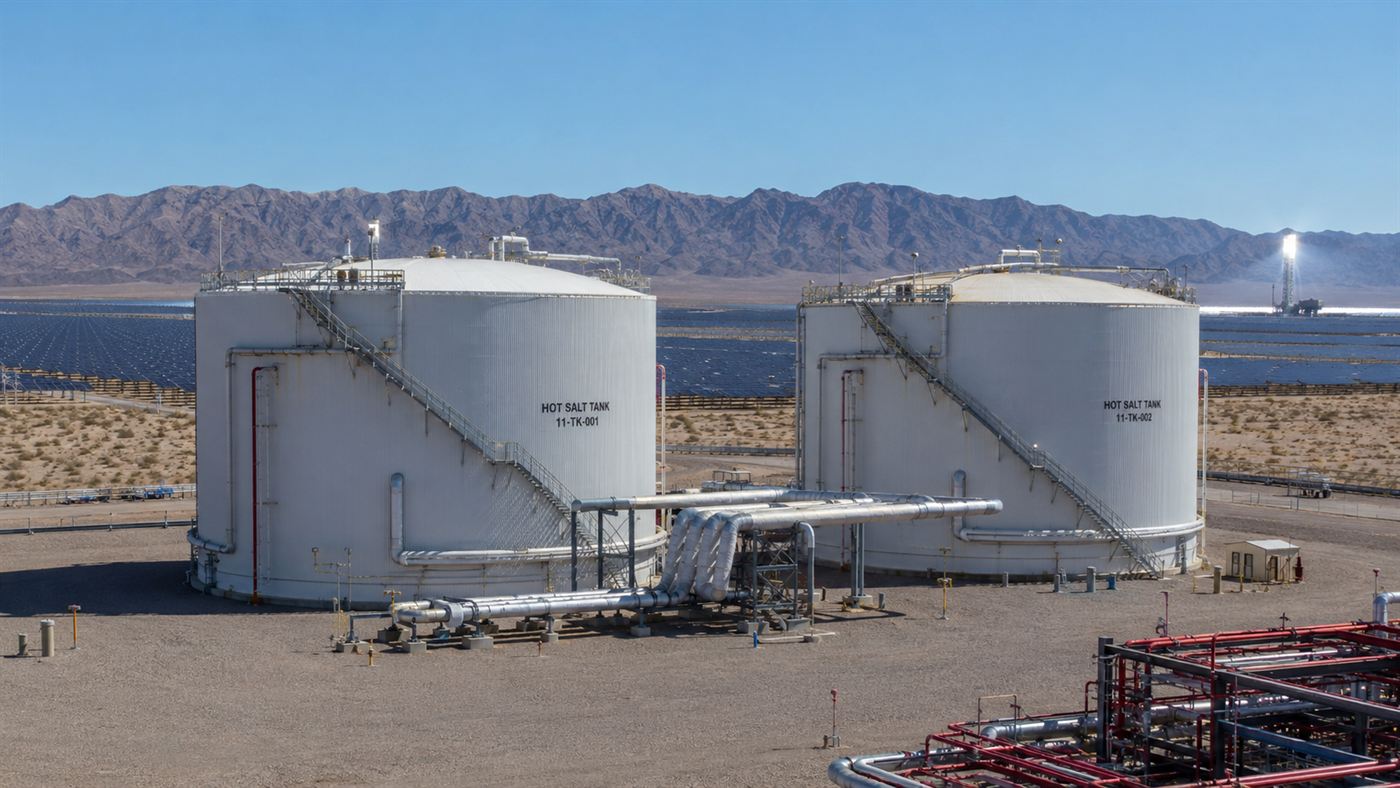
The concentrated sunlight heated a special molten salt to around 565 degrees Celsius, and that searing hot liquid was the whole point. The plant could store the day's heat in giant insulated tanks and then, hours later in the dark of night, use it to boil water, spin a turbine and make electricity on demand. At 110 megawatts, it was the first utility-scale plant in the United States to pull off this trick of solar power after sunset.
Bottling the sun in molten salt
This is what made Crescent Dunes so exciting. An ordinary solar farm is useless the moment a cloud passes or the sun sets, which is exactly when people come home and demand peaks. A plant that could keep generating for ten hours after dark, on sunlight gathered earlier, promised something close to the holy grail: clean power available whenever you needed it.
Backed by a $737 million loan guarantee from the US Department of Energy, the roughly billion-dollar project came online in 2015 to enormous fanfare. For a moment, it looked like the blueprint for how the whole world might run on the sun without ever going dark. The tower glowed over the desert like a vision of the future.
Why Crescent Dunes failed
The trouble started inside those storage tanks. The hot molten salt is brutally demanding to contain, and the plant suffered a series of leaks in its hot-salt tank, knocking it offline for long, expensive stretches. A plant that is supposed to deliver reliable power cannot keep going dark itself, and in 2019 the utility that bought its electricity tore up the contract, citing frequent and prolonged outages.
But the technical faults were only half the story, and arguably not even the fatal half. Crescent Dunes had been designed to sell its electricity at around 13.5 cents per kilowatt-hour, a fair price when it was conceived, but during the very years it was being built the cost of plain photovoltaic solar panels collapsed. Today a solar farm can sell power for roughly 3 to 4 cents per kilowatt-hour. The expensive, complicated tower was suddenly trying to compete against something three or four times cheaper.
Beaten by a cheaper rival
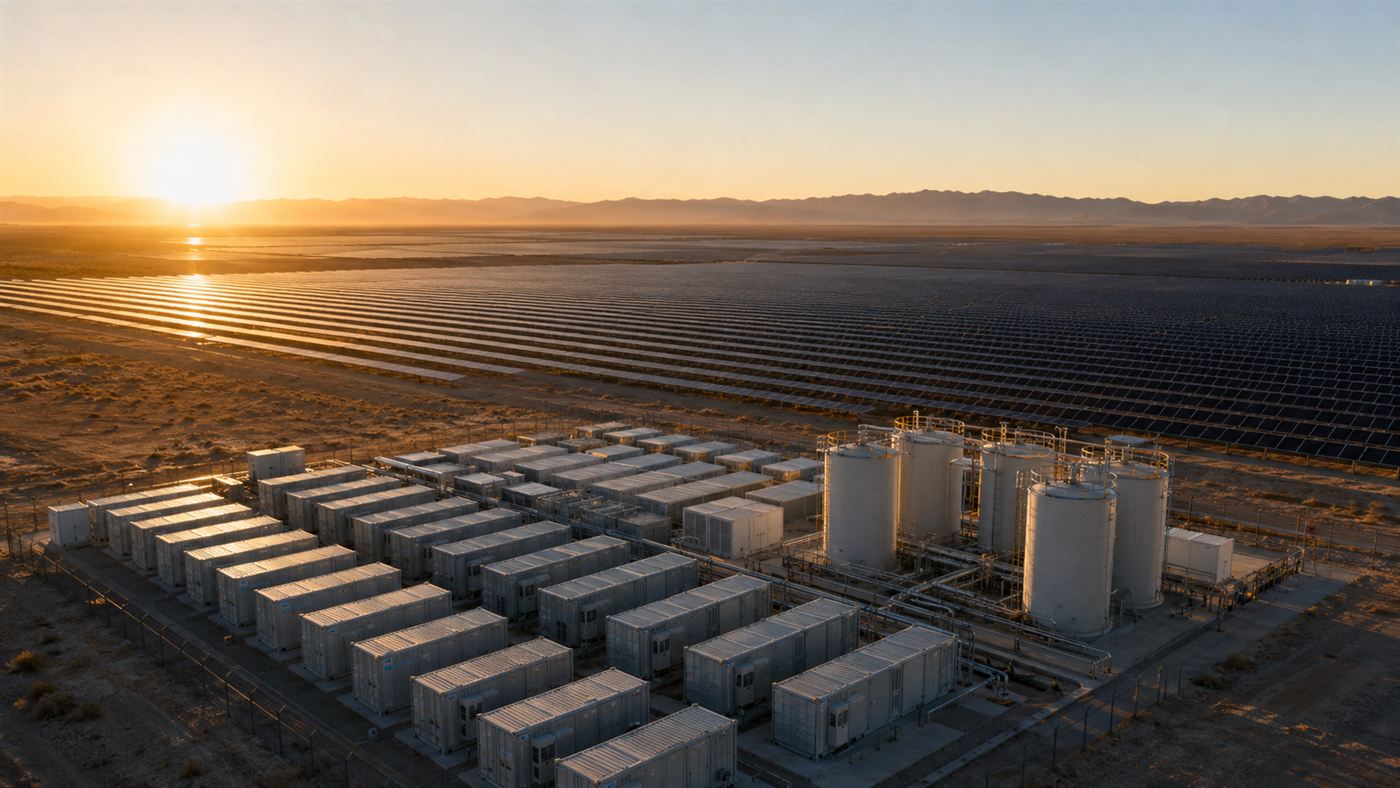
This is the cruel irony at the heart of the story. Crescent Dunes was not beaten by coal or gas or by the failure of solar power. It was beaten by solar power, just a different, humbler kind. While engineers were perfecting the dazzling molten-salt tower, the world quietly figured out how to make ordinary solar panels and lithium batteries so cheap that you could store the sun in a battery instead of in a tank of glowing salt, for a fraction of the cost.
By the 2020s the maths was merciless. The plant went bankrupt, came back, and went bankrupt again, and in 2026 the once billion-dollar marvel was sold out of bankruptcy court for around seven million dollars, a rounding error against what it cost to build. It is one of the most dramatic collapses in value that modern energy has ever seen.
The honest catch
It would be wrong to read this as proof that concentrated solar power is a dead end. The technology genuinely works, and similar molten-salt towers are running successfully elsewhere, including in Chile, China and the Middle East, often in places with intense sun and a real need for storage. Crescent Dunes failed because of its specific leaks and its specific timing, not because storing the sun as heat is a fundamentally bad idea.
It is also a reminder of how brutal the pace of the energy transition really is. A technology can be genuinely brilliant, genuinely clean, and still be rendered obsolete in less than a decade simply because a rival got cheap faster. Crescent Dunes did nothing fraudulent; it was just overtaken, at speed, by the very revolution it was trying to lead.
Why Crescent Dunes still matters
The lonely tower in the Nevada desert is a monument to a particular kind of risk, the risk of being first. Someone has to build the expensive, ambitious version of a new idea so that everyone can learn from it, and sometimes the pioneer pays the full price while the followers reap the reward. The lessons from Crescent Dunes live on in every storage project that came after it.
And the problem it tried to solve has not gone away; it has only changed hands. The race to store sunshine for the dark hours is now the single most important contest in clean energy, and Crescent Dunes was an early, costly, glorious shot at winning it. The tower lost. The dream it chased is closer than ever.
A billion-dollar tower built to store the sun was beaten by cheap panels and sold for the price of a house. Should we keep funding bold, expensive moonshots like this, knowing most of them will be overtaken before they pay off? Tell us what you think in the comments.
Related reading: In the Atacama Desert, a near-identical molten-salt tower is doing exactly what Crescent Dunes promised, and thriving.