This spider is smaller than a grain of rice, glows like a rainbow, and dances for its life
Most people who fear spiders have never seen one like this. Hidden in the Australian bush is a creature so tiny you could lose it under a fingernail, yet so dazzling that magnified photos of it look like living jewellery. The male peacock spider wears a fan of pure rainbow and performs a frantic dance to win a mate, knowing that failure can be fatal.
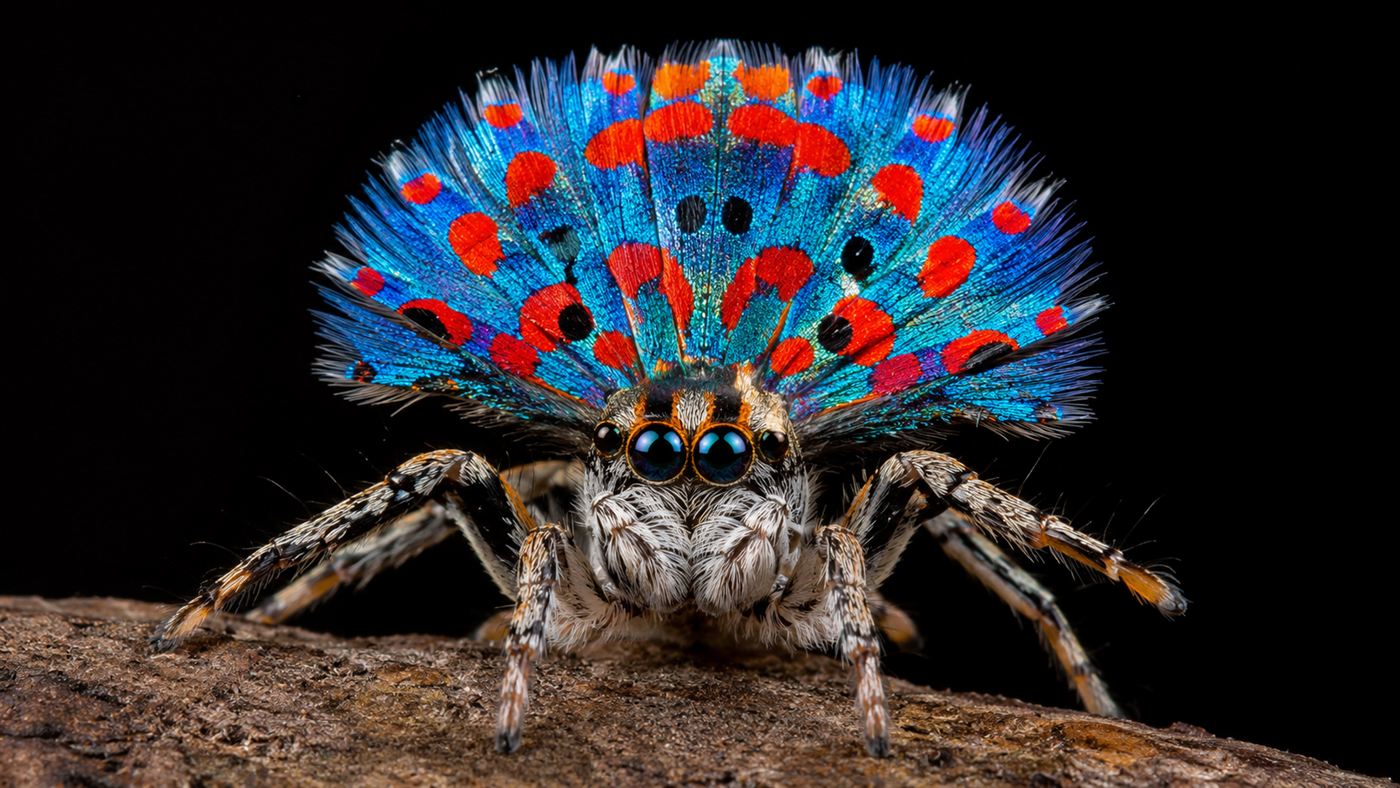
Magnified, the male's raised fan blazes in colours that seem impossible for so small a creature. Illustration: Watts & Wild.
It is a perfect reminder that the natural world keeps its most spectacular shows in the smallest of packages. The peacock spider is a type of jumping spider, a family already known for sharp eyesight and curious, almost catlike behaviour, but the males of this group have taken display to an extreme found almost nowhere else on Earth.
For something the size of a pinhead, it carries one of the boldest courtship rituals in all of nature.
A rainbow the size of a pinhead
Peacock spiders live in Australia and measure only a few millimetres from end to end. The females are small and drab, well camouflaged against the leaf litter. The males are the opposite: across the top of the abdomen they carry a flap that can be lifted and spread like a tiny fan, and that fan is patterned in glowing blues, fiery reds and electric oranges.
Held flat, the male looks fairly ordinary. But when he raises that fan, he transforms into a living scrap of stained glass, every bit as gaudy as the bird he is named after. It is one of the most intense bursts of colour anywhere in the animal kingdom, squeezed onto a body you could barely see across a table.
Why the peacock spider dances for its life
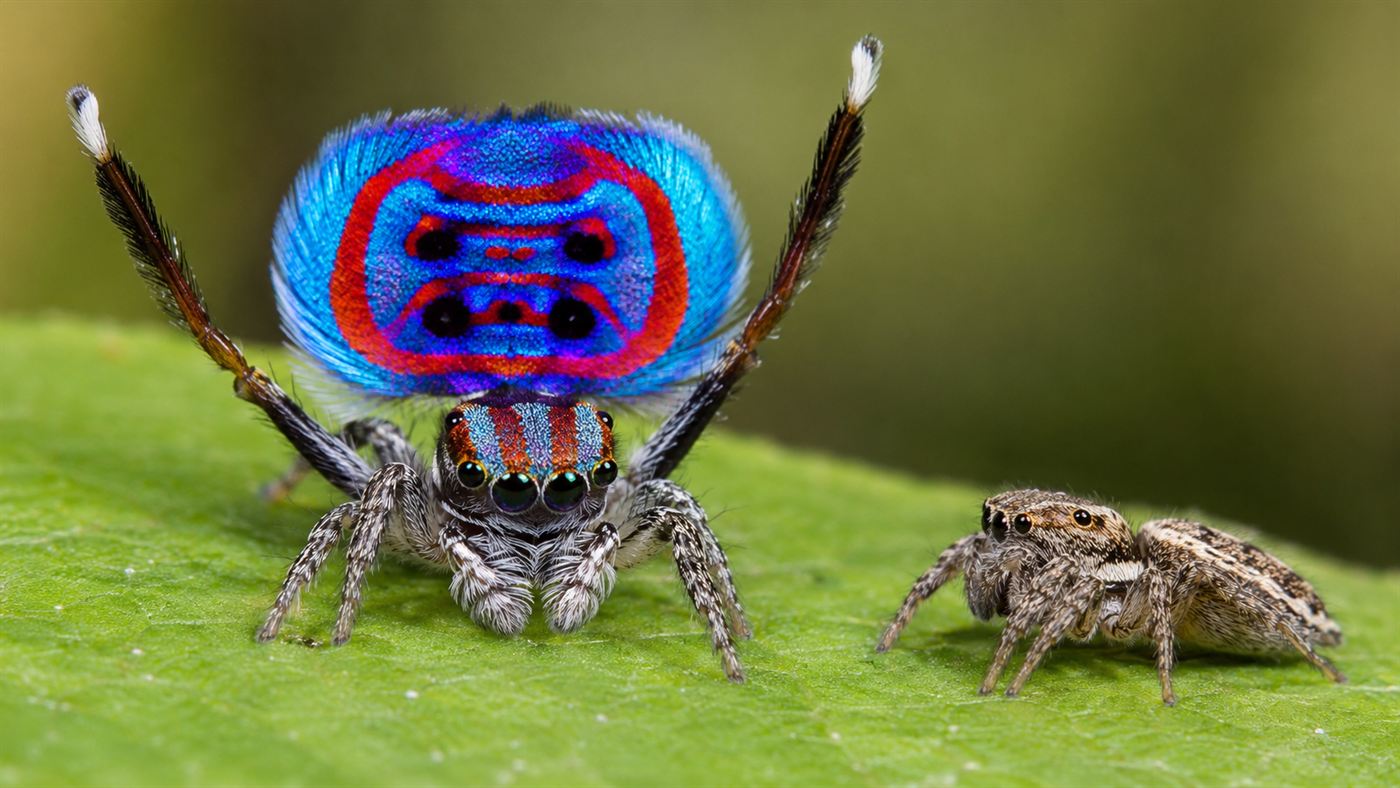
All that colour has one purpose: to win over a female, who takes a great deal of convincing. When a male finds a female, he raises his fan, lifts a pair of legs into the air, and begins to dance, waving and shimmying while sending rhythmic vibrations through the ground for her to feel as well as see. It is a full multimedia performance, combining colour, movement and silent drumming, all aimed at proving he is worth her attention.
The stakes could hardly be higher. The female is a hunter, and a male who fails to impress, or who approaches one that has already mated, risks being treated not as a suitor but as a snack. If she is unconvinced, she may simply attack and eat him, which makes every dance a genuine gamble with his life. The pressure of that gamble is exactly what drove the evolution of such an outrageous display in the first place.
Colours blacker than black
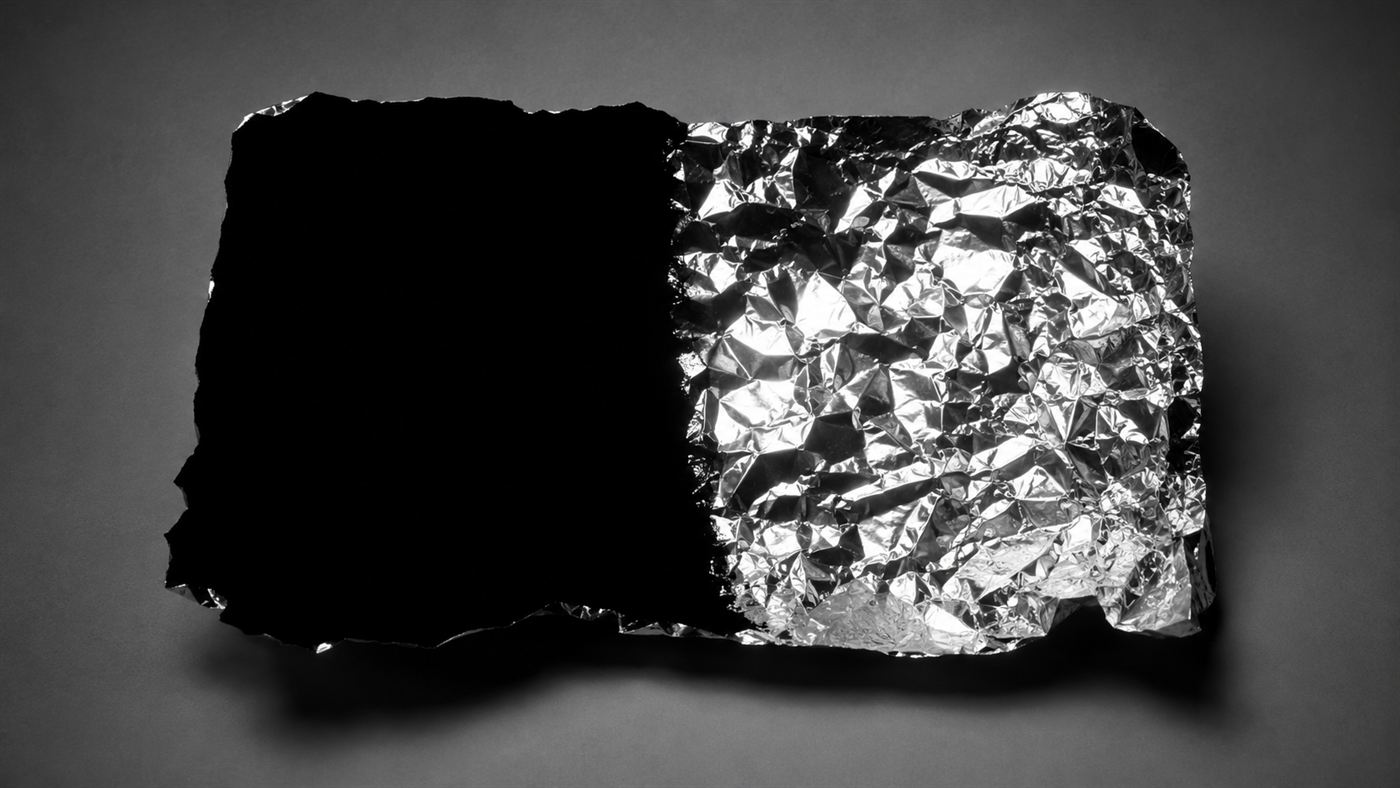
The science behind the spider is as surprising as the spectacle. The brilliant colours are not paint; they come from the structure of microscopic scales that bend and split light, the same trick that makes a soap bubble or a beetle shimmer. Even more remarkable are the deep black patches around the colours, which are among the blackest blacks found in nature, formed by tiny bumps that trap almost all the light that hits them.
Those super-black regions are not just decoration. By soaking up stray light, they make the neighbouring colours look even brighter by contrast, the way a jewel pops against black velvet. Scientists who study light and materials have taken a keen interest in how a spider manages to be both the most colourful and among the darkest things around, all at a scale you can barely see.
The man who found the rainbow spiders
For a long time, almost no one knew these tiny rainbows existed. That changed largely thanks to one enthusiast, the biologist Jurgen Otto, who stumbled on a peacock spider in the bush, was astonished by it, and began photographing and filming them up close. His vivid images and videos turned the peacock spider into an internet sensation, and helped reveal dozens of new species, some given playful names like Sparklemuffin and Skeletorus.
It is a lovely modern twist on natural history: a whole hidden world of jewel-like creatures, living quietly underfoot in Australia, brought to global fame by a curious person with a camera and a passion for the very small. There are almost certainly more species still out there, waiting to be noticed.
How big is a peacock spider?
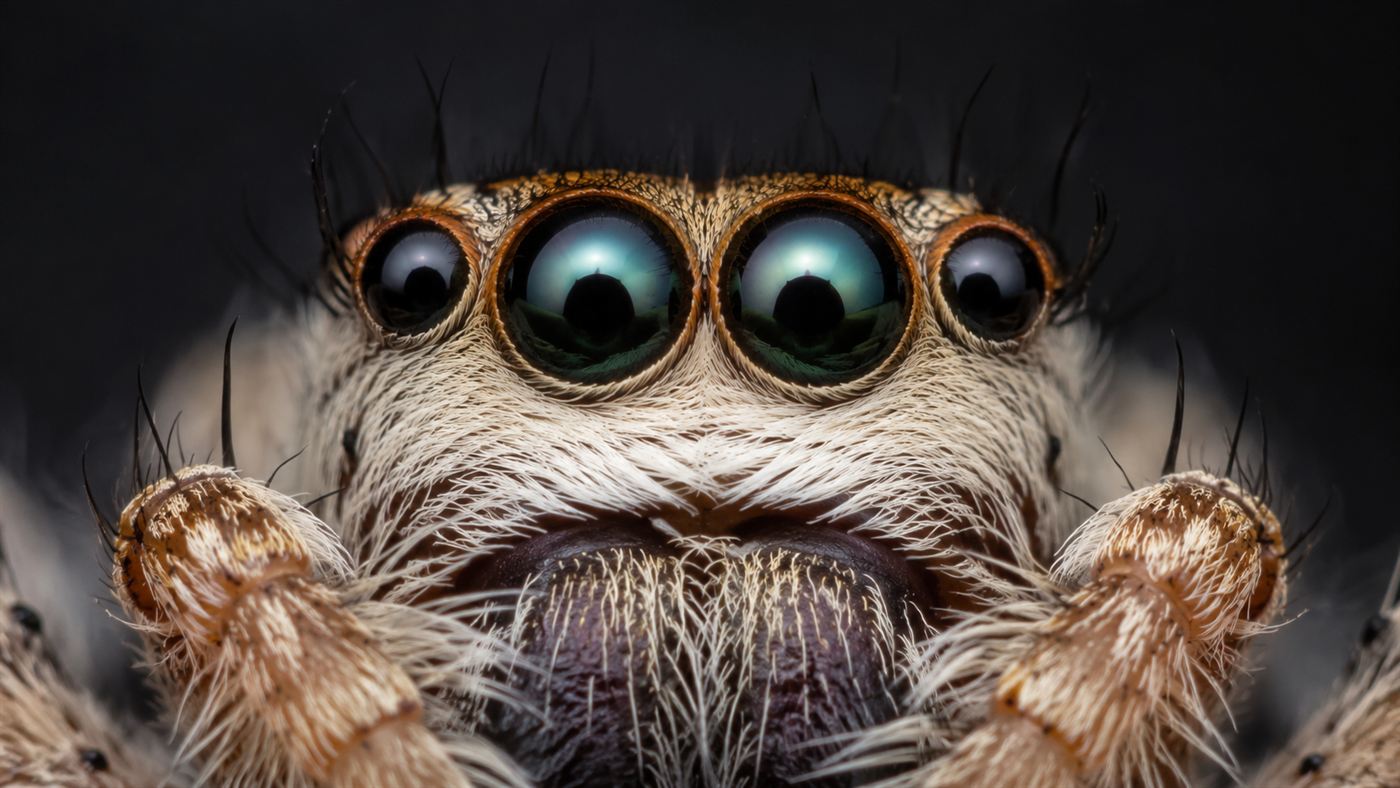
Genuinely minuscule, which is the whole point of the surprise. Most peacock spiders are between about two and a half and six millimetres long, smaller than a grain of rice, so all that colour and choreography happens on a stage you could cover with a single letter on this page. It is a powerful lesson that spectacle in nature has nothing to do with size.
The smallness is also why they went unappreciated for so long. Without a macro lens or a magnifying glass, a peacock spider is just a tiny dot scuttling across a leaf, giving no hint of the rainbow performance it is capable of.
Are peacock spiders dangerous?
Not in the slightest, at least not to us. A peacock spider is far too small to hurt a person; its fangs cannot do anything to human skin, and it has no interest in us at all. The only creatures that need to worry about it are the little insects it hunts, and, sadly, the occasional male who dances badly.
So if the word spider makes you uneasy, this is the one to win you over. It is harmless, beautiful, and weirdly endearing, a tiny dancer in a rainbow cape that asks nothing of you but a closer look. The peacock spider is proof that some of nature's greatest performances are playing, unseen, right beneath our feet.
A rainbow the size of a pinhead, dancing for its life in the leaf litter, is one of nature's most charming hidden marvels. Does meeting the peacock spider change how you feel about spiders, or is even a tiny dancing rainbow still a step too far? Tell us what you think in the comments.
Related reading: the mantis shrimp, another small creature with colour vision and abilities far beyond its size.