In 1935 Franklin Roosevelt tried to power part of Maine with the ocean itself, damming the giant tides of Passamaquoddy Bay, until Congress killed the dream and left a ghost town behind
Nearly a century before anyone talked about clean energy, an American president looked at the biggest tides on the eastern seaboard and saw a power plant. He poured millions into it and built a town for the workers. Then the money stopped, and the sea got to keep its power after all.
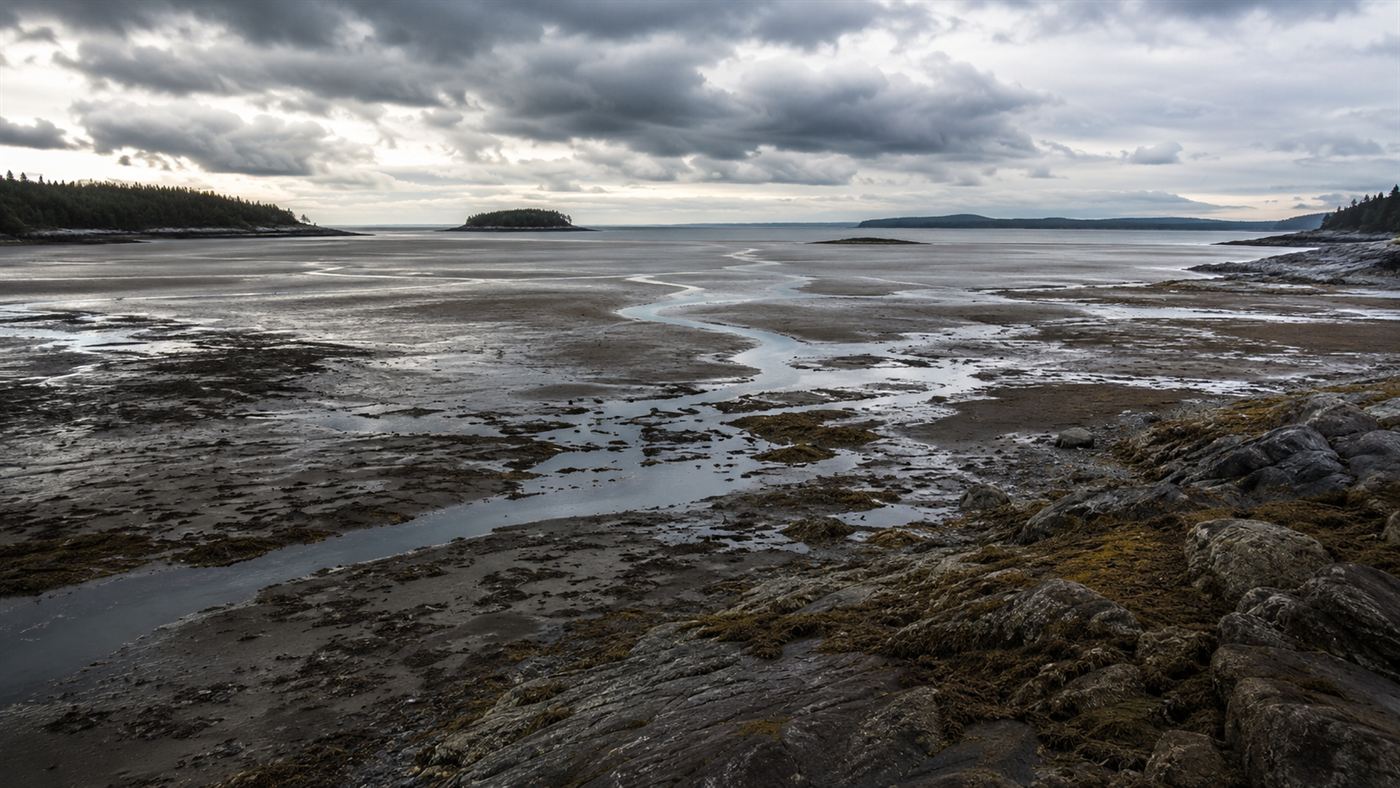
The tides around Eastport, Maine rise and fall dozens of feet, twice a day, forever. Illustration: Watts & Wild.
On the far northeastern tip of Maine, where the country runs out and Canada begins, the tides are monstrous. In the bays around the little city of Eastport, the water can rise and fall by more than twenty feet twice a day, a vast, free, endlessly repeating surge of energy. For a century, dreamers have looked at that and asked the obvious question: why not plug it in?
The most serious attempt to answer that question was the Passamaquoddy tidal project, and it had the most powerful backer imaginable. In 1935 President Franklin Roosevelt, using New Deal money, launched a bold plan to dam the bays and turn the tides into electricity. For a brief, hopeful stretch, it looked like the future was being built on the coast of Maine.
The short version: in 1935 Franklin Roosevelt used New Deal funds to start the Passamaquoddy tidal project, damming the bays near Eastport, Maine to make power from the tides. A town was built and work began, but Congress refused to keep paying, and in 1936 the whole thing was abandoned before it produced a single watt.
The engineer who wanted to harness the tides
The dream did not start with a president. It started with an engineer named Dexter Cooper, who had worked on hydroelectric projects and became fascinated by the enormous tides around Passamaquoddy Bay in the 1920s. His idea was elegant: use dams and gates to trap seawater at high tide in the bays, then release it through turbines as the tide fell, over and over, forever.
Dexter Cooper happened to have an extraordinary neighbor. Franklin Roosevelt summered on nearby Campobello Island and knew these waters well, and he was captivated by the plan. As early as a 1920 campaign speech in Eastport, Roosevelt was talking up the idea, and when he reached the White House he finally had the power to make it real.
How Roosevelt turned a dream into a job site
In 1935, with the country desperate for work in the depths of the Depression, Roosevelt directed roughly seven million dollars of New Deal funds to the Passamaquoddy tidal project. Because the money came from public works accounts he controlled directly, he could start it without waiting for Congress to agree, which would matter enormously later.
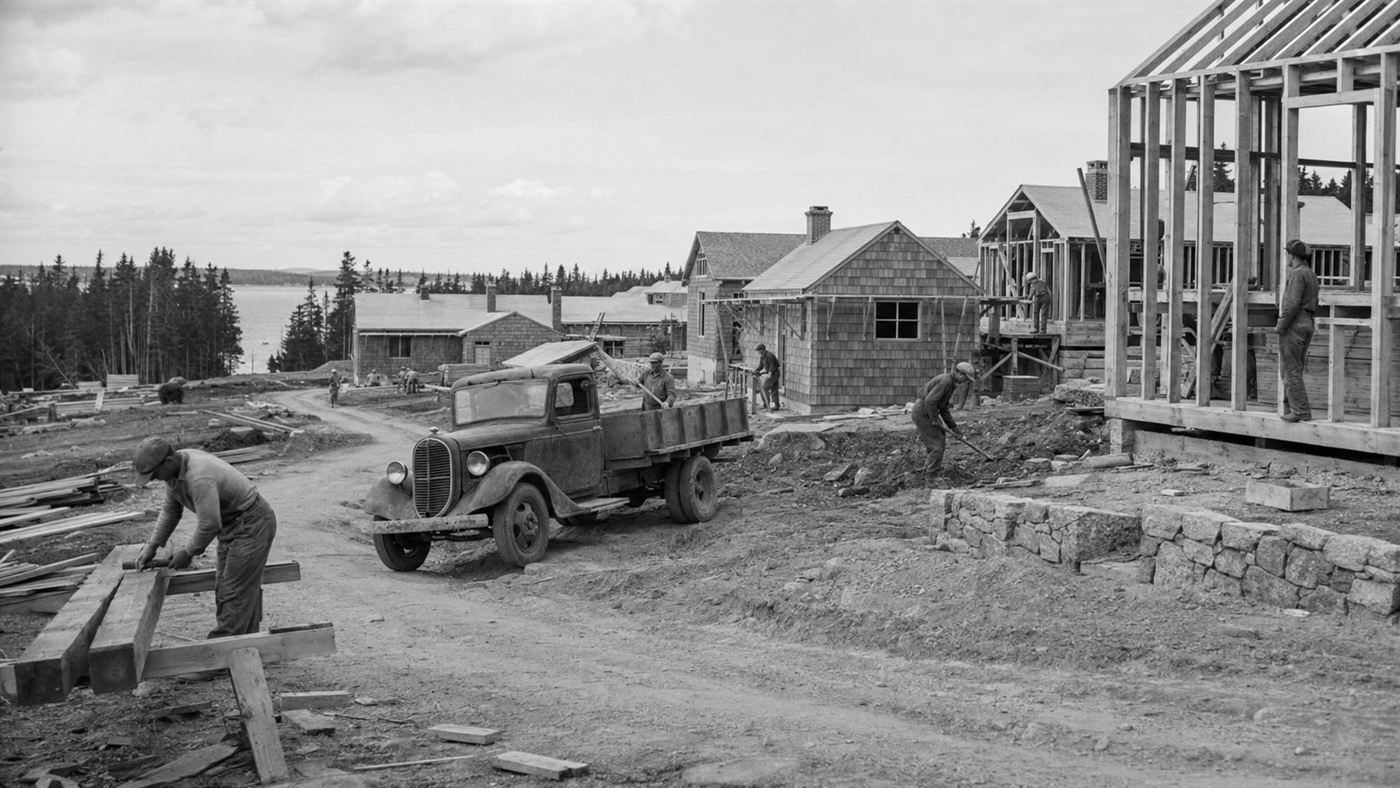
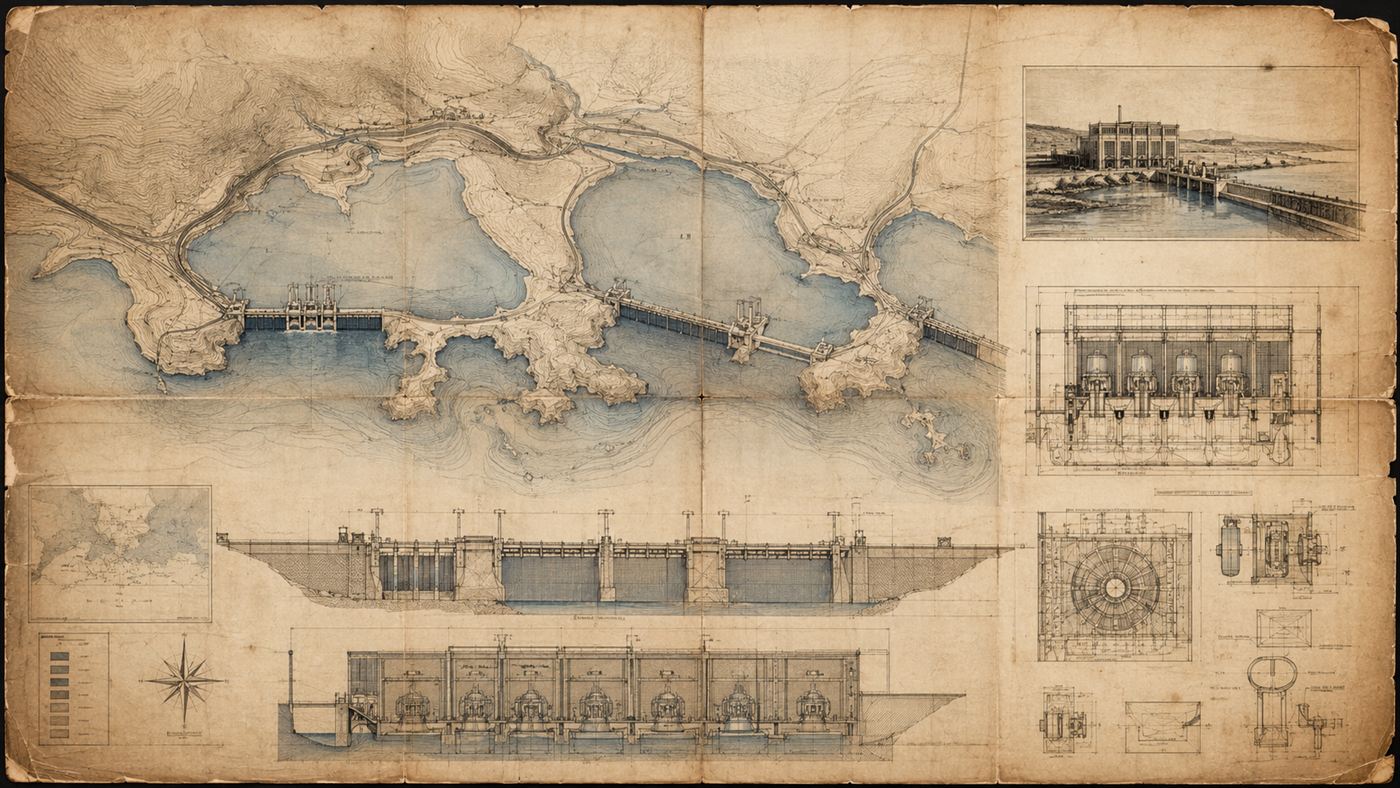
The work was real and ambitious. Crews began building dams and a navigation lock across Cobscook Bay, along with the gate structures and a generating station. To house the thousands of workers, the government built an entire community called Quoddy Village, with homes, streets and services, near Eastport. On July 4, 1935, the towns of the region celebrated the start of construction with parades and fireworks.
Why did Congress kill the Passamaquoddy tidal project?
The trouble was that starting the project and finishing it were two very different things. The full plan needed far more money than Roosevelt could allocate on his own, which meant going back to Congress, and Congress was not convinced. When the initial funds ran out, lawmakers simply declined to provide more, and work ground to a halt in the summer of 1936.
The objections were largely economic. A Federal Power Commission review concluded that electricity from the tides would cost more than power from ordinary steam plants, and critics pointed out that tiny, remote Eastport had no big industry or city nearby to buy all that electricity. However romantic the tides looked, the numbers on paper did not close.
The town that was left behind
The cancellation was a disaster for the people who had bet on it. Eastport had borrowed and invested heavily to prepare for the boom the project promised, and when the work stopped, the boom vanished. The city of Eastport went bankrupt in 1937, its hopes stranded along with the half-built dams.
Quoddy Village did not disappear entirely. Over the years it was repurposed for other uses, from a training center to housing, a strange planned town that outlived the reason it was built. But the great tidal machine it was meant to serve never came, and the dams across the bay were left as unfinished monuments to a future that did not arrive on schedule.
The honest catch
It is tempting to call this a tragedy of short-sighted politicians killing clean energy, but the skeptics had a point. In the 1930s there really was no good way to move Eastport's power to distant cities, and tidal generation genuinely was more expensive than burning coal. Roosevelt's dream ran decades ahead of both the technology and the market that could have justified it.
What the critics could not see is that the world would eventually change around the idea. Tidal power stations now run successfully elsewhere, and the appetite for carbon-free electricity that Eastport lacked is exactly what the world is scrambling for today. Passamaquoddy was not a foolish idea. It was a right idea that arrived embarrassingly early, and got the punishment that early ideas so often do.
A president tried to run a slice of America on nothing but the pull of the moon, and the country decided it could not afford the future yet. Should the United States finally finish what Roosevelt started and build tidal power on the coast of Maine? Tell us in the comments.
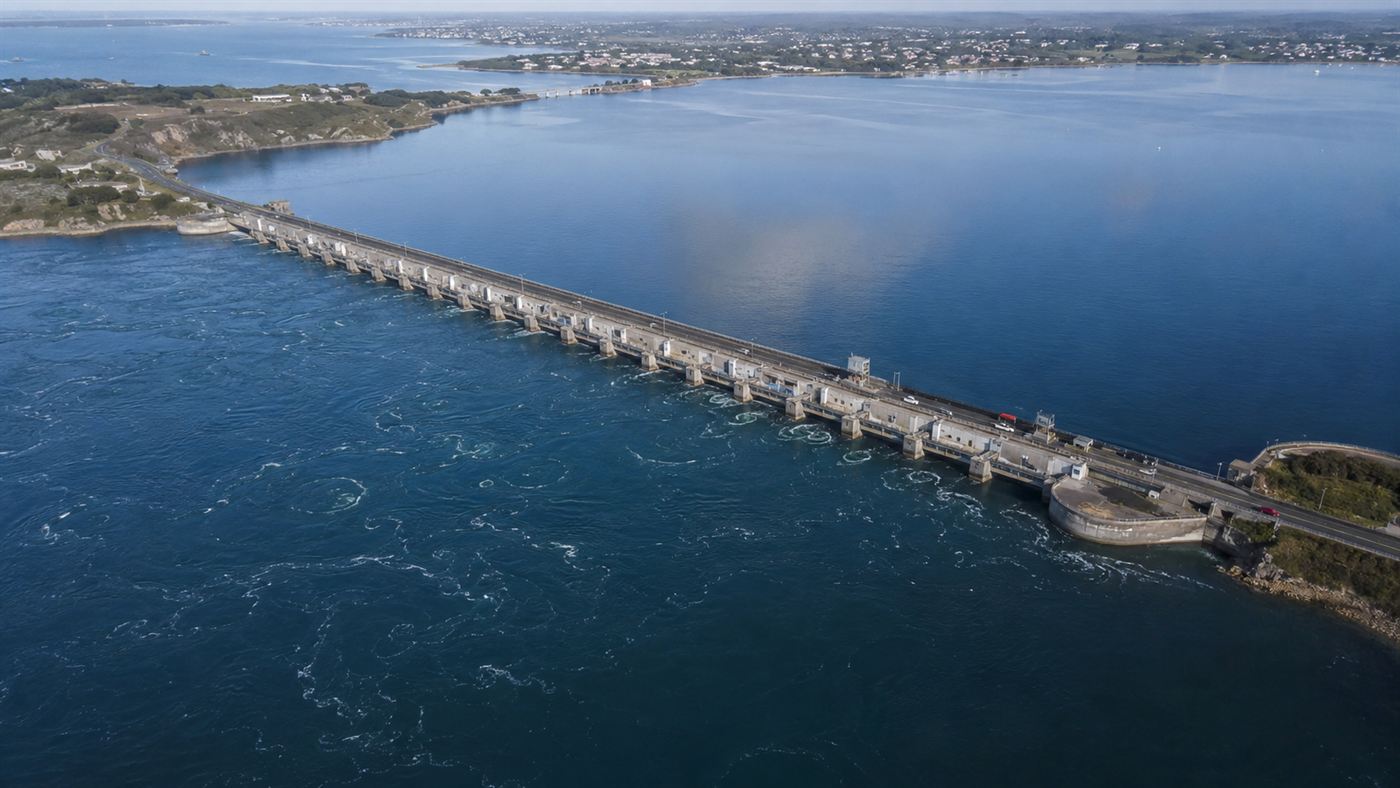
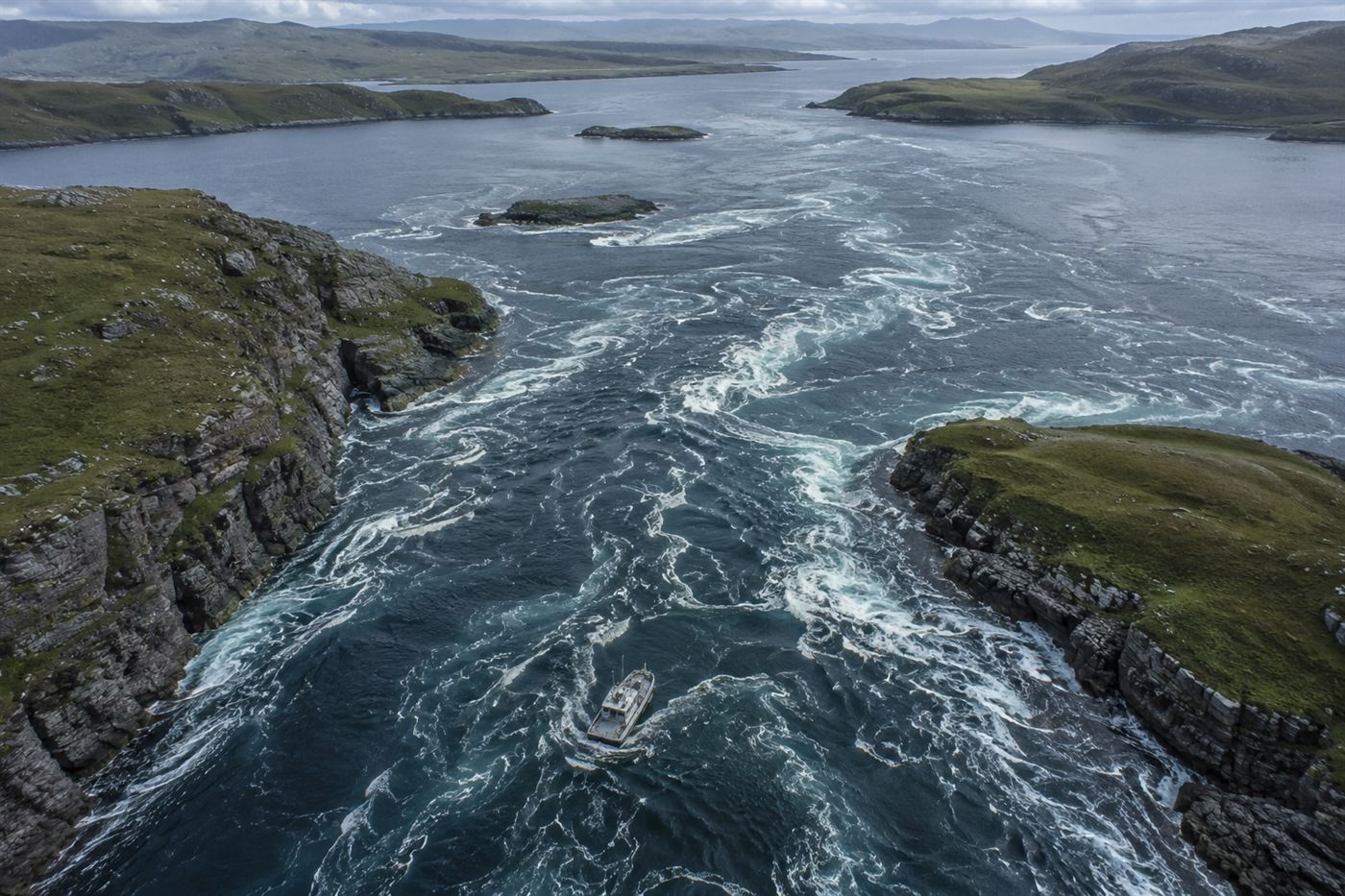
Related reading: the La Rance station in France, the tidal plant that actually got built and has run for decades. See also the underwater turbines harvesting the tides off Scotland without damming a thing.