Iceland found a way to turn carbon dioxide into stone, and it happens in under two years instead of a thousand
For decades the plan to bury carbon dioxide underground carried a nagging fear: that the gas would sit in a pocket of rock and one day leak back out. On a steaming lava field in Iceland, a project called Carbfix answered that fear in the most direct way imaginable. It does not store the gas. It turns it into rock.
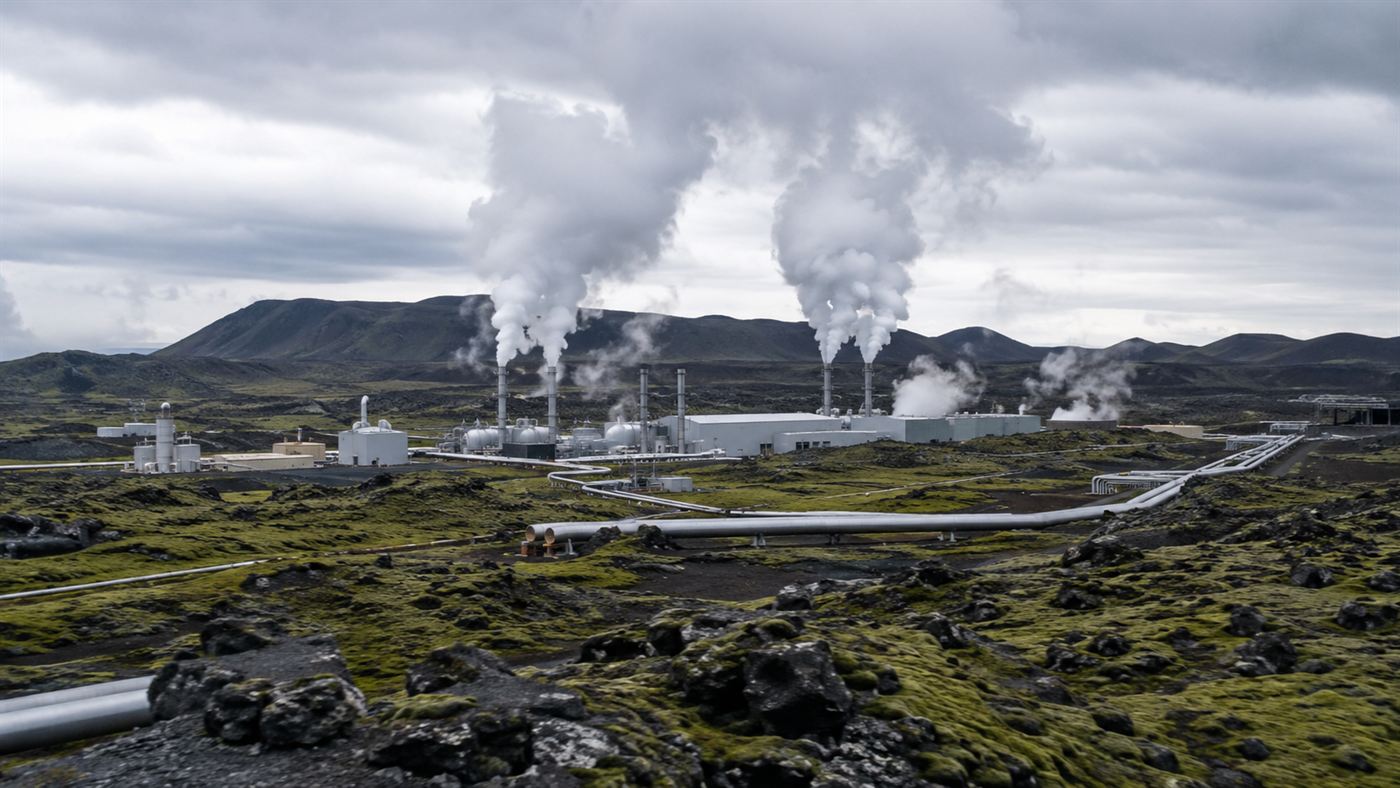
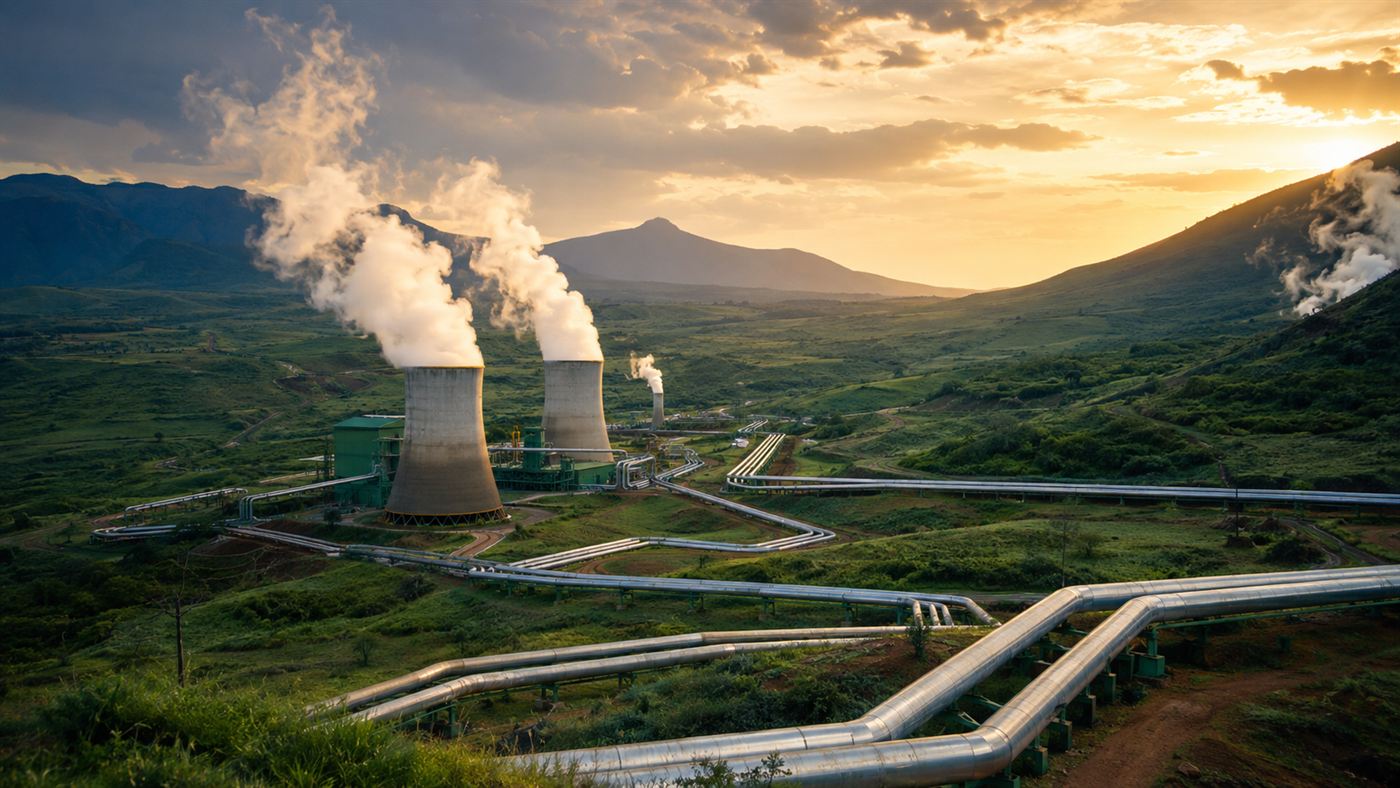
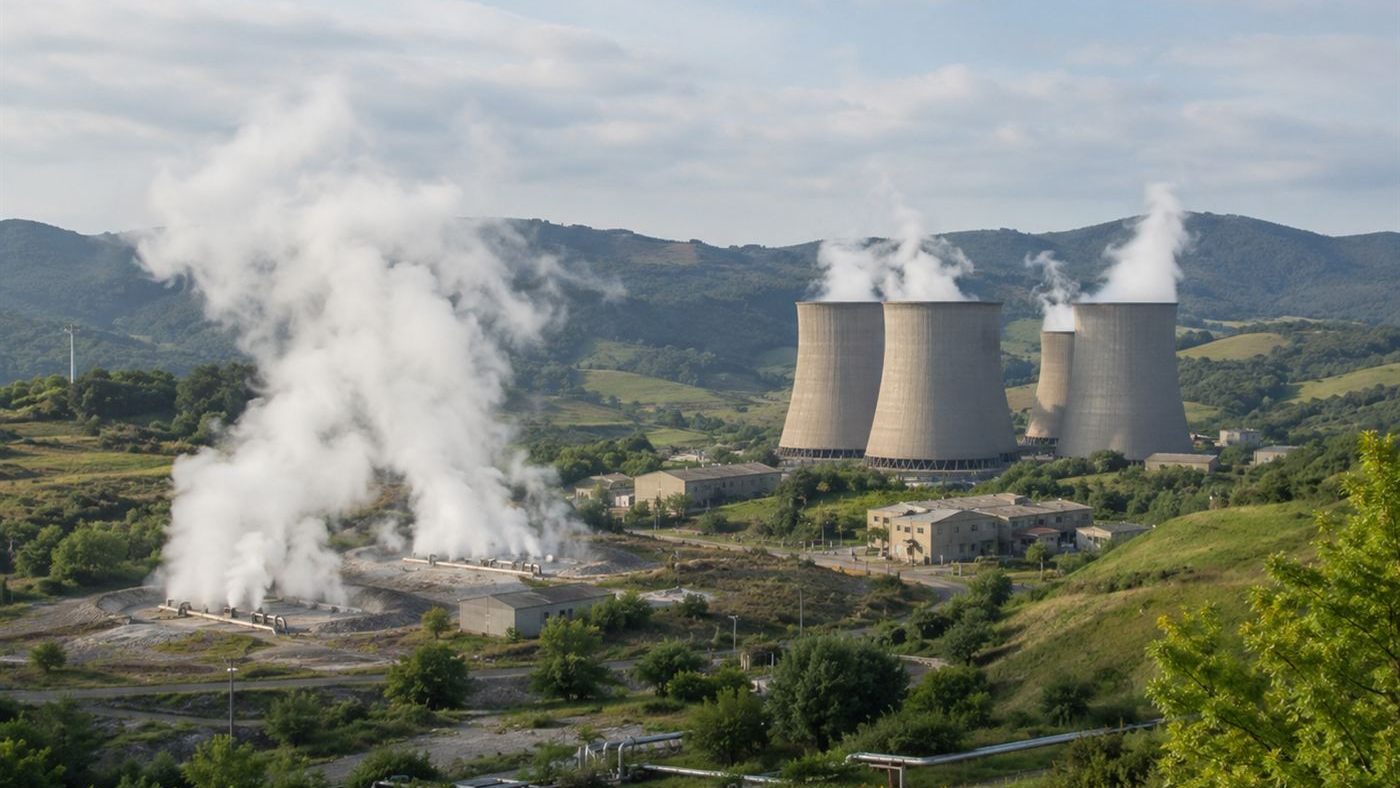
Hellisheidi, the Icelandic geothermal plant where Carbfix injects carbon dioxide into lava rock. Illustration: Watts & Wild.
The idea sounds like science fiction, but the chemistry is old. It plays out at Hellisheidi, one of the largest geothermal power stations in the world, in the black volcanic country outside Reykjavik. There, the Carbfix team takes carbon dioxide, mixes it with water, and pumps it hundreds of meters down into the island's basalt, the dark rock left behind by ancient lava. Then nature does the hard part.
What makes this matter is speed. The thing that surprised even the scientists running the experiment was not that CO2 could become stone, but how fast it did it. Within two years, about 95 percent of the injected carbon dioxide had mineralized into solid rock, a result so far ahead of the textbooks that the team had to double-check it was real.
How Carbfix turns a gas into rock
The trick is to stop treating CO2 like a gas and start treating it like soda water. Instead of pushing dry carbon dioxide underground and hoping it stays put, Carbfix first dissolves it into water, making a heavy, fizzy liquid that wants to sink rather than rise. That single change removes most of the leak risk, because dissolved CO2 does not float back up the way a gas bubble would.
That carbonated water is then injected into porous basalt, and here the lava earns its keep. Basalt is rich in calcium, magnesium, and iron, and the slightly acidic water pulls those metals out of the rock. They bond with the carbon to form carbonate minerals, the same family as ordinary limestone. The carbon that was once in the air ends up as a pale mineral growing inside the pores of the stone.
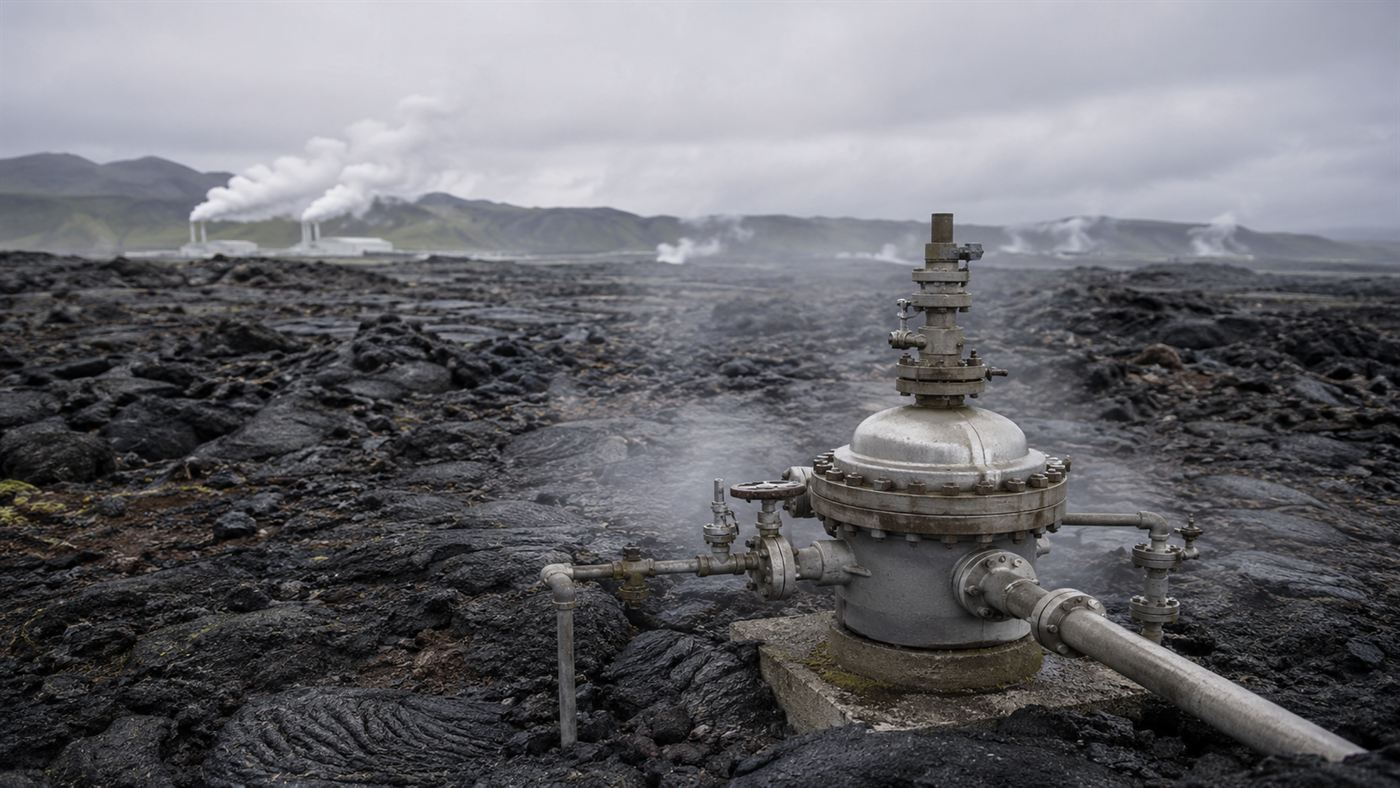
The moment the drill cores came up green
When the project began in earnest around 2012, plenty of geologists expected the mineralization to crawl along over centuries. To find out, the team laced their injected CO2 with chemical tracers so they could track exactly where the carbon went and when it changed form. Then they waited, and drilled the rock back up to look.
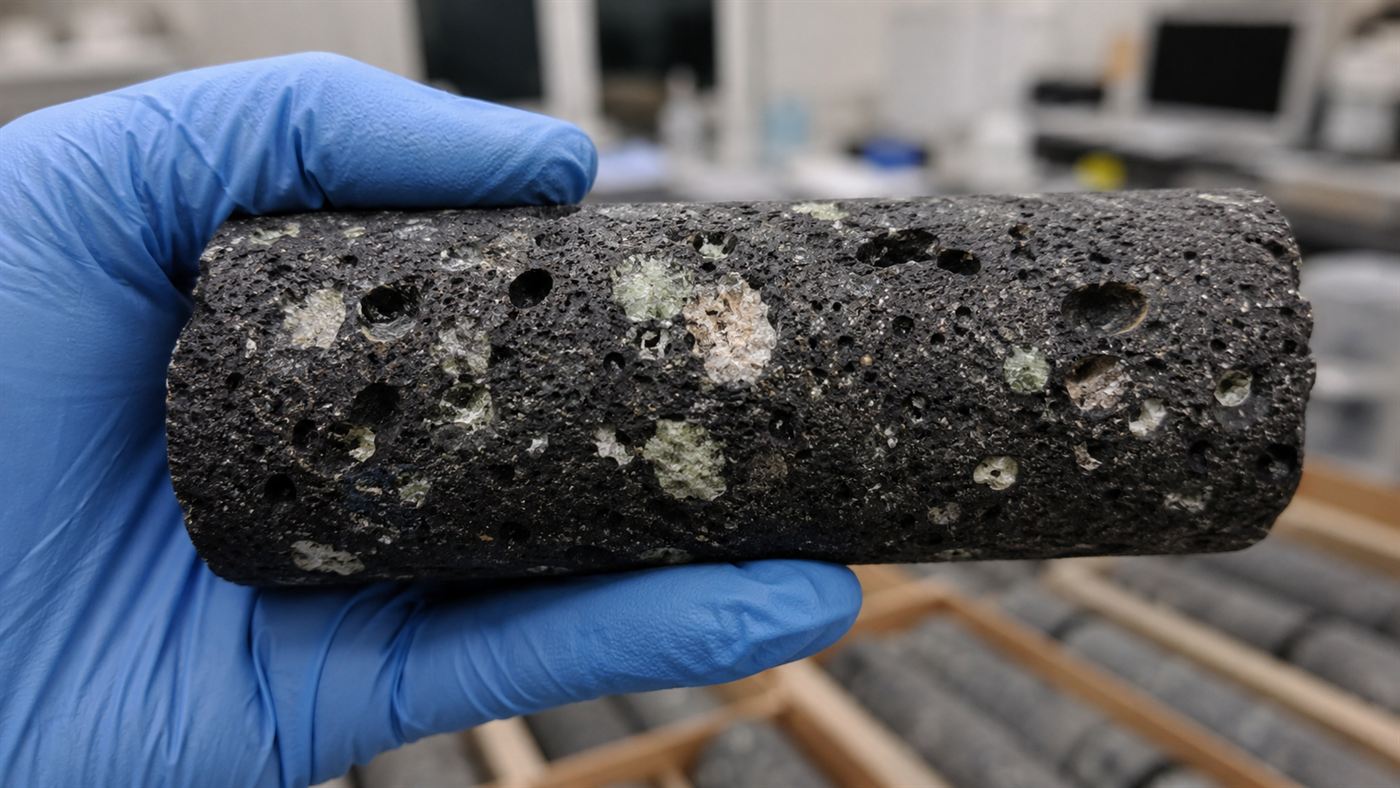
The cores told the story. The once-empty pores of the basalt were filling with fresh white and greenish carbonate, carbon that had been a gas only months earlier. The lead scientists, including the Icelandic geochemist Sigurdur Gislason and colleagues from Columbia University, had their proof in hand: the rock was quite literally eating the carbon, and doing it in a human timescale rather than a geological one.
Why Iceland was the perfect laboratory
Iceland handed Carbfix three gifts at once. It sits on a raw slab of basalt, exactly the rock the reaction needs. It has vast amounts of clean geothermal heat and water, so the whole process runs on low-carbon energy. And the Hellisheidi plant itself vents CO2 straight from the ground, giving the team a steady, on-site supply of the very gas they wanted to bury.
That is why the method proved itself here first. By 2021 the idea had grown another arm: a direct-air-capture plant built next door began pulling carbon dioxide straight out of the open sky and handing it to Carbfix to petrify. The captured breath of the atmosphere goes down as fizzy water and comes to rest, permanently, as stone.
The honest catch
It would be easy to call this the answer to climate change, and it is not, at least not on its own. The process is thirsty, using large volumes of water for each ton of carbon, and it works best where there is basalt and cheap clean power together, a combination not every country has. Scaling it from a clever Icelandic project to a dent in global emissions is an enormous, unfinished job.
The honest framing is smaller and more useful. The world will keep burning some carbon for years yet, and it will need somewhere permanent to put the emissions it cannot avoid. Carbfix proved that one of those somewheres can be solid rock, locked away in under two years with almost no chance of leaking. It is not the whole cure, but it is a very good place to hide the problem for good.
Iceland took a gas we cannot seem to stop making and turned almost all of it into harmless rock in under two years. Should the world pour money into burying carbon as stone, or into never making it in the first place? Tell us what you think in the comments.
Related reading: The oil-drilling tricks now being used to unlock geothermal power almost anywhere on Earth.
More from Watts & Wild
More in Energy →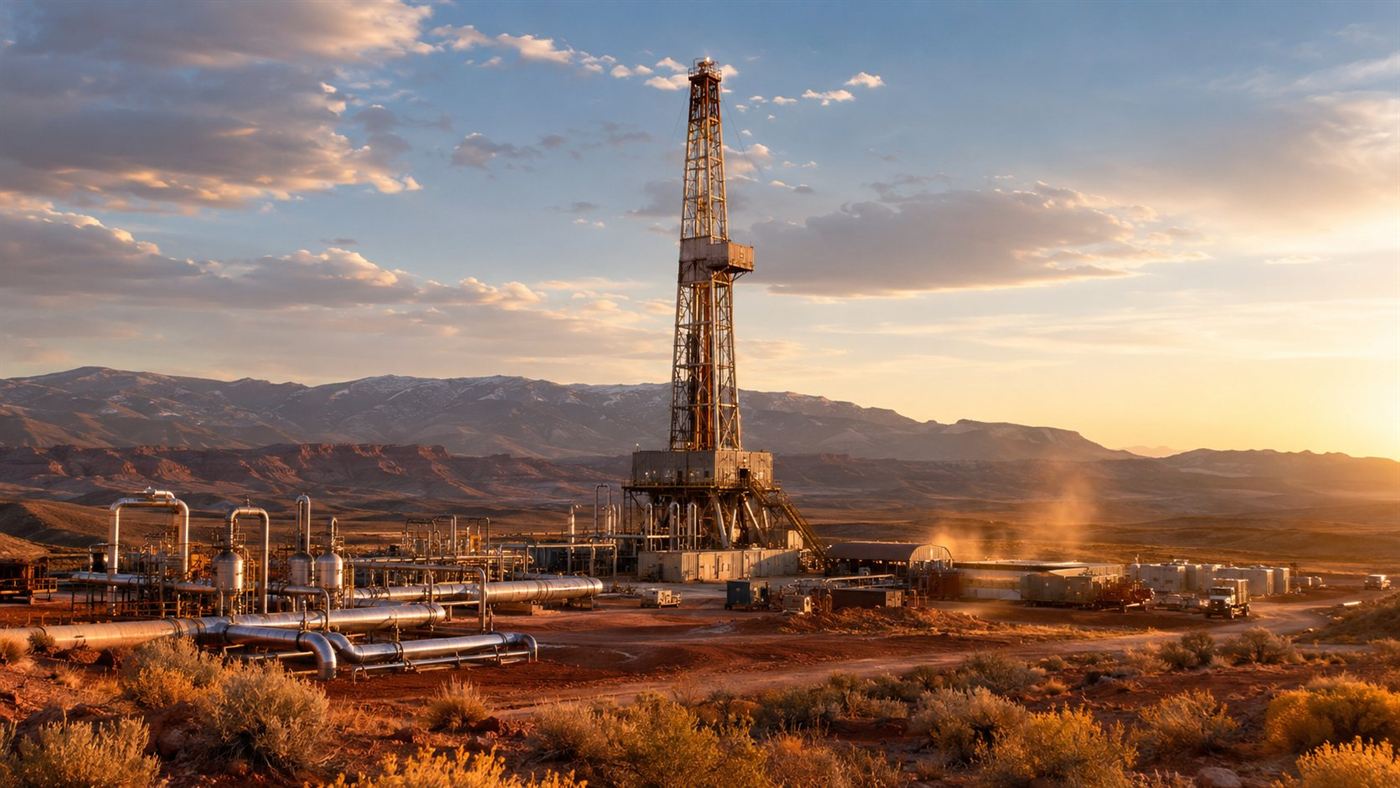

Bruno writes about energy history, industrial disasters, and the people who shaped the technologies we take for granted. He is based in Brazil.