In the 1980s scientists found a growing hole in the ozone layer over Antarctica, the world banned the chemicals tearing it apart, and the sky is slowly healing itself
Forty years ago, a thinning patch in the ozone layer over Antarctica looked like the start of a global catastrophe. Then something almost unheard of happened: every country on Earth agreed to fix it. The Montreal Protocol set the ozone layer recovery in motion, making it the rare environmental story with a happy middle.
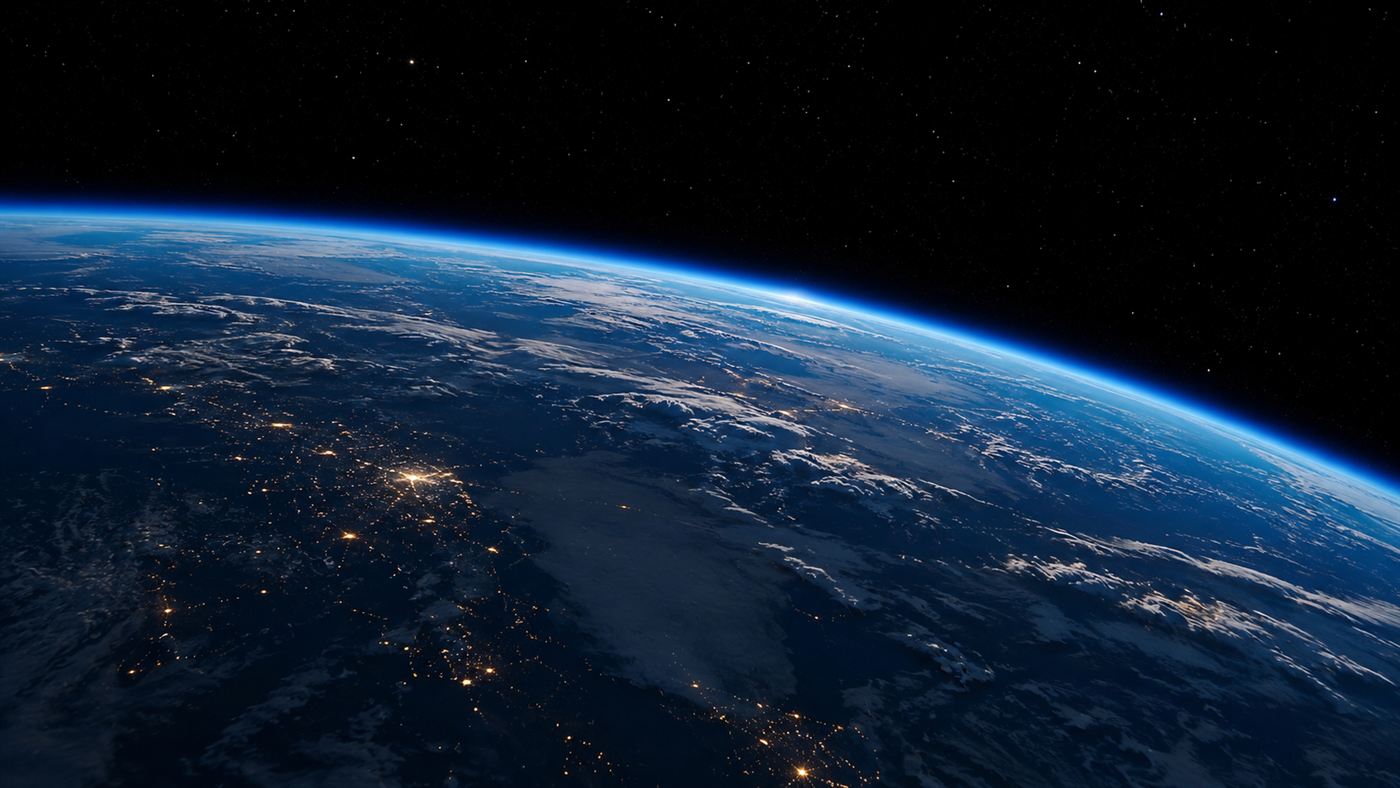
The ozone layer is a thin band of gas that shields life on Earth from the Sun's ultraviolet rays. Illustration: Watts & Wild.
Most environmental stories are about damage that keeps getting worse. The ozone layer is the great exception.
In the 1980s the world discovered it was accidentally destroying the invisible shield that protects every living thing from the Sun's harshest rays, and then, astonishingly, it stopped.
Is the ozone layer healing? Yes. After the 1987 Montreal Protocol banned the CFCs that were destroying it, the ozone layer has begun to recover, and scientists expect the ozone hole over Antarctica to largely heal by around 2066.
The shield we almost lost
The ozone layer is a thin band of gas high in the atmosphere, and it does one priceless job: it absorbs most of the Sun's ultraviolet light.
Without that filter, the extra ultraviolet reaching the ground would mean far more skin cancer, cataracts and damage to crops and ocean life.
The threat to the ozone layer came from a class of chemicals called CFCs, short for chlorofluorocarbons.
CFCs were everywhere by the 1970s, used as the propellant in spray cans and as the working fluid in refrigerators and air conditioners, prized because they seemed completely harmless.
That reputation turned out to be catastrophically wrong.
The hole over Antarctica
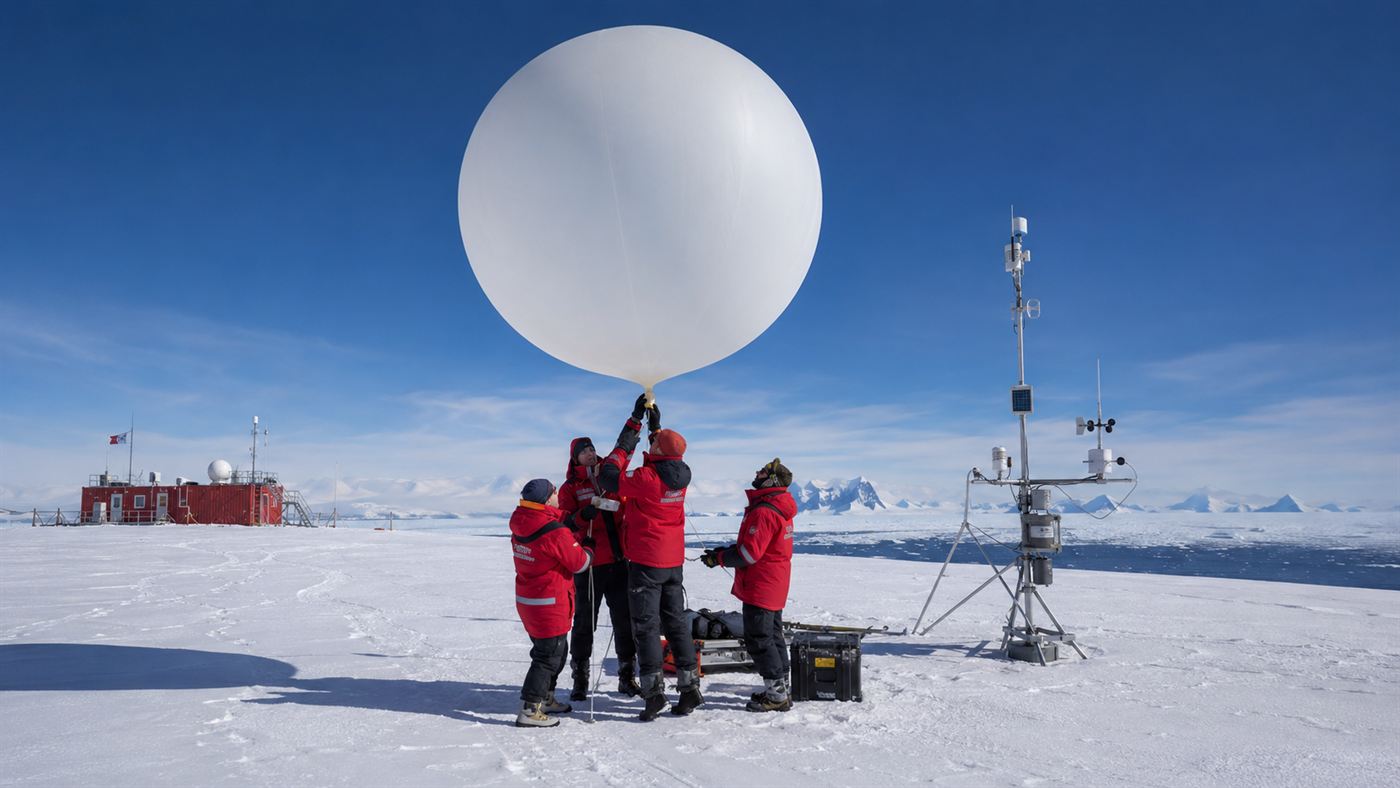
The alarm was raised from one of the loneliest places on Earth.
A small British team that had been measuring the sky over Antarctica for years noticed the ozone above them was collapsing each spring, and the record of ozone depletion credits Joe Farman and his colleagues with reporting the Antarctic ozone hole in 1985.
The finding was so startling that at first almost nobody believed it.
NASA satellites had actually recorded the same collapse, but the software had been quietly throwing the readings out as errors too extreme to be real.
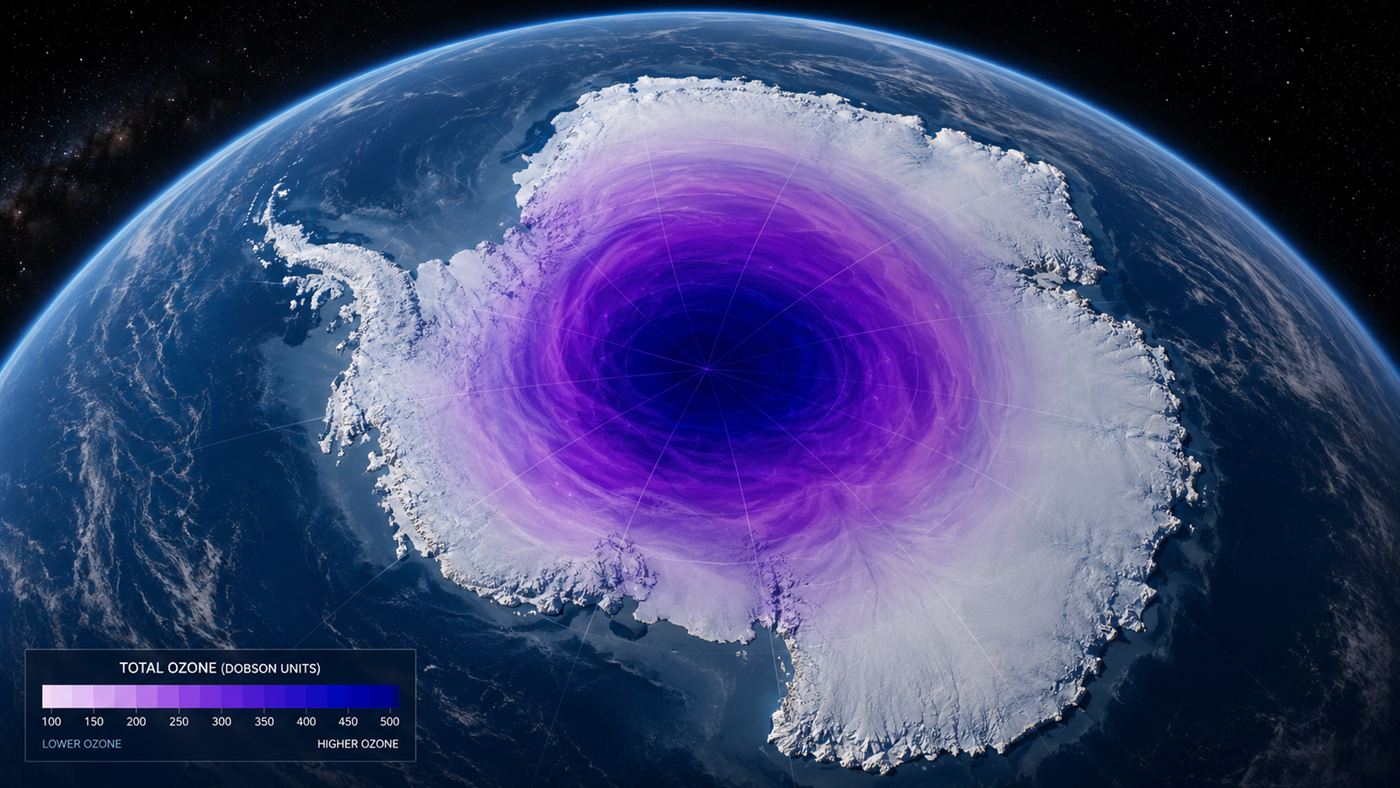
Once people went back and looked, the ozone hole over Antarctica was undeniable, a vast thinning the size of a continent opening every year.
How CFCs eat the sky
The chemistry behind the damage had already been worked out before the hole was even found.
The chemists Mario Molina and Sherwood Rowland warned in the 1970s that CFCs would drift up into the stratosphere, where sunlight would break them apart and release chlorine.
A single chlorine atom can then destroy thousands of ozone molecules in a chain reaction, so even small amounts of CFCs do outsized harm.
Molina, Rowland and Paul Crutzen shared the 1995 Nobel Prize in Chemistry for explaining how human-made gases were thinning the ozone layer.
Over Antarctica, the special cold and clouds of the polar winter supercharge that reaction, which is why the hole appears there first and worst.
The treaty that worked
What happened next is the part that still amazes people.
Instead of arguing for decades, the world acted fast, and Britannica calls the Montreal Protocol one of the most successful environmental agreements ever made.
Signed in 1987, the Montreal Protocol set a binding timetable to phase out CFCs and the other chemicals attacking the ozone layer.
It is the only United Nations treaty ever ratified by every single country in the world.
Industry found substitutes faster and cheaper than anyone had predicted, and global CFC use fell off a cliff.
The ozone layer recovery now underway
Because CFCs linger for decades, the ozone layer could not bounce back overnight, but the turnaround is now clearly visible.
Scientific assessments report that the ozone layer is on track to recover to its 1980 levels around the middle of this century, and the ozone layer is now widely expected to heal as banned chemicals fade from the air.
For most of the planet that means full recovery around 2040, with the stubborn ozone hole over Antarctica closing later, around 2066.
As a bonus, because CFCs are also powerful greenhouse gases, banning them spared the climate a significant extra dose of warming.
The honest catch
The ozone story is genuinely good news, but it is not finished.
The ozone hole still opens over Antarctica every year, and its size swings with the weather, so a bad year can still look alarming.
A few years ago scientists also detected a surprise spike in banned CFC-11, later traced largely to illegal production in eastern China, a reminder that the Montreal Protocol only works if every country keeps to it.
And the replacement chemicals, called HFCs, do not harm the ozone but are potent greenhouse gases, which is why a 2016 deal called the Kigali Amendment is now phasing those down too.
Still, the ozone layer remains the clearest proof we have that the world can spot a planet-sized problem, agree on the science and actually fix it, the same hard-won understanding of the air that began with Eunice Foote's forgotten experiments on the atmosphere.
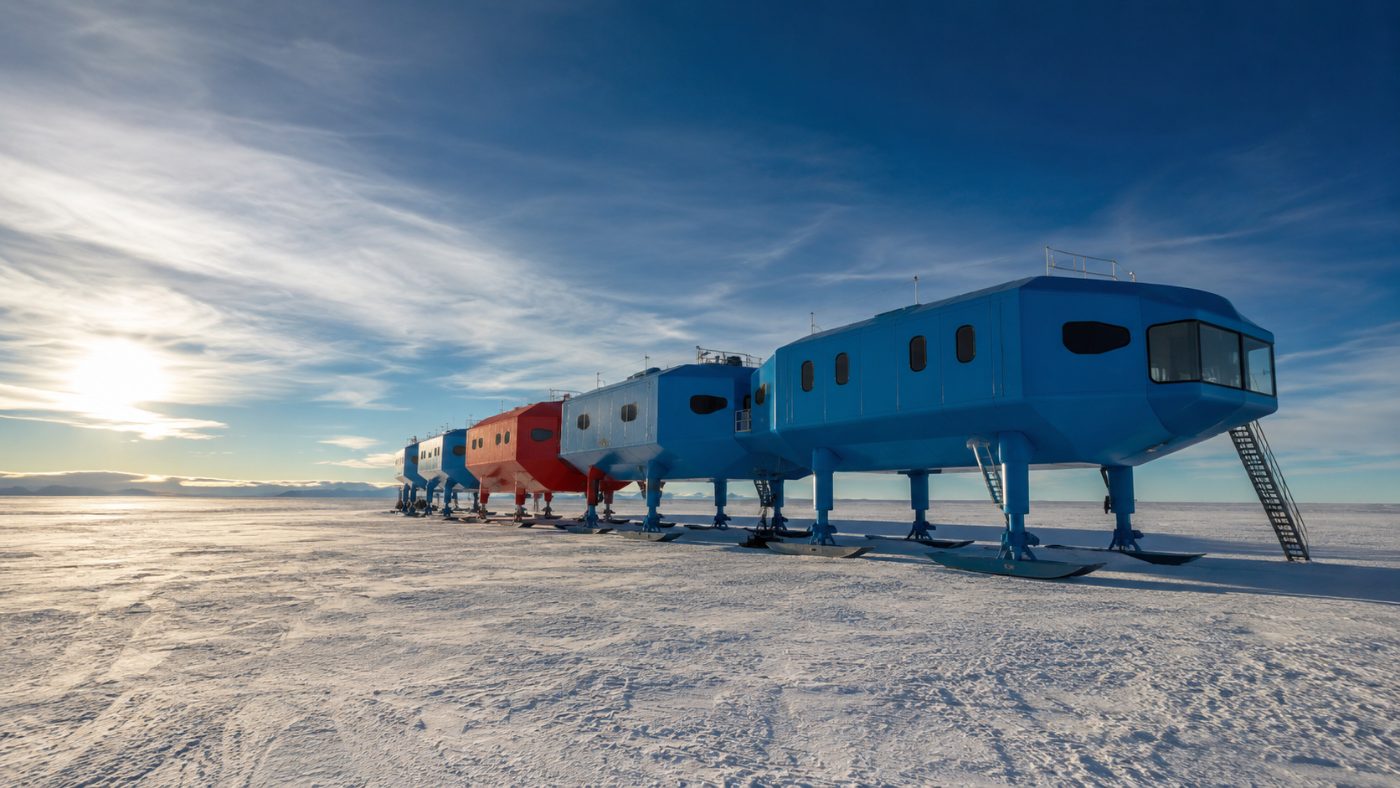
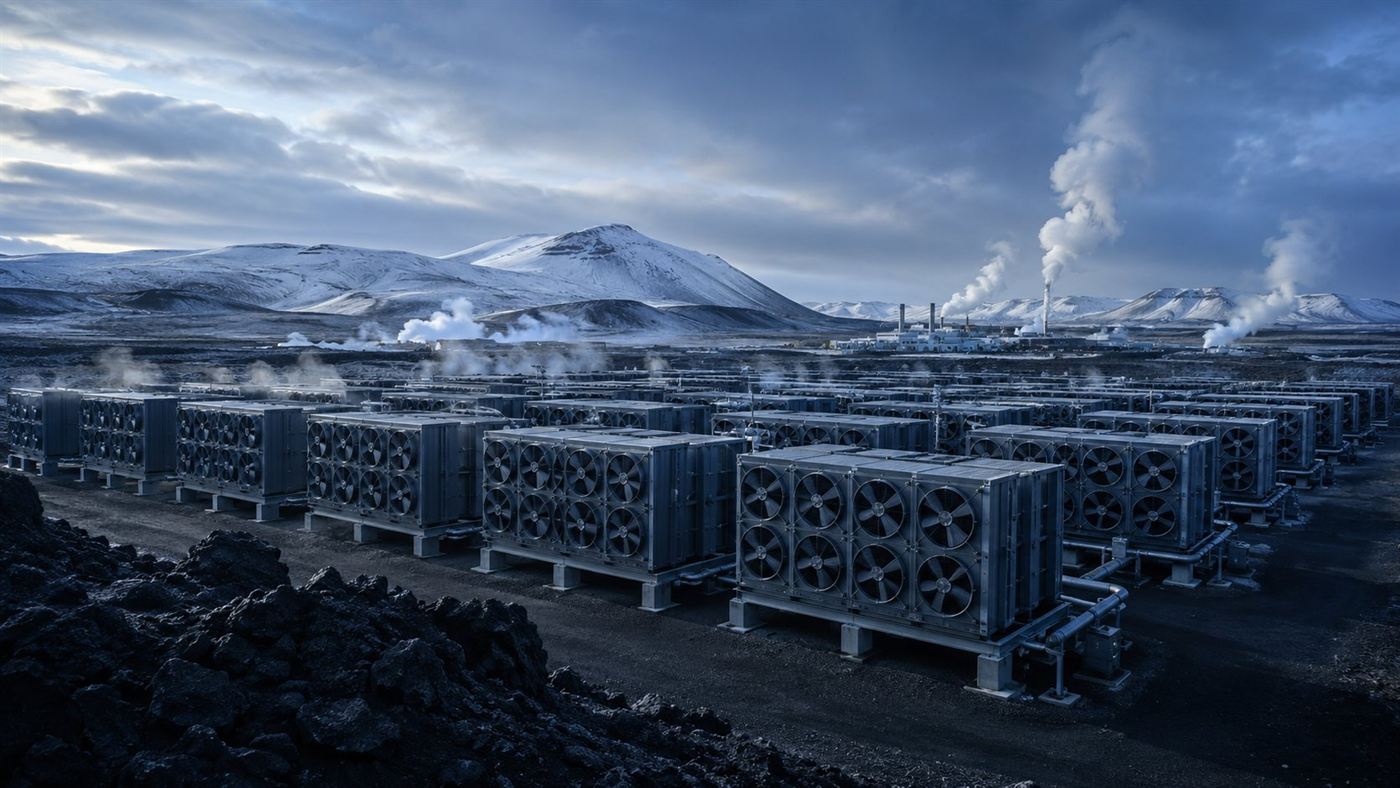
It is a story still being written from the ends of the Earth, in places like the British Halley research station in Antarctica where the hole was first seen, and a useful counterpoint to the slow grind of sucking carbon back out of the sky.
If the world could unite to save the ozone layer in the 1980s, why is it so much harder to do the same for carbon and the climate today? Tell us in the comments.