Experts said cleaning plastic out of the ocean was impossible, so a Dutch teenager quit engineering school to prove them wrong, and Boyan Slat's machines have now pulled 50 million kilograms from the sea
A 16-year-old came up from a dive in Greece angry that he had seen more plastic bags than fish. Nearly every expert told him the open ocean could not be cleaned. By 2026, his nonprofit, The Ocean Cleanup, says its assault on ocean plastic has hauled out more than 50 million kilograms of trash.
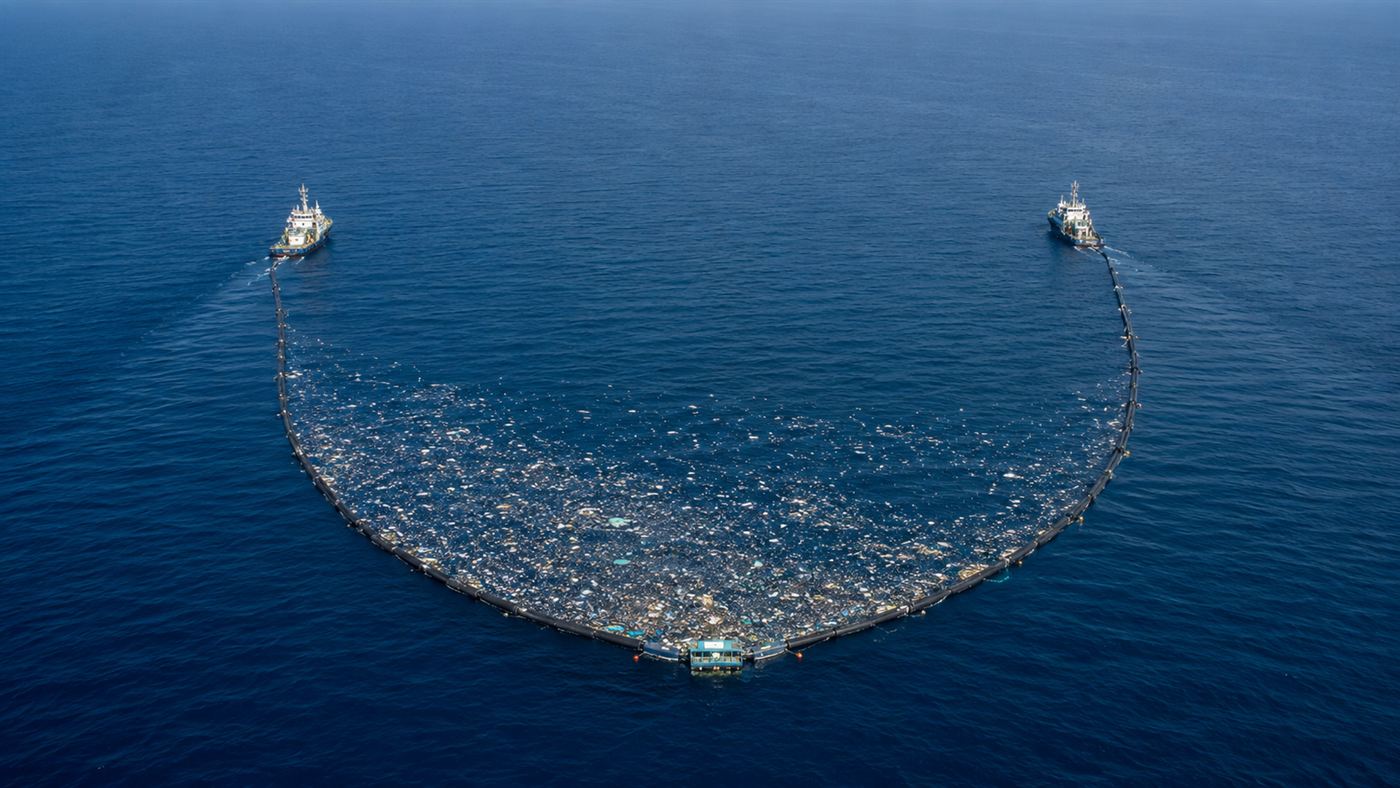
A giant U-shaped barrier, towed at walking pace between two ships, funnels floating plastic into a single retention zone. Illustration: Watts & Wild.
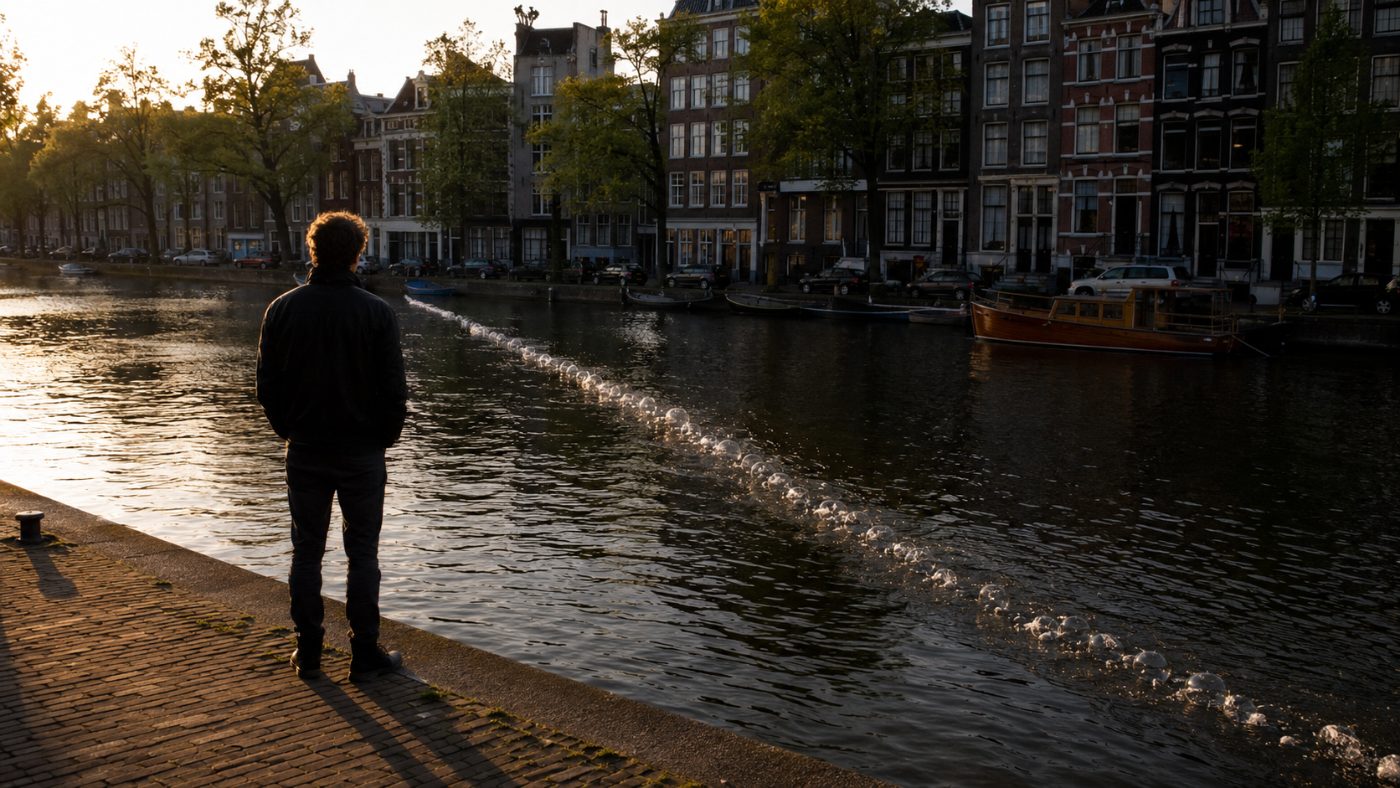
Boyan Slat was 16 years old, scuba diving off the coast of Greece, when the thing that ruined the dive was not the fish but the plastic bags. There seemed to be more of them than there were fish. Most people would have surfaced, dried off and moved on with their lives. Slat, by The Ocean Cleanup's own account of how it all started, went home, turned the problem into a school science project, and decided he was going to clean the ocean, an idea nearly every expert he later spoke to called impossible.
Roughly fifteen years on, that teenage stubbornness has a balance sheet. By 2026, the organization he founded, The Ocean Cleanup, said it had pulled more than 50 million kilograms of trash, about 50,000 metric tons, out of the world's rivers and oceans since 2019. The boy who was told it could not be done has spent his whole adult life quietly proving otherwise, and the machines doing the work look nothing like what most people picture.
A teenager who saw more plastic than fish
The Greece dive happened in 2011. A year later, still a teenager, Slat stood on a TEDx stage in Delft and laid out a wild-sounding plan to let ocean currents deliver plastic into a passive barrier, rather than chasing it with nets and boats. The talk went viral after he had moved on from it, which is its own kind of luck.
What he did next is the part people forget. He dropped out of his aerospace engineering degree at Delft University of Technology and, in 2013, founded The Ocean Cleanup at the age of 18. He had no company, no working prototype and a roomful of oceanographers explaining why the sea would tear his idea apart. He raised money in small donations, then larger ones, and started building anyway.
Why the experts said it could not be done
The skeptics were not being cruel. The open ocean is one of the most hostile places to put a machine. Salt water corrodes everything, storms snap steel, and the plastic itself is maddeningly spread out, most of it broken into fragments drifting across an area of the North Pacific that is often described as twice the size of Texas.
The first full-scale attempt proved the doubters had a point. System 001, nicknamed Wilson, was towed out in 2018 and almost immediately struggled, failing to hold onto the plastic it gathered and then breaking apart in the swell. It would have been an easy moment to quit. Instead the team treated it as a very expensive lesson and went back to the drawing board, which is the unglamorous heart of how this actually progressed.
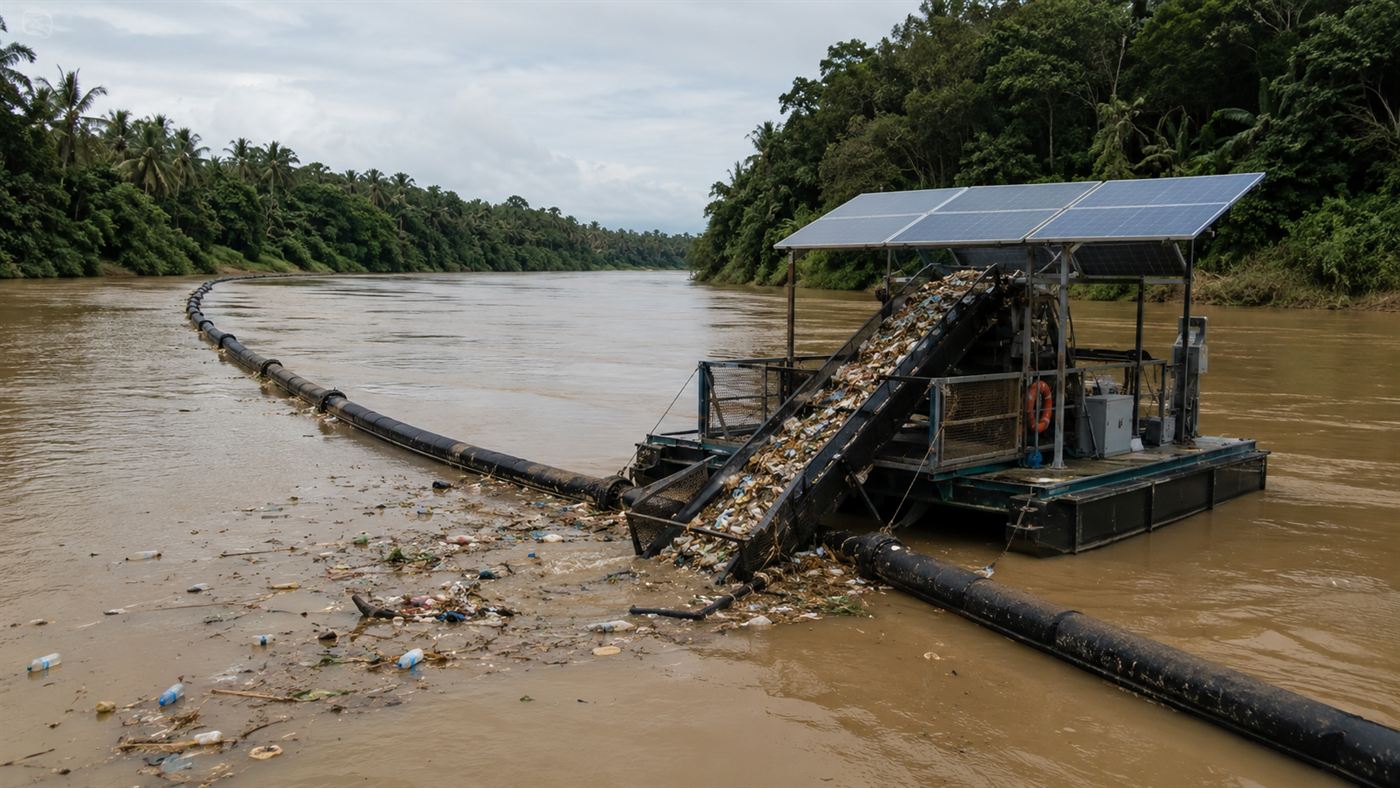
How the Ocean Cleanup machine collects ocean plastic now
The current design, System 03, is less a vacuum than a very slow, very wide net. As Wikipedia's overview of the project describes, it is a U-shaped barrier about 2,250 metres long, towed at a crawl between two ships, roughly five times the size of the earlier system. The barrier hangs a few metres deep, herding floating plastic toward a retention zone at the back that gets emptied and shipped to shore for recycling.
The obvious worry with dragging a giant net through the sea is what else you scoop up. The team added a feature it calls a Marine Animal Safety Hatch, plus cameras and crew watching for wildlife, designed to let fish and larger animals slip out. By the northern summer of 2025, System 03 and its predecessors had taken close to half a million kilograms of plastic out of the Great Pacific Garbage Patch alone. The thing that was supposed to be impossible was, slowly, working.
The smarter trick is turning off the tap
Here is the shift that made the whole mission realistic: most ocean plastic does not start in the ocean. It pours out of rivers, and a relatively small number of them carry a large share of it. Cleaning the sea forever while the rivers keep flowing would be like mopping a floor with the faucet still running.
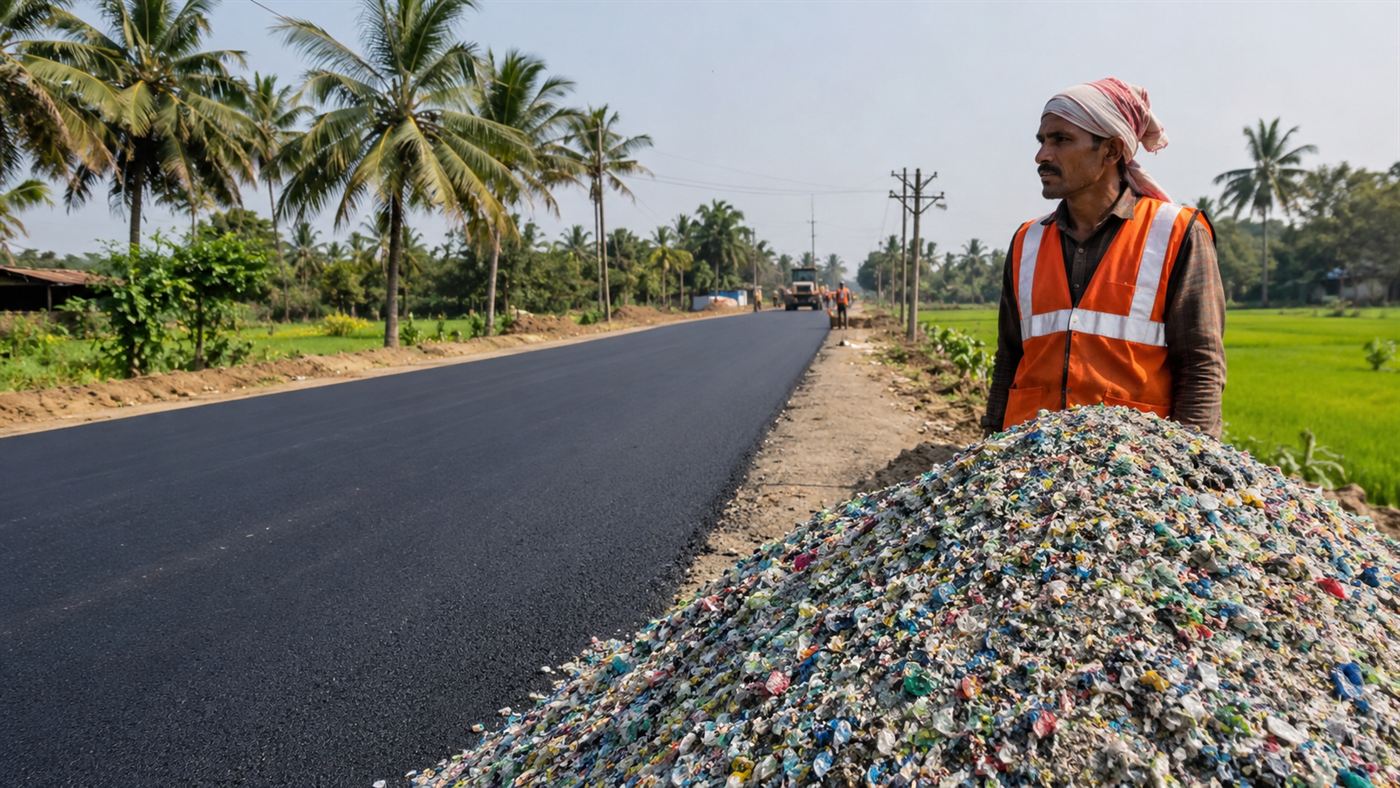
So the same group built a second family of machines, the Interceptors, solar-powered barriers and conveyors that catch trash in rivers before it ever reaches the coast. They are now spread across roughly twenty deployments in nine countries. One barricade on the heavily polluted Rio Las Vacas in Guatemala caught around 1.4 million kilograms of waste in the wake of heavy rains in April 2024, a single river choke point doing the work of a whole fleet of boats.
Fifty million kilograms, and a long way to go
The 50-million-kilogram figure is the number that makes headlines, and it is worth sitting with. It is the combined haul from the rivers and the open ocean since the cleanup began in earnest, the visible proof that a passive barrier and a teenager's hunch could scale into real tonnage. The group's stated goal is to remove the great majority of floating ocean plastic over the coming decades.
That ambition comes with a brutal price tag and a ticking clock, because plastic keeps breaking down into smaller pieces the longer it floats. Slat has framed the mission almost as a race: clean the patches before the big, catchable pieces shatter into microplastics that no barrier can ever retrieve. Fifty million kilograms is a milestone, not a finish line.
The honest catch
It would be a disservice to tell this story without the criticism, because serious scientists have plenty of it. The single biggest objection is one of arithmetic: by most estimates, less than 5 percent of ocean plastic is floating out in the garbage patches at all. The rest sinks, washes up on coastlines, or breaks down where the barriers cannot reach.
Oceanographers including Miriam Goldstein have long argued that catching plastic closer to shore, or stopping it on land, recovers more plastic per dollar than chasing the mid-ocean patches. There are ecological worries too. The surface of the open ocean is its own living layer, home to drifting creatures like the Portuguese man-of-war and by-the-wind sailors, and a modelling study cited in the project's own record warned that the harm from large-scale removal could range anywhere from mild to severe. Even the cleanup's supporters agree the machines cannot solve the problem alone. They buy time and visibility, not absolution for the plastic we keep making.
A 16-year-old who saw more plastic than fish refused to accept that the sea could not be cleaned, and the machines that grew out of that refusal have now pulled 50 million kilograms out of the water. Is cleaning up the plastic already out there worth the cost, or should every one of those dollars go into stopping it at the source? Tell us what you think in the comments.
Related reading: New York just finished a 111 million dollar living seawall off Staten Island, a chain of eight stone reefs built to grow oysters and break storm waves.