A schoolboy named Mpemba was laughed at for saying hot water can freeze faster than cold, and the effect now carries his name
It sounds like nonsense. Heat something up and it should take longer to freeze, not less. Yet the Mpemba effect has puzzled great minds for over two thousand years, and it took a teenager making ice cream to drag it back into the spotlight.
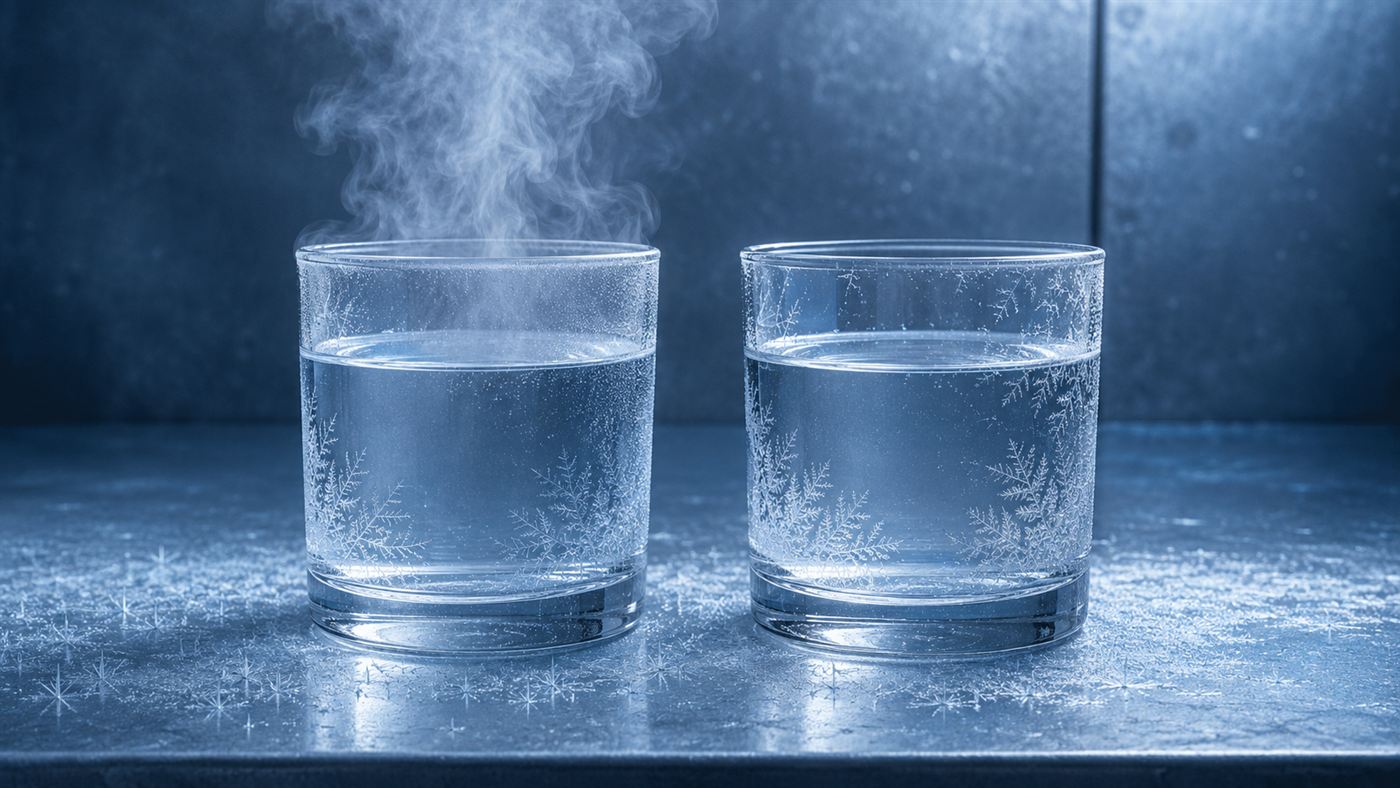
Under the right conditions, the hot glass can turn to ice before the cold one. Illustration: Watts & Wild.
Ask anyone and they will tell you that cold water must freeze faster than hot water, because it has less of a head start to lose.
For most of history that obvious answer was simply accepted, until a schoolboy in Tanzania refused to ignore what he saw with his own eyes.
What is the Mpemba effect? The Mpemba effect is the surprising observation that hot water can sometimes freeze faster than cold water under the same conditions. It is named after Erasto Mpemba, a Tanzanian student who noticed it in 1963, and despite many proposed explanations there is still no single agreed reason for why it happens.
The ice cream that started it
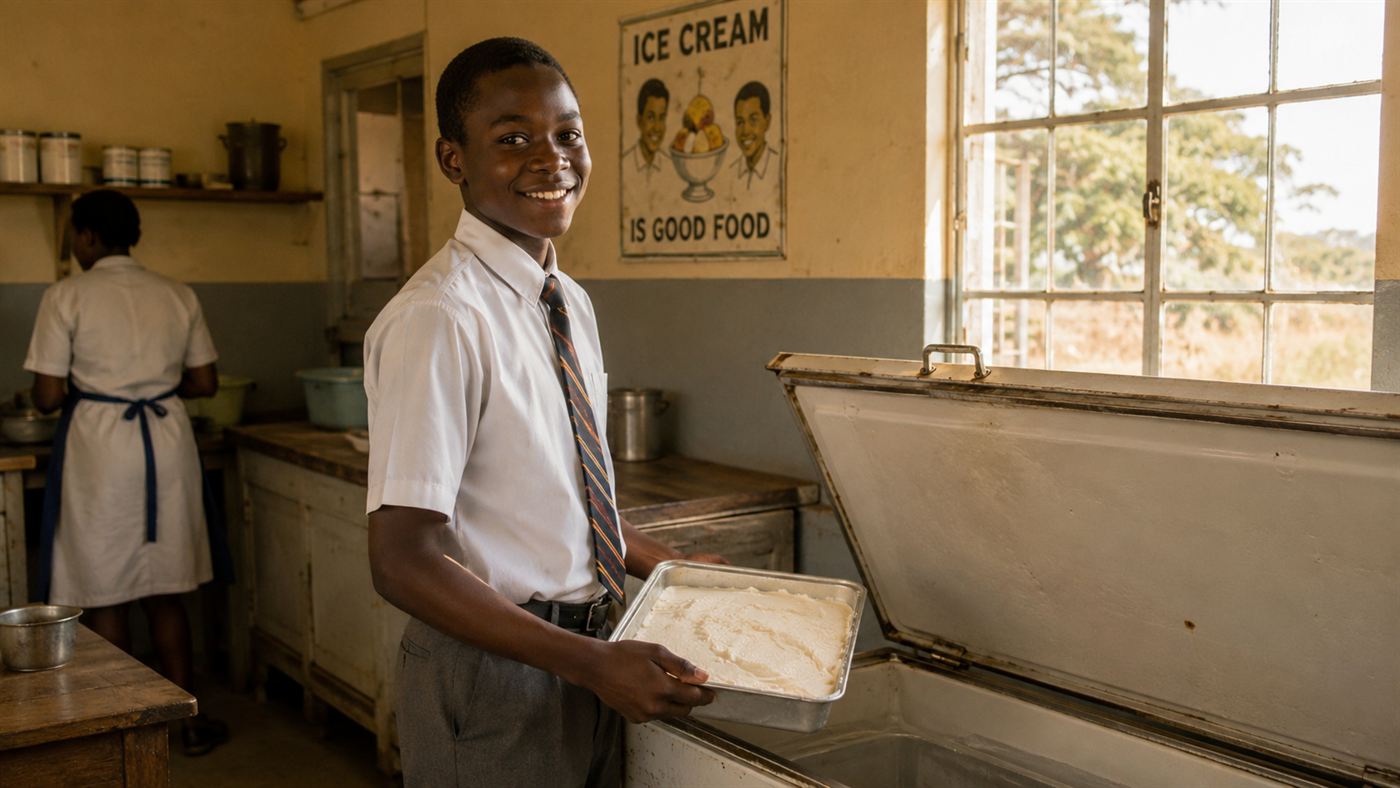
In 1963 Erasto Mpemba was a secondary school student making ice cream in class, a popular treat to prepare by hand.
The usual method was to let the boiled milk mixture cool before putting it in the freezer, but Mpemba was in a hurry and worried about losing his spot.
He put his mixture in while it was still hot, and to his astonishment his hot batch froze into ice cream faster than his classmates' cooled ones.
When he asked his physics teacher why, he was mocked and told that he must be confused, that this was just "Mpemba's physics" and not the real thing.
The boy had stumbled onto something genuinely strange, and the adults around him simply refused to look.
The visiting physicist who actually listened
The story might have ended in that classroom if a university physicist named Denis Osborne had not visited the school a few years later.
Mpemba, still bothered by the mystery, bravely put his question to the visiting scientist in front of everyone.
Rather than laughing, Osborne went back to his lab, ran the experiment, and found that the young man was right.
In 1969 the two of them published a paper together, and the puzzle of the hot water became known forever as the Mpemba effect.
A schoolboy who had been ridiculed now had a piece of physics named after him.
Why does the Mpemba effect happen?
Scientists have offered a whole shelf of possible explanations, and that is part of the problem.
One idea is evaporation, where the hot water loses some of its mass as steam, so there is less water left to freeze.
Another points to convection currents that stir the warm water and help it shed heat more quickly once it gets going.
Others blame dissolved gases, a layer of frost that insulates the cold cup, or quirks of supercooling, where very cold water dips below freezing without turning to ice.
The honest truth is that the effect probably involves several of these at once, which is exactly why it is so slippery to pin down.
An effect older than the boy
What makes the tale even richer is that Mpemba was far from the first to notice it.
More than two thousand years ago, Aristotle wrote about hot water cooling quickly, and centuries later thinkers like Francis Bacon and Rene Descartes mentioned the same odd behaviour.
Somehow this piece of common kitchen knowledge kept being discovered and then forgotten again and again.
It took a curious teenager with a tray of ice cream to finally force modern science to take it seriously.
Sometimes the people history listens to are not the experts but the ones stubborn enough to keep asking.
The honest catch
Here is where the story gets complicated, because the Mpemba effect may not be as solid as it sounds.
In 2016 a careful set of experiments failed to reproduce it reliably and argued that, for ordinary water, the effect is poorly defined and easy to imagine where it is not.
Tiny differences in containers, thermometers and what you even count as frozen can flip the result either way.
At the same time, more recent theoretical work has found genuine Mpemba-like behaviour in carefully controlled systems, so the idea is not dead at all.
For now the honest answer is that hot water sometimes does freeze first, nobody fully agrees why, and the argument that started in a Tanzanian classroom is still going.
Whatever the final verdict, the Mpemba effect is a perfect reminder that the universe still hides surprises in something as everyday as a glass of water on its way to becoming ice.
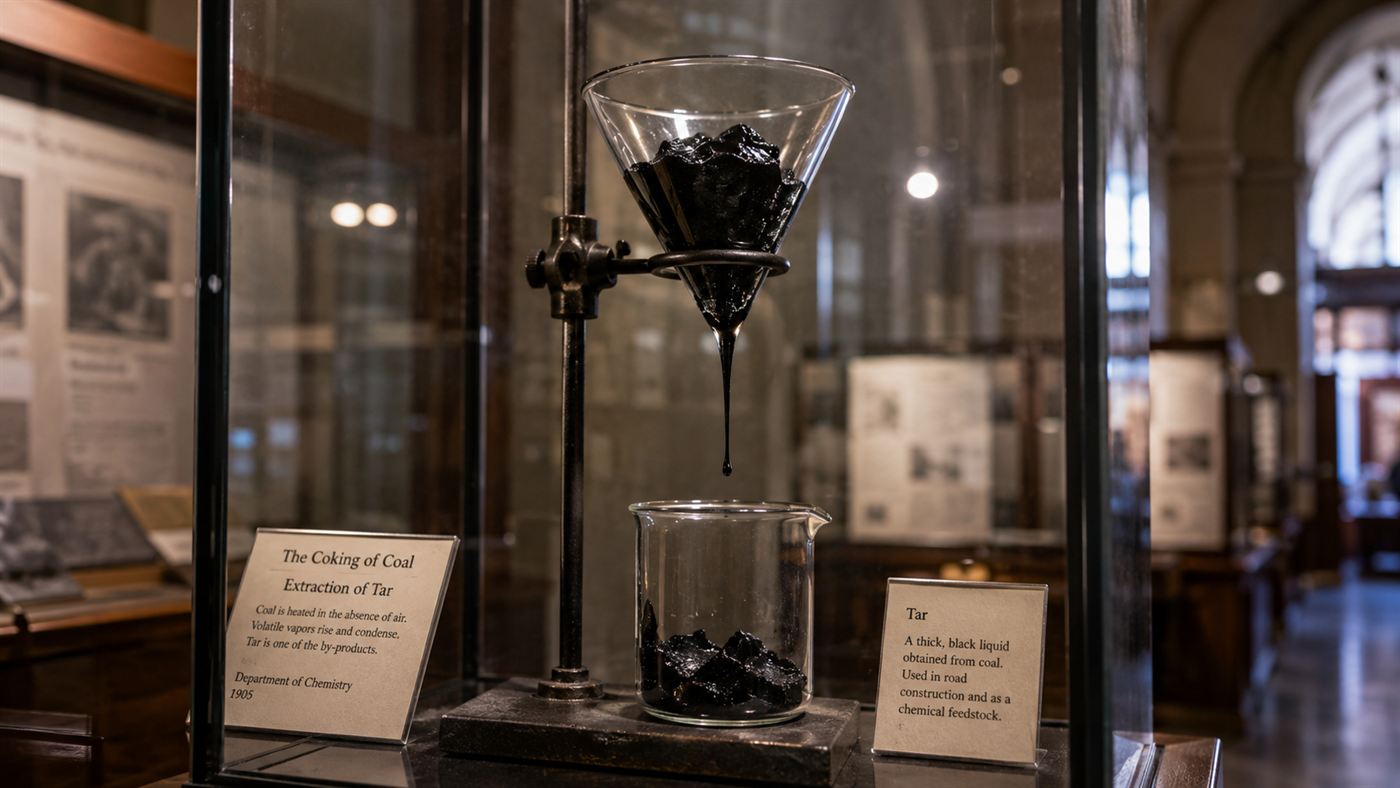
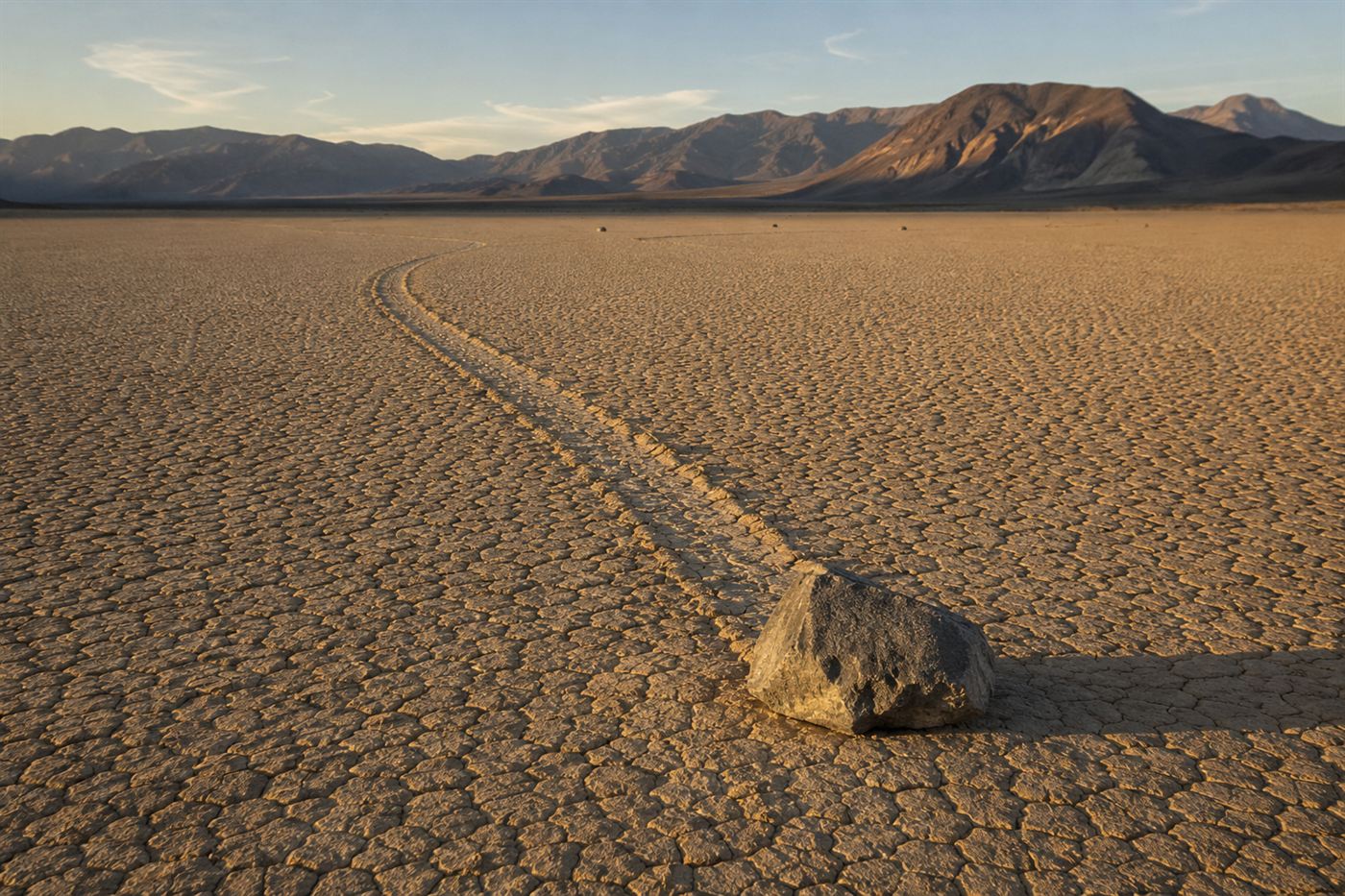
It keeps good company with the other patient puzzles we love, from the tar that has been dripping for a century to the stones that wander across a desert on their own.
If a teenager could overturn what his teacher swore was impossible, what everyday thing have you been told is settled that might still surprise us, and would you try the hot water trick yourself? Tell us in the comments.