The architect who read a 3,000-year-old script the experts gave up on
For fifty years, rows of strange little symbols pressed into ancient clay tablets sat in museums, utterly unreadable. The greatest scholars in the world had tried and failed, and most had concluded the writing recorded some lost language no one would ever recover. Then a young English architect, with no degree in the subject at all, sat down with the puzzle in his spare time and solved it. Linear B gave up its secret to a brilliant amateur.
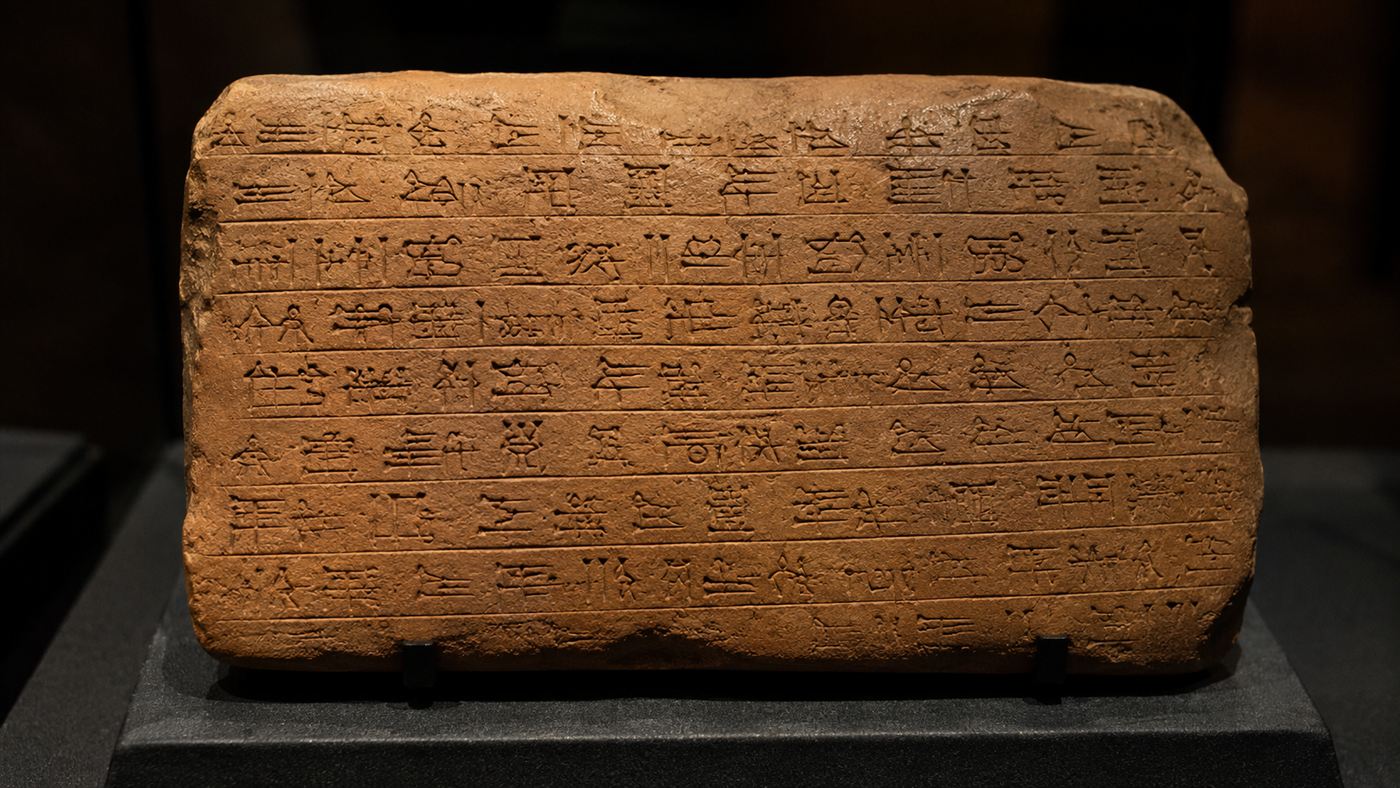
A Bronze Age clay tablet inscribed in Linear B, unreadable for half a century. Illustration: Watts & Wild.
It is one of the great intellectual adventures of the twentieth century, a real-life code-breaking story with a triumphant solution and a heartbreaking ending. And it overturned everything the experts had been so sure of, proving that the unreadable script was, of all things, an early form of Greek.
To see how astonishing that was, you have to go back to the tablets themselves.
A script no one could read
The symbols are called Linear B, found in their thousands on clay tablets at ancient sites in Greece and Crete, baked hard and preserved by the very fires that destroyed the palaces around 3,000 years ago. The archaeologist who first uncovered them, Sir Arthur Evans, was convinced they recorded a mysterious non-Greek language of the Minoans, and his authority shaped the search for decades.
For about fifty years, the tablets resisted every attempt to read them. No one knew what language lay underneath the signs, and Evans's assumption that it could not be Greek steered scholars away from the answer. The script became a famous, almost mythical puzzle, the kind of thing experts warned might never be solved at all.
The groundwork no one finished
The crucial breakthrough in method came from an American classicist named Alice Kober. Working patiently through the 1940s, Kober showed that the language behind Linear B used grammatical endings, mapping out how the words changed shape without ever guessing what sounds the signs stood for.
It was unglamorous, meticulous work, building a kind of scaffolding from which the script might one day be climbed. But Kober died of cancer in 1950, at just 43, before she could finish what she had started. Her careful analysis turned out to be one of the most important steps anyone took toward reading the tablets, the solid foundation on which the final solution would be built, even though she did not live to see it.
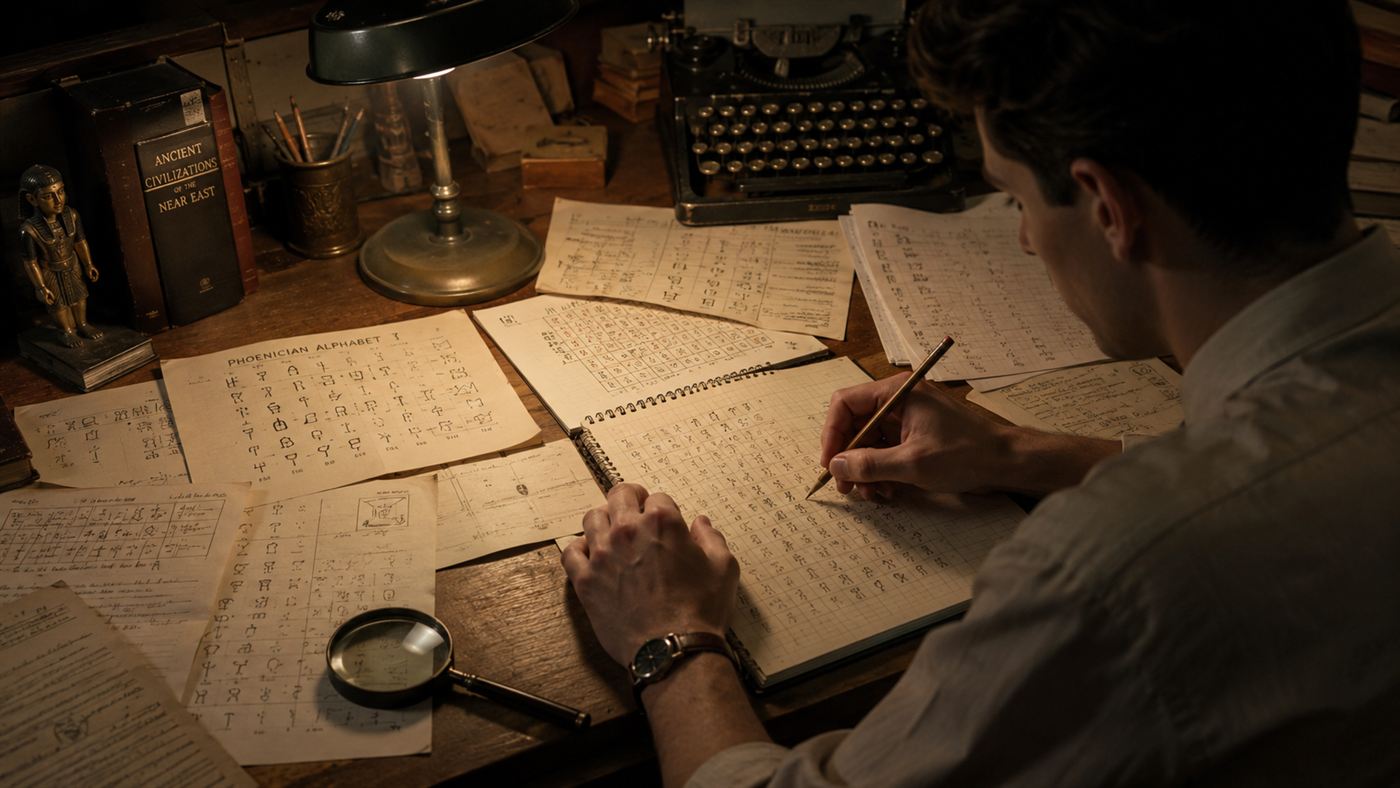
How an amateur cracked Linear B
The person who climbed that scaffolding was Michael Ventris, an English architect who had been captivated by the puzzle since he was a schoolboy who heard Evans lecture. Working in his spare time, Ventris built on Kober's grid, looked for patterns the way a designer reads a structure, and in 1952 reached a conclusion that stunned even himself: the language was Greek.
It was a genuine shock, because the great Evans had insisted for years that it was anything but Greek. Ventris announced his finding on a BBC radio talk in mid 1952, and among the listeners was the Cambridge classicist John Chadwick, a wartime code-breaker who quickly saw that Ventris was right. The two joined forces to confirm and publish the decipherment, and a fifty-year mystery finally fell open. An amateur, working against the consensus of the professionals, had read the oldest Greek ever found.
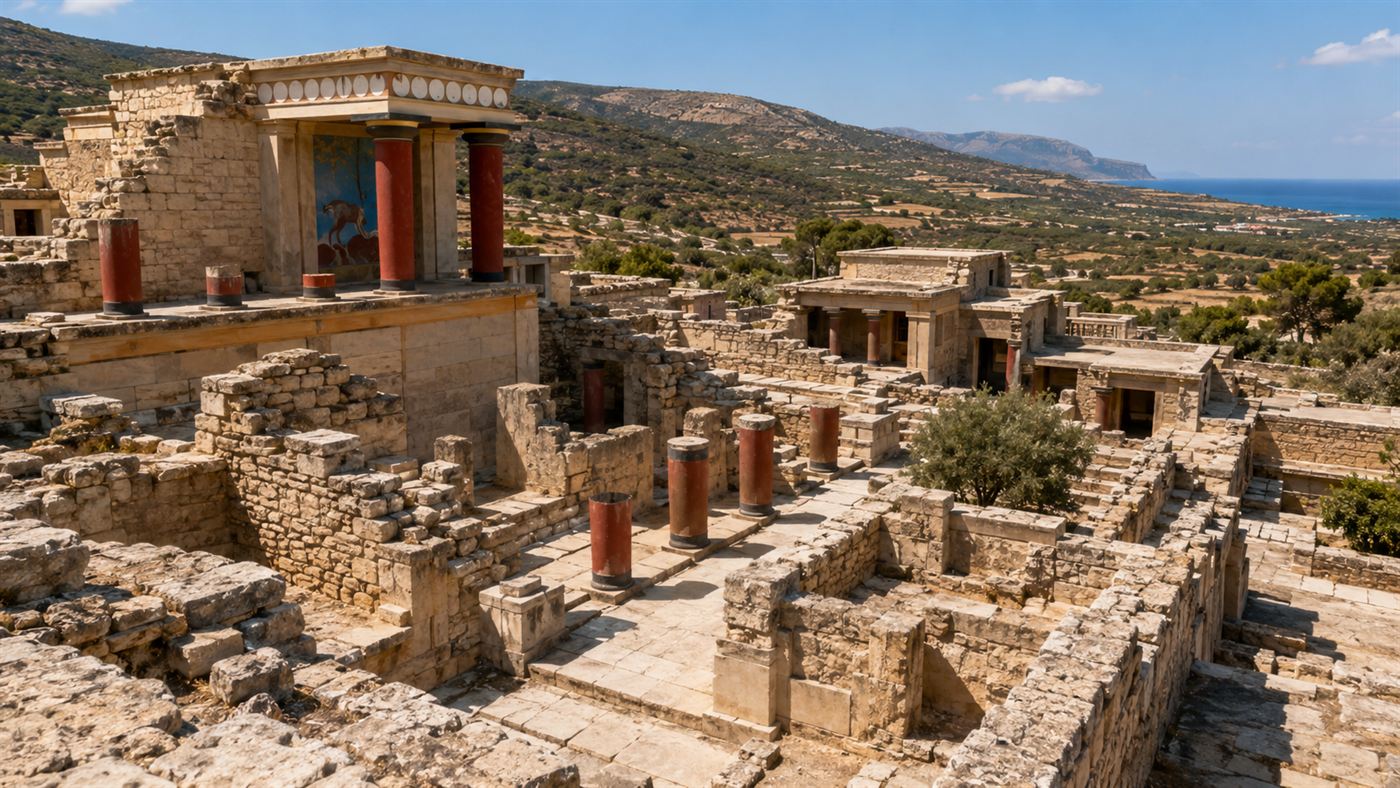
What is Linear B?
It is the oldest readable European writing of its kind. Linear B is a Bronze Age script used to write an early form of Greek on clay tablets in the Mycenaean world, more than three thousand years ago, and reading it opened a direct window onto that vanished civilisation.
The tablets themselves are not poetry or history but mostly inventories and records, lists of goods, livestock, workers and offerings. Yet that ordinary content is extraordinary, because it means we can read the actual words of a society that existed long before classical Athens, and confirm that Greek was being written down centuries earlier than anyone had proof of.
Who deciphered Linear B?
A team across time, led by an outsider. Linear B was cracked in 1952 by Michael Ventris, building on Alice Kober's essential groundwork and confirmed with John Chadwick, a feat made all the more remarkable because Ventris was a self-taught amateur rather than a professional scholar.
The ending is the cruel part. In 1956, just as his achievement was being celebrated, Ventris died in a car crash at the age of 34. It is worth being fair that his triumph rested on Kober's underappreciated labour and Chadwick's expertise as much as his own genius. But the heart of the story is still that breakthrough often comes from the person willing to ignore what everyone knows to be true, and that the world can be very slow, and sometimes too late, to thank them.
An outsider read the words of a civilisation that died three thousand years ago, then was gone himself within four years. How many puzzles stay unsolved simply because the experts are sure they already know the answer? Tell us what you think in the comments.
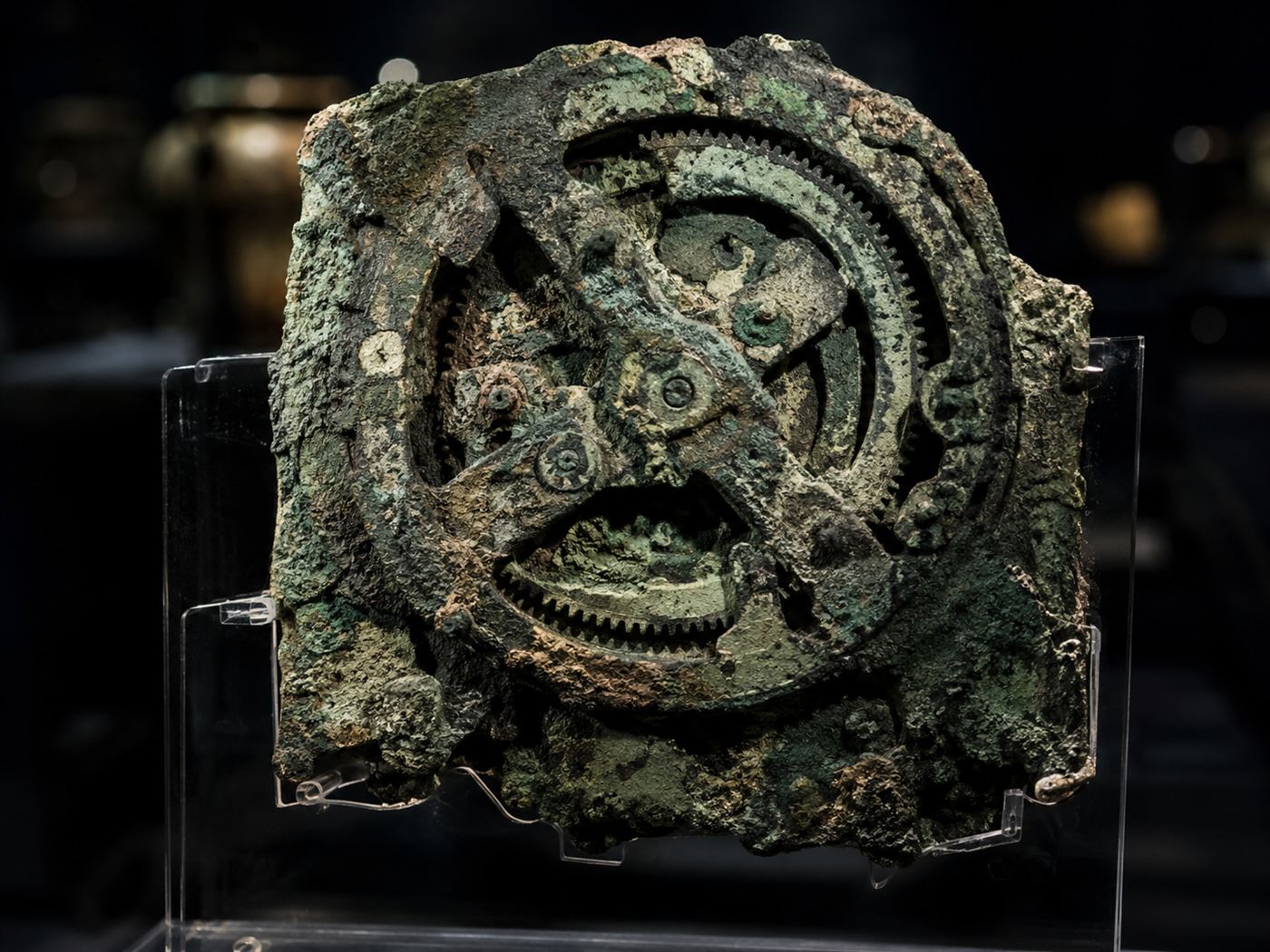
Related reading: the Antikythera mechanism, another ancient Greek marvel that took experts a century to understand.