The Hope Diamond is famous for a curse that supposedly dooms its owners, but the deadly legend was largely invented to help sell the giant blue stone
Everyone knows the story: a magnificent blue jewel, torn from the eye of an idol, that brings ruin and death to whoever dares to wear it. It is one of the most famous curses in the world. The trouble is that the curse is almost entirely made up, and the truth behind the gem is far more interesting than the ghost story.
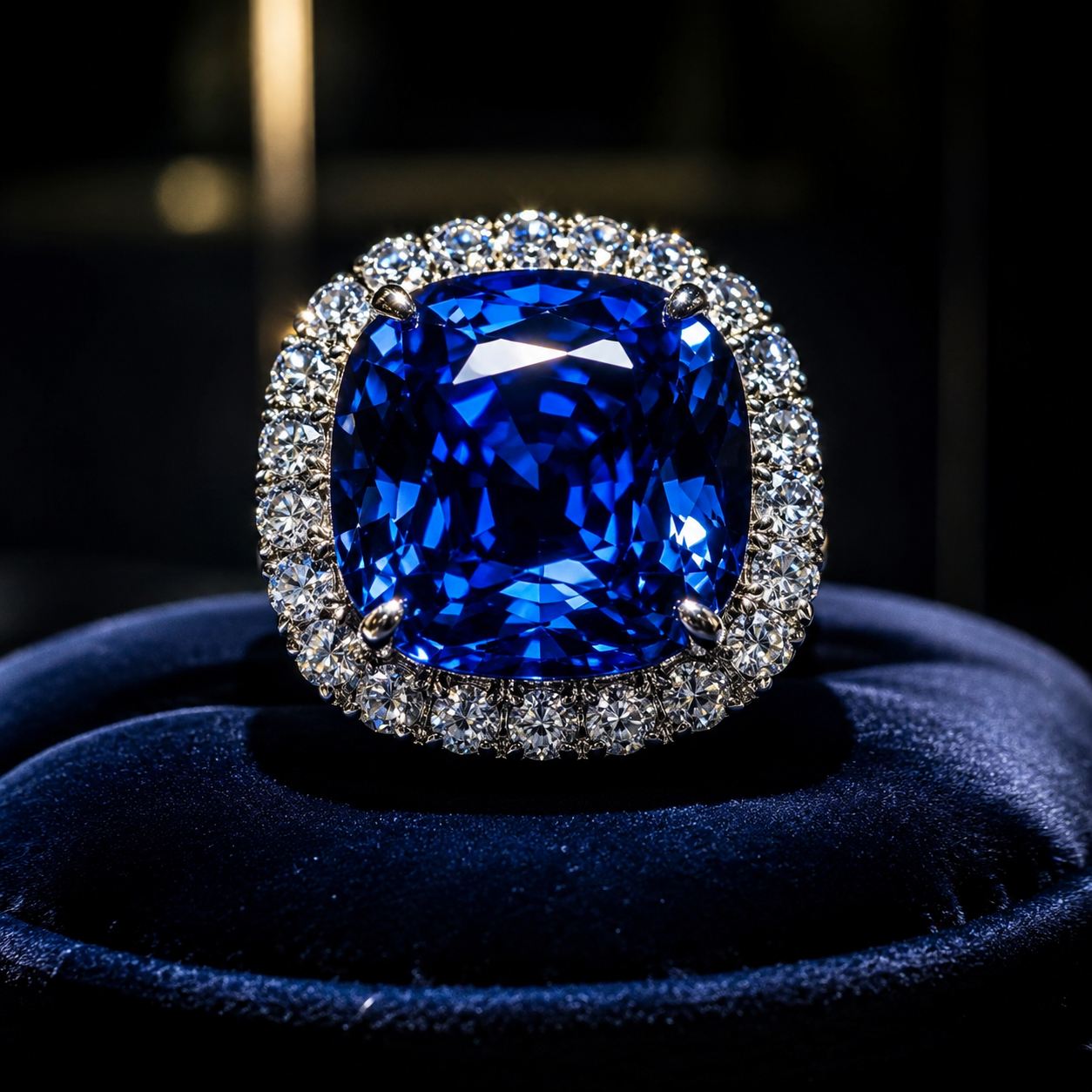
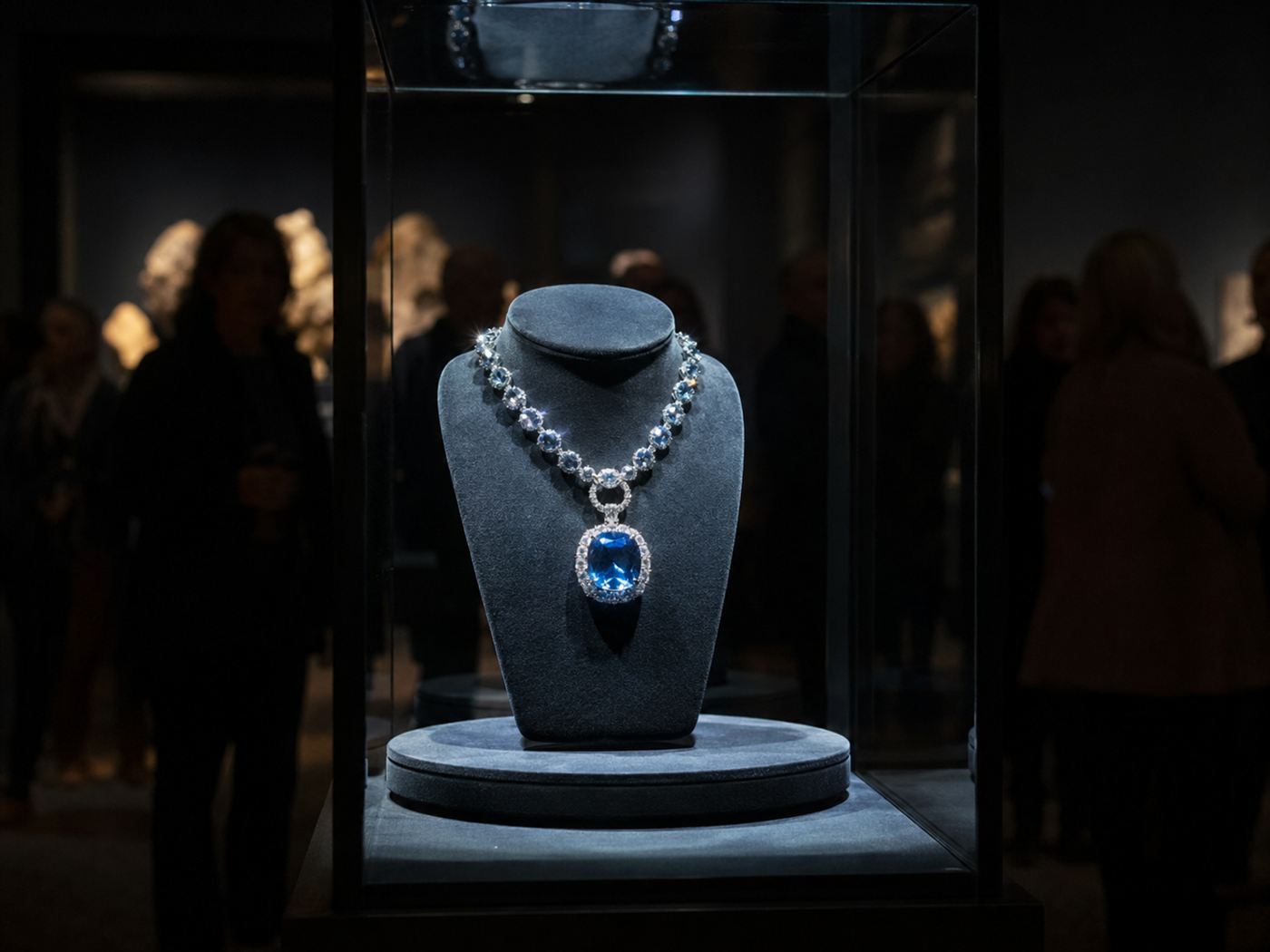
The 45-carat blue stone is one of the most visited objects in any museum. Illustration: Watts & Wild.
Behind glass at the Smithsonian in Washington sits a deep blue diamond the size of a walnut, and a long line of visitors files past it every day. Many of them have come because they have heard that the stone is cursed, that it has left a trail of bankruptcies, madness and violent death across three centuries.
The gem is real, and so are some of the misfortunes attached to it. But the neat, terrifying legend of an ancient curse is not what it seems. Much of it was assembled surprisingly recently, and for a very ordinary reason: it helped sell an extremely expensive rock.
The short version is that the Hope Diamond is a genuine wonder of geology and history whose supernatural reputation is mostly a brilliant piece of storytelling. Pull the myth apart and you find something better underneath.
A blue stone with a real and tangled past
The diamond began as a much larger blue crystal mined in India, perhaps three and a half centuries ago. A French merchant carried it to Europe and sold it to King Louis XIV, whose jewellers cut it into a magnificent gem known as the French Blue, worn as part of the French crown jewels.
During the chaos of the French Revolution, the crown jewels were stolen, and the French Blue vanished. Years later a smaller blue diamond, recut from the same stone, surfaced in London, and by the 1830s it belonged to a wealthy banking family named Hope, whose name it still carries. That much is documented history, no curse required.
Why the Hope Diamond got its curse
The idea that the stone was cursed took firm hold only around the start of the twentieth century, and the details grew in the telling. Writers spun a tale that the diamond had been prised from the eye of a Hindu idol, that a vengeful priesthood had doomed it, and that owner after owner had met terrible ends.
This is where the salesman enters. When the Paris jeweller Pierre Cartier was trying to sell the Hope Diamond to a rich American, he is said to have leaned hard into the curse, wrapping the gem in a thrilling story of danger and doom because a dangerous jewel was a more desirable one. The legend was not a warning that scared buyers off, it was a marketing tool that drew them in. For Pierre Cartier, a dangerous jewel was simply an easier jewel to sell.
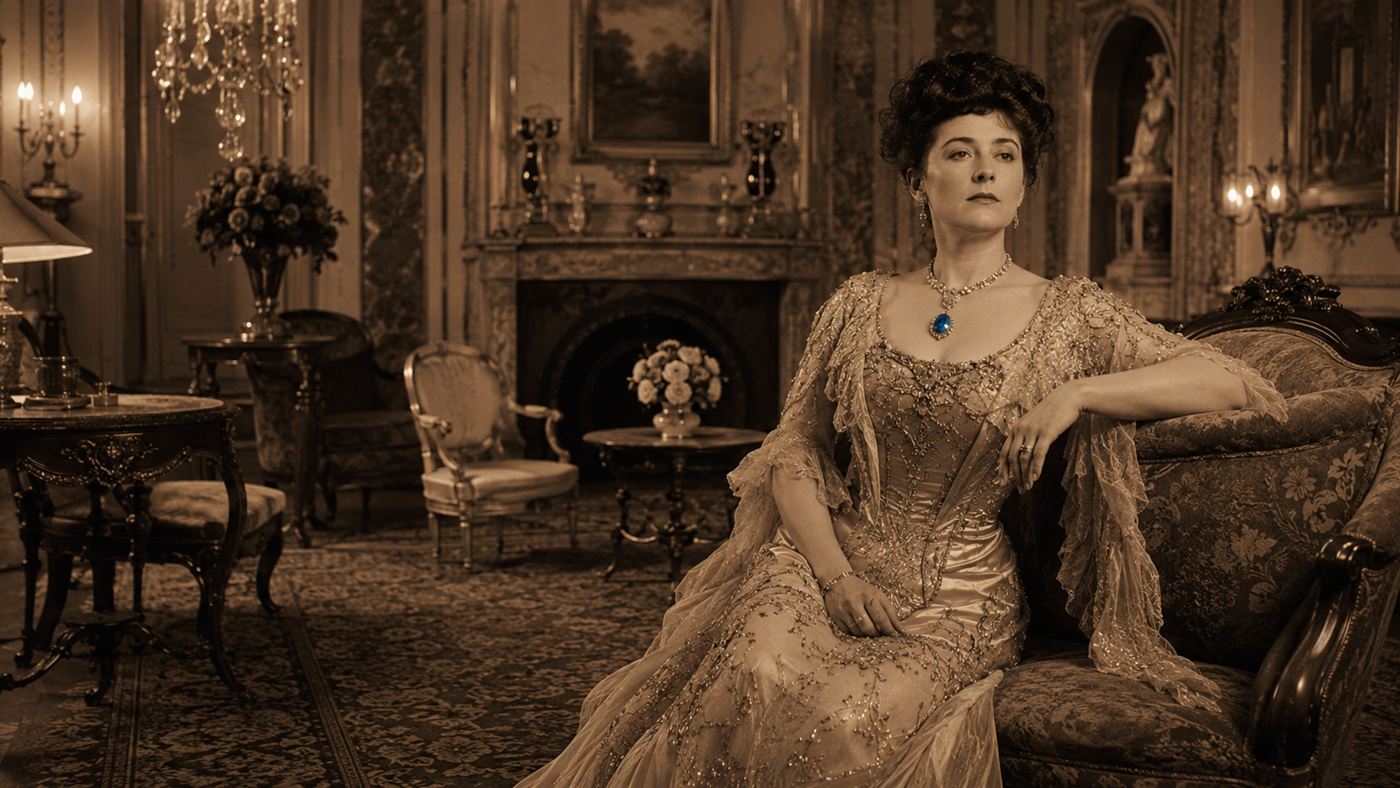
Who dared to wear the Hope Diamond?
The buyer was Evalyn Walsh McLean, a Washington mining heiress who bought the Hope Diamond in 1911 and refused to be frightened by it. She wore it almost everywhere, hid it around the house as a party game, and once even let her dog wear it. To her the curse was a delicious story, not a threat.
And yet real sorrow did follow Evalyn Walsh McLean. Her young son died in a car accident, her daughter died far too early, her marriage collapsed and her husband ended his days in a sanatorium, and the family fortune drained away. To believers, her losses were proof of the curse. To everyone else, they were the ordinary tragedies that can shadow any long life, made to look supernatural by a famous jewel.
The most casual delivery in history
When Evalyn Walsh McLean died, the jeweller Harry Winston bought her collection, and in 1958 he decided to give the Hope Diamond to the Smithsonian so the public could see it. The way he sent it has become a small legend of its own.
Winston did not hire armoured cars or armed guards. He simply wrapped the priceless diamond in brown paper and posted it through the ordinary mail, paying about two dollars and forty-four cents in postage plus insurance. The most feared gem in the world arrived at its final home like a mail-order parcel, and the Smithsonian has kept it ever since.
The honest catch
It would be too tidy to say the curse is pure invention and nothing more. Some owners really did suffer, the diamond really was stolen in the Revolution, and the storytellers built their legend on a scaffold of true events. What they added was the supernatural glue that turned a run of ordinary bad luck into a single sinister pattern.
And here is the quiet irony. Stripped of the ghost story, the real Hope Diamond is arguably more amazing, not less. Its blue comes from traces of the element boron woven into its crystal, and under ultraviolet light it does something genuinely eerie: it glows a fiery red for a while after the lamp is switched off. The stone never needed a curse to be extraordinary.
A blue stone glows red in the dark, survived a revolution, and was mailed to a museum in brown paper, yet the thing we remember is a curse that a salesman helped invent. Would the Hope Diamond still fascinate millions if everyone knew the curse was mostly a story? Tell us what you think in the comments.
Related reading: the petrified giant that fooled a nation into believing in ancient stone men. See also the two sisters whose cracking joints launched a religion, and the mansion a grieving widow built for decades to escape a curse.