The Icelandic eruption that poisoned the skies over Europe
In the summer of 1783, a strange dry fog crept across Europe. The sun rose blood-red and dim, crops withered, and people fell ill in their thousands with no idea why. The cause lay hundreds of miles north, in Iceland, where the ground had split open and was breathing poison into the sky. The Laki eruption was one of the deadliest the world has ever recorded.
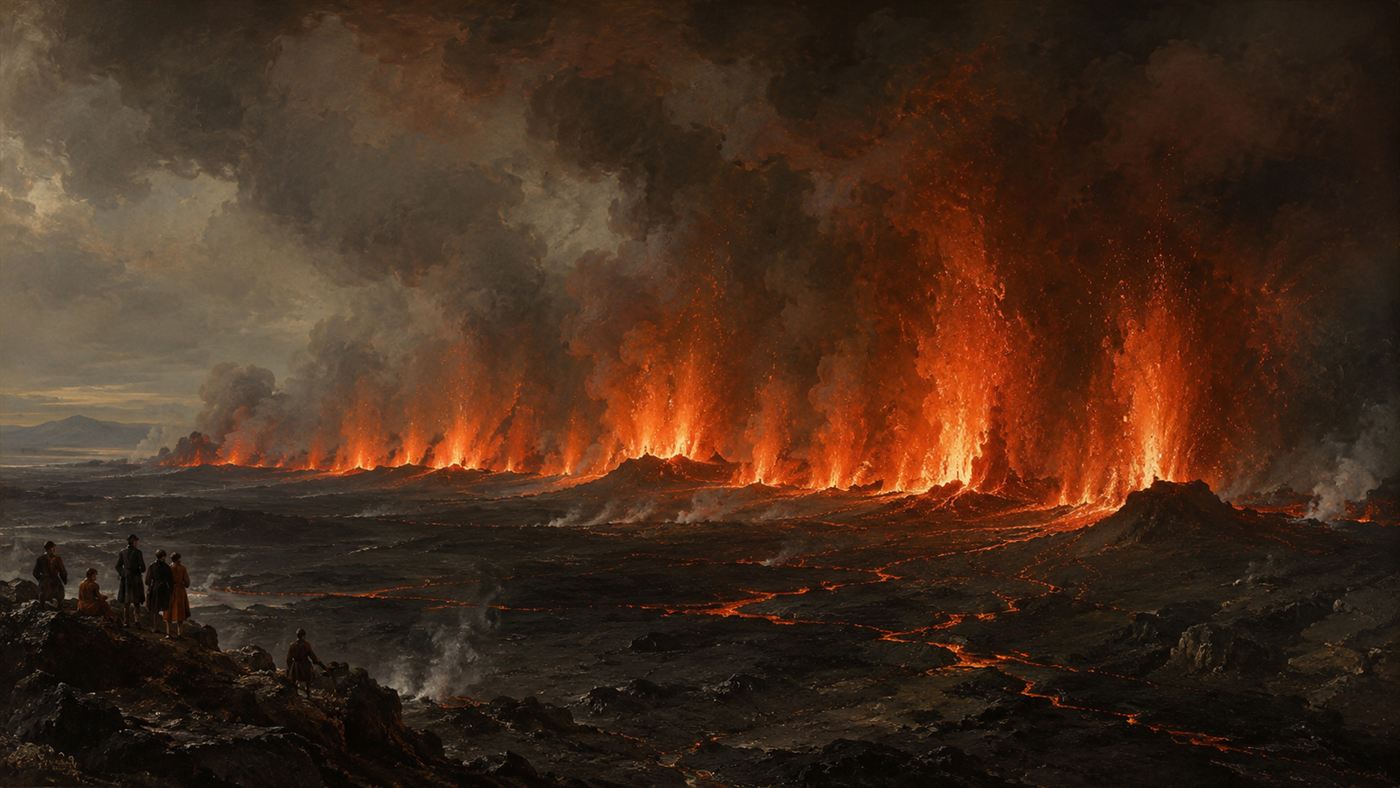
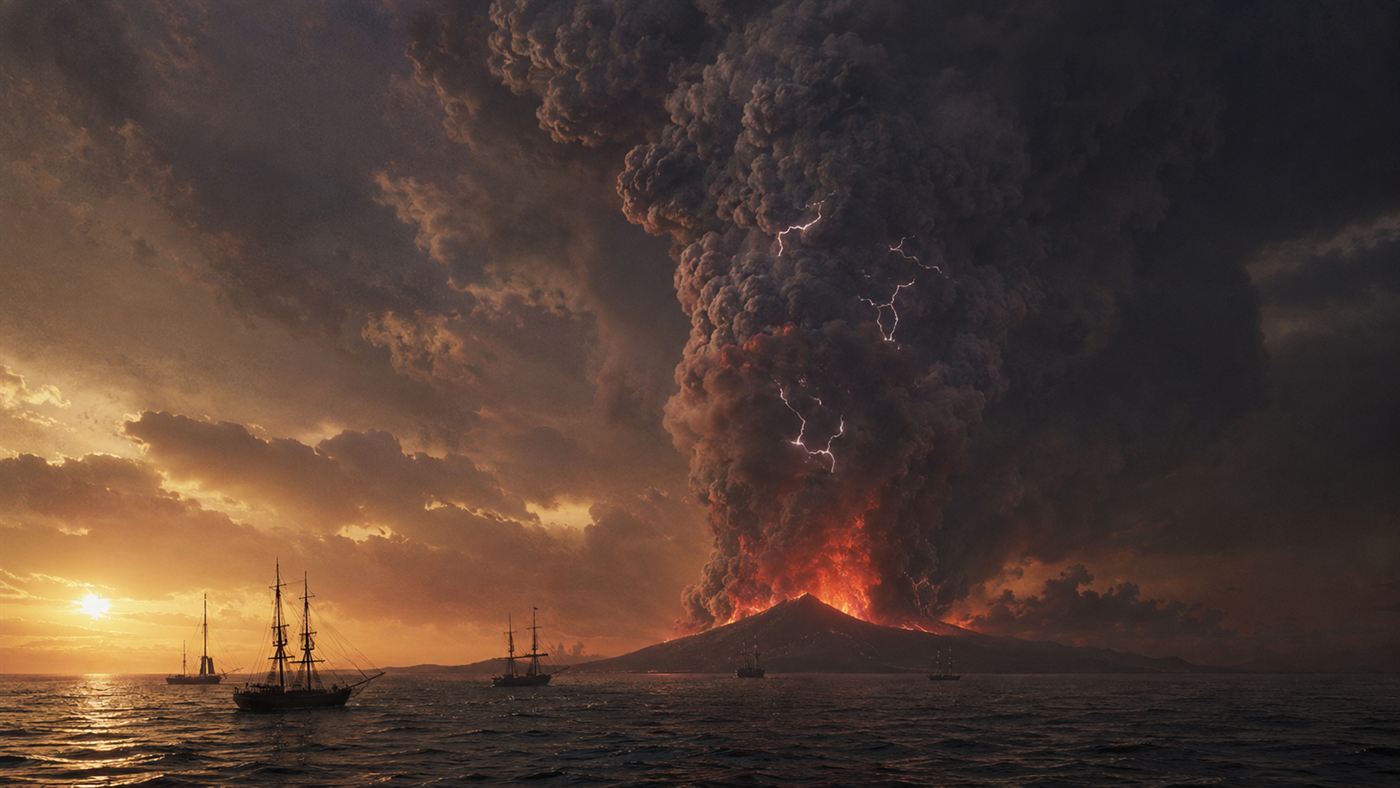
Not one mountain but a long crack in the Earth, pouring out lava and gas. Illustration: Watts & Wild.
We tend to picture volcanic disasters as a single dramatic bang, a mountain exploding in an instant. Laki was something slower and in some ways far worse. For eight relentless months, a crack in the Earth pumped out a river of lava and a tide of poison gas that reached across an entire continent.
Its story is a chilling reminder of how the planet's deep machinery can reach out and touch lives thousands of miles from the fire itself.
Eight months of fire
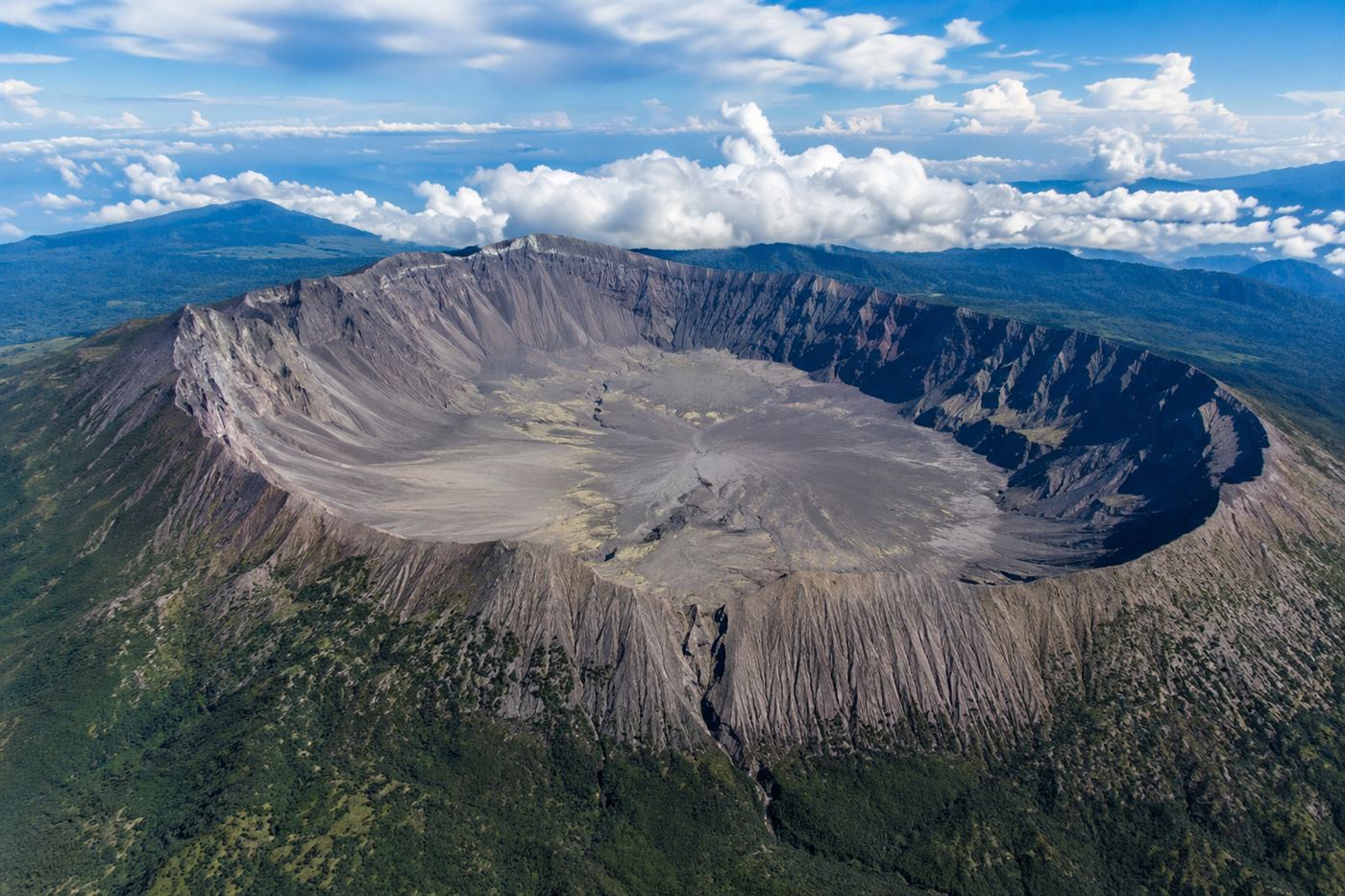
In June 1783, a fissure tore open across the volcanic highlands of southern Iceland, an event Icelanders call the Skaftareldar, the Skafta Fires. Over the following eight months the crack, stretching for kilometres and dotted with scores of craters, poured out a staggering volume of lava, one of the largest such outpourings in recorded history.
But the lava was not the real killer. As the eruption roared on, it released enormous quantities of sulphur dioxide and fluorine into the air. The fluorine settled on the grass across Iceland, poisoning the land that the country's animals depended on. It was an eruption that killed not mainly by burning, but by tainting the very air and ground that life needs.
Iceland brought to its knees
For the people of Iceland, the result was apocalyptic. Most of the island's sheep and around half of its cattle and horses died from fluorine poisoning, and in the famine that followed, known as the Mist Hardships, roughly a fifth to a quarter of the entire population perished.
It was one of the worst catastrophes ever to strike the country, a slow starvation as the poisoned grass killed the herds and the herds' death starved the people. Whole communities were gutted. For an isolated island nation, losing such a huge share of its people and almost all its livestock in a single, drawn-out disaster was very nearly the end, and the country took decades to recover.
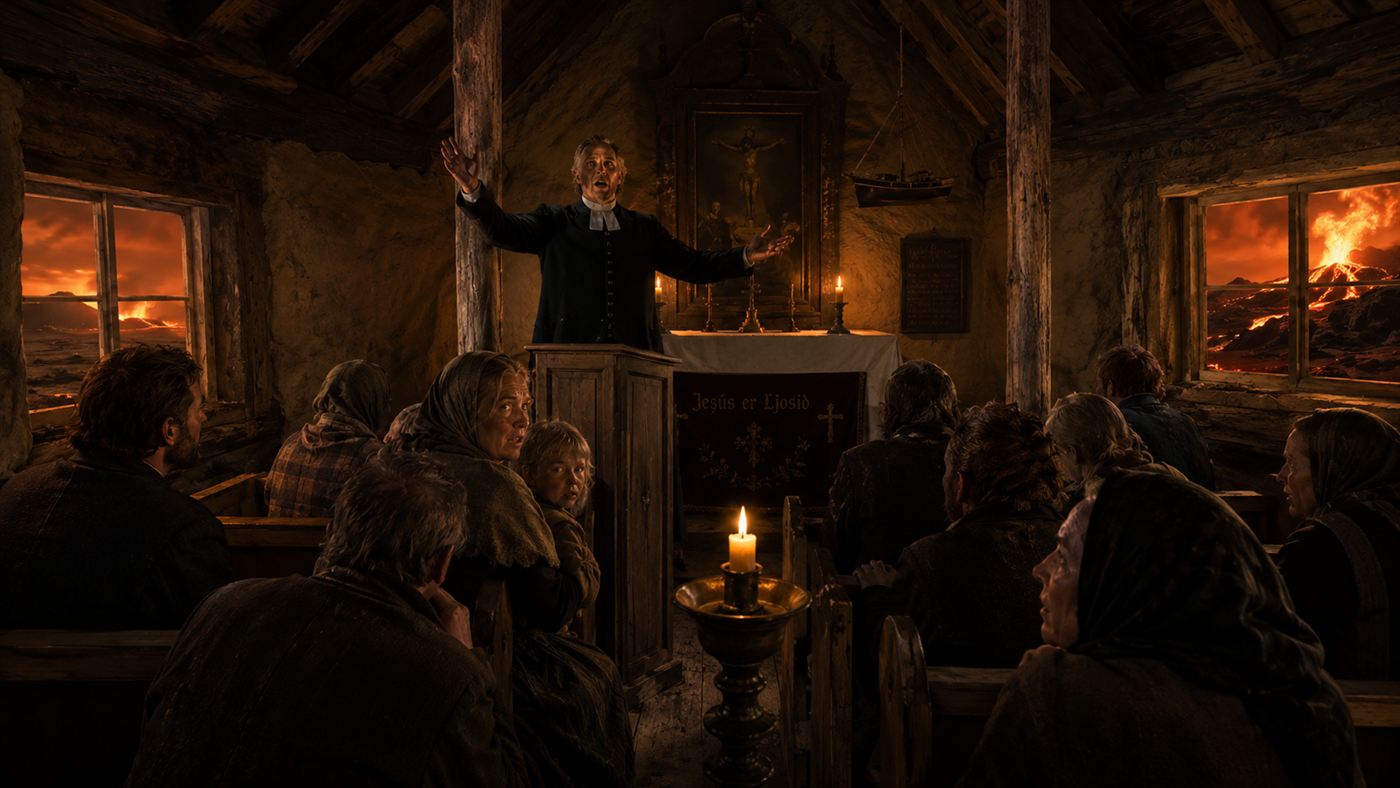
The fire sermon
Out of that horror comes one unforgettable human moment. The pastor Jon Steingrimsson, whose careful written account is one of our best records of the disaster, watched the lava creep toward his church at Kirkjubaejarklaustur. On 20 July 1783, with the molten rock only metres away, he gathered his terrified congregation and delivered what became known as the fire sermon, refusing to flee.
When the service ended, the lava had stopped, halted at the edge of the settlement, and the church was spared. To the survivors it seemed nothing short of a miracle. It is worth being honest that geologists now understand the flow was diverted by the landscape and by a natural dam of cooling lava, not by the words of a sermon. But as a picture of human courage in the face of an unstoppable Earth, a man standing his ground before a wall of fire, the moment has never lost its power.
The haze that crossed a continent
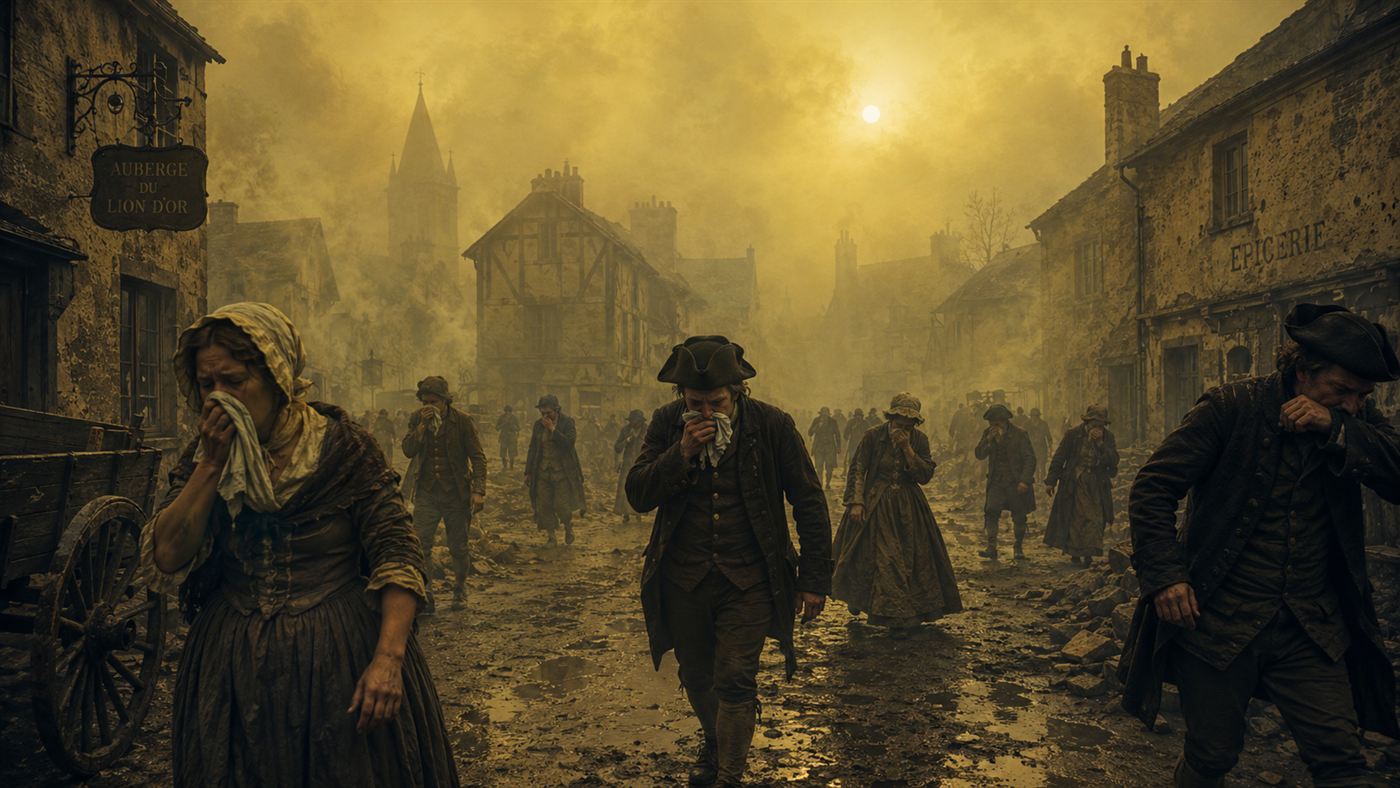
The eruption's reach did not stop at Iceland's shores. The vast cloud of sulphurous gas drifted south and east on the summer winds, settling over Europe as a thick, choking haze that dimmed the sun and stank of sulphur.
It rolled over Prague and Berlin, Paris and Britain within days, and people across the continent complained of headaches, breathing trouble and a strange, oppressive air. That summer turned unnaturally hot under the haze, then gave way to one of the most brutal winters in memory, and the disrupted weather and ruined harvests are blamed for many thousands more deaths. Some historians go further and argue that the hardship and hunger Laki helped cause across Europe added to the unrest that, a few years later, would erupt into the French Revolution. That link is debated and far from certain, but even the cautious version is sobering: a single Icelandic eruption reshaped the weather, the harvests and the health of a whole continent.
What was the Laki eruption?
A slow catastrophe, not a single blast. The Laki eruption was an eight-month fissure eruption in Iceland in 1783 and 1784, in which a long crack in the ground released huge amounts of lava and, more deadly still, poisonous sulphur and fluorine gases.
That difference matters. A short, violent explosion can be devastating locally, but a long, gassy eruption like Laki can quietly poison land and air over a vast area for months. It is exactly this kind of eruption, more than the cinematic mountain-blast, that scientists watch nervously today, because of how far and how invisibly its effects can spread.
How many people did the Laki eruption kill?
An appalling number, on two scales. In Iceland the famine and poisoning killed perhaps a fifth to a quarter of the population, while across Europe the haze is blamed for many thousands of further deaths during 1783 and the savage winter that followed.
Exact figures are impossible to pin down at this distance in time, and the European toll in particular is an estimate drawn from patchy records. But the broad picture is not in doubt. A crack in a thinly populated northern island became one of the deadliest natural events of its century, a stark lesson that on a connected planet, no disaster is ever truly far away.
A crack in a far northern island dimmed the sun and emptied villages a continent away. How ready are we, even now, for the kind of slow, gassy eruption that does its damage from over the horizon? Tell us what you think in the comments.
Related reading: Mount Tambora, whose 1815 eruption stole an entire summer and changed the world a generation after Laki.