For over a century the Kinzua Bridge in Pennsylvania was one of the tallest railroad bridges on Earth, until a tornado tore half of it down in seconds in 2003, minutes after the repair crew went home
For 121 years it stood over a Pennsylvania gorge, a lacework of iron once called the Eighth Wonder of the World. Then a single tornado erased half of it in about 30 seconds. The twisted towers still lie where they fell.
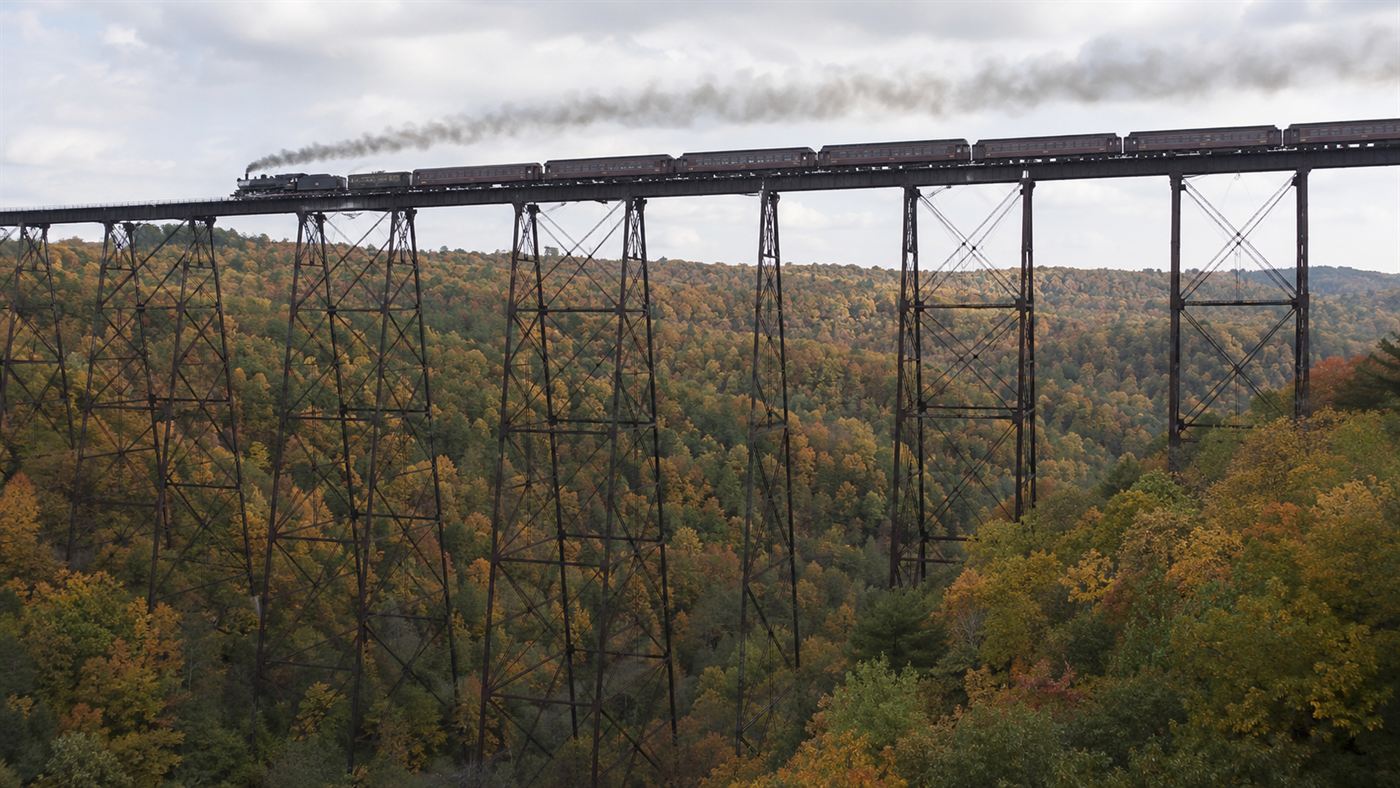
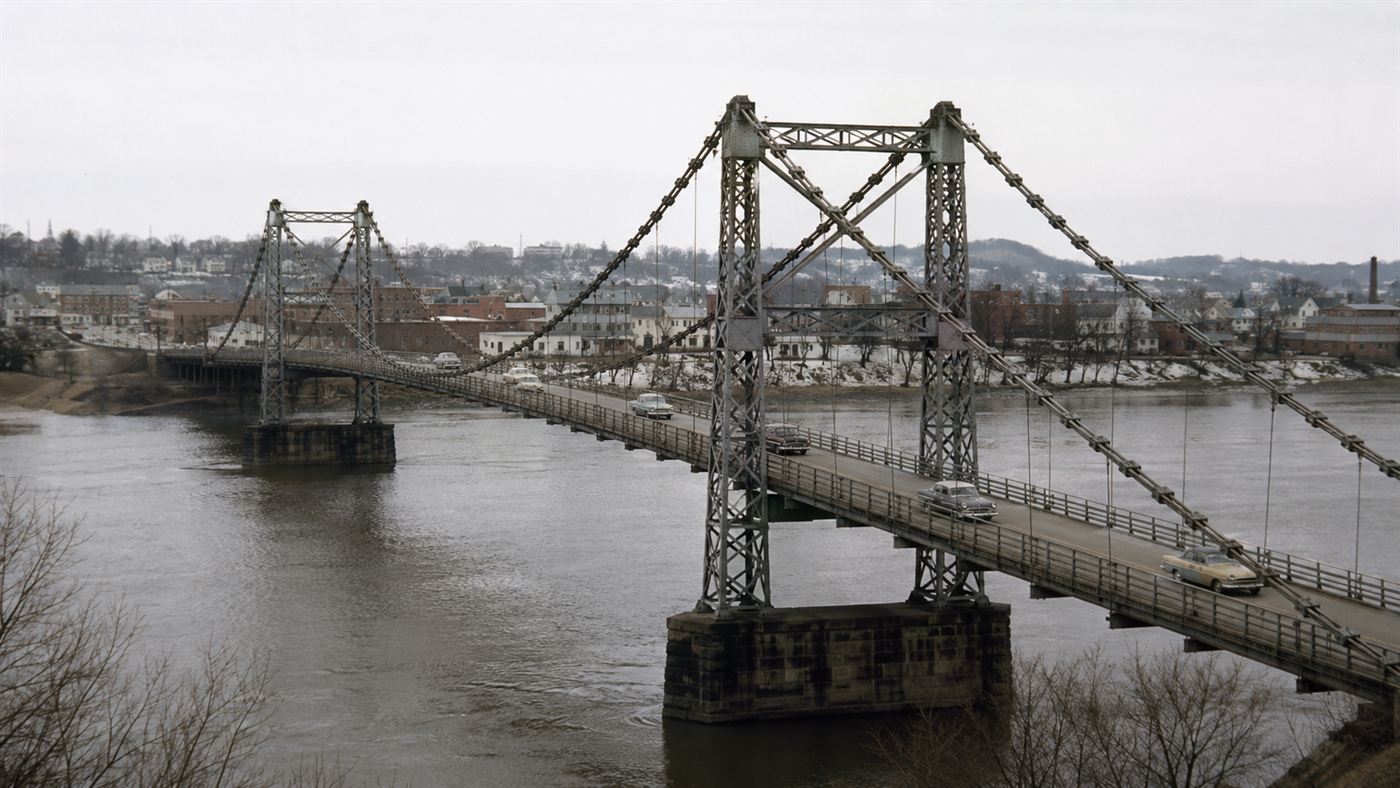
The Kinzua Bridge once carried trains 301 feet above a Pennsylvania valley. Illustration: Watts & Wild.
In the forests of northwestern Pennsylvania there is a bridge that goes nowhere and stops in mid-air. Walk out along it and the deck simply ends at a railing, with a green gorge yawning below and a field of mangled steel scattered across the valley floor. This is what is left of the Kinzua Bridge, once one of the tallest and proudest railroad structures in the world, and its story is a lesson in how even the boldest engineering can be undone by the smallest neglected detail.
When it was finished in 1882, the bridge was a sensation. As the Pennsylvania Center for the Book records, the 301-foot viaduct was the tallest railroad bridge in the world and was billed as the Eighth Wonder of the World. For more than a century it carried trains, and later tourists, high above Kinzua Creek. Then, on a summer evening in 2003, it came down almost all at once.
The short version: the Kinzua Bridge in Pennsylvania was one of the tallest railroad bridges ever built, finished in 1882 and rebuilt in steel in 1900. In July 2003 a tornado struck it and dropped 11 of its 20 towers in seconds. The real weakness was rusted anchor bolts at the tower bases, and the fallen span is now the centerpiece of a dramatic Sky Walk.
What was the Kinzua Bridge?
The scale was astonishing for its era. The Kinzua Viaduct stretched 2,052 feet across the valley and rose 301 feet above the creek, and it went up with almost reckless speed: roughly 40 workers assembled it in just 94 days in 1882, using thousands of tons of wrought iron. For two years it held the record as the tallest railroad bridge on the planet, and it drew sightseers who could scarcely believe a train would cross something so spindly and so high.
By 1900 the trains had grown too heavy for the original ironwork, so the whole structure was taken down and rebuilt in stronger steel, on the same stone foundations. When rail traffic faded, Pennsylvania turned the site into a state park in 1963 and ran excursion trains across it, letting visitors ride the famous span. For decades the Kinzua Viaduct was simply a beloved local wonder, seemingly permanent.
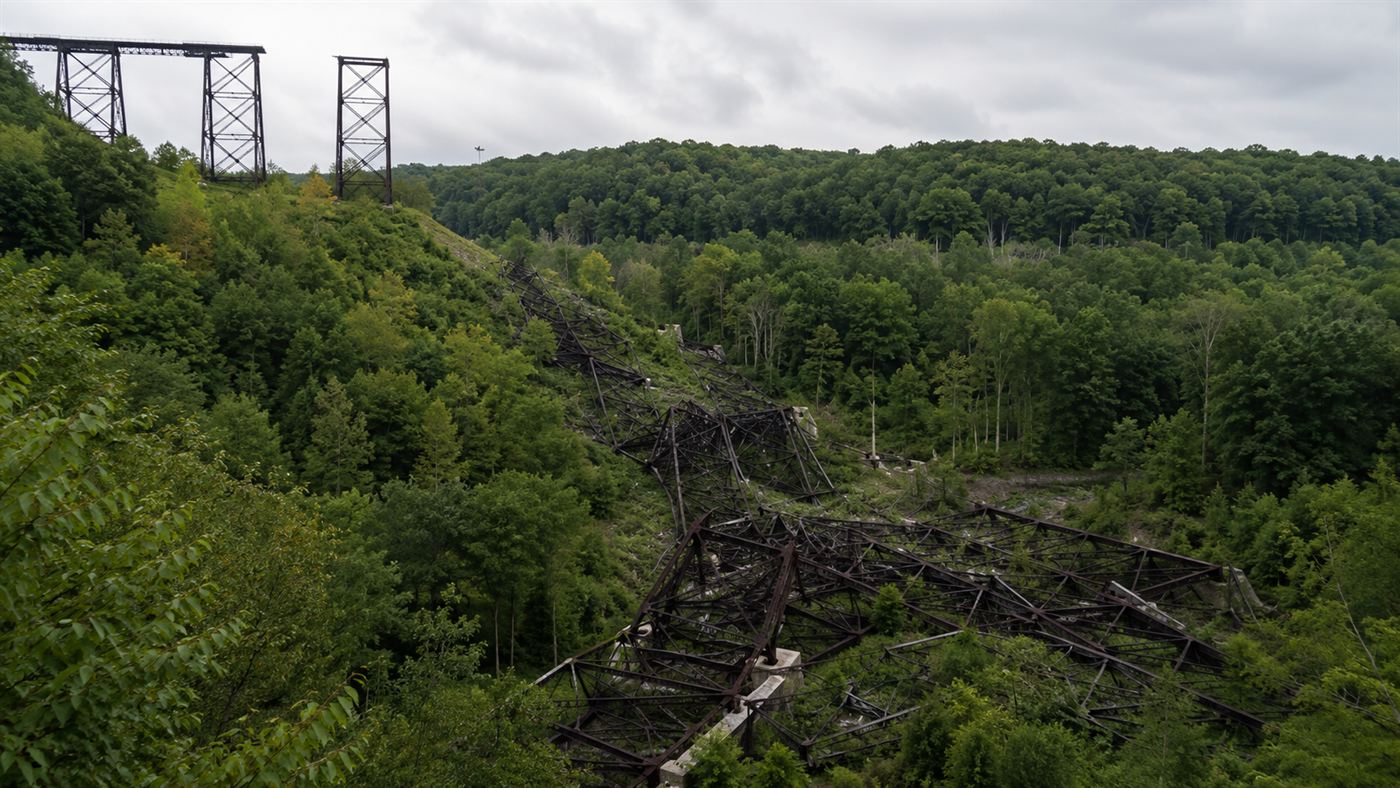
The evening the towers fell
By 2003 the old bridge needed help, and a restoration was underway to shore it up. A crew had been working on the viaduct that July, and on the afternoon of the 21st they packed up and started to leave as a storm rolled in. That timing may have saved their lives.
A tornado dropped out of the storm and struck the bridge almost dead center. In a matter of seconds it snapped 11 of the 20 towers and sent about 1,200 feet of the span crashing into the gorge. The crew had left only minutes earlier, and no one was killed. A structure that had stood for 121 years and survived countless storms was suddenly a ruin, and the suddenness of it is part of what still stuns visitors.
How the 2003 tornado won
Here is the detail that turns a weather story into an engineering one. The tornado that hit was only rated F1, a relatively modest twister, and a sound bridge of that size arguably should have ridden it out. So investigators asked why it failed so completely, and the answer was hiding at the very bottom of the towers.
The tower legs were fastened to their concrete foundations by iron anchor bolts, and over 121 years those bolts had rusted badly. When the 2003 tornado shoved sideways against the towers, the corroded bolts sheared, and the legs simply lifted and toppled off their bases rather than holding firm. In other words, the wind delivered the push, but decades of quiet corrosion decided the outcome. The restoration meant to fix such problems was tragically not yet finished.
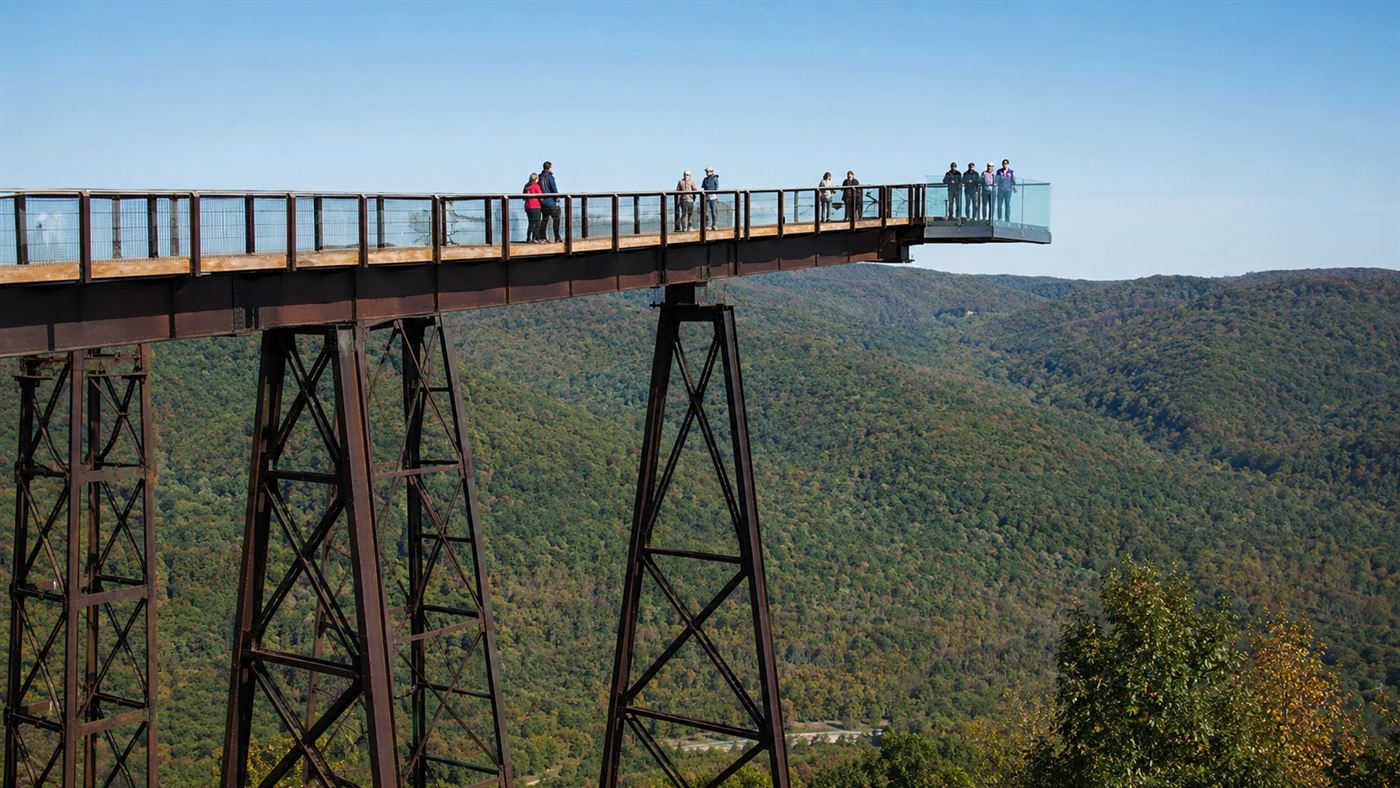
A ruin turned into a skywalk
Pennsylvania faced a choice: clear away the wreckage and mourn, or make something of it. It chose the second path. Rather than haul off the fallen towers, the state left them lying in the gorge as a raw monument and rebuilt the six surviving towers into a walkway out to the edge of the break.
Opened in 2011, the Sky Walk lets visitors stroll 600 feet out along the old rail bed to an observation deck 225 feet above the valley, where a partial glass floor lets you look straight down at the twisted remains below. It is an oddly moving experience, standing on the part that held while gazing at the part that did not. The bridge that once carried trains now carries only people, out to the exact spot where engineering met its limit.
The honest catch
It is tempting to tell this as nature humbling human hubris, but that lets us off too easily. The tornado was weak, and the true villain was maintenance, or the lack of it, over more than a century. Bolts rust, and someone has to keep checking and replacing them; the collapse was less an act of God than a slow, predictable failure that a finished restoration might well have prevented.
There is also a gentle irony in the happy ending. The Sky Walk is genuinely wonderful, and turning a disaster into an honest, popular attraction is a good outcome. But it is worth remembering that we are celebrating a ruin, and that the reason it is a ruin is a very ordinary story of deferred upkeep on aging infrastructure, the same story that quietly threatens bridges and dams all over the country today. The Kinzua Bridge is a beautiful warning as much as a happy comeback.
A record-breaking bridge stood for 121 years and then fell in half a minute, undone less by a tornado than by rusted bolts no one had replaced. Should we rebuild landmarks like this, or leave the ruins standing as an honest reminder? Tell us what you think in the comments.
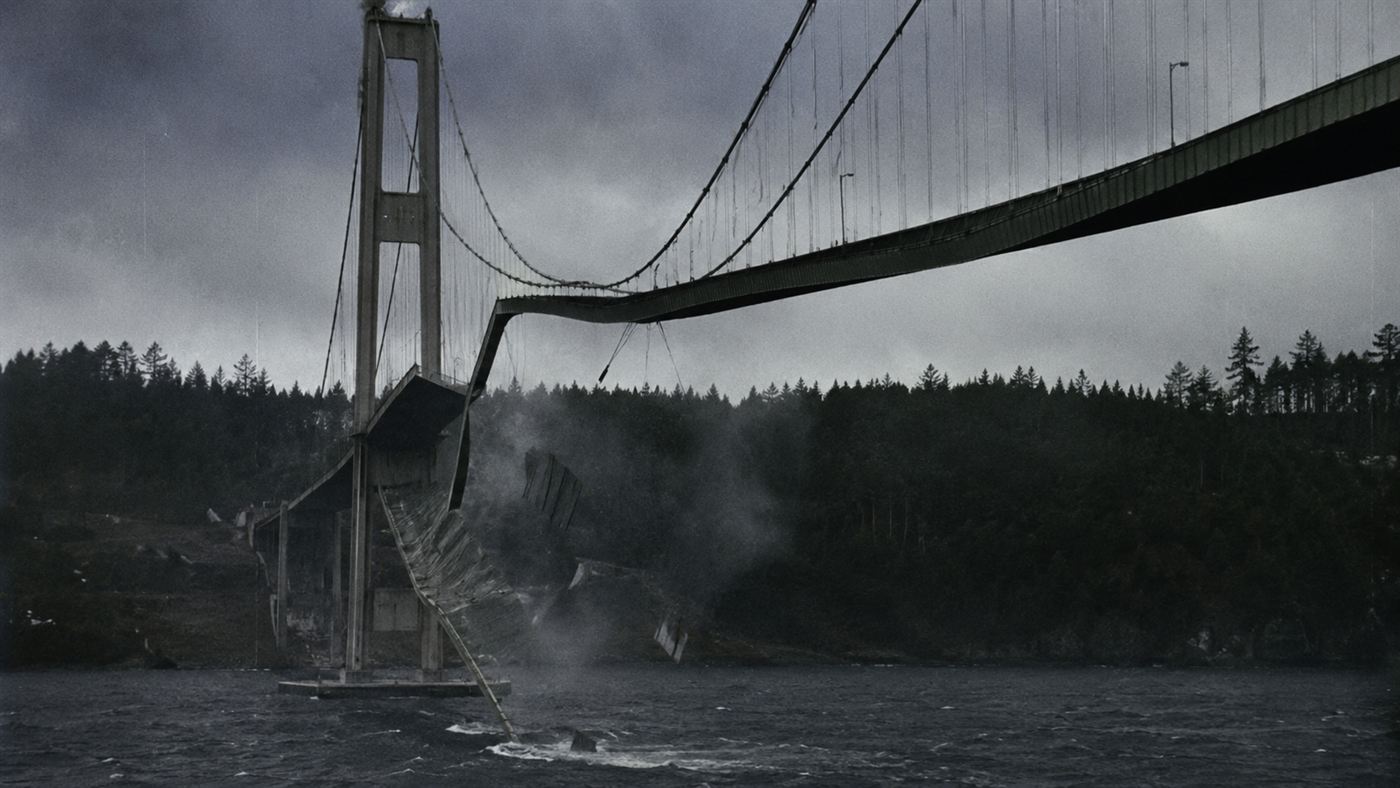
Related reading: how the Silver Bridge fell without warning from a single hidden crack, and how the Tacoma Narrows Bridge twisted itself apart in the wind.