The Edmund Fitzgerald was the biggest ship on the Great Lakes, then on a stormy night in 1975 it vanished into Lake Superior with all 29 crew and no distress call, and no one is sure why
She was the pride of the Great Lakes, a 729-foot ore carrier that broke shipping records and looked unsinkable. On a single November night, she was simply gone. Fifty years later, the loss of the Edmund Fitzgerald is still one of the sea's great unsolved mysteries.
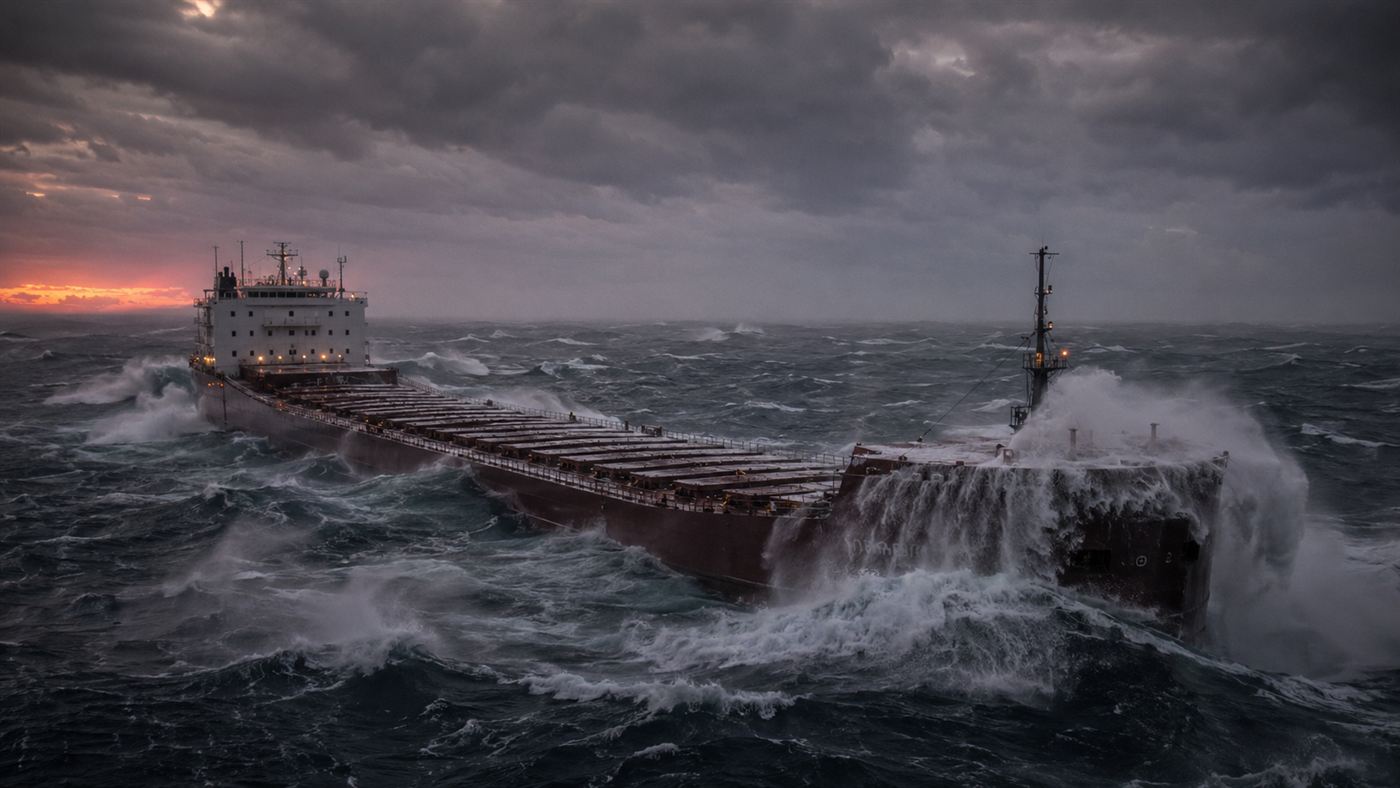
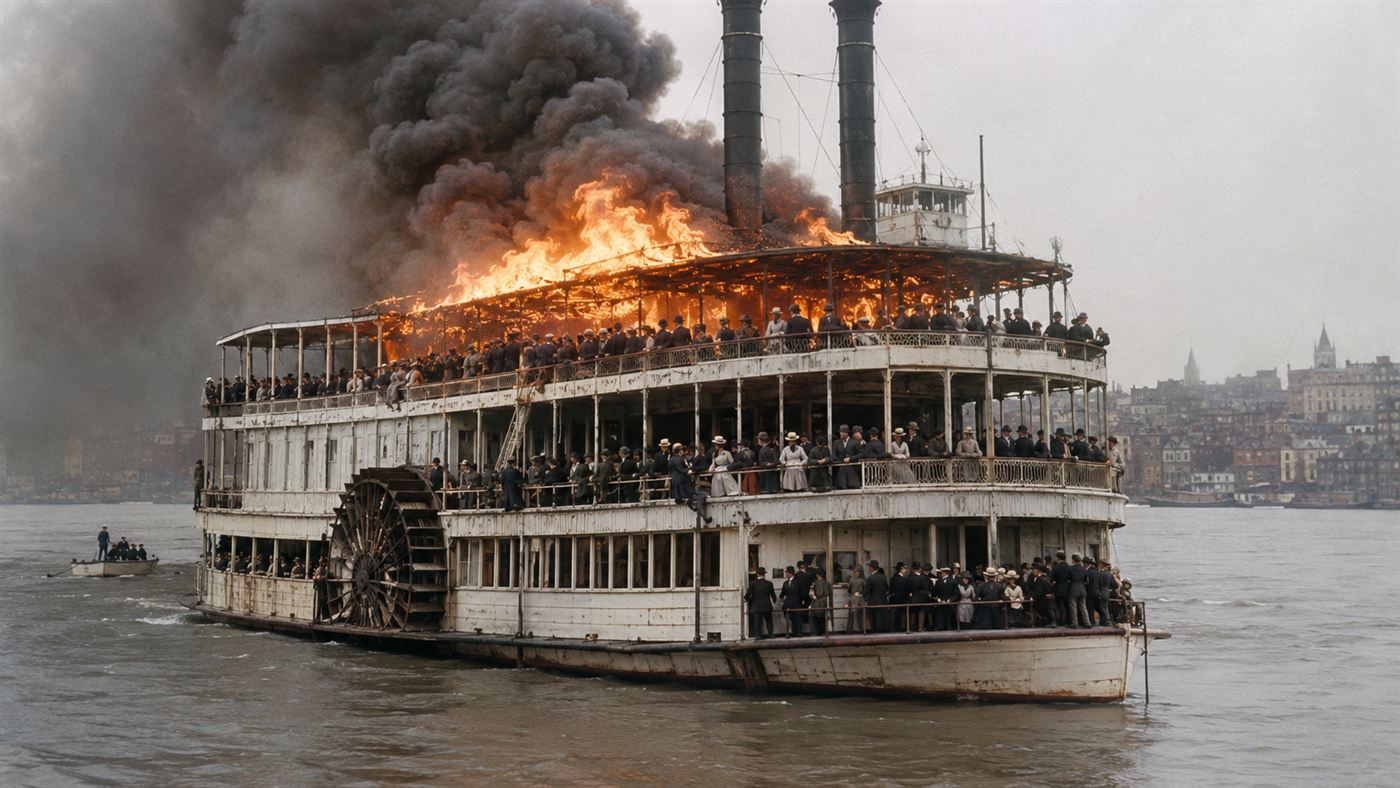
The Edmund Fitzgerald met near-hurricane winds and 35-foot waves on Lake Superior. Illustration: Watts & Wild.
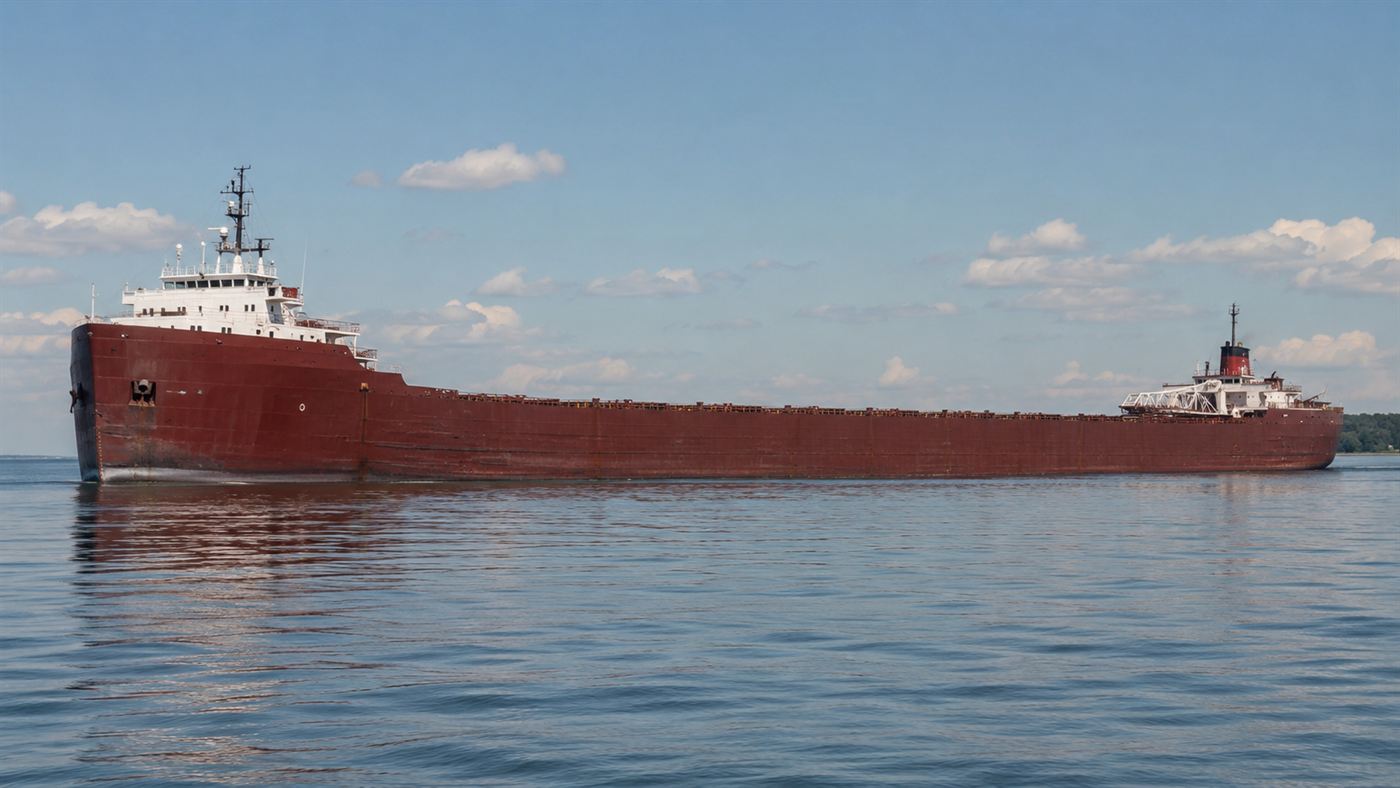
When she slid into the water in 1958, the Edmund Fitzgerald was the largest ship on the Great Lakes, a 729-foot giant that quickly became a celebrity of the freshwater shipping world. Crews called her the Queen of the Lakes, she set haul records for iron ore, and captains and dockworkers knew her on sight. For 17 years she was a fixture, the kind of vessel that seemed too big and too proven to end up on the bottom.
Then, on the night of November 10, 1975, she vanished. As History has recounted, the freighter went down suddenly in a ferocious Lake Superior storm, taking all 29 men aboard with her and sending no distress call at all. The wreck that turned a working ore boat into a legend has never given up a clear answer to the only question that matters: what happened.
The short version: the Edmund Fitzgerald was the biggest freighter on the Great Lakes when it sank in a violent Lake Superior storm on November 10, 1975, killing all 29 crew. It sent no mayday and went down in minutes. Investigators have several theories, from giant waves to structural failure, but the true cause has never been confirmed.
The Queen of the Lakes
The Edmund Fitzgerald was built to move iron. Launched near Detroit in 1958 and named for the head of the insurance company that financed her, she measured 729 feet from bow to stern and could carry tens of thousands of tons of taconite pellets down from the mines of Minnesota to the steel mills of the lower lakes. At the time, no Great Lakes freighter was bigger.
For a working ship she had unusual glamour. She was fast, she was record-setting, and she drew crowds at the locks; some crews joked that she was a showboat. That reputation is part of what makes her end so haunting. This was not a tired, neglected tramp steamer but the flagship of the fleet, the last vessel anyone expected to lose.
The last voyage
On the afternoon of November 9, 1975, the Fitzgerald left Superior, Wisconsin, loaded with taconite and bound for a mill near Detroit, under Captain Ernest McSorley, a veteran with decades on the lakes. A storm was forecast, but November gales are routine on Lake Superior, and the big Great Lakes freighter set out with another ship, the Arthur M. Anderson, tracking nearby.
The storm turned out to be a monster, with winds near hurricane force and waves reported up to 35 feet. Through the afternoon McSorley radioed that the ship was taking on water and had lost some equipment, yet his tone stayed calm. His final message, at about 7:10 that evening, has become famous for its understatement. Asked how the ship was holding up, McSorley answered, "We are holding our own." Minutes later the Fitzgerald disappeared from radar without a single cry for help.
Why did the Edmund Fitzgerald sink?
This is the question that has never been settled. The ship sank so fast, in water about 530 feet deep and only some 17 miles short of the shelter of Whitefish Bay, that no one survived to say what went wrong. The wreck was found broken into two large pieces. Over the years investigators have narrowed it to a few main possibilities, none of them proven beyond doubt.
One theory is that the Fitzgerald was slowly swamped as heavy seas flooded her cargo hold through hatch covers that were not fully sealed, until she lost buoyancy and dove. Another holds that she scraped a shoal near Caribou Island, tearing the hull, and took on water from below. A third suggests she was overwhelmed by a series of enormous rogue waves, the so-called three sisters, that buried her bow. The Coast Guard, the shipping industry and independent researchers have each leaned toward different answers, and the argument continues today.
A song that kept the story alive
Part of the reason a Great Lakes ore boat is known far beyond the Midwest is a piece of music. In 1976, the Canadian singer Gordon Lightfoot released The Wreck of the Edmund Fitzgerald, a somber ballad that told the story almost like a news report set to a slow, rolling melody. It became a hit and fixed the disaster in the public memory in a way no accident report ever could.
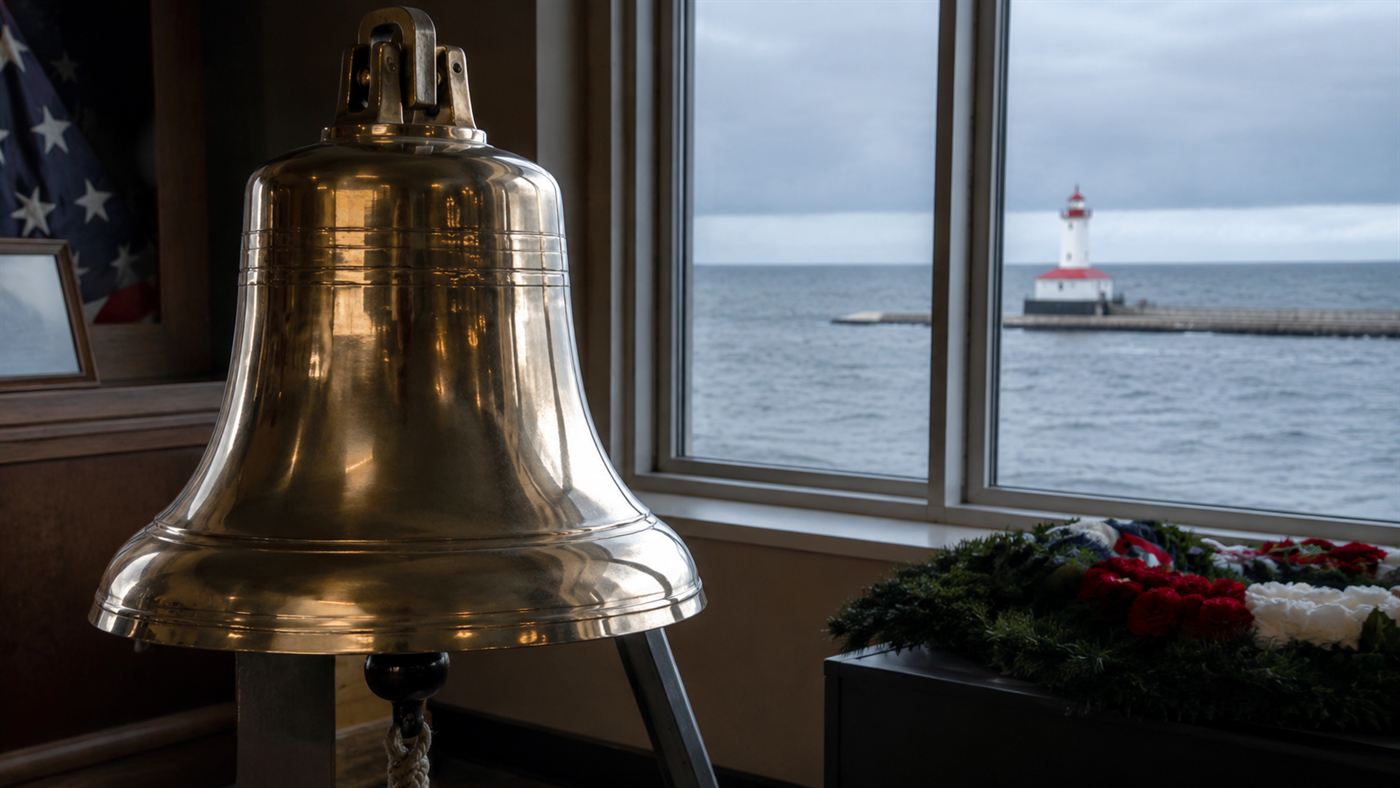
Gordon Lightfoot's song turned 29 working sailors into names people still remember and made the ship a symbol of the lakes' hidden danger. It is a rare case of a pop song doing the work of a monument. To this day, at a church in Detroit and at the museum near Whitefish Bay, a bell rings 29 times each November, once for every man who went down with her.
The honest catch
The mystery is real, but it is easy to let the romance outrun the facts. The lack of a distress call does not mean anything supernatural happened; a ship that floods and breaks apart in seconds simply has no time for a radio call, and that is the most likely reason for the silence. The wreck sits in cold, deep water, which is why answers have been so hard to pull up.
It is also worth remembering that the loss was not pointless. The disaster led directly to tougher rules for the lakes, including better survival suits, more reliable depth finders, stricter load lines, and closer weather monitoring in storm season. We may never know exactly what took the Edmund Fitzgerald down, but the ships that sail Lake Superior today are safer because she did not come home.
The largest ship on the Great Lakes went to the bottom in minutes, took 29 men with it, and left a question that half a century has not answered. Do you think we will ever know for certain what sank her, or is some of this lost to the lake for good? Tell us what you think in the comments.
Related reading: how wartime Liberty ships cracked in half when brittle steel met cold water, and how the Silver Bridge fell without warning from a single hidden flaw.