He weighed the Earth's true age, then found the whole planet was being quietly poisoned
In 1956 a young American scientist finally answered one of the oldest questions there is: how old is the Earth? The answer, 4.55 billion years, has barely changed since. But getting it forced him to notice something terrible. Clair Patterson realised that lead was contaminating everything around him, and that discovery turned a geologist into one of the most important public health crusaders of the century.
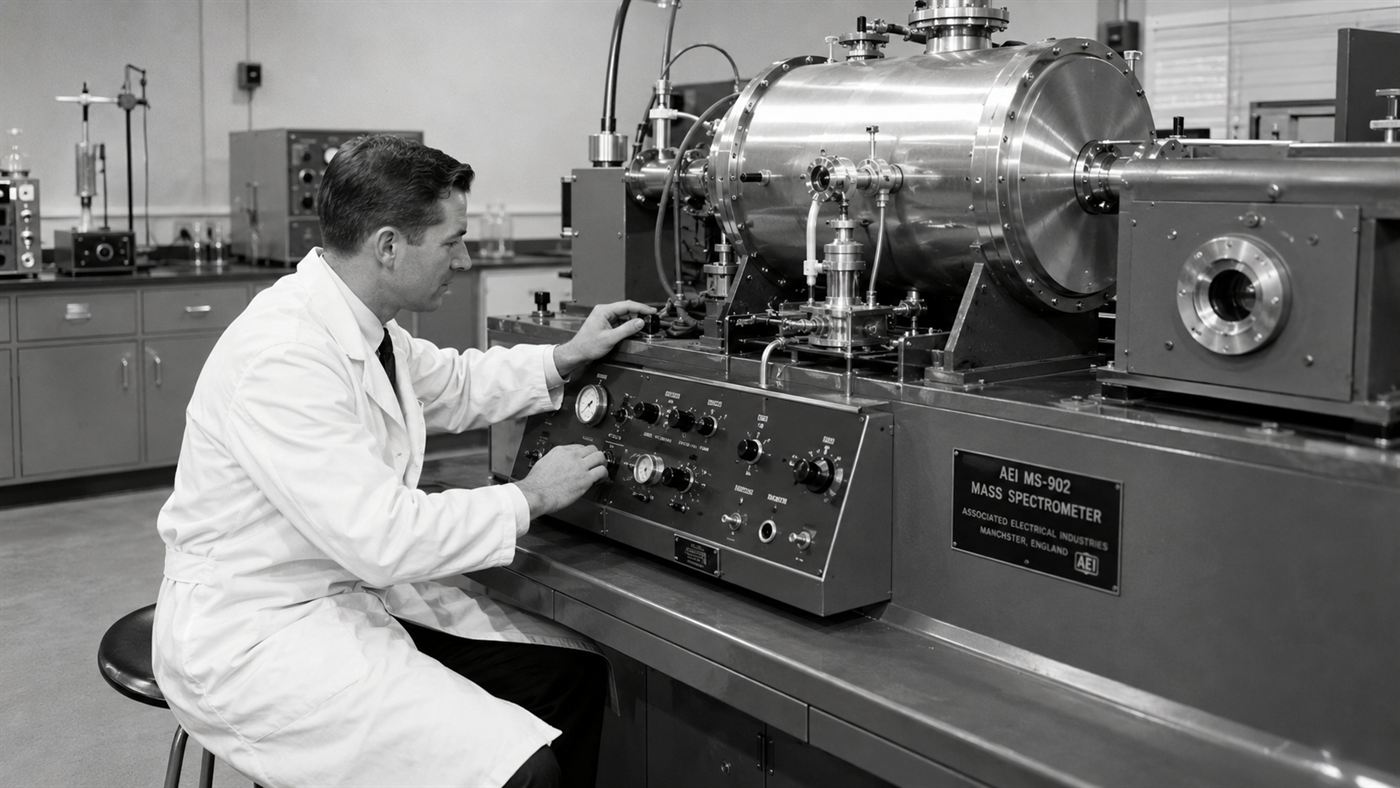
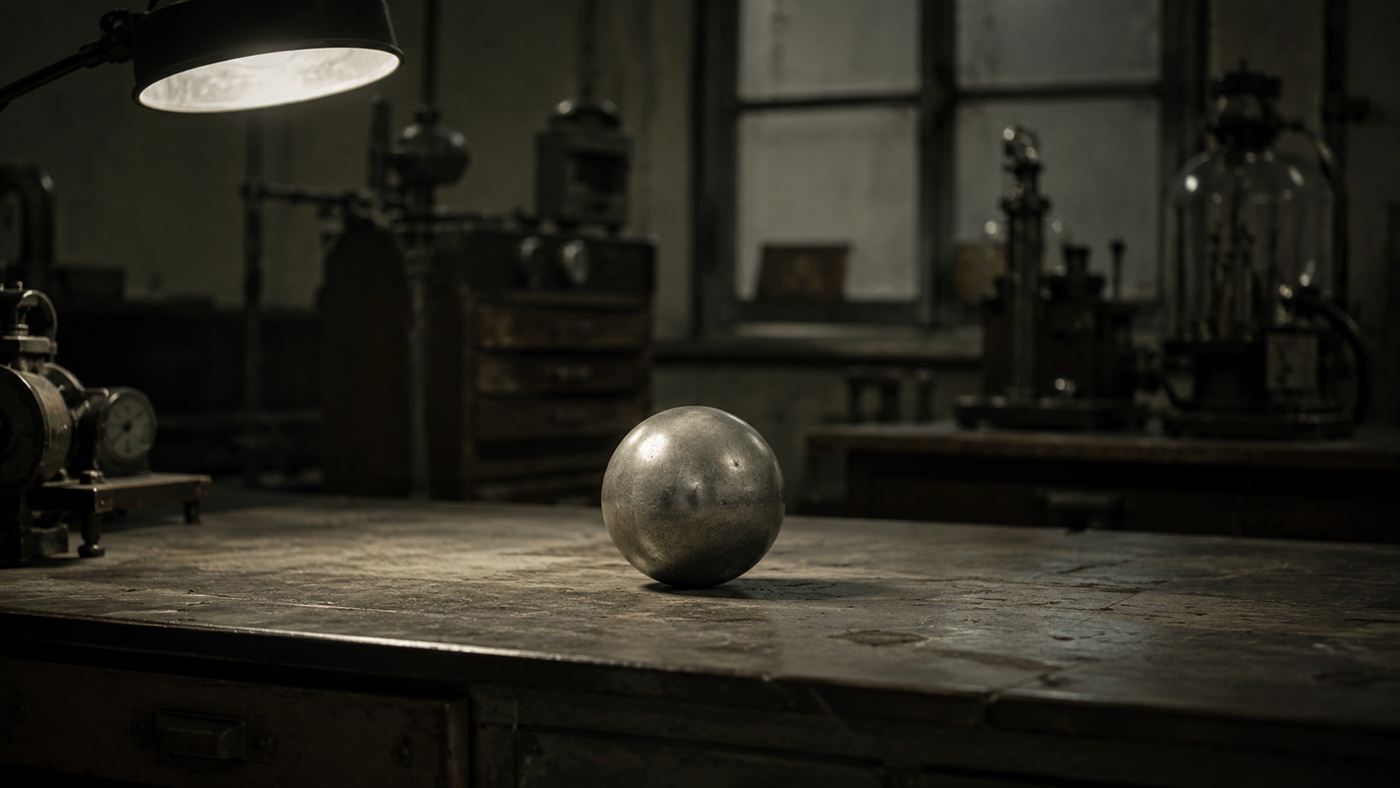
To read the age of the Earth in a meteorite, Patterson first had to build the cleanest room in the world. Illustration: Watts & Wild.
Some scientists are remembered for one great discovery. Clair Patterson made two, and the second one, that the modern world was soaked in poison, mattered even more than the first. He is the rare figure who both measured the deep past and protected the future, and yet most people have never heard his name.
His story is a reminder that the search for one truth can accidentally uncover another, far more urgent one, if the scientist is honest enough to follow it.
An impossible question
For centuries, no one could say how old the Earth really was. Estimates ranged from a few thousand years to wild guesses in the millions, with no reliable way to settle it. The breakthrough came from radioactivity: certain elements decay into others at a perfectly steady rate, so the amounts left behind can act like a clock buried in rock.
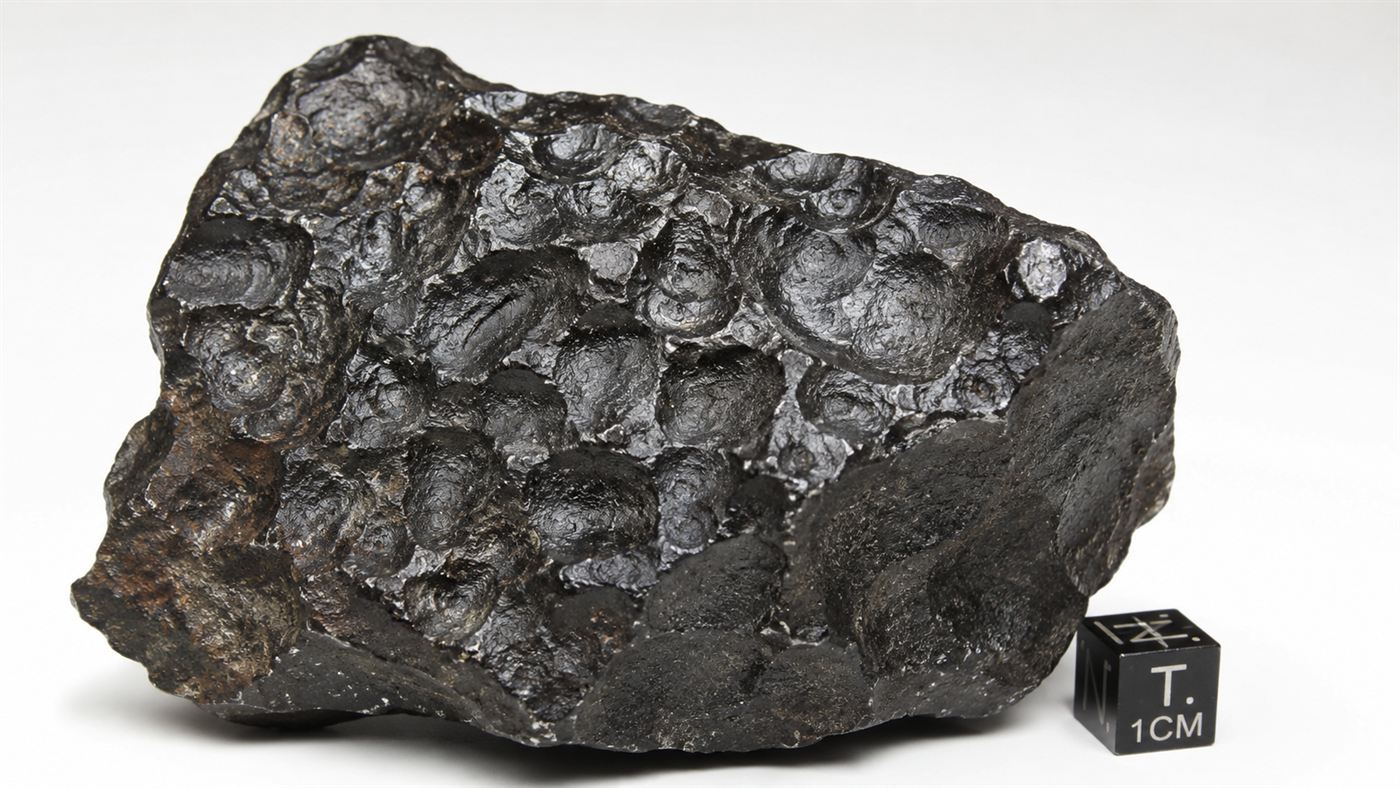
The catch was that the Earth's own surface has been churned and remade for billions of years, scrambling the clock. The trick Patterson used was to look not at the Earth itself but at meteorites, the leftover rubble of the solar system, which formed at the same moment as our planet and then sat untouched in space.
How Clair Patterson weighed the Earth
Working with a fragment of a meteorite that had fallen at Canyon Diablo in Arizona, Patterson set out to measure its lead, the end product of uranium decay. By reading the balance of lead isotopes in that ancient rock, he calculated in 1956 that the Earth was about 4.55 billion years old, a number so solid it has stood essentially unchallenged ever since.
But getting a clean measurement was a nightmare. Every time he ran the experiment, the lead readings came out wildly different, swamped by contamination from somewhere. To get rid of it, Patterson had to invent extreme cleanliness, building one of the first true clean rooms, scrubbing every surface, filtering the air, and chasing down stray lead atoms until his samples were finally pure enough to trust. That obsessive hunt was about to change his life.
The lead that was everywhere
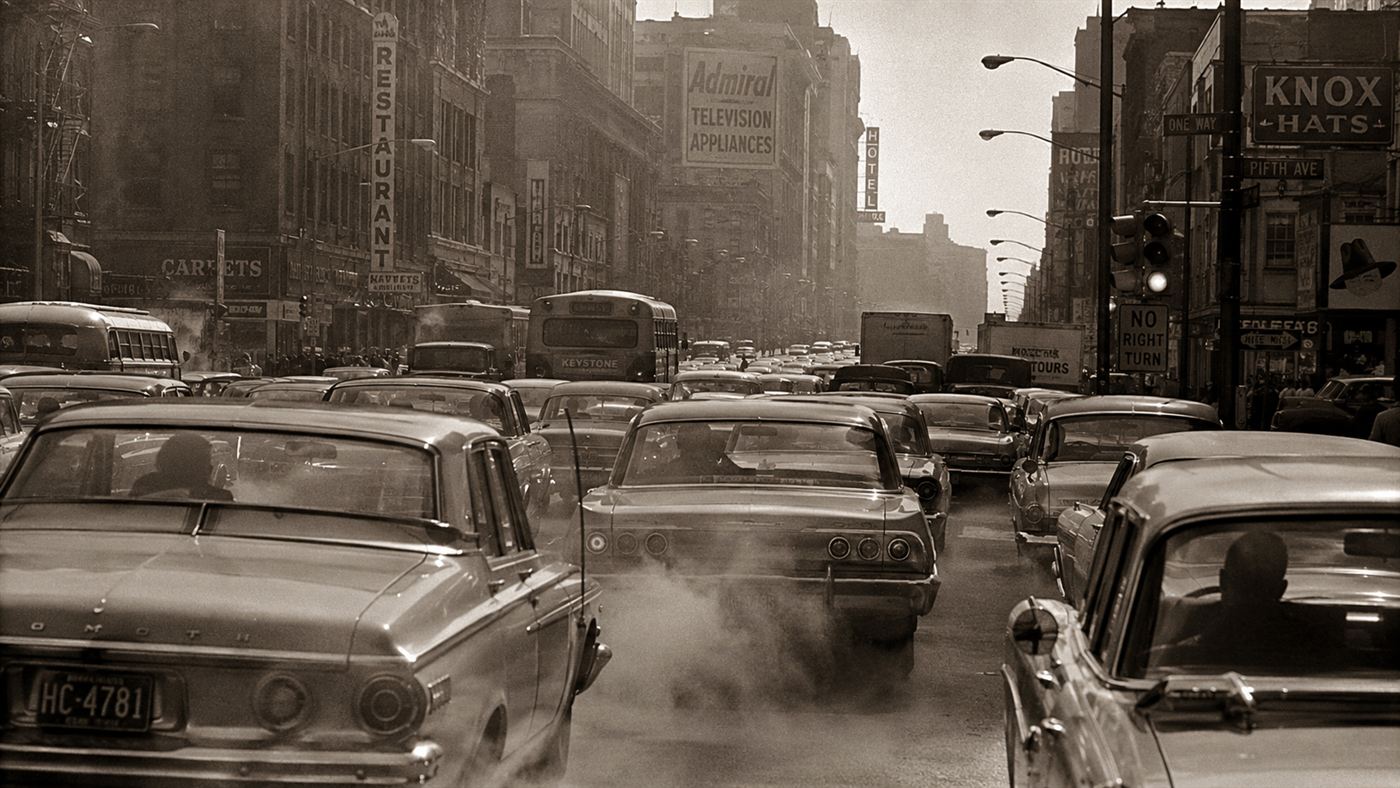
The contamination that had ruined his early experiments was not coming from his equipment alone. It was in the air, the dust, the water, on every surface and even in his own body. Patterson realised that the modern environment was saturated with lead at levels hundreds of times higher than anything natural, and that the cause was largely the leaded petrol that cars had been burning since the 1920s.
This was not a minor lab nuisance. Lead is a potent poison, especially to children's developing brains, and Patterson had stumbled onto evidence that the whole industrialised world was being slowly dosed with it. The man who had just dated the planet now faced a far more uncomfortable question: who was going to do something about it?
Taking on the lead industry
Patterson decided that someone had to be him. From the 1960s onward he turned his rigorous, contamination-free methods on the lead in ice cores, oceans and human bodies, building an unanswerable case that levels had exploded in the industrial age. For this he was attacked relentlessly by the lead and petrol industries, above all the Ethyl Corporation and the scientist Robert Kehoe, who for decades had been the main, industry-funded voice insisting leaded petrol was safe.
The pressure was real. Patterson lost research contracts, was left off important advisory panels, and was painted as an alarmist by people with a great deal of money riding on lead. He kept going anyway, and slowly the weight of his clean, honest data overwhelmed the doubt that industry money had manufactured.
How did Clair Patterson find the age of the Earth?
In short, he used the most poisonous part of his story to tell the oldest. The same lead that pollutes the modern world is also the steady end product of uranium decay, which made it the perfect natural clock for reading the age of a meteorite. Patterson's genius was both in the idea and in the obsessive care it took to measure something so tiny without his own contaminated era ruining the result.
It is a neat and slightly haunting symmetry: the element that let him weigh the Earth's deep past was the very same one he then spent his life trying to scrub out of its present.
Did Clair Patterson get lead banned?
His work was the scientific backbone of one of the great public health victories of the twentieth century. In the decades after he sounded the alarm, the United States and then much of the world phased lead out of petrol, paint and food cans, and average lead levels in people's blood fell dramatically. It is hard to overstate this: countless children grew up with healthier brains because one stubborn geologist refused to look away from his own dirty data.
Honesty requires a note that he did not act alone; other scientists, regulators and activists all played their part, and a few of the boldest later claims about lead's effects are still debated. But the core of it is not in doubt. Clair Patterson dated the Earth, and then he helped clean it, and we are all quietly better off for both.
One scientist measured the age of the planet and, in the same breath, found out it was being poisoned, then spent his life fixing it against powerful opposition. How many other quiet dangers are hiding in our everyday world simply because no one has been stubborn enough to measure them cleanly? Tell us what you think in the comments.
Related reading: the Radium Girls, whose poisoning at work helped force companies to answer for the harm they cause. See also Barry Marshall, who drank a glass of bacteria to prove what really causes ulcers.