She worked out why the electric arc lighting the world's streets hissed and flickered, became the first woman in Britain's engineering institution, and was still refused her rightful honour
In the 1890s the world's grandest streets and theatres were lit by the brilliant, sputtering glare of arc lamps, and nobody could quite explain why they hissed and flickered so maddeningly. The person who finally cracked it was Hertha Ayrton, a brilliant engineer and physicist who then spent the rest of her life being told, politely and firmly, that women like her did not really belong.
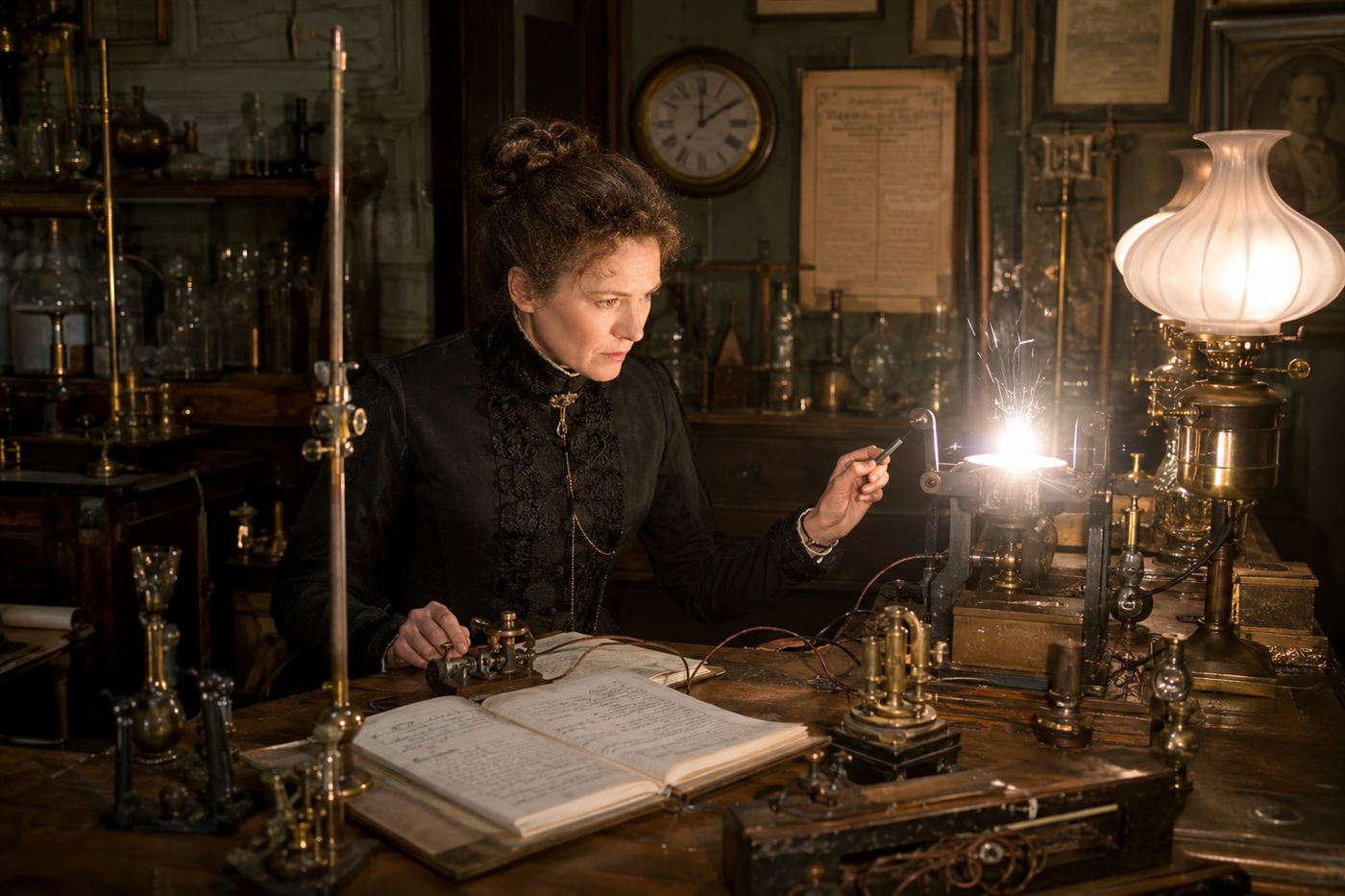
Hertha Ayrton turned the messy, hissing arc lamp into a problem she could solve. Illustration: Watts & Wild.
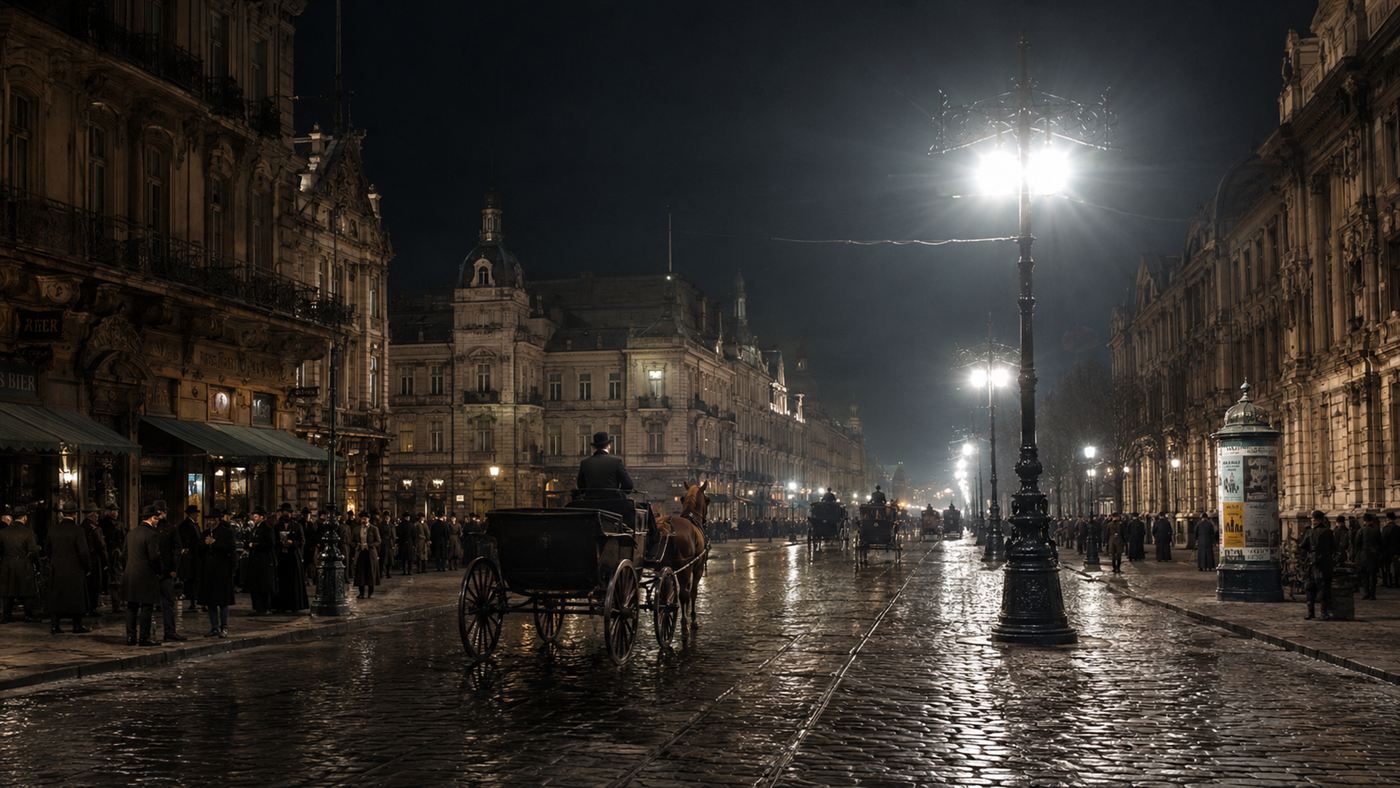
Before the gentle glow of the light bulb took over indoors, the streets of the late nineteenth century belonged to the electric arc. An arc lamp works by jumping a current across a gap between two carbon rods, producing a fierce white light far brighter than any bulb of the day. They lit boulevards, railway stations and stages, and they were notorious for one thing: a restless hiss and a flicker that no one had managed to cure.
Into this came Hertha Ayrton, born Phoebe Sarah Marks in 1854, the daughter of a poor immigrant clockmaker. She fought her way to a Cambridge education at a time when that was barely open to women, and married the electrical engineer William Ayrton. When his own research on the arc stalled, she took it over, and what had been his sideline became her life's work.
How Hertha Ayrton solved the electric arc
Where others had thrown up their hands, Ayrton did patient, meticulous experiments. She established that the dreaded hiss and flicker of the electric arc did not come from the electricity behaving strangely at all. The real culprit was the carbon itself: as the glowing rods burned, they reacted with oxygen in the surrounding air, pitting the carbon and making the arc jump and sputter.
Once you understood that, you could fix it, shaping and feeding the carbons so the arc burned steady and silent. As Wikipedia records, she laid out the whole science in a landmark 1902 book, simply titled The Electric Arc, which became the standard reference on the subject. For the first time, the unruly light that lit the modern city had been properly understood, and it was a woman who had done it.
Breaking into a closed world
Her work could not simply be ignored, and it forced open a few doors that had been firmly shut to women. As the IET records, in 1899 Hertha Ayrton became the first woman elected a member of the Institution of Electrical Engineers, the professional body of British electrical engineer practice, and for many years she remained the only one. It was a remarkable breach of a wall that had kept women out entirely.
In 1904 she became the first woman to read her own paper before the Royal Society, the most prestigious scientific body in Britain. Her standing as a serious scientist and inventor was, by any fair measure, beyond doubt. And yet the establishment found a way to keep its highest honour out of her hands, in a fashion that looks shabby even by the standards of the time.
The honour she was denied
When Ayrton was put forward for fellowship of the Royal Society, the society took legal advice and decided it could not elect her, not because of any doubt about her science, but because she was a married woman, whose legal identity was held to be subsumed into her husband's. Her achievements were real, but her marital status, the rules said, made her ineligible.
The slight did not stop her. As Britannica notes, in 1906 the Royal Society awarded her its Hughes Medal, for her work on the electric arc and on a second, quite different problem: the physics of how ripples form in sand under moving water, which she also explained with elegant experiments. She remains one of very few people honoured by the society that would not make her a fellow.
The honest catch
It is tempting to tell Ayrton's story as pure heroism against villains, but the truth is a little more tangled. She built directly on the unfinished arc research of her husband William, who supported and promoted her, so this was partly a partnership, even if she became the clear expert. Crediting her alone would flatten a more interesting picture of two scientists whose work overlapped.
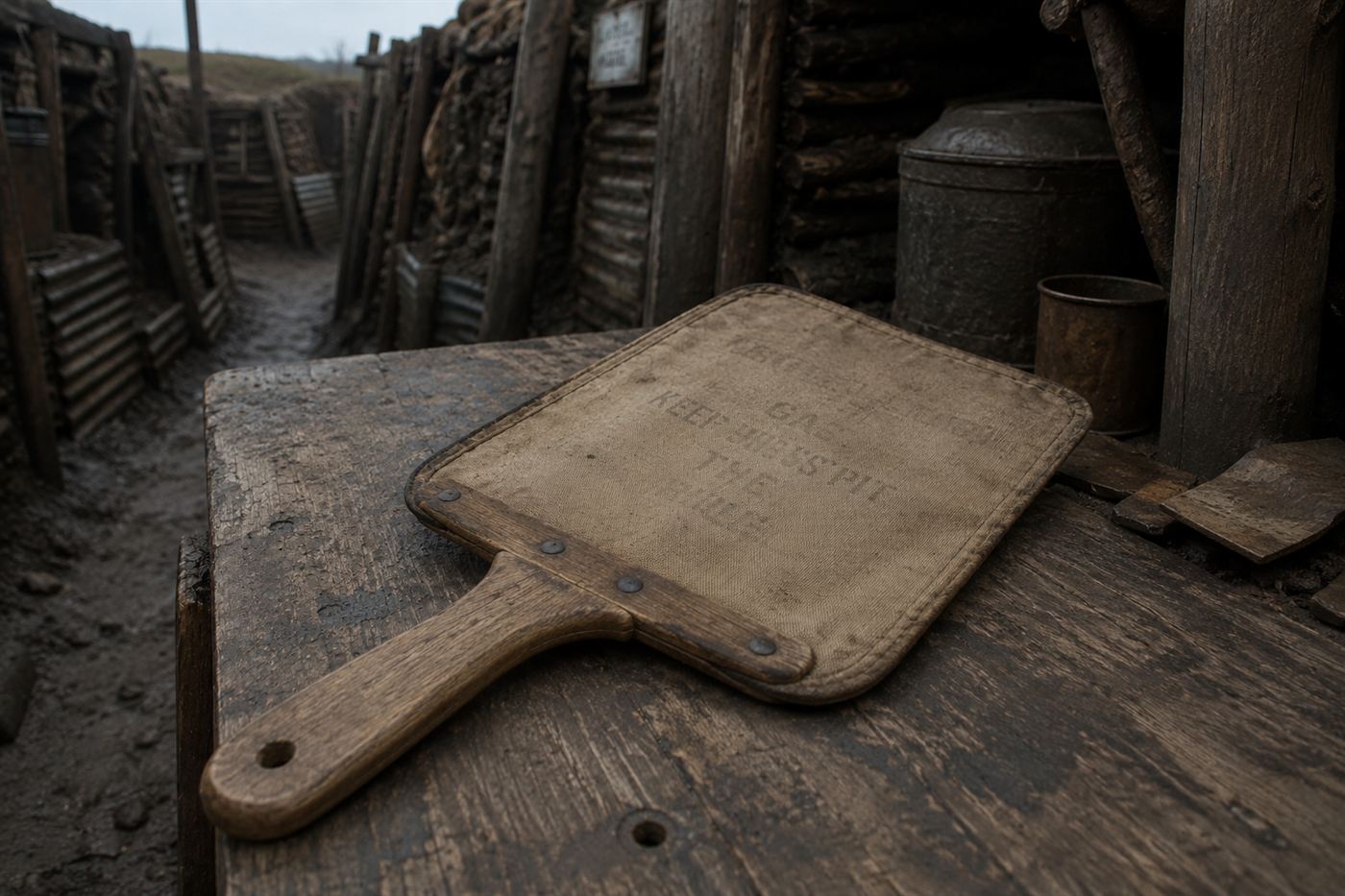
Her practical inventions, too, met mixed fates. The Ayrton fan she devised in the First World War, a simple hand paddle to flap clouds of poison gas out of British trenches, was issued in large numbers but regarded with scepticism by an army that preferred mechanical solutions, and its real effectiveness is debated to this day. Ayrton was a formidable scientist, not a miracle worker, and not every idea she had changed the world.
Why a forgotten engineer still matters
What is beyond dispute is that Hertha Ayrton did first-rate science in a field that did its best to exclude her, and that she did it twice over, on the electric arc and on sand ripples, while also campaigning hard for women's right to vote. She turned a nuisance that baffled the men around her into a solved problem, and she made the engineering world admit, however grudgingly, that a woman could lead it.
Her name is far less known than it should be, eclipsed by the male inventors of the electric age who came before and after her. But the next time you picture the dazzling, sputtering arc lamps of the old city, remember that the person who finally understood them, and who refused to be quietly written out, was Hertha Ayrton.
She solved the riddle of the arc, broke into a closed profession, and was still refused the fellowship she had earned. How much further might Hertha Ayrton have gone if the doors had simply been open? Tell us in the comments.
Related reading: The American who lit his mansion with a giant backyard wind turbine, and pioneered arc lighting.