A fifth-generation descendant of the Lakota war chief Red Cloud is fighting a new battle on the Pine Ridge reservation, where Henry Red Cloud turns sunlight into heat, jobs and a kind of freedom
His great-great-great-grandfather fought the US Army to defend the Lakota homeland. Henry Red Cloud is fighting a quieter battle on the Pine Ridge reservation, against cold homes and deep poverty, and his weapon is the sun. He has trained more than a thousand Native Americans to build with it.
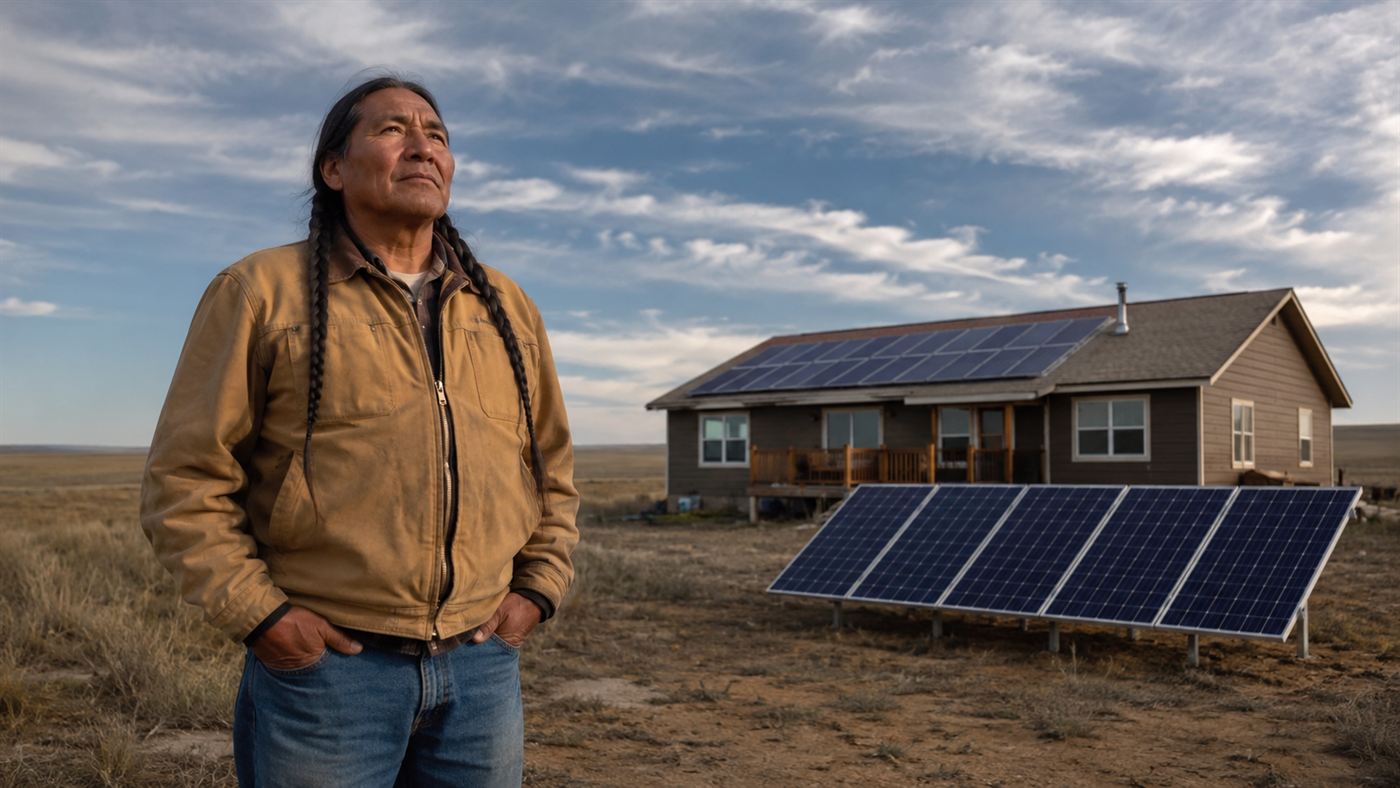
On the plains of Pine Ridge, solar panels are becoming a tool of survival and self-reliance. Illustration: Watts & Wild.
Henry Red Cloud calls himself a solar warrior, and he means it almost literally. A fifth-generation descendant of the famous Lakota war chief Red Cloud, he has spent two decades bringing solar power to the Pine Ridge reservation in South Dakota, and as YES! Magazine reported, he frames it as a warrior's duty carried into the 21st century.
Pine Ridge, home of the Oglala Lakota, is one of the poorest places in the United States, where brutal winters and costly propane force families to choose between heat and food. In 2006 Red Cloud founded Lakota Solar Enterprises, the reservation's first Native-owned renewable energy company, to do something about it. Where his ancestor defended the land with force, he defends his people with sunlight.
Who is Henry Red Cloud? He is an Oglala Lakota solar entrepreneur and a descendant of Chief Red Cloud who founded Lakota Solar Enterprises on the Pine Ridge reservation in 2006. Through his Red Cloud Renewable Energy Center he has trained more than 1,100 Native Americans as solar installers.
A warrior's deed for the 21st century
Henry Red Cloud grew up with the weight and pride of a famous name.
His ancestor, Chief Red Cloud, led the only war against the United States that a Native nation arguably won, forcing the army to abandon its forts on Lakota land in the 1860s.
Five generations later, Henry Red Cloud took the idea of the warrior and pointed it at new enemies: poverty, cold and dependence.
"We as warriors, we bring resources to the tribe," he has said, framing clean energy as the modern version of protecting the earth and providing for his people.
It is a striking reframing, turning a word soaked in history into a job description for an electrician with a drill and a panel.
Turning the sun into heat
The first problem Red Cloud went after was simply staying warm.
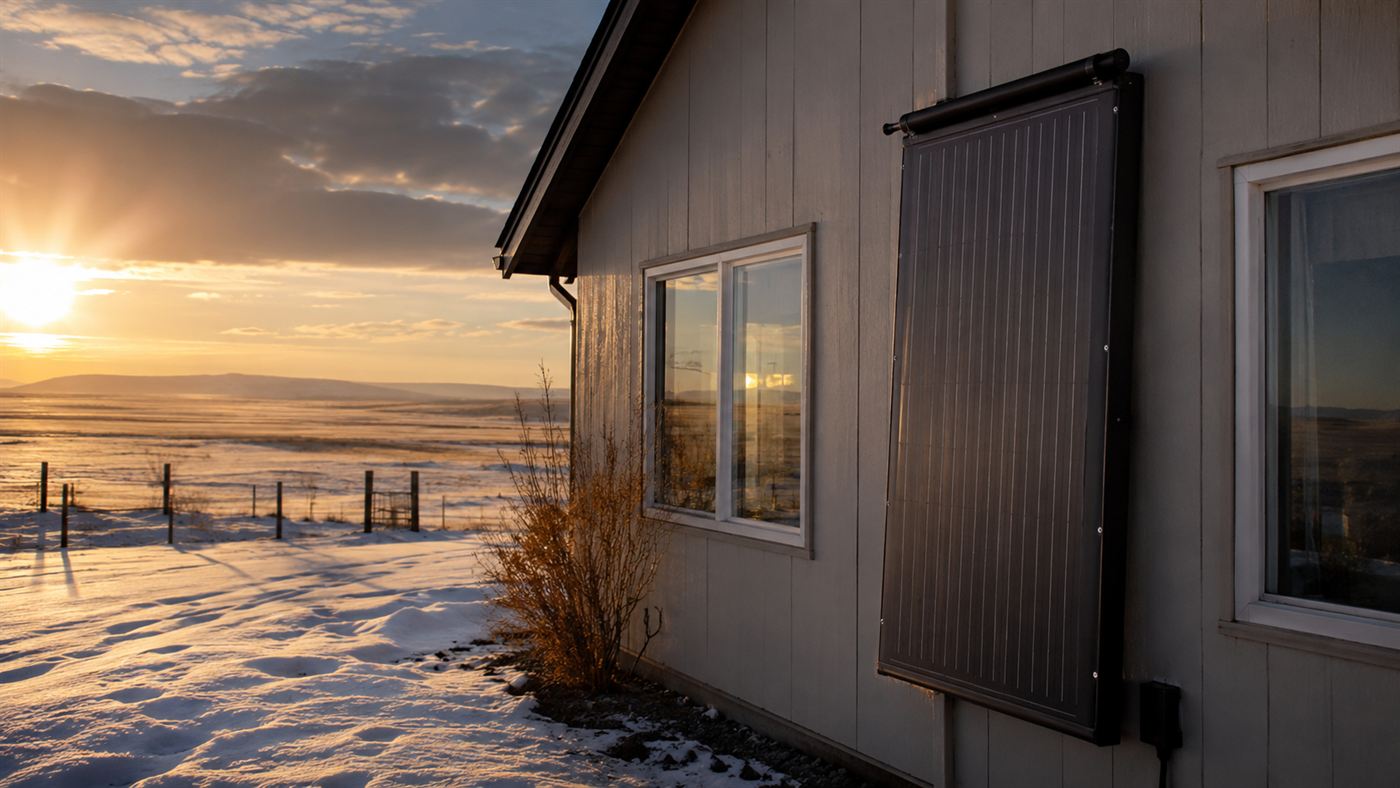
Working with the nonprofit Trees, Water & People, Lakota Solar Enterprises began building solar air heaters, simple wall-mounted panels that cost around 2,000 dollars installed.
A four-by-eight-foot collector warms air and a small blower pushes it into the house, trimming the punishing propane and wood bills of a South Dakota winter.
On a reservation where energy poverty is a matter of survival, not comfort, cutting a heating bill can be the difference between a warm home and a dangerous one.
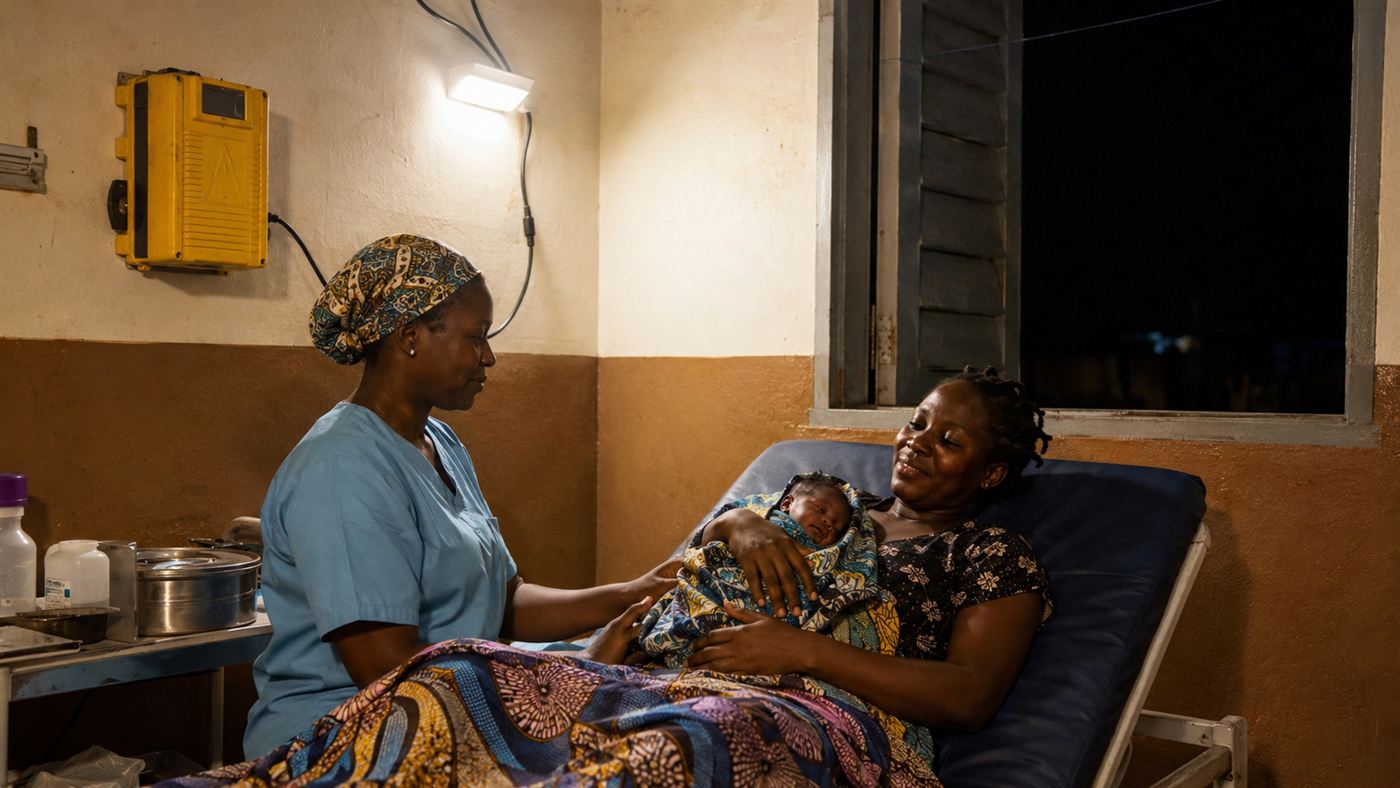
It is the same dignity-first logic behind the solar suitcase that brought light to maternity wards, technology aimed squarely at the people the grid forgot.
How Henry Red Cloud trains a thousand solar warriors
Red Cloud quickly realized that hardware alone was not enough.
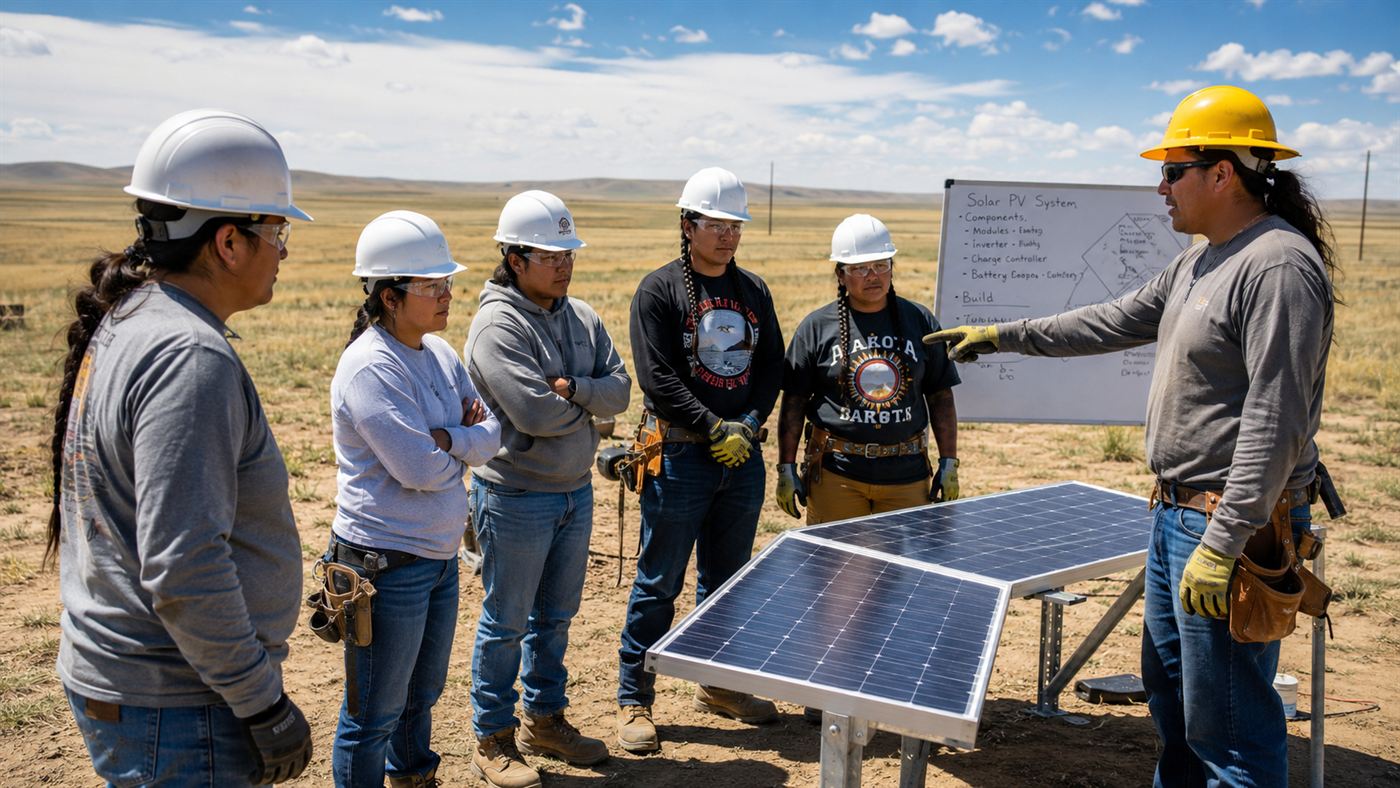
In 2008 he opened the Red Cloud Renewable Energy Center, a training hub where any Indigenous person could come and learn to install and maintain solar systems.
It has now trained more than 1,100 Native Americans as solar installers, the people he calls solar warriors, drawn from dozens of tribes across the country.
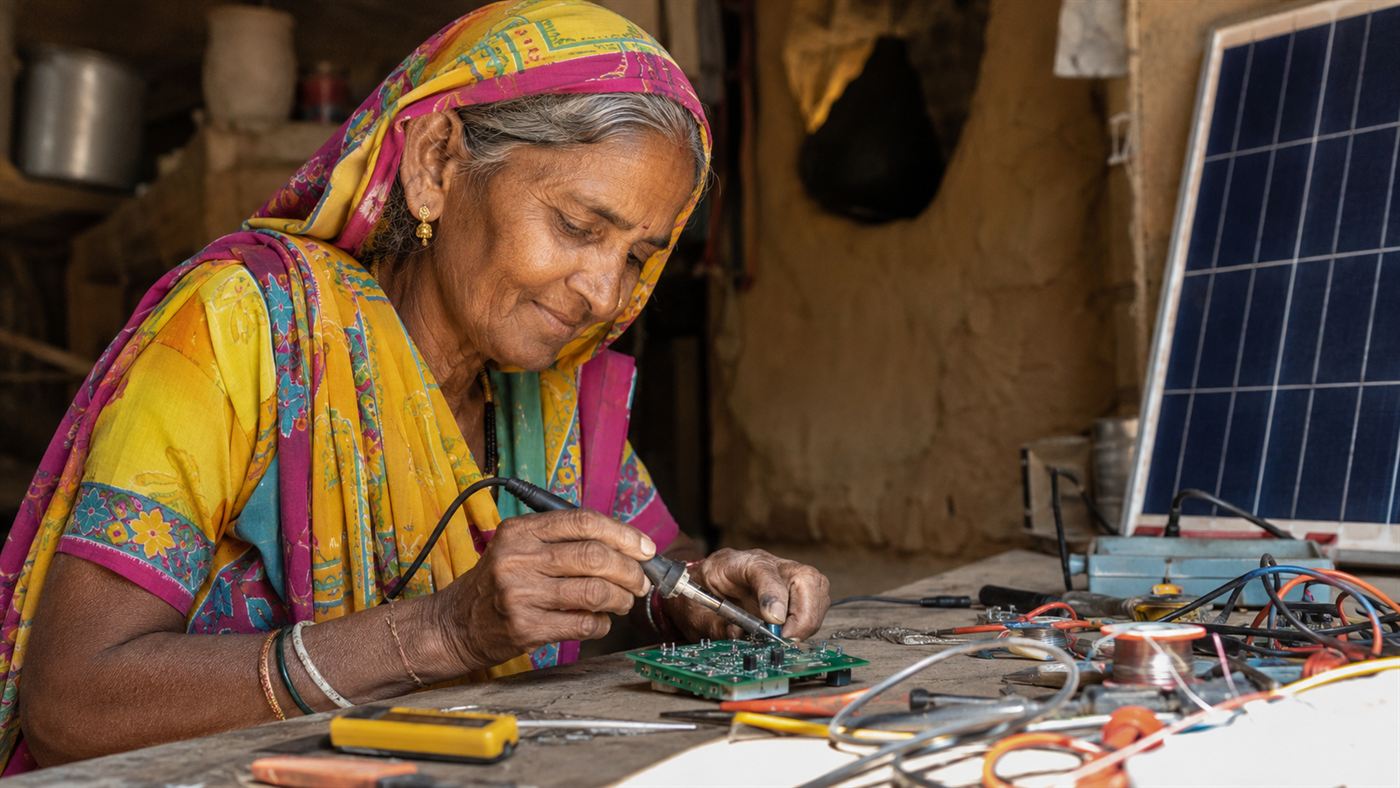
That mirrors the way Barefoot College trained rural grandmothers as solar engineers, betting that the best person to power a community is someone from inside it.
Every trained installer keeps skills, jobs and money on the reservation instead of sending them away.
Why this is about more than power bills
For Red Cloud the real prize is a word that carries centuries of meaning: sovereignty.
Tribes that make their own power depend less on distant utilities and federal programs, and that independence is its own kind of freedom.
The US Department of Energy has recognized him as an Indian energy champion for exactly that, treating clean power as a path to self-determination.
Solar also lands gently on land that many Lakota consider sacred, taking energy from the sky rather than tearing it out of the ground.
The honest catch
One man with a training center cannot undo generations of dispossession.
A solar air heater eases a winter bill, but it does not fix the deep, structural poverty or the housing and grid gaps that still leave many reservation homes underpowered.
The work leans heavily on nonprofits and grants, and its scale is still small against the size of the need across Indian Country.
Heating and training are a start, not full electrification, and the barriers of land law, capital and credit on reservations are stubborn and real.
What Red Cloud offers is not a cure but a model, proof that the people closest to the problem can also be the ones who build the way out.
Henry Red Cloud took the most famous name on the reservation and used it to do something his ancestor would recognize: protect the people and the land.
He just swapped the weapons for solar panels, the same instinct that drives low-tech lifelines like the clay-pot fridge that needs no electricity, meeting people exactly where the modern world left them.
Should clean-energy money flow first to the communities the grid skipped, and what would it take for every reservation to power itself? Tell us in the comments.