In Bangladesh the floods shut the schools every year, so an architect put the classrooms on solar-powered boats that sail to the children and bring the lessons to them
Every monsoon, a third of Bangladesh disappears under water, and the village schools close with it. An architect named Mohammed Rezwan decided that if the children could not reach the classroom, the classroom would come to them, so he built a fleet of boats that run on sunshine and dock right at the riverbank.
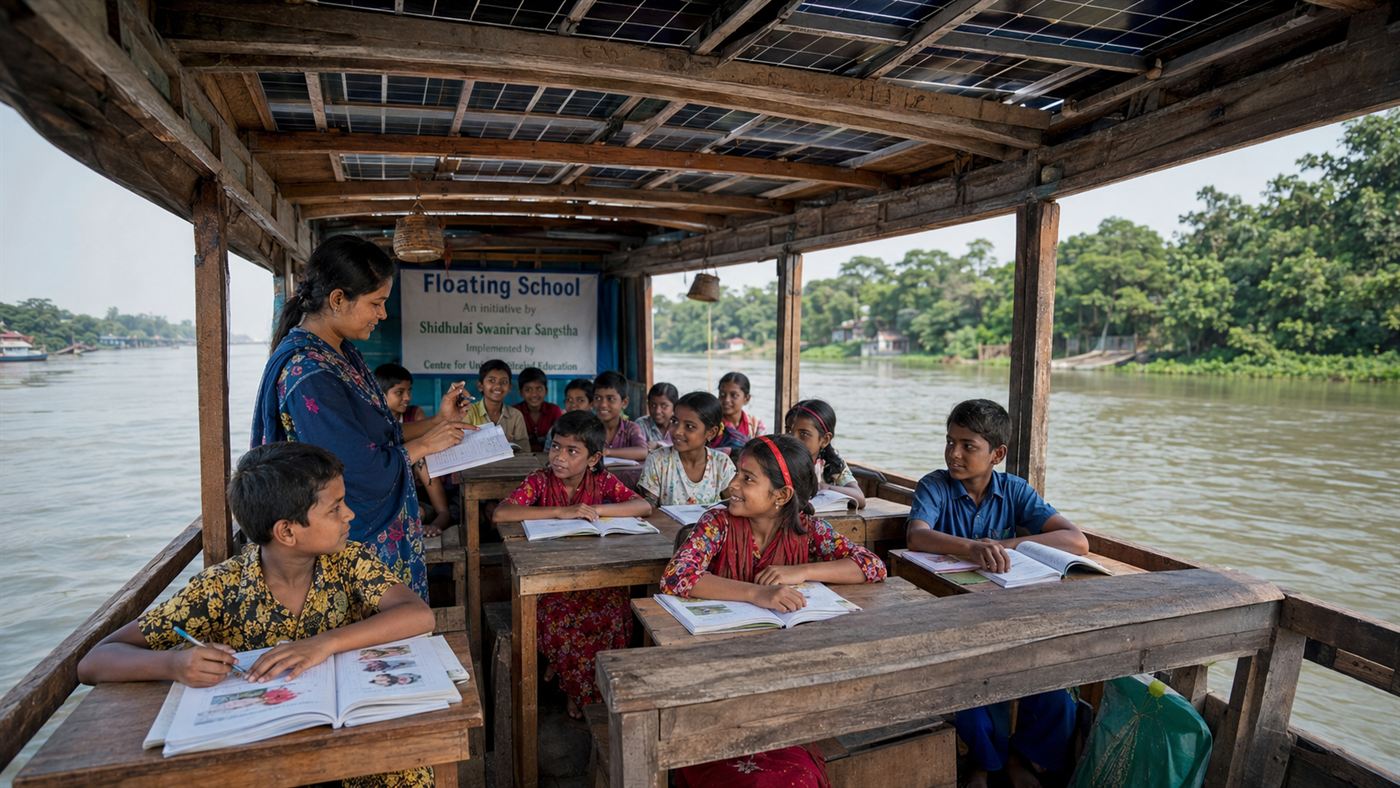
A floating classroom on the rivers of Bangladesh, powered by the panels on its roof. Illustration: Watts & Wild.
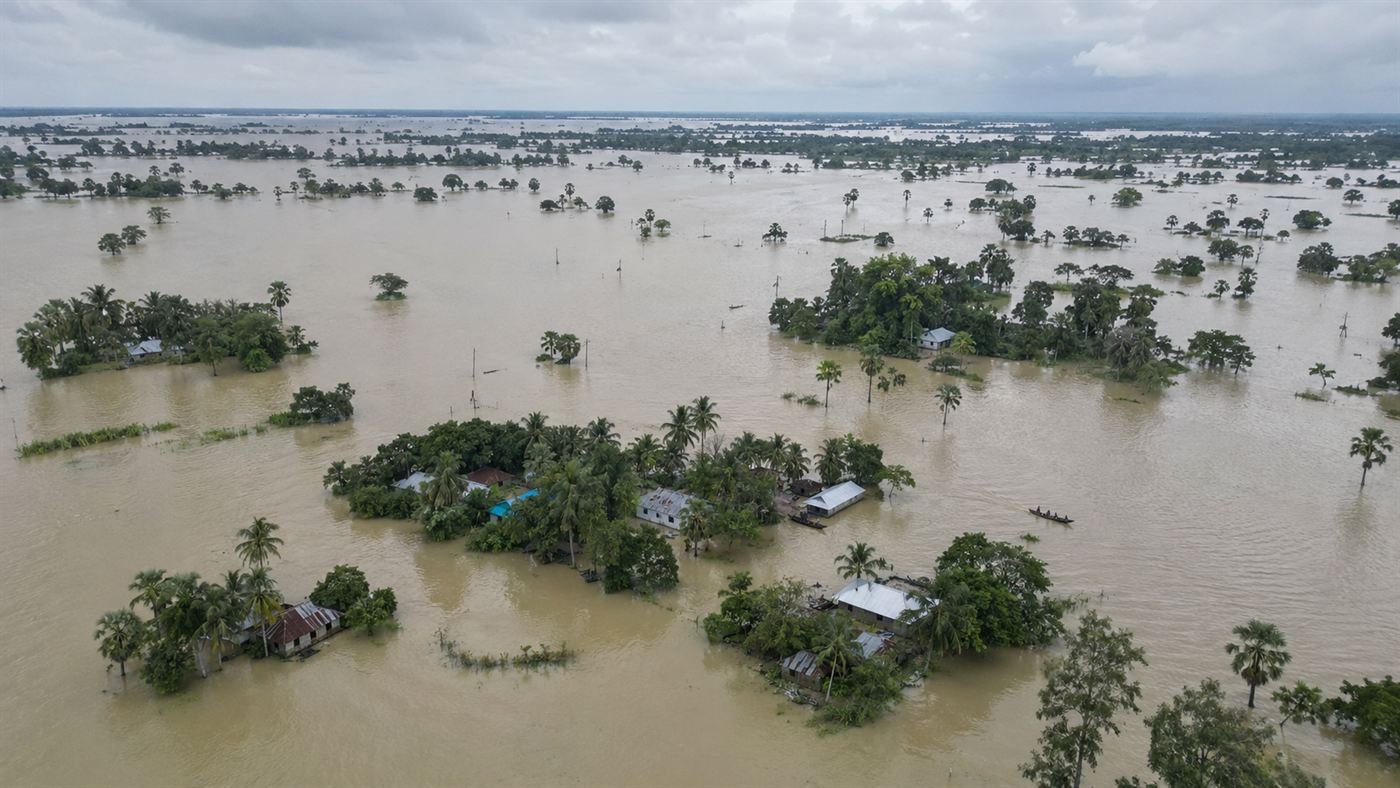
For millions of children in the wetlands of Bangladesh, the school year has an enemy: the flood. When the monsoon rivers rise, they swallow roads, fields and schoolhouses, and the children who live there, the girls most of all, simply stop going to class. For a country this low and this wet, losing months of school to the water was just how life worked, until floating solar schools started sailing up to the riverbank to meet the children where they are.
Mohammed Rezwan grew up in one of those flooded districts and trained as an architect, but instead of designing buildings the water would only drown, he asked a different question: what if the school could float? As the record of his project shows, in 2002 his organisation, Shidhulai Swanirvar Sangstha, launched the first boat that was a school, a library and a power source all at once, its roof covered in solar panels. Today there is a whole fleet of them.
The school that comes by boat
The idea is disarmingly simple.
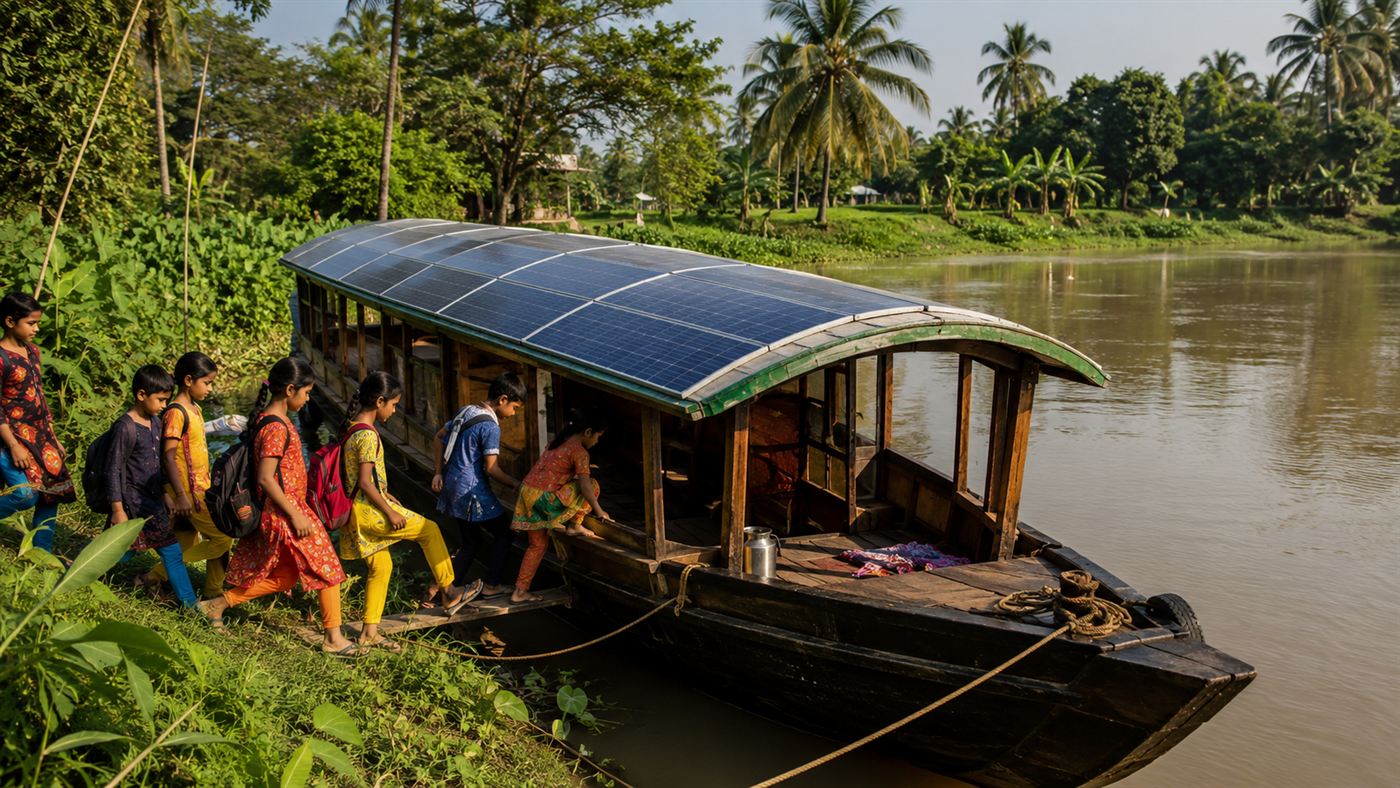
Each boat follows a set route along the river, pulling in at one village landing after another to collect the children waiting on the bank.
On board there are desks, benches and a small library, and a teacher runs lessons from the national curriculum while the boat is moored.
When the class is over, the boat carries the children back and moves on to its next stop.
A child who could never cross the flood to reach a school now simply steps aboard one as it arrives.
Powered by the sun, because there is no grid
None of it would work without the panels on the roof.
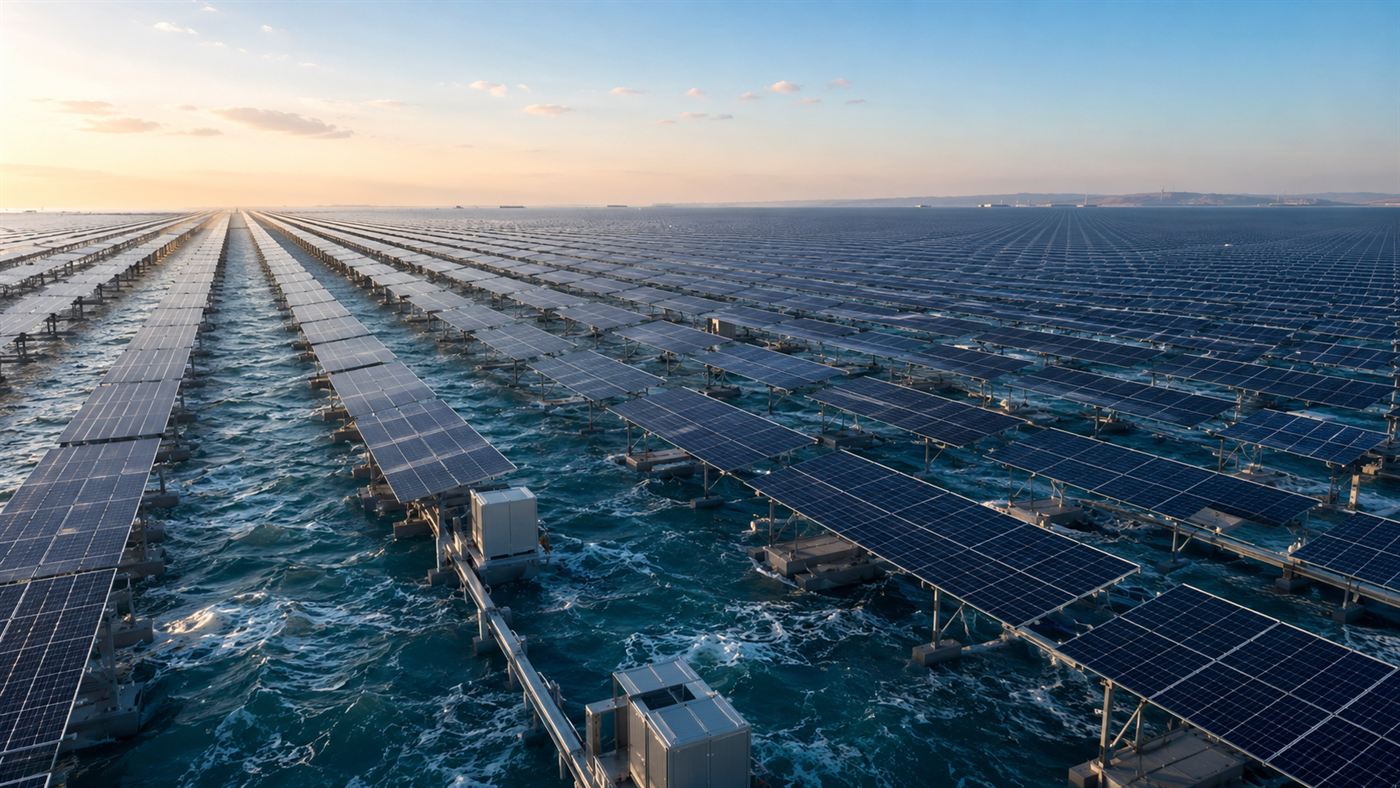
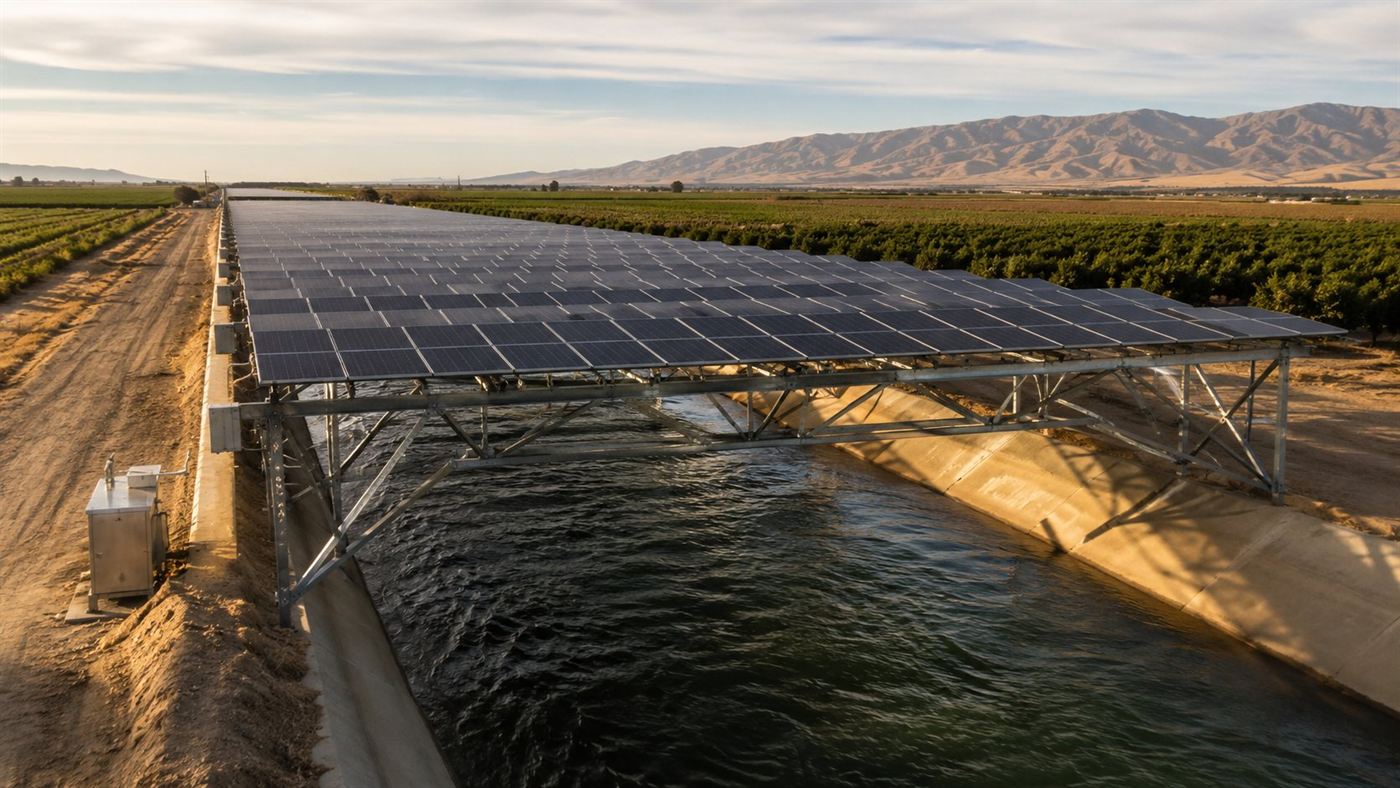
Many of these villages have little or no mains electricity, so each boat carries solar panels and batteries that run its lights, fans, computers and a wireless internet link.
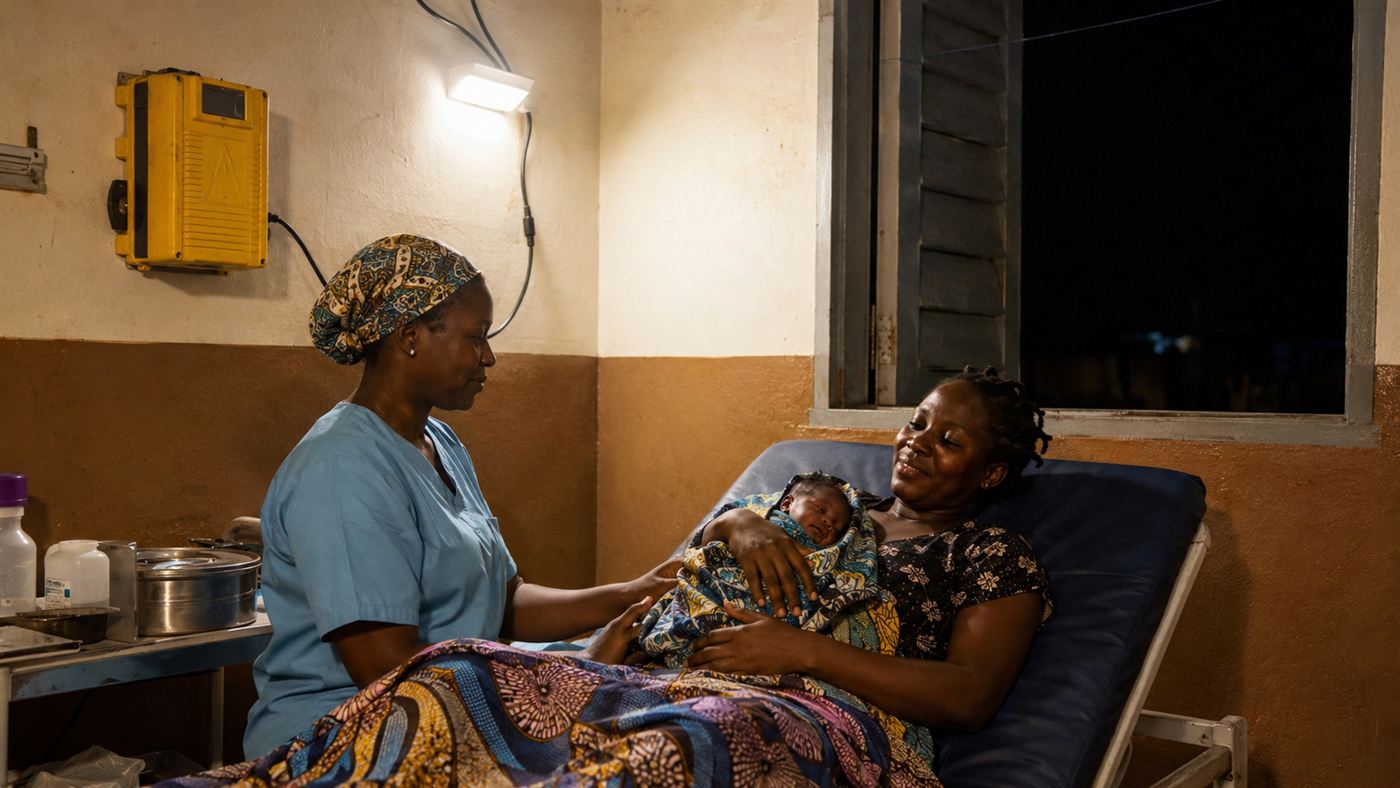
That turns a plain wooden boat into something a remote village rarely has: a lit, connected classroom that still works after dark and in the rain.
As the Borgen Project notes, Shidhulai also hands out solar lamps so children can keep reading at home long after the boat has moved on.
The sun, in other words, is what makes a floating school more than a nice idea.
From one boat to a network of floating solar schools
What began with a single boat has grown into a small navy.
As the project's figures show, Shidhulai now runs more than 100 boats that serve as schools, libraries and health clinics across the Chalan Beel wetlands.
They reach roughly 2,300 children every day, and the organisation says its boats touch the lives of around 160,000 people a year.
Since that first boat in 2002, tens of thousands of children have had their lessons on the water.
Rezwan's idea has won an Equator Prize and carried him to a fellowship at Yale, and copies of the floating school have since appeared in other flood-prone countries.
Why it matters most for girls
The flood does not fall on everyone equally.
When a school is hard or dangerous to reach, it is very often the girls who are pulled out first, kept home for safety or for work.
A boat that docks at the village landing erases the long, risky journey that keeps many of them out of class.
Independent studies of the floating schools have reported lower dropout rates and higher attendance wherever the boats run.
For a family weighing whether a daughter's education is worth the danger of the water, the boat quietly changes the answer.
The honest catch
It would be wrong to call the floating schools a cure, and Rezwan would likely be the first to say so.
They are an adaptation to a problem that is getting worse, not a fix for it, because the floods that make them necessary are growing more frequent and more violent as the climate warms.
A few hundred boats, however clever, cannot reach every child in a country where tens of millions live on land that floods.
The project leans on donations and grants, which makes its future less secure than its founder would like.
And it is a solution shaped for one kind of place, a watery delta, not a model that drops neatly onto dry ground somewhere else.
Still, on a river where the classroom used to vanish for months at a time, a boat with solar panels on its roof now slides up to the bank and lets the lessons carry on.
It is a reminder that sometimes the cleverest answer to rising water is not to fight it, but to float.
If the flood keeps coming back, should we keep rebuilding on dry land, or build more things that simply rise with the water? Tell us what you think in the comments.
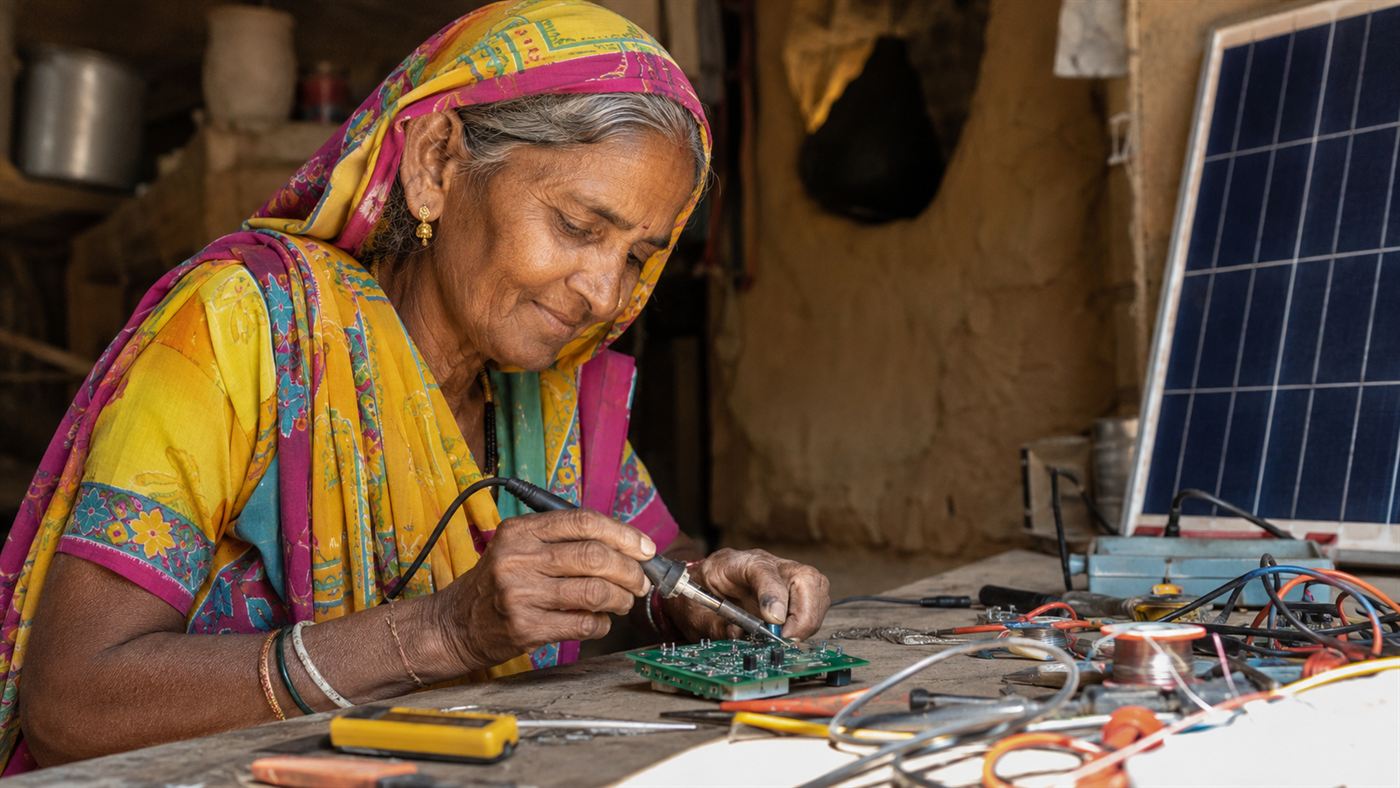
Related reading: A college in India trains illiterate grandmothers as solar engineers in six months, and they go home and bring electric light to villages that never had it.

Maria Heloisa Barbosa Borges covers energy, heavy industry and the natural world for Watts & Wild, with an eye for the people caught where engineering meets the wild.