The banana your grandparents ate was a different, tastier fruit that a fungus wiped out in the 1950s, and the fake banana flavor in candy is a ghost of that lost variety
There is a strange gap that people notice all the time: banana candy does not taste much like a real banana. The usual explanation is stranger still. The candy is not wrong, the fruit is. The banana those artificial flavors were chasing has all but vanished from the world, killed off by a fungus that is now coming for its replacement.
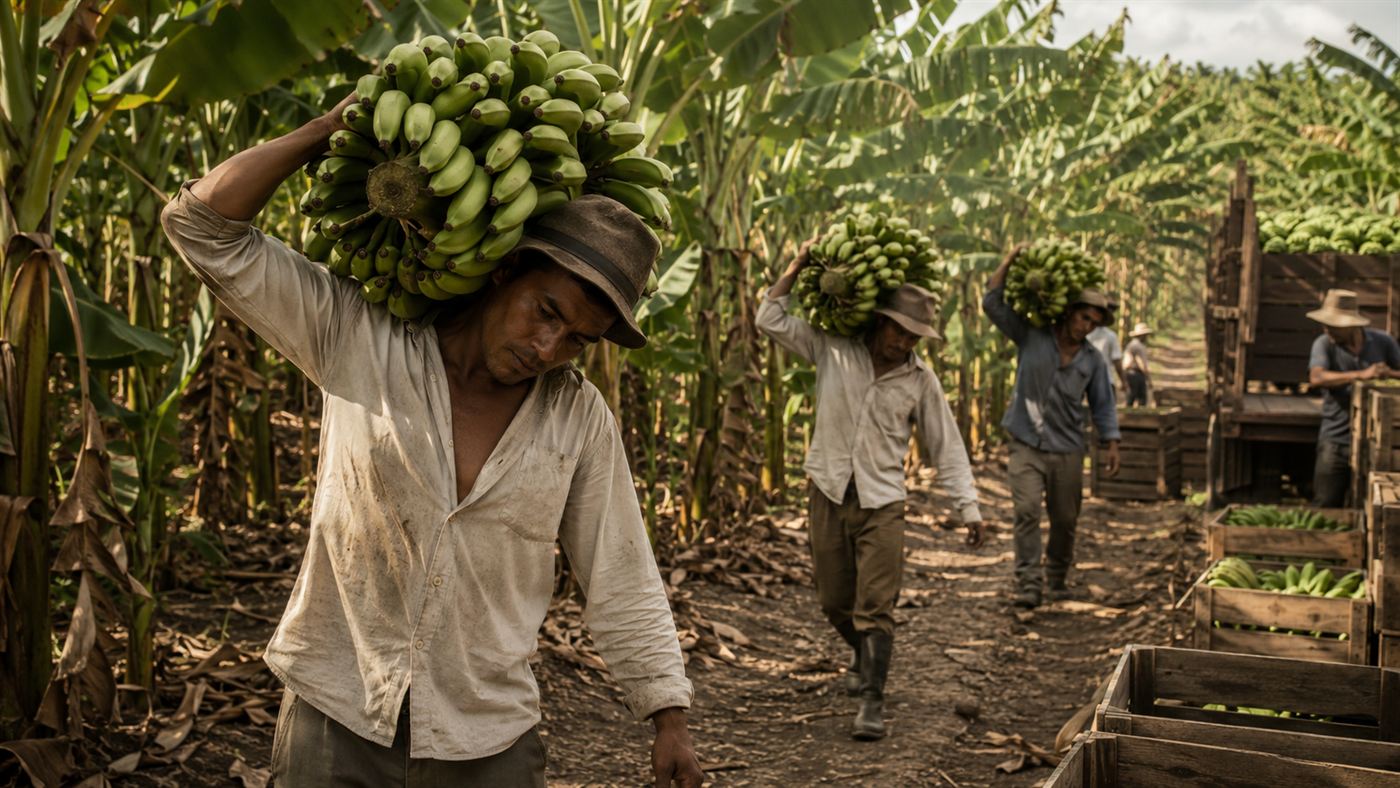
For half a century the Gros Michel was the banana of the world, until a fungus arrived. Illustration: Watts & Wild.
Until the middle of the twentieth century, the banana that filled American fruit bowls was not the one you buy today. It was a variety called the Gros Michel banana, nicknamed Big Mike, and by most accounts it was a better fruit: sweeter, creamier, more intensely flavored, and tough enough to survive long ocean voyages without bruising to mush.
Then it disappeared. Over a few decades a soil-borne fungus swept through the plantations of Central and South America and drove Big Mike out of the global trade almost entirely. What replaced it is the bland, dependable banana in your kitchen right now, and the story of how that happened is a warning we are busy ignoring all over again.
The short version: the Gros Michel banana ruled the world until a fungus called Panama disease wiped it out commercially by around 1960. Growers switched to the resistant but blander Cavendish, which is what we eat today. Now a new strain of the same fungus is attacking the Cavendish, and history is repeating.
How the Gros Michel banana ruled the world
The Gros Michel was the foundation of an empire. American firms, above all the United Fruit Company, built vast plantations across the tropics, along with railways, ports and fleets, to carry Big Mike to the north. Bananas became cheaper than apples, and United Fruit grew so powerful that it bent the politics of whole nations, giving us the loaded phrase "banana republic."
All of that rested on a single type of banana grown as a monoculture, endless fields of genetically identical plants. That sameness is what made the fruit so reliable and so profitable, and it is also exactly what left it defenseless when something learned to kill it.
How a fungus killed Big Mike
The killer was Panama disease, a fungal wilt that lives in the soil and chokes a banana plant from the roots up. It cannot be sprayed away, it lingers in the ground for decades, and against the Gros Michel banana it was merciless. Once it appeared in a field, that land was finished for Big Mike, and it spread from plantation to plantation across the Americas.
By around 1960, the Gros Michel banana was no longer commercially viable for export. It was not literally extinct, and small plantings survive here and there, but as the fruit of global trade it was gone. An entire industry built on one plant had watched that plant die underneath it.
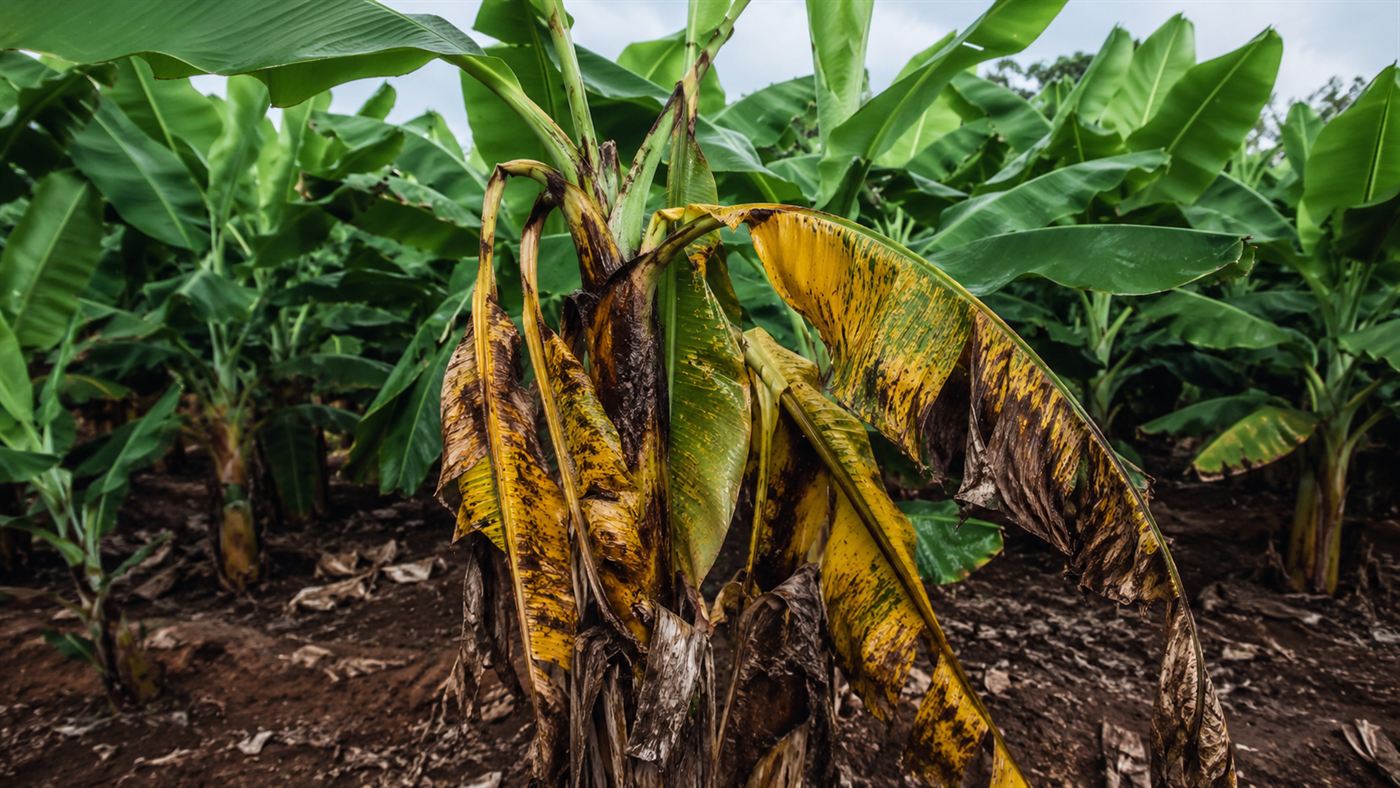
Why your banana is a clone with no defense
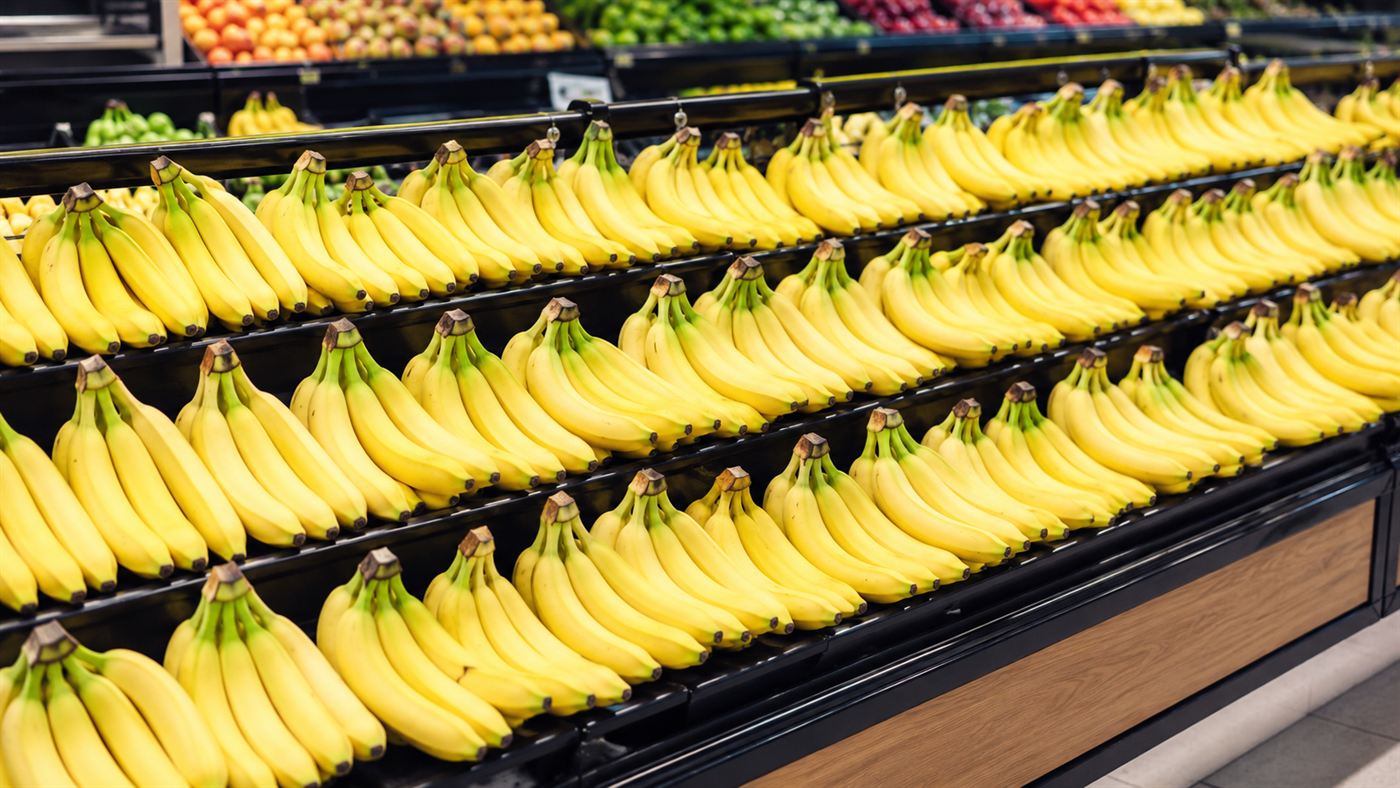
The rescue came from a variety the British had long grown in greenhouses, the Cavendish. It resisted the strain of Panama disease that had destroyed Big Mike, and it shipped well enough, so the industry rebuilt itself around it. Almost every banana in every supermarket on Earth is now a Cavendish.
Here is the uncomfortable part. Like the Gros Michel before it, the Cavendish is grown as a vast monoculture of identical clones, propagated from cuttings rather than seeds. That means it has almost no genetic variation to fall back on. The industry did not fix the flaw that doomed Big Mike, it simply replanted the same trap with a different plant.
Is the fake banana flavor really the ghost of Big Mike?
This is the part everyone loves, and it needs care. The Gros Michel really did contain more of the chemical isoamyl acetate, the compound that gives artificial banana its punchy, candy-shop smell, which is why so many people say the fake flavor is a memory of the lost fruit. Bite a banana Runt and you may be tasting Big Mike.
It is a wonderful idea, and it is at least partly true, but food scientists push back on the tidy version. Artificial banana flavor was being made before most Americans had ever eaten a fresh banana at all, so the flavor was not simply reverse-engineered from the Gros Michel. The truth is that the candy and the extinct banana share a taste, rather than one being a straight copy of the other.
The honest catch
The neat lesson is that we learned nothing, and that is mostly fair, but not the whole story. A new strain of the fungus, called Tropical Race 4, is now doing to the Cavendish what the old one did to Big Mike. It has spread across Asia and reached the major exporting regions of Latin America, and there is still no easy cure for a disease that lives in the dirt.
The difference this time is that we can see it coming, and science has tools the growers of the 1950s did not. Researchers are hunting for resistant varieties and even engineering bananas to survive the fungus. Whether that saves the Cavendish or simply buys time before the next monoculture falls, the banana keeps teaching the same lesson: sameness is efficient, and sameness is fragile.
The world already lost its favorite banana once, shrugged, and rebuilt the exact same vulnerable system with a new one. Would you pay more for a banana that came in five different varieties instead of one fragile clone? Tell us in the comments.
Related reading: the American chestnut, a giant of the eastern forest that another blight erased and scientists are now trying to bring back. See also how a town built a statue to the boll weevil that destroyed its cotton.