Two green-skinned children speaking no known language appeared in a medieval English village, and the truth behind the Green Children of Woolpit may be sadder than any fairy tale
The Green Children of Woolpit is one of England's oldest mysteries: a brother and sister with green skin who walked out of nowhere into a 12th-century village, spoke an unknown tongue, and would eat only raw beans. The likeliest explanation is not magic, but two lost, starving refugee children.
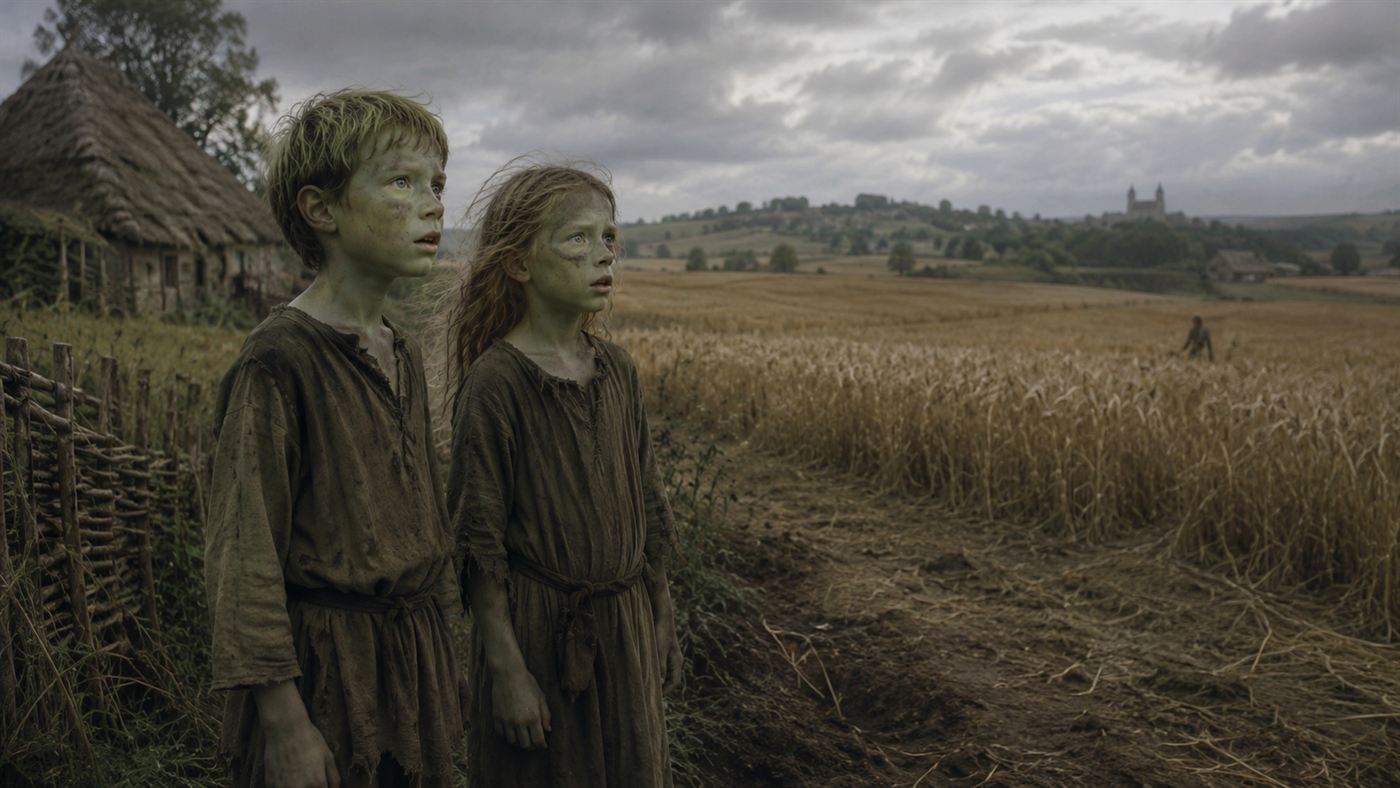
Two green-skinned children at the edge of the harvest, the heart of an 800-year-old riddle. Illustration: Watts & Wild.
The Green Children of Woolpit have haunted English folklore for more than 800 years. Some time in the 12th century, during the troubled reign of King Stephen, harvesters in the Suffolk village of Woolpit are said to have found two children at the edge of the fields, a boy and a girl, normal in every way but one: their skin was green. They wore unfamiliar clothes, spoke a language no one recognised, and at first would eat nothing but raw broad beans.
What happened next is the part that makes the story feel almost true. As Historic UK recounts the tale, the children were taken in and slowly adjusted: they learned to eat ordinary food, their green colour faded, and they picked up English. The boy, always sickly, died young, around the time the two were baptised. The girl lived on, grew up, and eventually told her hosts where they had come from, a strange, dim land where the sun never properly rose.
What is the story of the Green Children of Woolpit? In 12th-century England, two children with green skin reportedly appeared in the village of Woolpit, speaking an unknown language and eating only raw beans. Over time their colour faded and they learned English. The likeliest explanation is that they were lost, malnourished Flemish refugee children.
The Green Children of Woolpit and a land of twilight
According to the surviving accounts, the girl, once she could speak English, described a home unlike anywhere in England. It was a place of permanent gloom, she said, a green twilight where the sun never fully rose and where everyone, like her, had green skin. She and her brother had been tending their father's flocks when they followed the animals into a cavern, heard the sound of bells, and emerged, dazed and blinded by the sudden daylight, into the fields of Woolpit, where the villagers found them.
The girl's later life is recorded in surprisingly ordinary detail. She was baptised, worked for years as a servant, and is said to have married a man at King's Lynn, on the coast. That domestic ending is part of why the Green Children of Woolpit resists being dismissed as pure invention: the strange beginning is wrapped around a perfectly mundane medieval biography, as if a real person sat at its centre.
Who actually wrote it down
The tale survives because two respected medieval writers bothered to record it. One was Ralph of Coggeshall, abbot of a Cistercian abbey about 26 miles from Woolpit, and the other was the historian William of Newburgh, who was usually sceptical of marvels and admitted he hesitated to believe this one. Both wrote decades after the events were supposed to have happened, drawing on local memory rather than firsthand sight.
That gap matters. Nothing about the Green Children of Woolpit was set down at the time; the earliest versions come a generation or two later, by which point a real incident could easily have grown a coat of folklore. The two chroniclers also differ on details, the sort of drift you expect when a story has been told and retold around firesides before anyone writes it down.
The refugee explanation
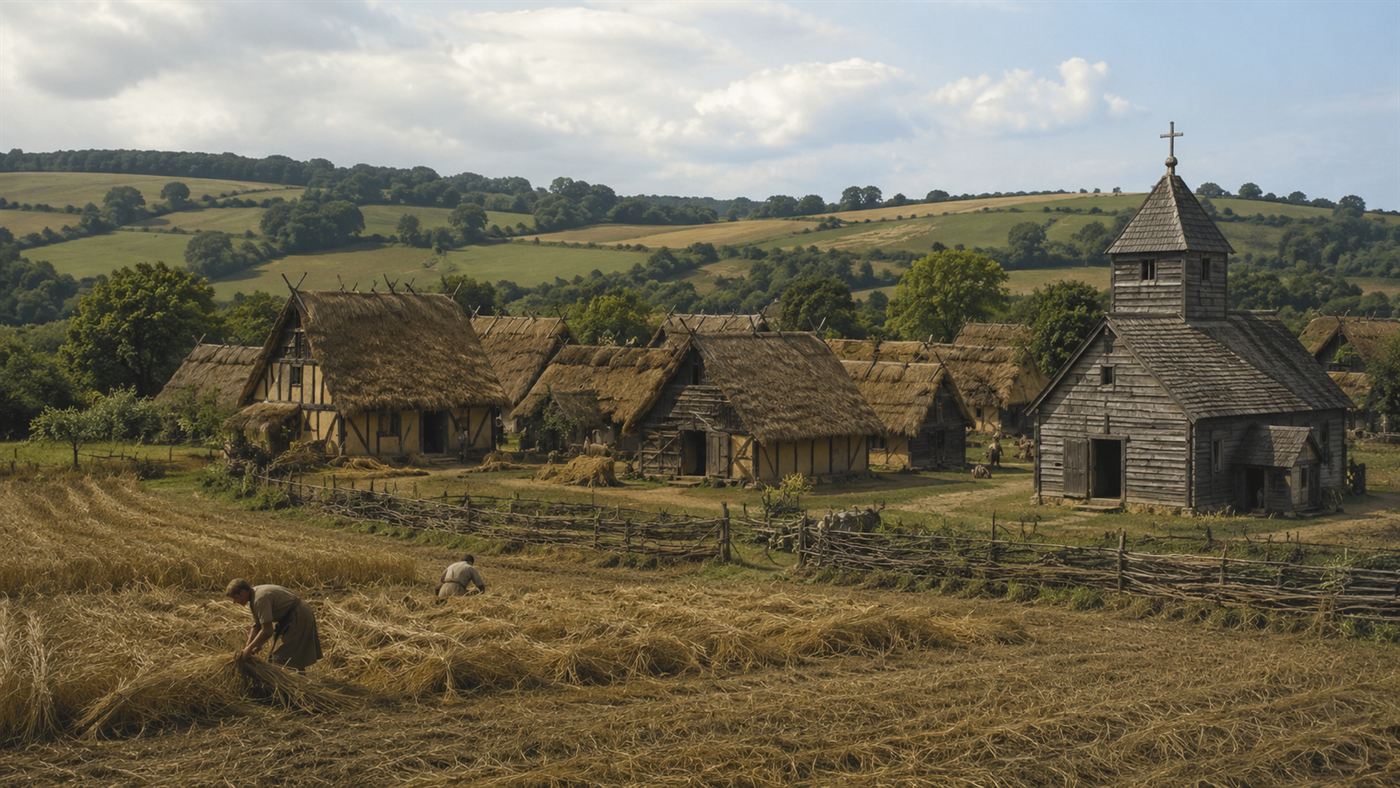
Strip away the fairy-tale framing and a grimly plausible story appears. Twelfth-century England had taken in waves of Flemish immigrants, and in the unrest of the period many were persecuted, displaced, or killed; Flemish mercenaries were slaughtered nearby at Fornham St Martin in 1173. Two Flemish children orphaned in such violence, lost and frightened in a strange country, would speak an unknown tongue, wear odd clothes, and behave exactly as the legend describes.
Even the girl's "land of twilight" may hide a real place. Some have noted that her account of St Martin's Land echoes Fornham St Martin, and that her tale of following cattle through a dark passage could be a child's memory of fleeing through woods or mineworkings, retold and softened over the years. On this reading the Green Children of Woolpit are not magical at all, but two traumatised refugee children whose true ordeal was buried under a more comforting myth.
Why were the children green?
The most stubborn detail, the green skin, has its own down-to-earth answer. Medieval and early-modern doctors knew a condition they called green sickness, now understood as chlorosis, a severe form of iron-deficiency anaemia that can give pale skin a faint greenish cast. Children who had been starving, surviving on little but raw beans, would be exactly the sort to develop it.
The theory fits the story almost too neatly. As the children began eating a fuller, richer diet, their anaemia would have eased and the green tint would have faded, which is precisely what the chroniclers say happened. The boy, weaker and more malnourished, did not recover and died; the girl did, and turned, over months, an ordinary colour. The miracle of the fading green may simply be the slow cure of a hungry child.

The honest catch
None of this can be proven, and it is fair to hold the rationalist story lightly. The sources are late, secondhand and contradictory, and the comforting Flemish-refugee-with-anaemia explanation is itself a modern guess, assembled to make a strange tale behave. It is entirely possible the legend is mostly literary invention with only a sliver of real event at its core, or none at all.
But that uncertainty is exactly why the Green Children of Woolpit endures. It hangs perfectly between the magical and the mundane: green enough to feel like a fairy story, human enough to feel like history. Whether they were visitors from a twilight world or just two hungry, frightened children who had lost everything, the pair walked out of the medieval fields and into eight centuries of wondering, and have never quite left.
Two green children walked out of the medieval English fields and into eight centuries of folklore, and the most likely truth, that they were lost, starving refugees, is somehow sadder than the fairy tale. Do you prefer the magical version of the Green Children of Woolpit, or the human one? Tell us what you think in the comments.
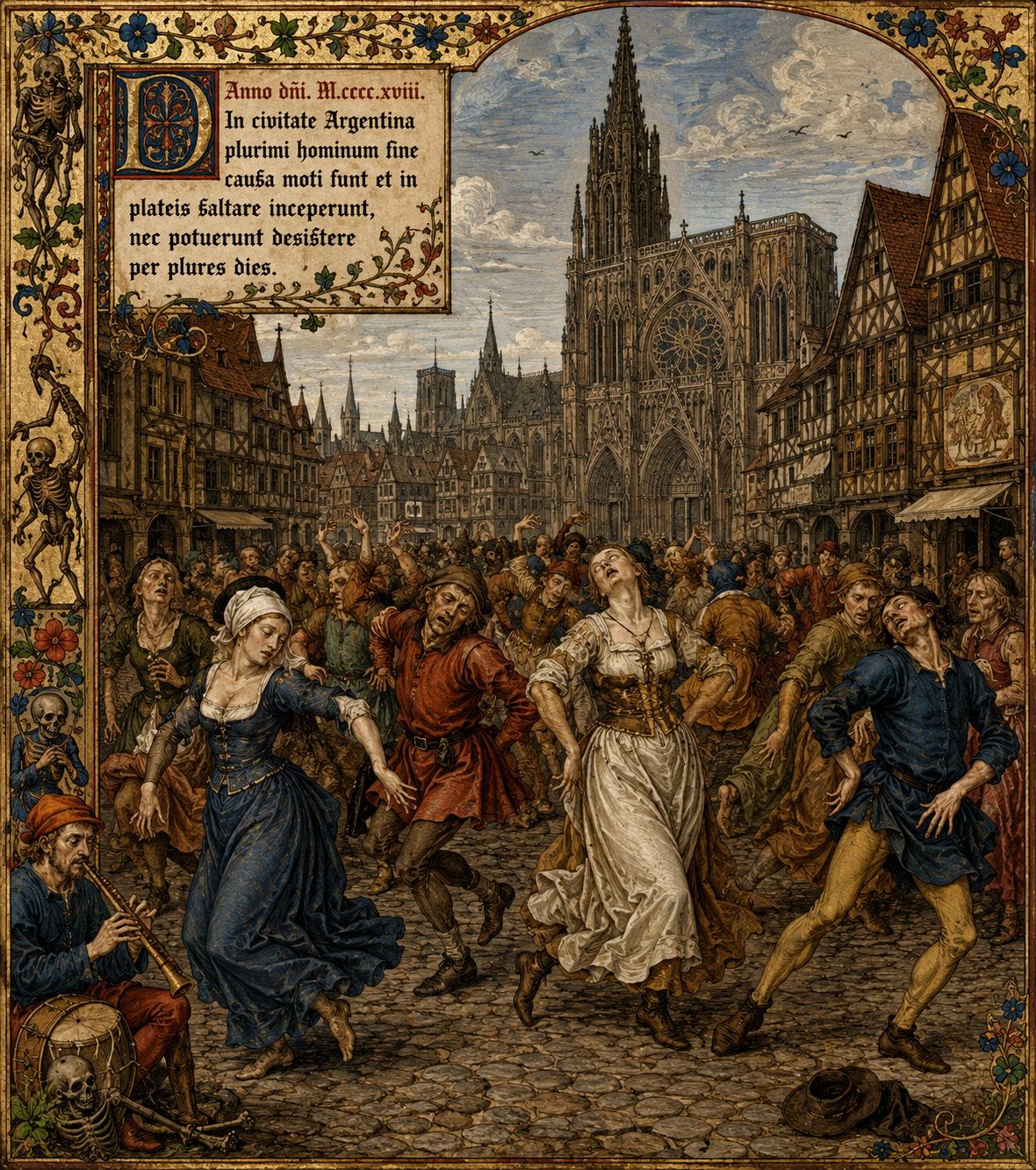
Related reading: The summer when hundreds of people in Strasbourg danced themselves to exhaustion, and possibly death.