America's biggest carmaker is quietly betting that the batteries of the future will be made from something as cheap as table salt
In June 2026, General Motors placed a bet that sounds almost too humble to matter: that the next great energy battery will run not on scarce, expensive lithium but on sodium, the same element in the salt on your kitchen table. If it is right, the timing could hardly be better, because America's grid is suddenly starving for cheap storage.
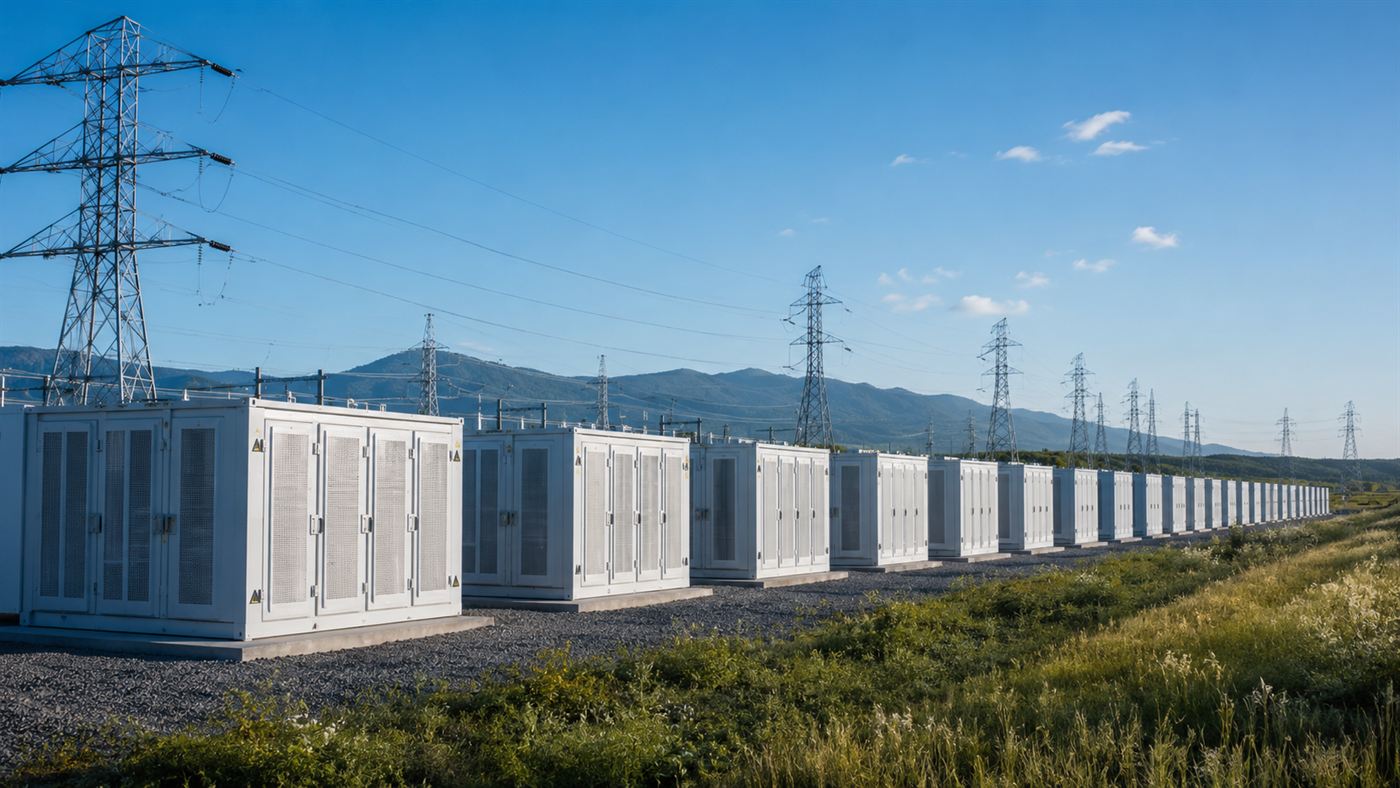
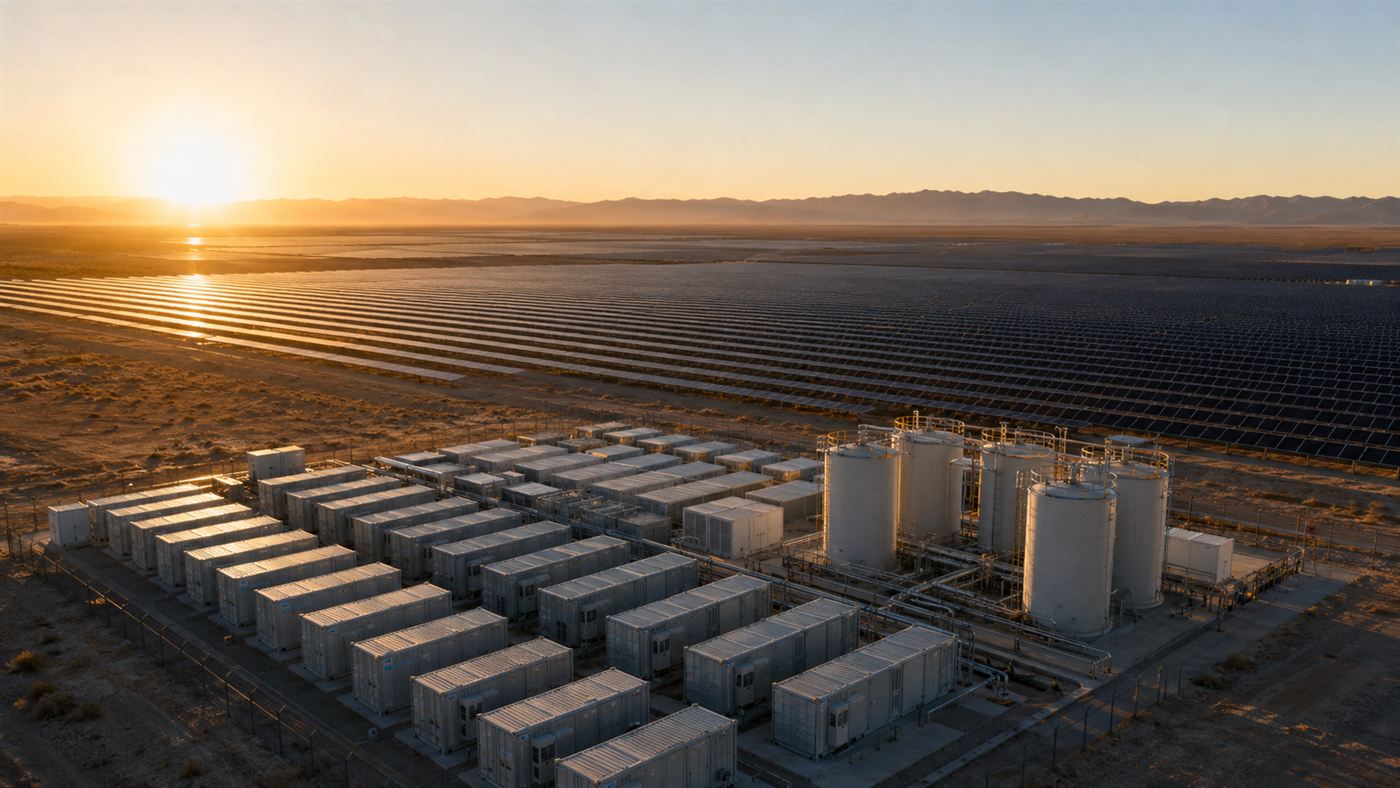
Grid-scale battery farms are the target for the new sodium-ion cells. Illustration: Watts & Wild.
On June 9, 2026, General Motors announced a partnership with a young American company called Peak Energy to develop sodium-ion batteries built specifically for the electricity grid. GM's venture arm took a stake in Peak, and the two say they will design cells at GM's Wallace Battery Cell Innovation Center in Michigan, aiming to have them ready for the market by around 2028.
It is an unusual move for a carmaker, because these batteries are not really meant for cars. They are meant to sit in rows of containers beside power stations and data centers, soaking up electricity when it is plentiful and cheap and pushing it back out when it is scarce. The whole point is to store energy for the grid, and to do it for less money than today's lithium packs.
The short version is that one of the world's largest automakers has decided the future of energy storage might be won not with the flashiest chemistry but with the cheapest, and the reason has as much to do with artificial intelligence as with batteries.
What sodium-ion batteries actually are
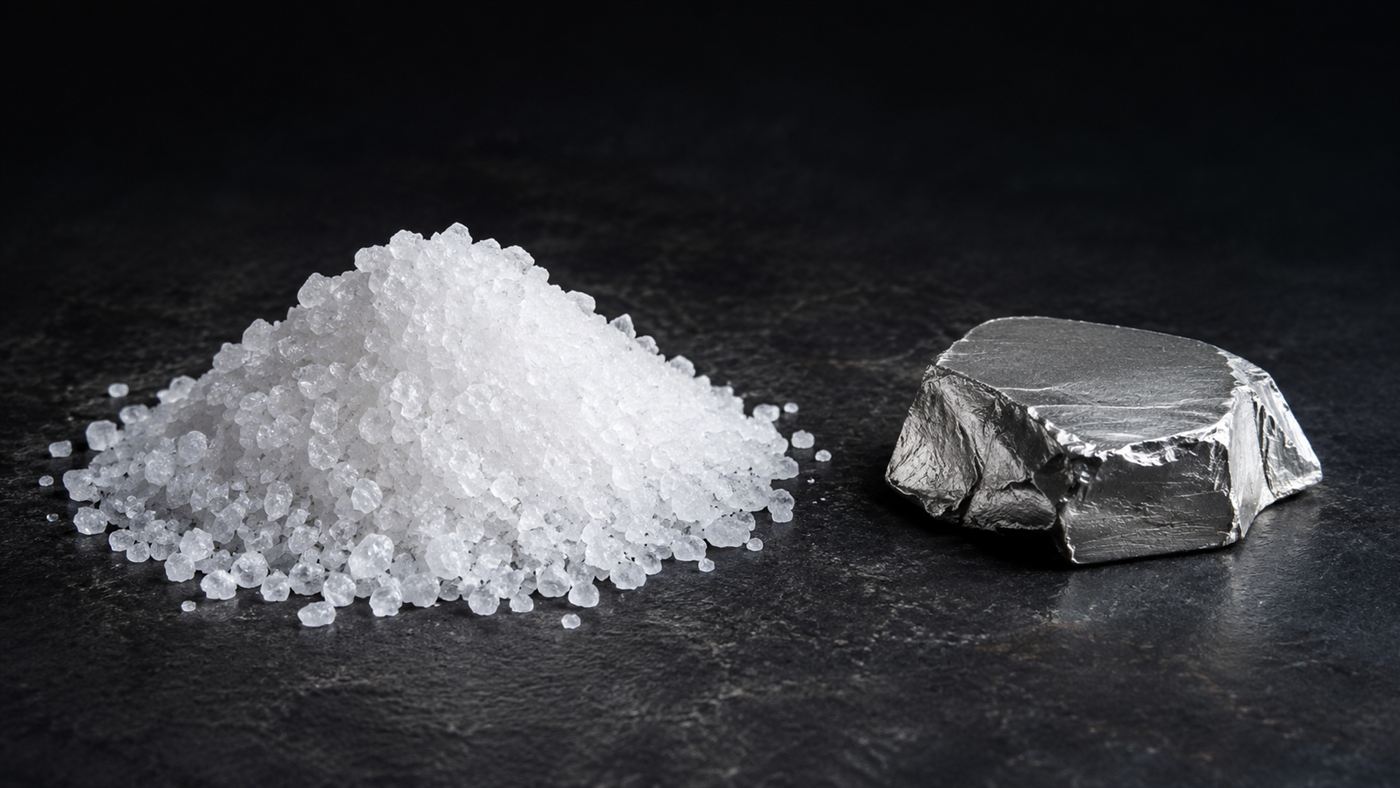
A sodium-ion battery works much like the lithium one in your phone, shuttling charged particles back and forth between two electrodes, except that it uses sodium in place of lithium. That swap matters, because lithium is relatively scarce, mined in a few places and prone to wild price swings, while sodium can be pulled from ordinary salt and is almost everywhere.
The trade-off is weight. Sodium-ion batteries store less energy for their size and mass than lithium ones, which is a serious problem in a car, where every kilogram costs range. But a battery bolted to the ground next to a power plant does not care how heavy it is, and there the cheapness and abundance of sodium suddenly become a huge advantage rather than a footnote.
Why General Motors wants a grid battery
The obvious question is why General Motors, a company that sells cars, would chase a battery designed to sit still. The answer is that grid storage is turning into one of the fastest-growing markets in all of energy, and a firm with deep battery expertise sees a chance to sell far more cells than its vehicles alone could ever use.
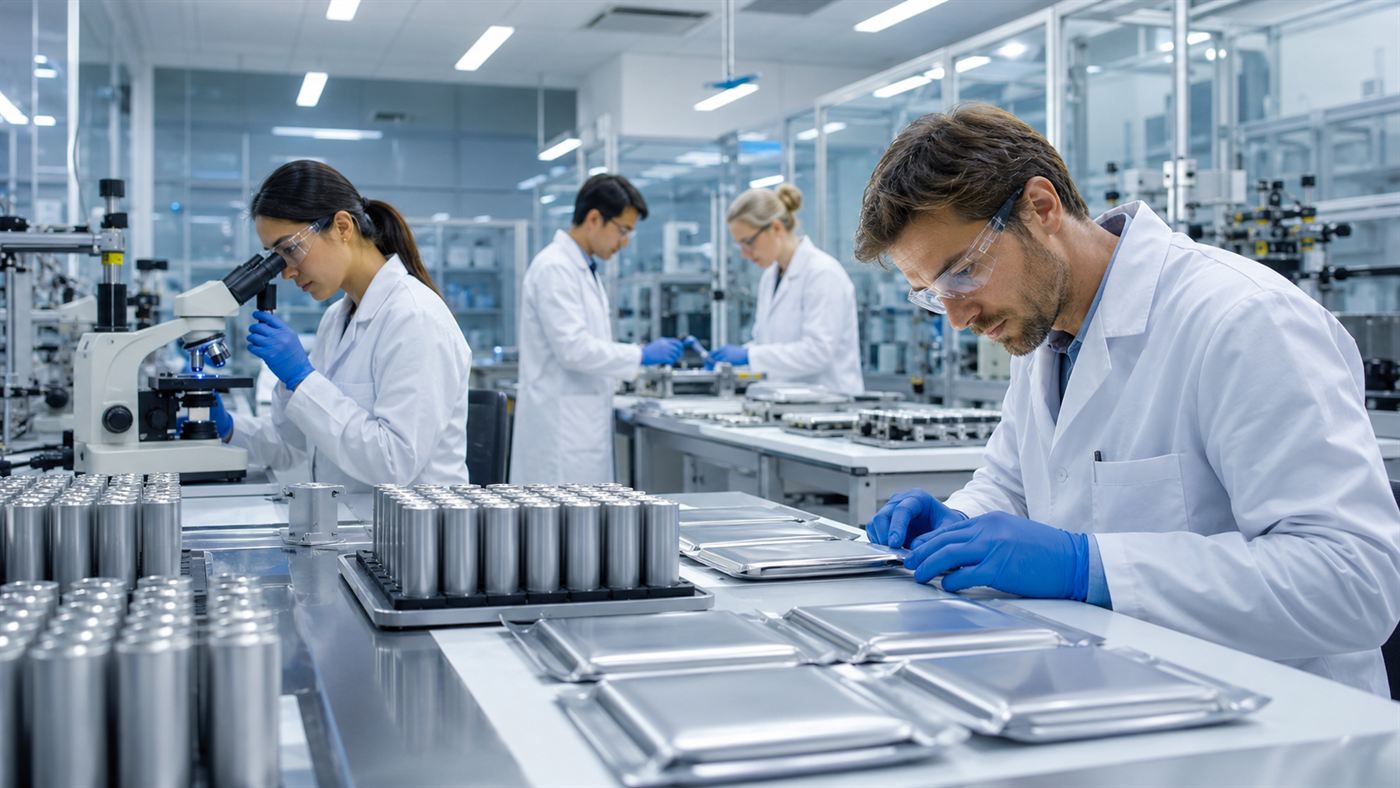
By pairing its cell know-how with Peak Energy's storage systems, GM says the combination can cut costs by around a fifth and run with very high reliability. The company plans to keep the manufacturing rights to the cells and to announce a US factory, reportedly able to make several gigawatt-hours of batteries a year, later in 2026.
The AI hunger driving it all
None of this would be happening so fast without a force that has almost nothing to do with batteries: the explosive growth of artificial intelligence. The data centers that train and run AI models devour staggering amounts of electricity, and utilities are scrambling to feed them without letting the rest of the grid buckle.
That scramble has made cheap, large-scale grid storage precious, because batteries can bank power in quiet hours and release it when demand spikes. Grid operators added record amounts of storage over the past two years, and the appetite is still growing, which is exactly the wave GM and Peak Energy are trying to ride with a battery the market can afford in bulk.
Is this really new, or just hype?
It is fair to be sceptical, because sodium-ion batteries are not a fresh invention, and some of the excitement is running ahead of the reality. Chinese giants such as CATL are already mass-producing sodium-ion cells, and versions have started to appear in vehicles and storage abroad, so GM is joining a race rather than starting one.
The numbers around the GM plan are also targets, not results. The promised cost savings, the factory, the 2028 date, all lie in the future and could slip, as battery timelines often do. What is genuinely notable is not that sodium-ion is brand new, but that a company the size of General Motors is now treating it as a serious business rather than a laboratory curiosity.
The honest catch
The easy version of this story is a triumphant one, a clean, cheap, salt-based battery riding to the rescue of a strained grid, and there is real substance behind it. Sodium is genuinely abundant and cheap, the technology genuinely works, and using a lighter demand for lithium could ease some of the mining pressure that lithium extraction brings. Those are not small things.
But the catch is worth naming. This surge of interest is being driven largely by the enormous electricity appetite of AI, which means these batteries are partly a bandage on a problem that technology itself is creating, not a pure environmental good. And a cheaper battery makes it easier to build more of everything, clean and otherwise. The salt battery may well help power the future. It is worth remembering that a big part of what it is being built to feed is our own runaway demand.
Sources: Peak Energy and General Motors partnership announcement, CNBC, and the IEA Global Energy Review 2026.
One of America's great carmakers is betting the grid's future on a battery cheap enough to build by the mountain. Would you rather the future ran on the best battery we can make, or the cheapest one we can build enough of? Tell us what you think in the comments.
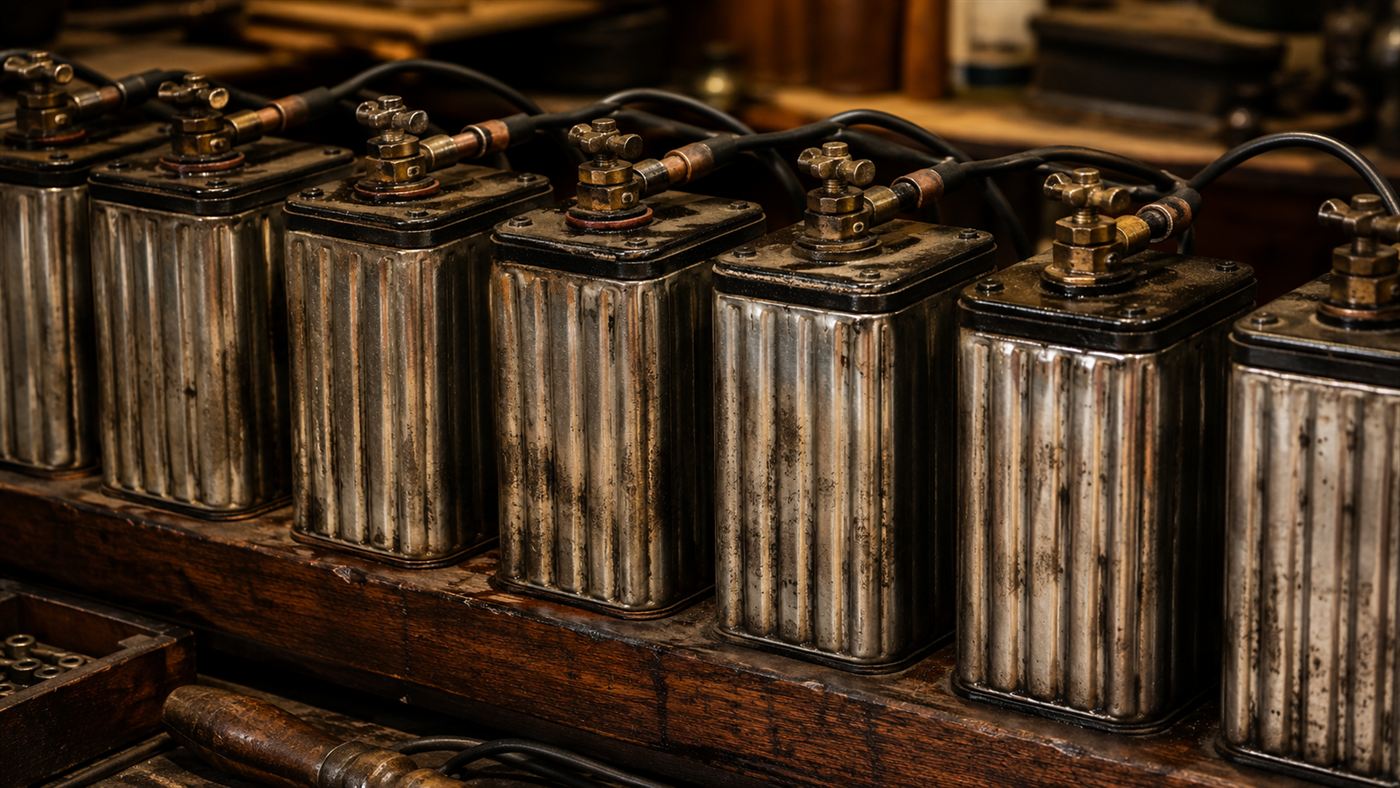
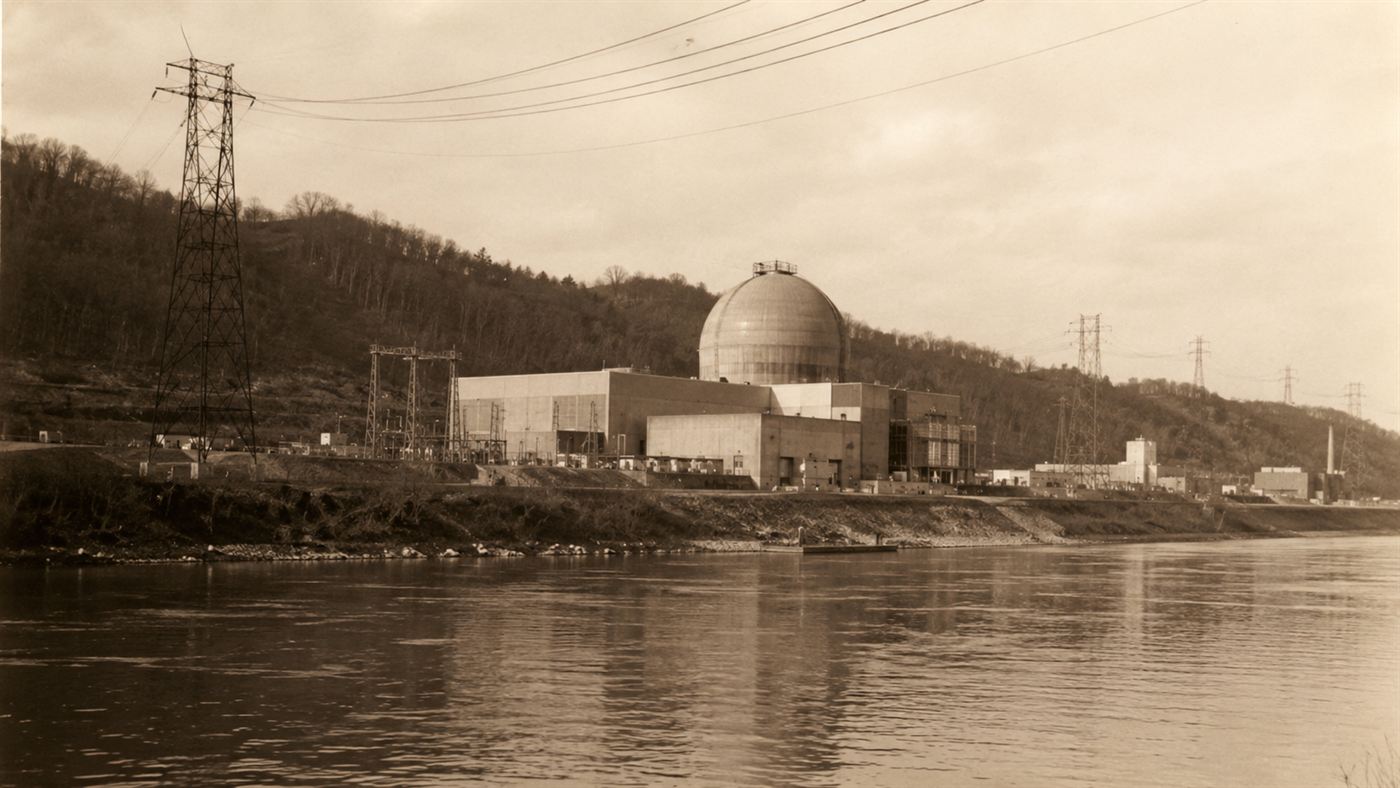
Related reading: the giant vanadium flow batteries China is building for the grid. See also the Edison battery, a rugged old chemistry that refused to die, and Shippingport, an earlier bet on the future of American power.