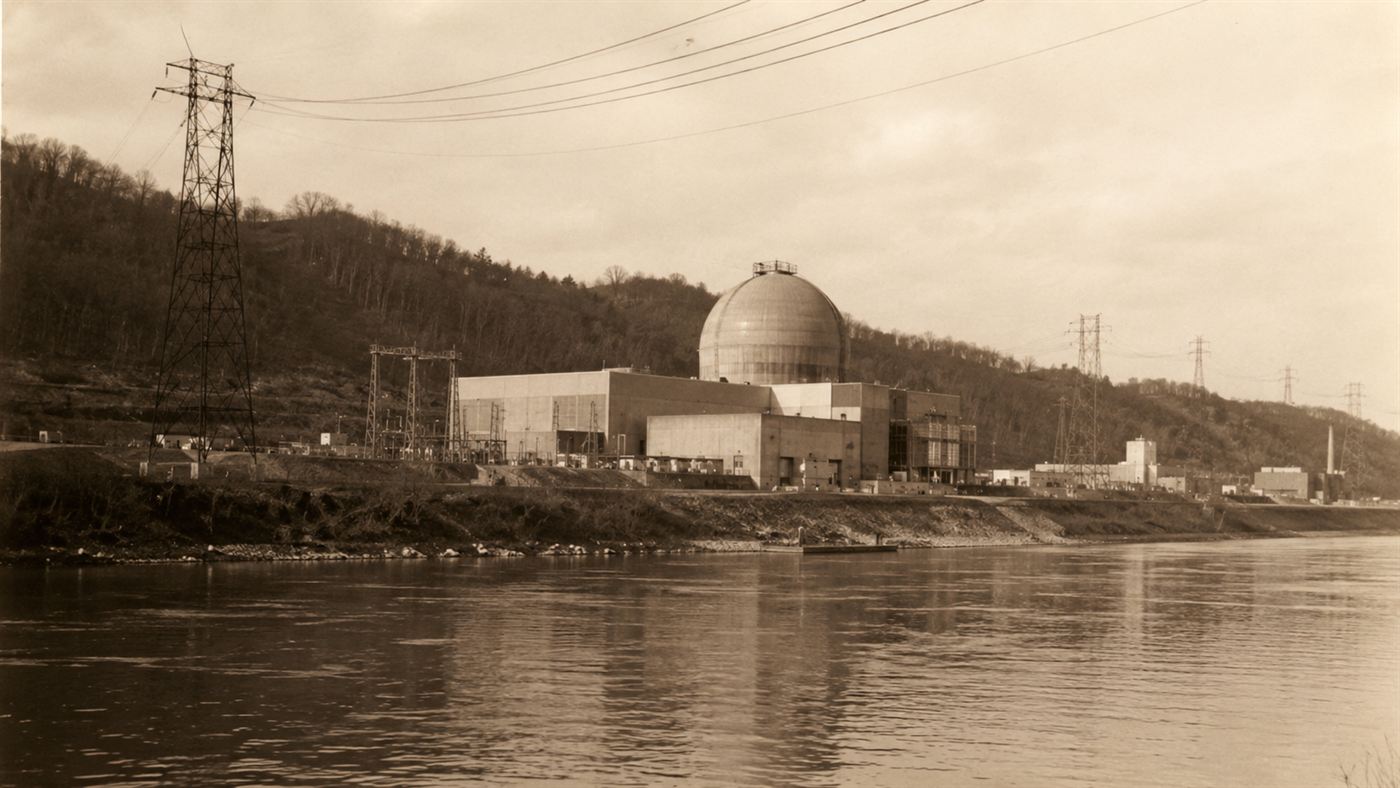
A reactor built to be the future of atomic power partly melted down near a major city in 1966, brought down by the very part meant to keep it safe
It was supposed to be the machine that solved nuclear power forever, a reactor that made more fuel than it burned. Instead, one autumn day in 1966, it began to melt from the inside, and the thing that broke it was a safety device someone had bolted in to prevent exactly that.
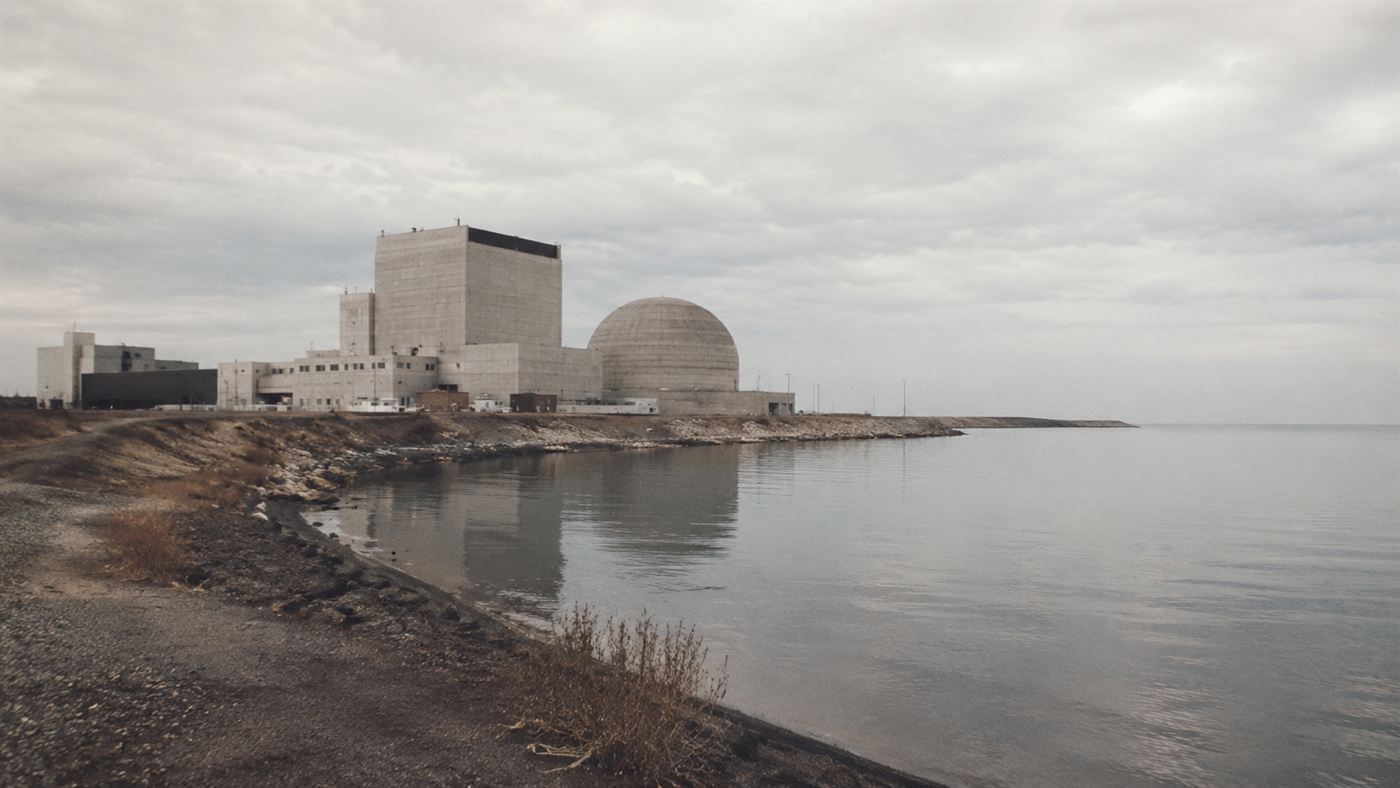
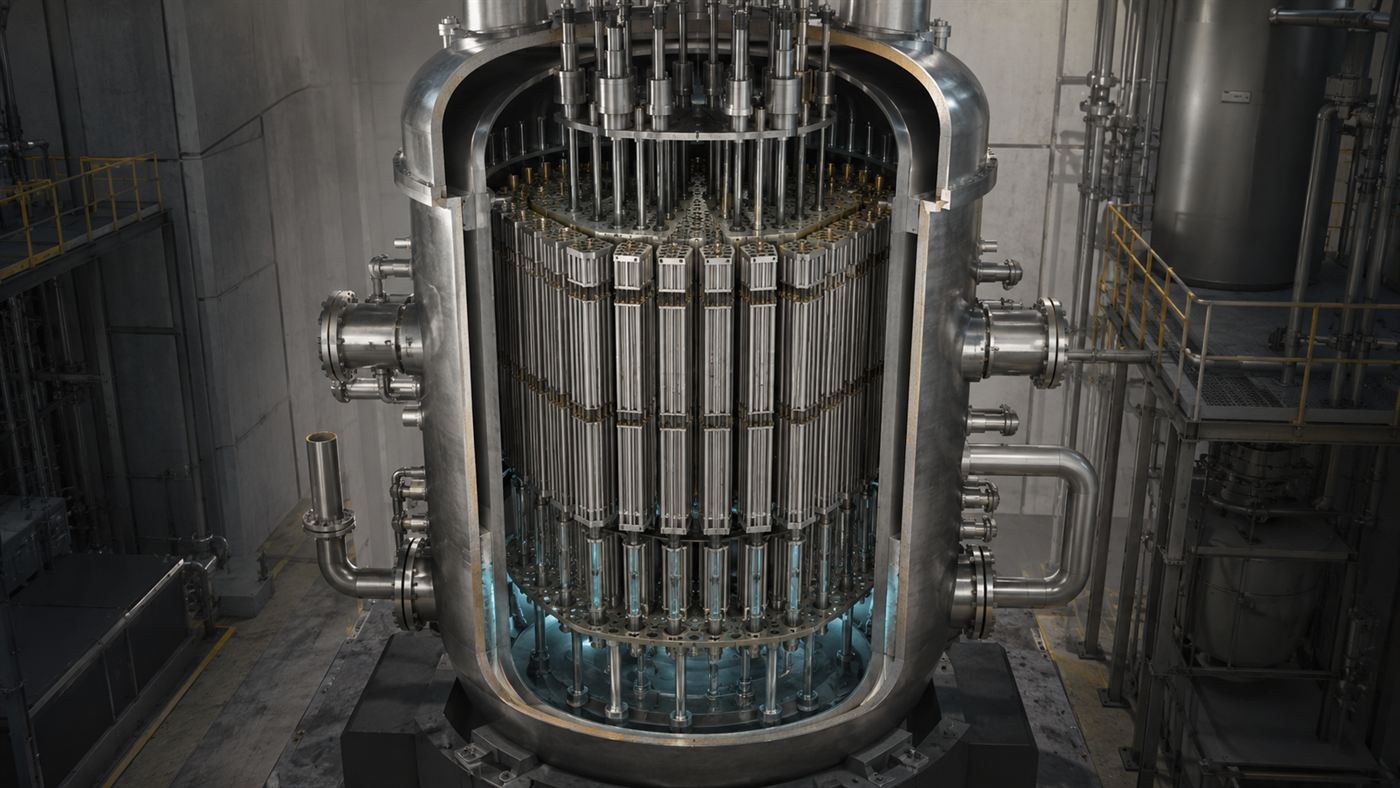
Fermi 1 sat on Lake Erie, about 30 miles from downtown Detroit. Illustration: Watts & Wild.
On the shore of Lake Erie, a little over thirty miles from downtown Detroit, stood a reactor called Fermi 1. It was not an ordinary power plant but an experiment, a fast breeder reactor, designed to do something that sounded almost magical: produce more usable nuclear fuel than it consumed, promising a nearly endless supply of energy.
To its backers it was the future of atomic power made real, a bold leap past the plain reactors of the day. Cooled not by water but by liquid metal, it was complex, costly and full of promise, and a great deal of the American nuclear dream was riding on machines like it.
The short version is that on October 5, 1966, Fermi 1 partly melted down, that it was betrayed by its own safety engineering, and that the story people remember about it is both more frightening and less true than what really happened.
What a breeder reactor was meant to do
The appeal of a breeder reactor was almost too good to believe. An ordinary reactor uses up its fuel, but a breeder is arranged so that its reactions convert surrounding material into fresh, usable fuel as it runs, in theory generating more than it starts with. For a nation worried about running out of uranium, that looked like a path to limitless power.
The price of that trick was complexity. To run hot and fast enough, Fermi 1 was cooled by liquid sodium, a metal that carries heat superbly but reacts violently with air and water and must be handled with enormous care. The reactor was a delicate, demanding machine, and it was being asked to do something no one had truly mastered.
The day Fermi 1 melted
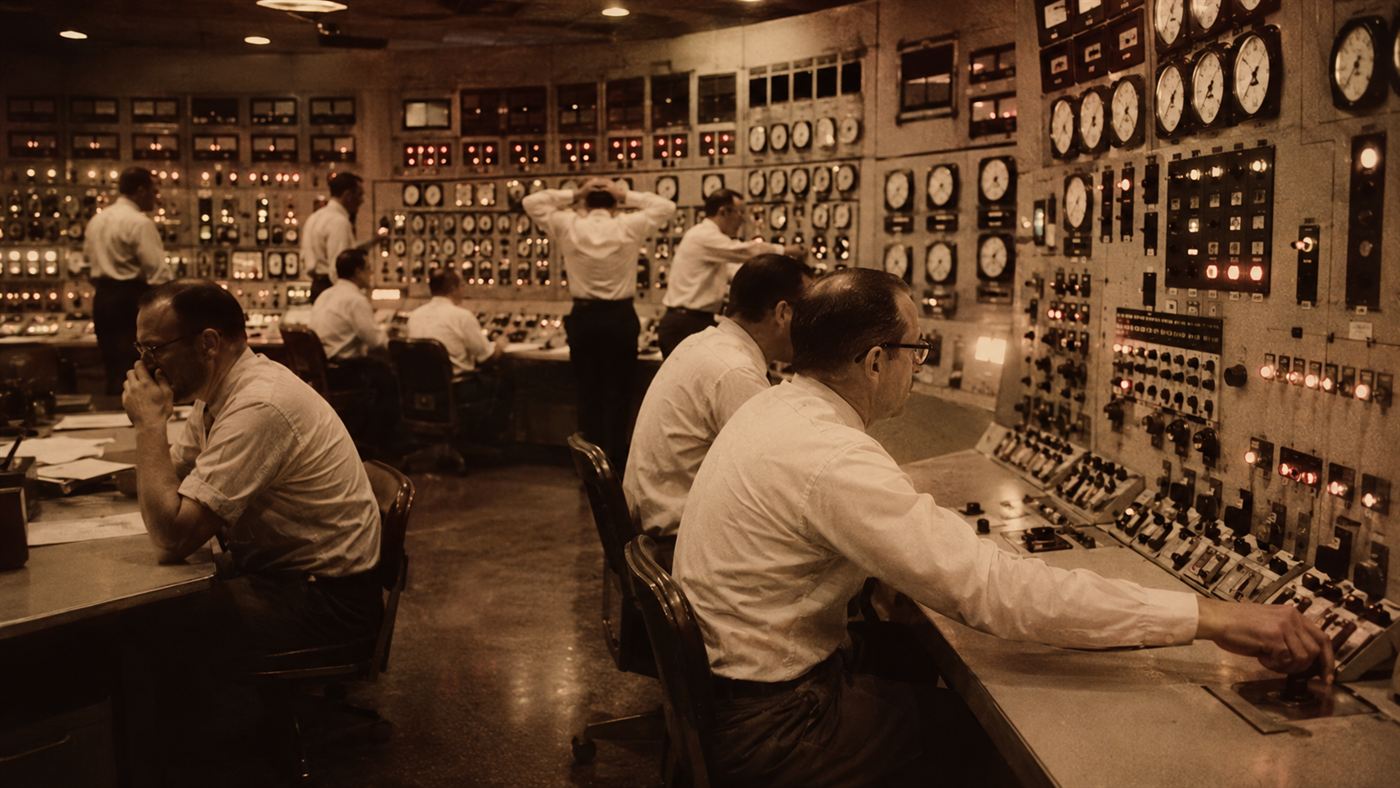
As the reactor was being brought up in power that October, operators saw the signs of trouble: temperatures climbing where they should not, and then radiation alarms. Something was choking the flow of cooling sodium to part of the core, and starved of coolant, a section of the fuel had grown hot enough to melt.
The crews shut the reactor down, and the containment did its job, holding the contamination inside so that nothing reached the people outside. But within the vessel, fuel assemblies had been damaged and partly melted, and it would take a long, tense investigation even to work out what had gone wrong.
The safety part that caused the disaster
The culprit, when it was finally found, was bitterly ironic. Engineers had fitted the bottom of the reactor with metal plates meant as a safety feature, there to help catch and spread any molten fuel if the worst happened. One of those very plates had worked loose inside the machine.
Carried by the flowing sodium, the stray piece of metal lodged against the base of the core and blocked the coolant from reaching some of the fuel. In other words, the part installed to guard against a meltdown was the exact thing that triggered one. The reactor had, in a sense, been undone by its own caution.
Did we really almost lose Detroit?
Years later a popular book seized on the accident with the unforgettable title We Almost Lost Detroit, and a famous song followed, fixing the phrase in the public mind. It painted the event as a city that came within a whisker of annihilation, and it is the version most people half-remember today.
The truth is more measured. The containment held, no radiation escaped to the public, and the kind of catastrophe the title imagines was not actually at hand. Fermi 1 was a serious partial meltdown, not a near-apocalypse, and the gap between the real event and its terrifying legend is a lesson in how nuclear fear takes on a life of its own.
The honest catch
That does not mean the alarm was foolish, and here the honesty has to cut both ways. Fermi 1 really did melt part of its core beside a great city, a fast, sodium-cooled reactor really is a dangerous thing to get wrong, and the accident exposed how far the breeder dream had run ahead of anyone's ability to control it. Calling it harmless would be its own kind of lie.
The deepest catch is what the meltdown did to the future, not the city. Fermi 1 was patched up and briefly restarted, but it never worked well and was shut for good within a few years, and the glittering promise of the breeder reactor faded with it. The machine that was supposed to give America endless power instead became a quiet monument to how a technology sold as the certain future can stall, undone by its own complexity and a single loose piece of metal.
A reactor sold as limitless energy was crippled by the very plate meant to keep it safe, then wrapped in a legend bigger than the accident itself. Does a scare that turns out overblown still teach us something worth keeping? Tell us what you think in the comments.
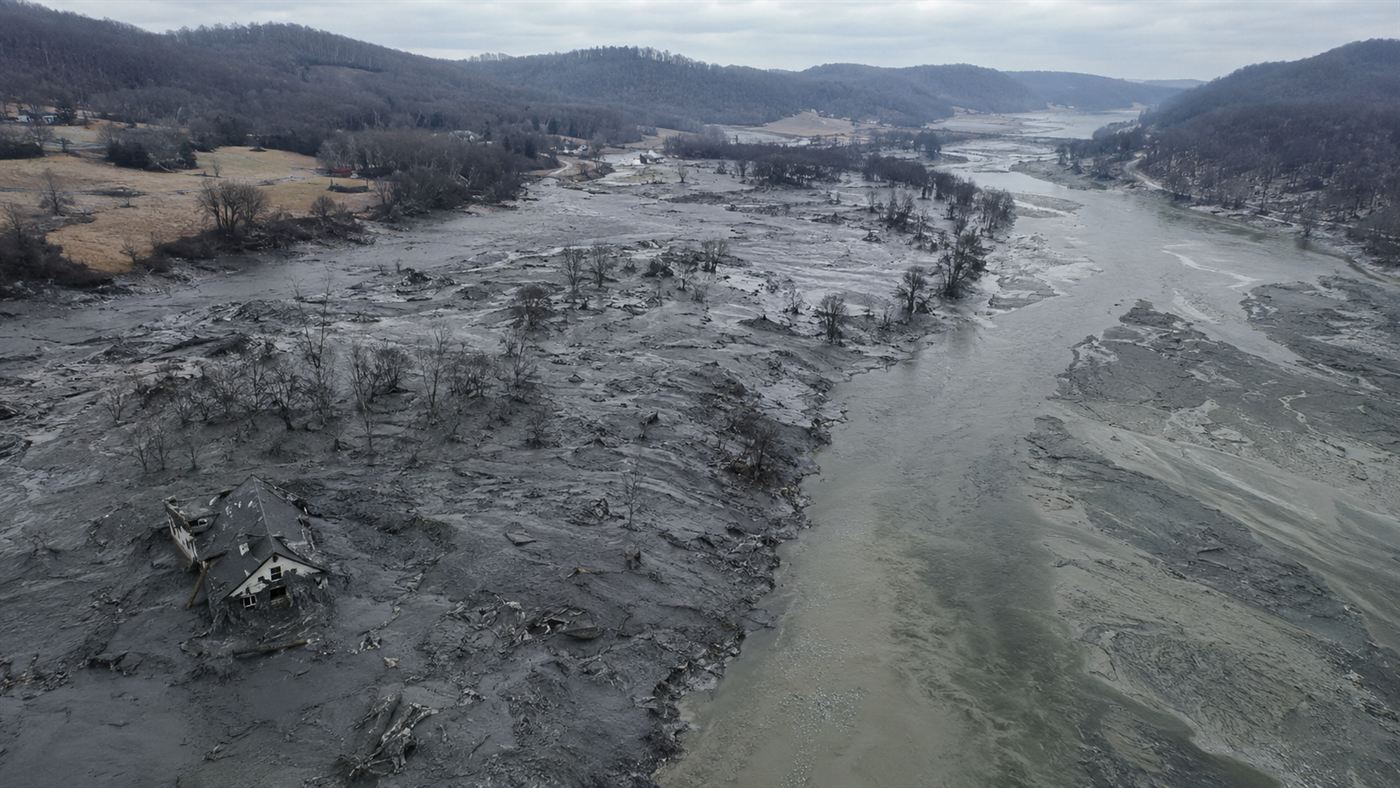
Related reading: Shippingport, the first US reactor and the first taken cleanly apart. See also Three Mile Island, the accident that froze American nuclear power, and the Kingston coal ash flood, an energy disaster of a very different kind.