He saved lives in a smoke-filled tunnel, then was written out of the story
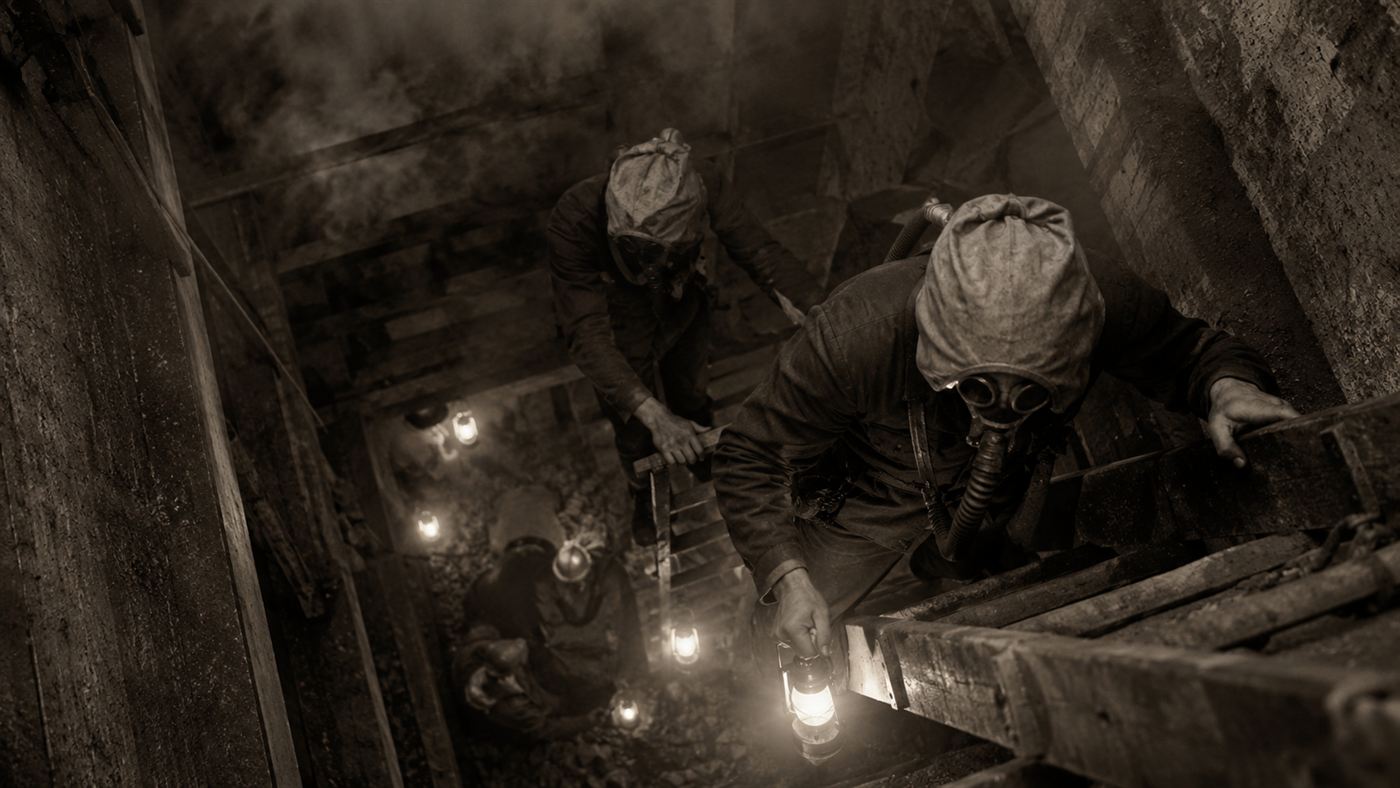
In the small hours of a July morning in 1916, while trained rescuers were dying in the poisonous air of a tunnel deep under Lake Erie, a man arrived in his pyjamas carrying a strange canvas hood of his own invention. He pulled it on, walked into the smoke that had killed everyone else who tried, and came back out carrying survivors. Then the newspapers printed the story and left his name out. Garrett Morgan was a hero America tried not to see.
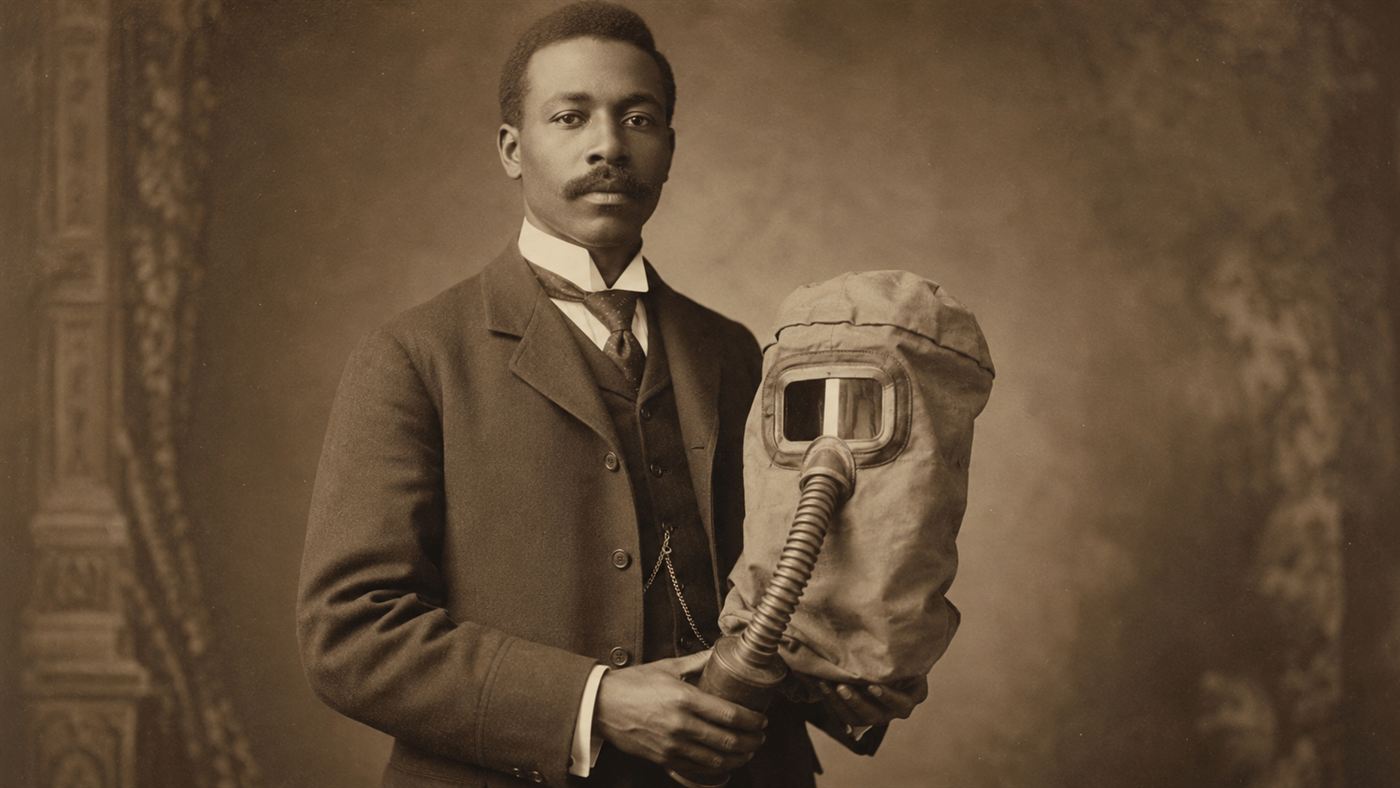
An inventor whose courage outshone the prejudice that tried to bury it. Illustration: Watts & Wild.
Garrett Morgan's life is a story of brilliant inventions and quiet injustice running side by side. The same country that used his safety hood to save its workers and his traffic signal to order its streets spent much of his life refusing to credit a Black man for either.
To understand why his name is not as famous as it should be, you have to look at what happened on the night he became a hero, and what happened in the days afterward.
The man who sold safety in disguise
Morgan was born in Kentucky in 1877, the son of formerly enslaved parents, and built himself up in Cleveland as a repairman and inventor. In 1914 he patented a "safety hood", a breathing device that let a wearer survive in smoke and fumes, and which would become an ancestor of the modern gas mask.
It was a genuinely life-saving invention, but selling it meant facing the racism of the age head on. In much of the country, buyers would not take a safety device seriously if they knew a Black man had made it. So Morgan resorted to a painful piece of theatre, hiring a white actor to pose as the inventor at demonstrations while Morgan himself, sometimes in disguise, was the one who strapped on the hood and walked into a tent filled with smoke to prove it worked. He had to hide to be believed.
The 1916 Lake Erie tunnel rescue
Then came the night that should have made him a household name. In July 1916 an explosion of natural gas ripped through a water tunnel being dug far beneath Lake Erie, filling it with deadly fumes and trapping a crew of workers underground.
Rescue parties rushed in without proper breathing gear, and many of them were overcome and died alongside the men they were trying to save. A police officer who had once seen Morgan demonstrate his hood sent for him in desperation. Morgan and his brother grabbed every safety hood they had and raced to the scene, and Morgan went down into that lethal tunnel again and again, hauling out survivors and recovering the dead while better-equipped men had failed. It was one of the bravest things a person could do, performed with a device the world had refused to take seriously because of his skin.
Erased from his own rescue
What happened next is the hardest part of the story. As the tale of the heroic rescue spread, major newspapers told it without ever mentioning Garrett Morgan, and the official honours that should have been his went elsewhere.
Worse, the publicity that did reveal his identity actively damaged him. Once buyers across the country realised the inventor of the safety hood was a Black man, orders dried up and some fire departments cancelled their purchases. The very heroism that proved his device worked was turned against him. It is worth being fair that a few of the most dramatic details have been retold and polished over the years, but the core is not in dispute: he saved lives, and his country paid him back with silence.
A signal that outlived the snub
Morgan kept inventing. After witnessing a bad collision on Cleveland's streets, he turned his mind to traffic. In 1923 he patented an improved three-position traffic signal, adding a warning interval between stop and go that made busy junctions far safer, and sold the rights to General Electric.
That idea of a pause, a moment when everyone is told to wait before the flow reverses, is now built into traffic lights all over the world, though almost no one driving through them knows his name. Morgan later lost much of his sight to glaucoma and died in 1963, having spent a lifetime making the world safer for people who were often unwilling to thank him. His story is a reminder that the history of invention is not just about who built what, but about whose names we choose to remember, and whose we quietly leave out.
What did Garrett Morgan invent?
Two things that still protect us every day. Garrett Morgan invented an early safety hood that pointed the way to the gas mask, and an improved traffic signal with a caution phase between stop and go, along with other products and businesses.
Both inventions share a theme: they are quiet, unglamorous devices whose whole purpose is to keep ordinary people from being killed by everyday dangers, smoke and traffic. That is a particular kind of genius, the sort that saves lives without ever drawing a crowd, and it is exactly the sort that history finds easiest to forget.
What was the 1916 Lake Erie tunnel rescue?
It was Morgan's finest and most painful hour. After a gas explosion trapped workers in a tunnel under Lake Erie and killed the rescuers sent in after them, Morgan used his own safety hoods to go where others could not and bring men out alive.
The rescue should have been the moment his invention and his courage were celebrated together. Instead it became the moment the country looked at a Black hero and decided, in print and in honours, to look away. The fact that we are telling his story now, and that his pause still blinks amber at every junction, is a small piece of that debt finally being repaid.
A man walked into a tunnel of poison to save strangers, and his country thanked him by forgetting his name. How many of the people who quietly keep us safe have been written out of the stories we tell? Tell us what you think in the comments.
Related reading: the Therac-25, a cautionary tale of what happens when safety is taken for granted, and Mary Anning, the fossil hunter whose discoveries were credited to the gentlemen who bought them.