He invented the motor that powers the modern world, then refused to own it
There is a quiet machine humming inside almost everything that moves on electricity, the pumps, the fans, the factory lines, the trains. The man who first showed how to make it spin could have been one of the richest inventors who ever lived. Instead he gave the idea to the world for free, and let someone else collect the fame and the fortune. Galileo Ferraris invented the induction motor and then chose, on principle, not to own it.
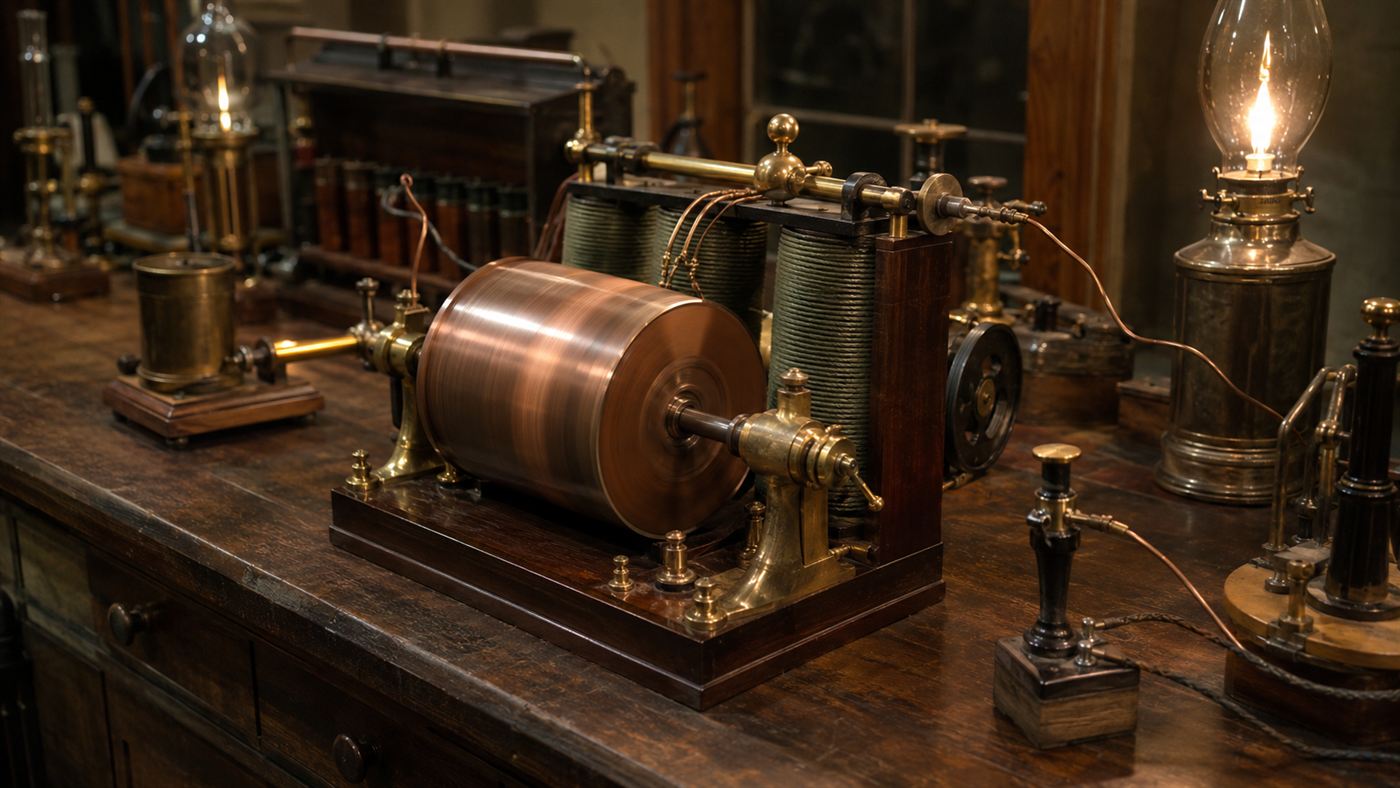
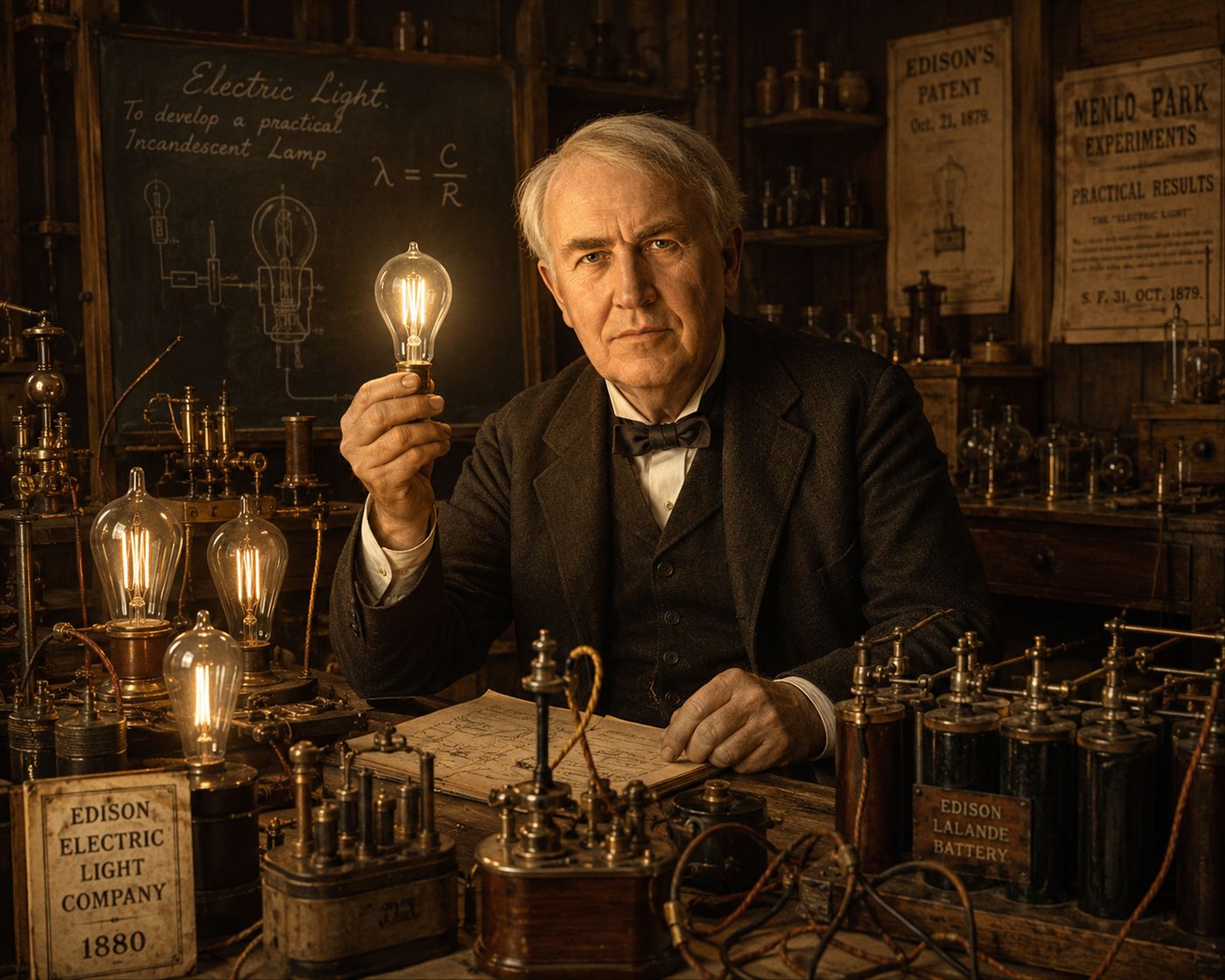
An 1880s bench like the one where the induction motor was born. Illustration: Watts & Wild.
In the late 1880s, the great race in electricity was to find a way to turn alternating current into useful spinning motion. The prize was enormous, because whoever solved it would unlock the motor that could run the whole industrial world on AC power.
Two men cracked it at almost exactly the same time, on opposite sides of the Atlantic, and never knew they were racing.
Two men, one idea, at the same moment
In Turin, a physics professor had been quietly circling the problem for years. Galileo Ferraris worked out that two alternating currents, out of step with each other, could create a magnetic field that appeared to rotate, and in 1888 he demonstrated a small motor spun by exactly this effect. That same year, in the United States, a young Serbian-American named Nikola Tesla was patenting his own version of the same breakthrough.
Neither had copied the other. They had reached the rotating magnetic field independently, almost simultaneously, which is one of those strange moments when an idea seems ready to be born and history produces two parents at once. The difference between them was not the physics. It was what each man decided to do next.
The principle he could see spinning
Ferraris was a teacher and a scientist before he was an inventor, and his instinct was to explain, not to profit. In March 1888 he presented his findings to the Royal Academy of Sciences in Turin, publishing the rotating magnetic field for anyone in the world to read and build upon.
His demonstration motor was small and, by later standards, not very efficient, more a proof of a beautiful principle than a finished industrial machine. To Ferraris that was the point. He had revealed how nature could be made to turn a shaft with nothing but cleverly timed currents, and he believed that kind of knowledge belonged to science as a whole. He saw himself as having opened a door, and assumed the world would simply walk through it and thank him.
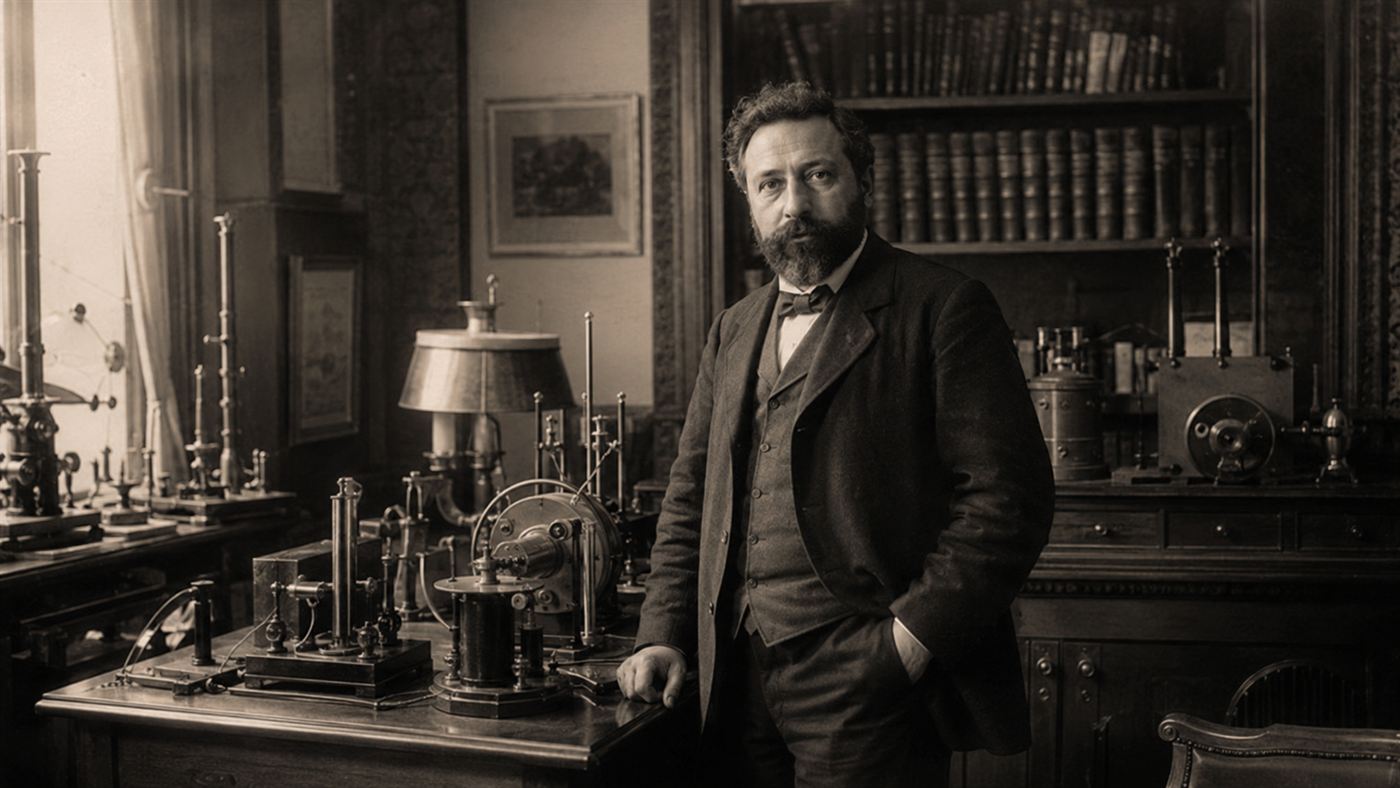
Why he walked away from a fortune
Tesla made the opposite choice, and it changed everything. Tesla patented his polyphase system and licensed it to George Westinghouse, who had the money and the factories to turn the induction motor into the beating heart of the electrical age.
Ferraris never filed a patent. He let his discovery circulate freely, and so the commercial credit, and most of the popular fame, flowed to the man who had locked his version up and sold it. It would be easy to cast this as a theft, the lone Italian robbed by a famous rival, but the truth is gentler and sadder than that. Ferraris simply valued the wrong thing for getting rich. He wanted to be understood, and he was, by the engineers who built on his work, even as the wider world forgot his name.
What did Galileo Ferraris invent?
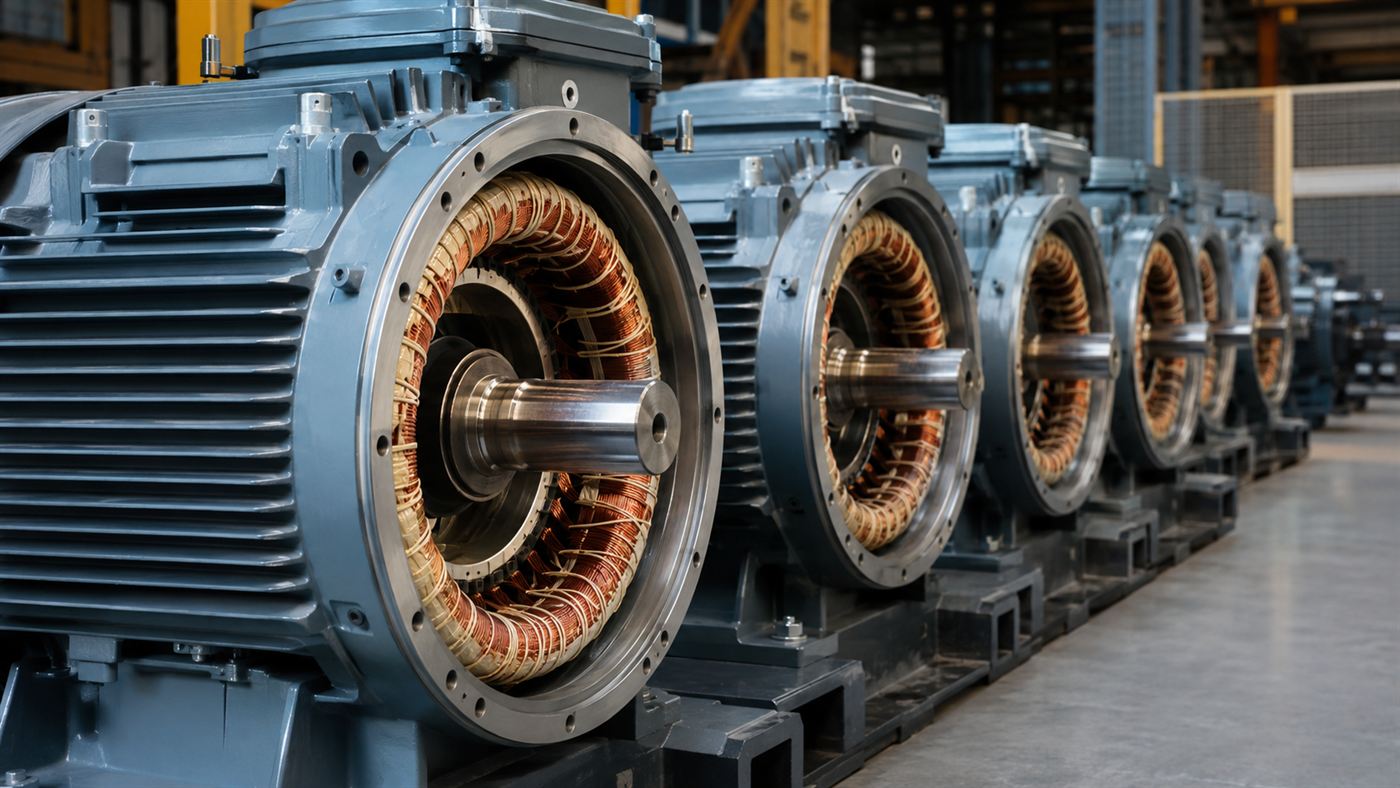
He gave us one of the most useful machines ever made. Galileo Ferraris discovered the rotating magnetic field and built an alternating-current induction motor, the rugged, simple design that still drives most of the pumps, fans and factory machinery in the modern world.
It is hard to overstate how ordinary and how essential that invention became. The induction motor has no fragile brushes or sparking contacts to wear out, so it can run for decades almost untouched, which is why it ended up inside everything from washing machines to electric trains. Every time one of those motors hums to life, it is running on the principle a Turin professor revealed and refused to fence off.
Did Galileo Ferraris invent the induction motor before Tesla?
The honest answer is that they tied. Galileo Ferraris and Nikola Tesla reached the rotating magnetic field independently and almost simultaneously in 1888, and historians still debate who was strictly first.
Ferraris is widely honoured as an independent discoverer, and in Italy he is remembered as a father of alternating current. But priority disputes are usually won by whoever patents, publicises and commercialises, not simply by whoever understands first. Tesla did all three. Ferraris did none of them, by choice. He died in 1897, only forty-nine years old, long before he could see just how completely his quiet little spinning motor would come to power the world.
One man patented the idea and became a legend, the other published it and was nearly forgotten, and the machine they both invented now hums inside half the devices you own. Is an idea more truly yours when you sell it, or when you give it away? Tell us what you think in the comments.
Related reading: the war of the currents, where Tesla's patented AC system fought Edison's DC empire for control of the electrical age.