A legendary designer built the prettiest electric car of its age, then watched it drown
It was supposed to be the car that made electric power glamorous: a low, sculpted luxury sedan from one of the great car designers alive, years before most rivals had anything as beautiful. Then its battery maker collapsed, a hurricane drowned hundreds of them at the dock, and the dream sank. The Fisker Karma is one of the most beautiful failures in motoring.
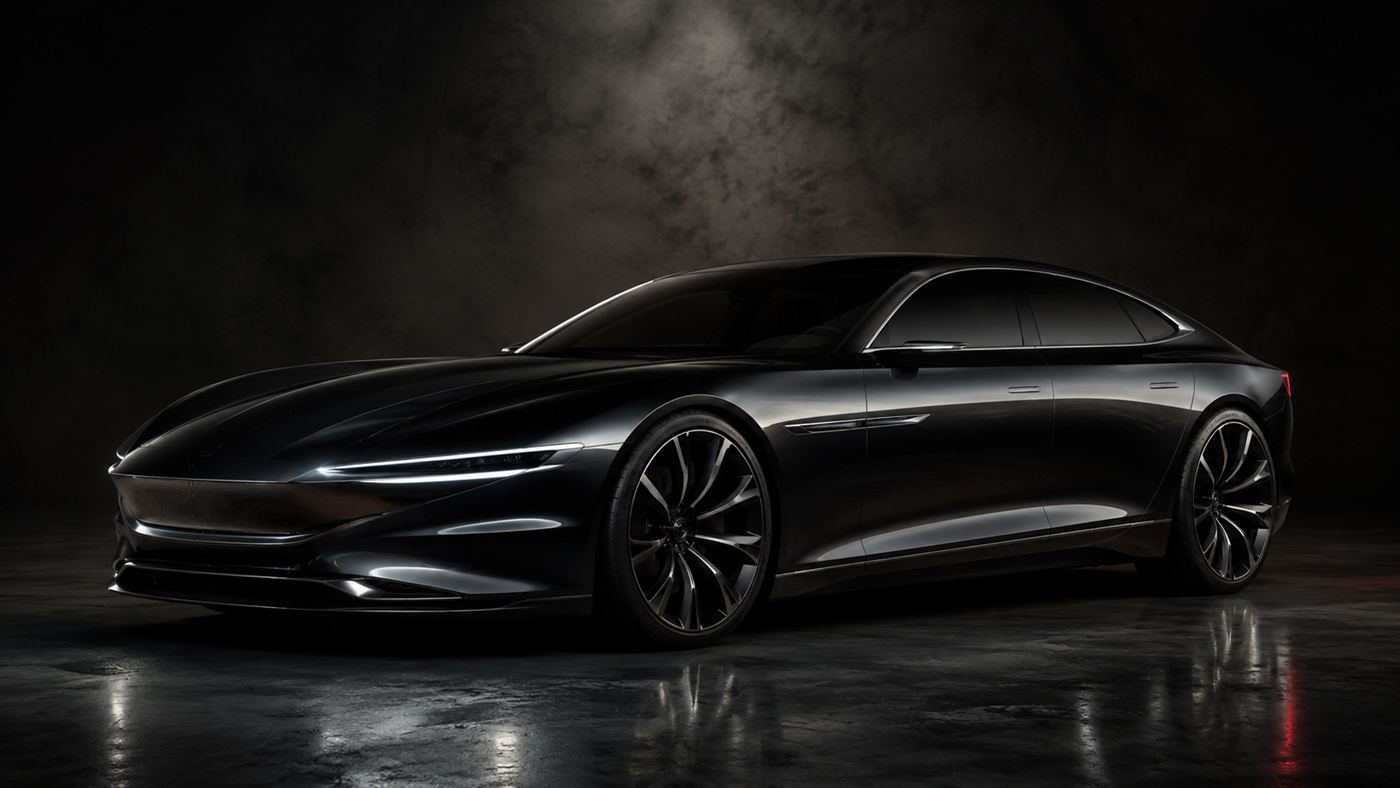
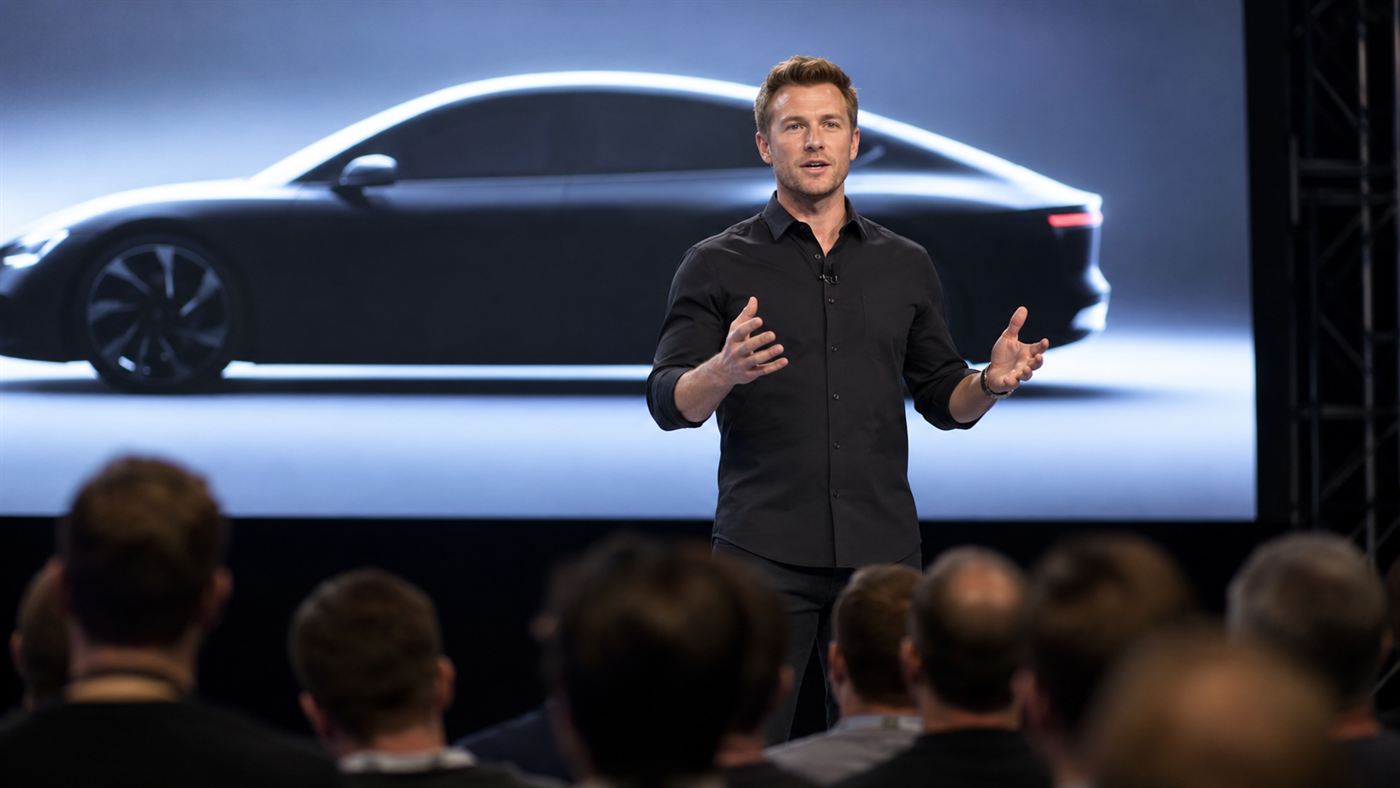
Long, low and dramatic, the Karma looked like the future of electric luxury. Illustration: Watts & Wild.
The history of electric cars is full of bold attempts that did not survive long enough to see the boom they helped start. The Fisker Karma was perhaps the most striking of them all, a car so good-looking that people forgave it almost everything, right up until the company behind it ran out of road.
Its story is a reminder that in the car business, beauty and ambition are never quite enough on their own.
A designer's dream made real
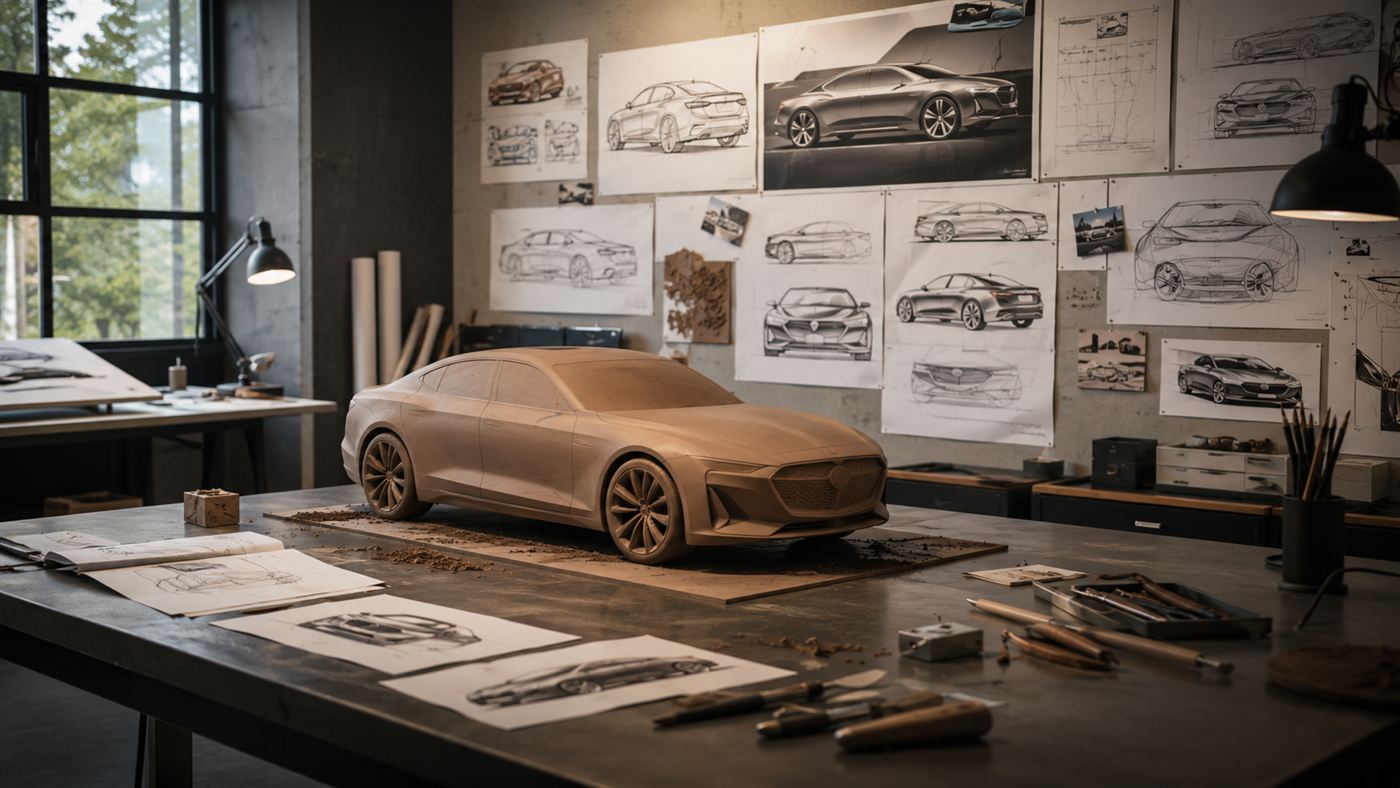
The man behind it was Henrik Fisker, a Danish designer who had already shaped some of the most admired cars in the world, including the Aston Martin DB9. When he set up his own company in 2007, he wanted to prove that an electric car did not have to be a worthy little box, but could be a genuine object of desire.
The Karma delivered on the looks completely. Beneath the sculpted body it was a plug-in design, driven by electric motors with a small petrol engine on board acting purely as a generator to recharge the battery on longer trips. Built in Finland and sold from around 2011, it drew famous buyers and glowing photographs, and for a moment Fisker looked like the next great name in cars.
Why the Fisker Karma failed
Behind the beautiful skin, trouble was building. The car was complex, heavy and expensive to make, and quality problems began to mount. The most damaging blow came from its batteries. The Fisker Karma depended on battery packs from a supplier called A123, and when A123 recalled the packs and then went bankrupt in 2012, production of the car ground to a halt.
A young carmaker cannot easily survive losing the supplier of its single most important part. Fisker had also been promised a large loan from the US government to fund its plans, but as the problems mounted that funding was frozen, cutting off the money the company needed to push through. The dream car suddenly had no batteries and no cash.
The hurricane that drowned a fleet
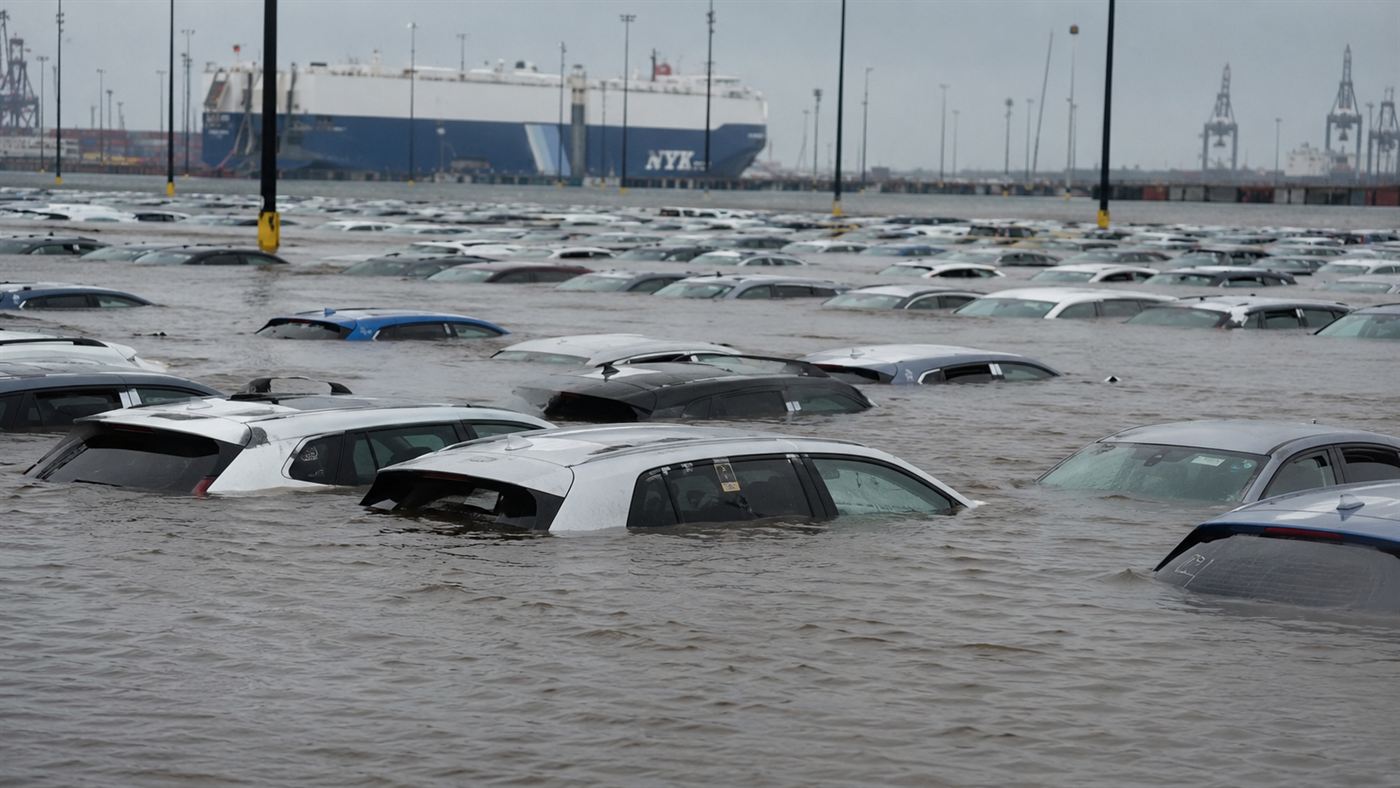
Then nature delivered a blow no business plan could have predicted. In late 2012, Hurricane Sandy slammed into the east coast of the United States, and a storm surge swept through a port where rows of finished Karmas were waiting. Around 338 brand-new Fisker Karmas were destroyed when the floodwater reached them, with some catching fire after the salt water shorted their systems.
For a company already gasping for money, losing hundreds of cars in a single night was close to a knockout punch. The image of expensive electric cars sitting ruined in seawater became a grim symbol of a venture that had simply run out of luck as well as cash. A few months later, in 2013, Fisker Automotive filed for bankruptcy.
What was the Fisker Karma?
Stripped of the drama, it was a daring early attempt at the kind of electric luxury car that is now common. The Karma proved that an electric car could be beautiful and desirable, an idea that seemed far from obvious when it appeared, even as the company failed to make the business behind it work.
The car itself did not entirely die. Its assets were bought out of bankruptcy by a Chinese group and the design lived on under a new name, quietly produced in small numbers long after the original company was gone. The Karma turned out to be more durable than the dream that created it.
Why did Fisker go bankrupt?
Because almost everything that could go wrong did, all at once. A fragile supply chain, high costs, a frozen government loan and a freak hurricane combined to sink a company that had bet everything on being first and most beautiful, rather than most reliable.
There is one last twist that makes the tale almost unbelievable. Years later, Henrik Fisker tried again with a brand new company and a new electric model, and in 2024 that second venture also collapsed into bankruptcy. Two beautiful electric cars, two failed companies, and one designer who keeps proving that the hardest part of building the future is not drawing it, but surviving long enough to sell it.
A gorgeous electric car, a star designer, and a chain of disasters that no one could have scripted ended in seawater and bankruptcy. Does the world remember the cars that worked, or the beautiful ones that almost did? Tell us what you think in the comments.
Related reading: Better Place, the electric-car startup that raised hundreds of millions and collapsed just as spectacularly.