A small Slovenian company beat Boeing and Airbus to the first electric aircraft ever certified to fly, a quiet two-seat trainer that recharges between flying lessons
Flying is one of the hardest things to electrify, because batteries are heavy and jet fuel is not. So the first electric aircraft ever certified as safe to fly did not come from an aerospace giant, but from a tiny Slovenian firm, and it works by aiming at the one job that fits: teaching people to fly.
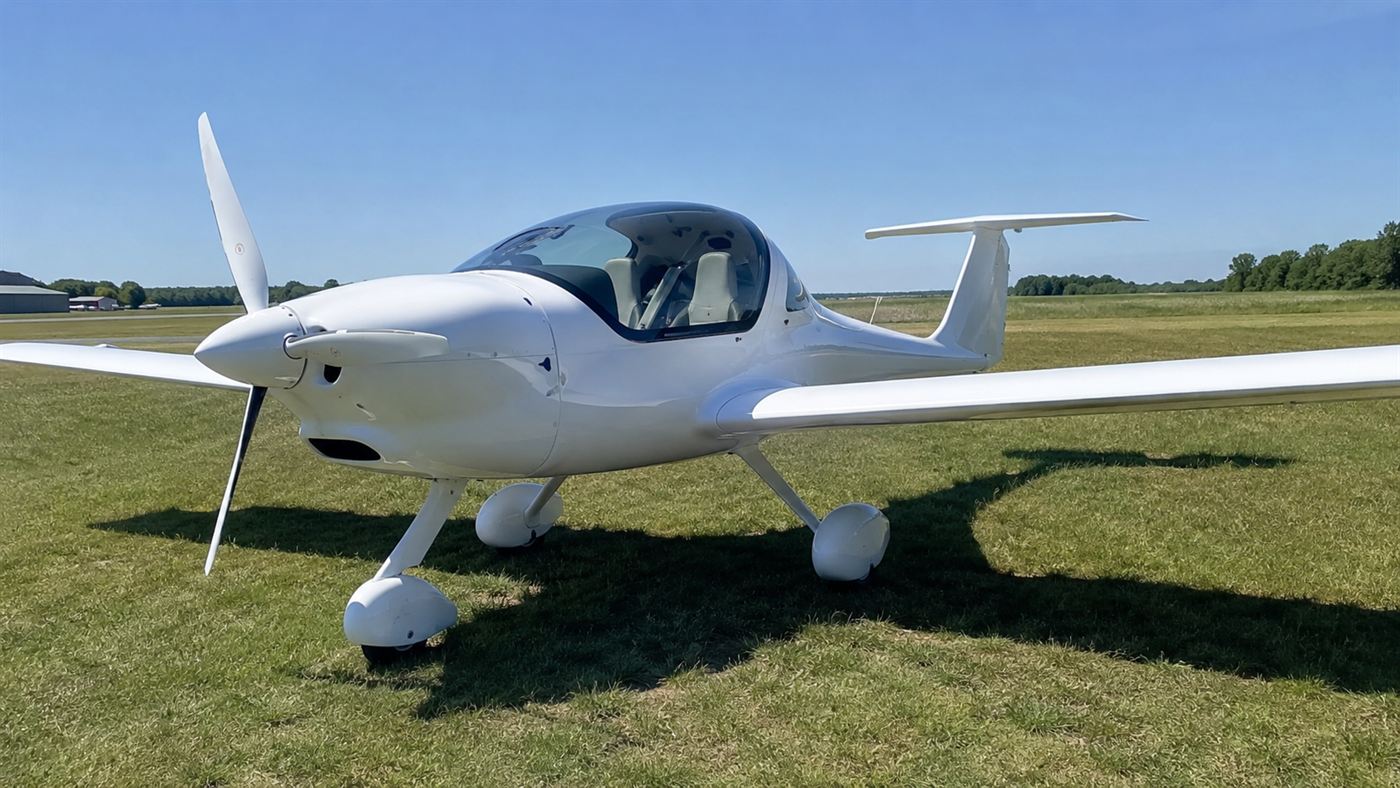
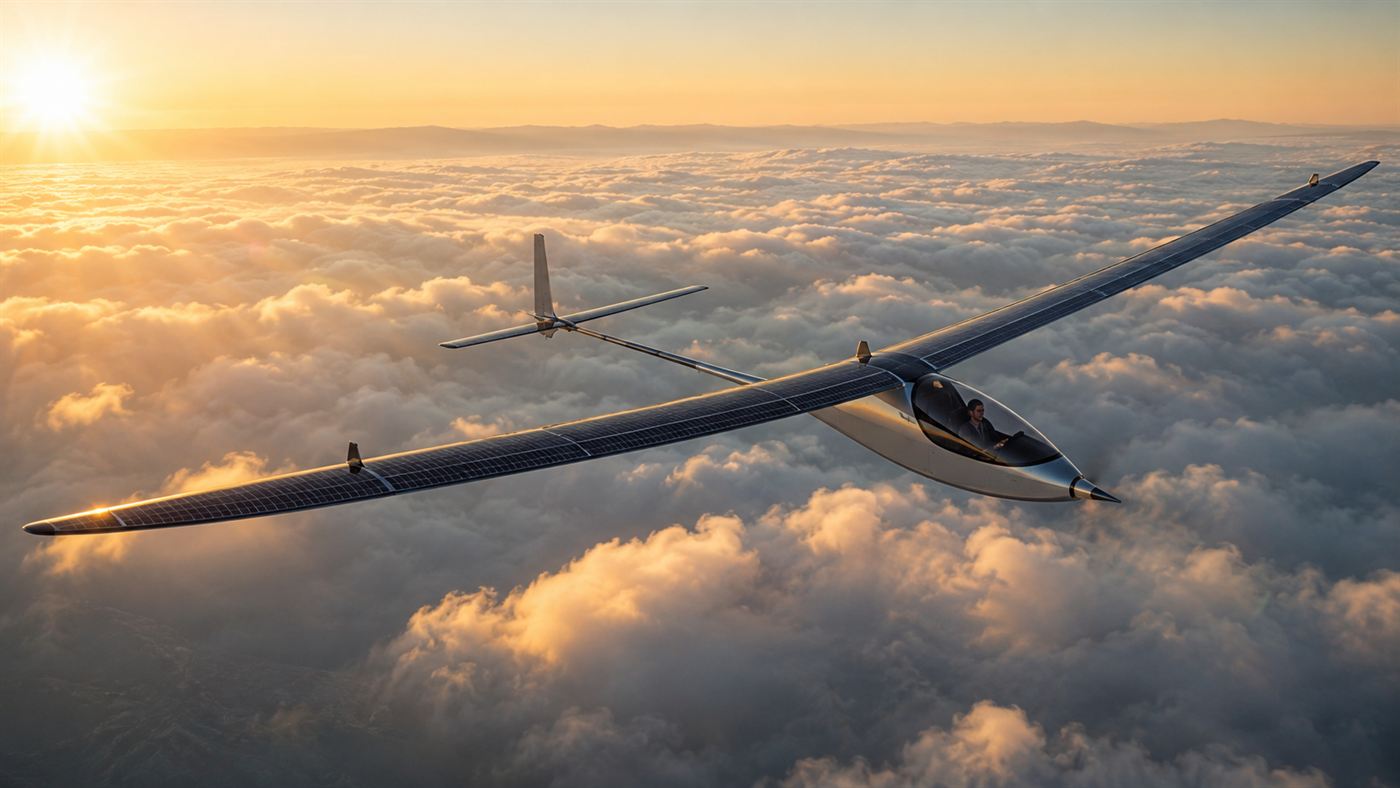
The Pipistrel Velis Electro, the first electric aircraft certified as airworthy. Illustration: Watts & Wild.
The first certified electric aircraft is not a sleek airliner or a flying taxi; it is a modest two-seat trainer called the Pipistrel Velis Electro. As the European Union Aviation Safety Agency announced, on June 10, 2020 it became the first fully electric plane anywhere to receive a type certificate, the official seal that says an aircraft design is safe and airworthy for ordinary use, rather than a one-off experiment.
What makes that quietly remarkable is who built it. The Velis Electro did not come from Boeing or Airbus, the giants with the deepest pockets in aviation, but from Pipistrel, a small company in Slovenia founded by an entrepreneur named Ivo Boscarol, who started out building ultralight planes in a country where private flying was once heavily restricted. While the big names talked about the electric future, the small one went and got it certified.
What is the first electric aircraft? The first electric aircraft certified to fly is the Pipistrel Velis Electro, a two-seat training plane from Slovenia. The European Union Aviation Safety Agency certified it on June 10, 2020, the first time a fully electric aircraft was approved as airworthy for general use rather than as an experiment.
Why electric aircraft are so hard
The reason planes have stayed stubbornly fossil-fueled comes down to brutal physics. Jet fuel and avgas pack roughly forty times as much energy into every kilogram as the best batteries do, and an aircraft has to carry all of its energy with it while fighting gravity the entire flight. Put enough battery on board to fly any distance and the plane becomes too heavy to take off. This is why a fully electric aircraft the size of an airliner remains, for now, science fiction.
That weight penalty is unforgiving in a way it simply is not for cars. A heavy electric car just uses a bit more energy; a heavy electric plane may not fly at all. Every serious attempt at electric flight has had to wrestle with the same trade-off between how far you can go and whether you can leave the ground, and most have foundered on it.
The plane that works because it doesn't go far
The cleverness of the Velis Electro is that it sidesteps the problem instead of solving it. Its great limitation, an endurance of only about fifty minutes in the air, would be useless for travel. But it is built for flight training, and a training lesson is a series of short circuits around the same airfield, taking off, practising and landing, rarely more than three-quarters of an hour at a time. For that, fifty minutes plus a reserve is plenty.
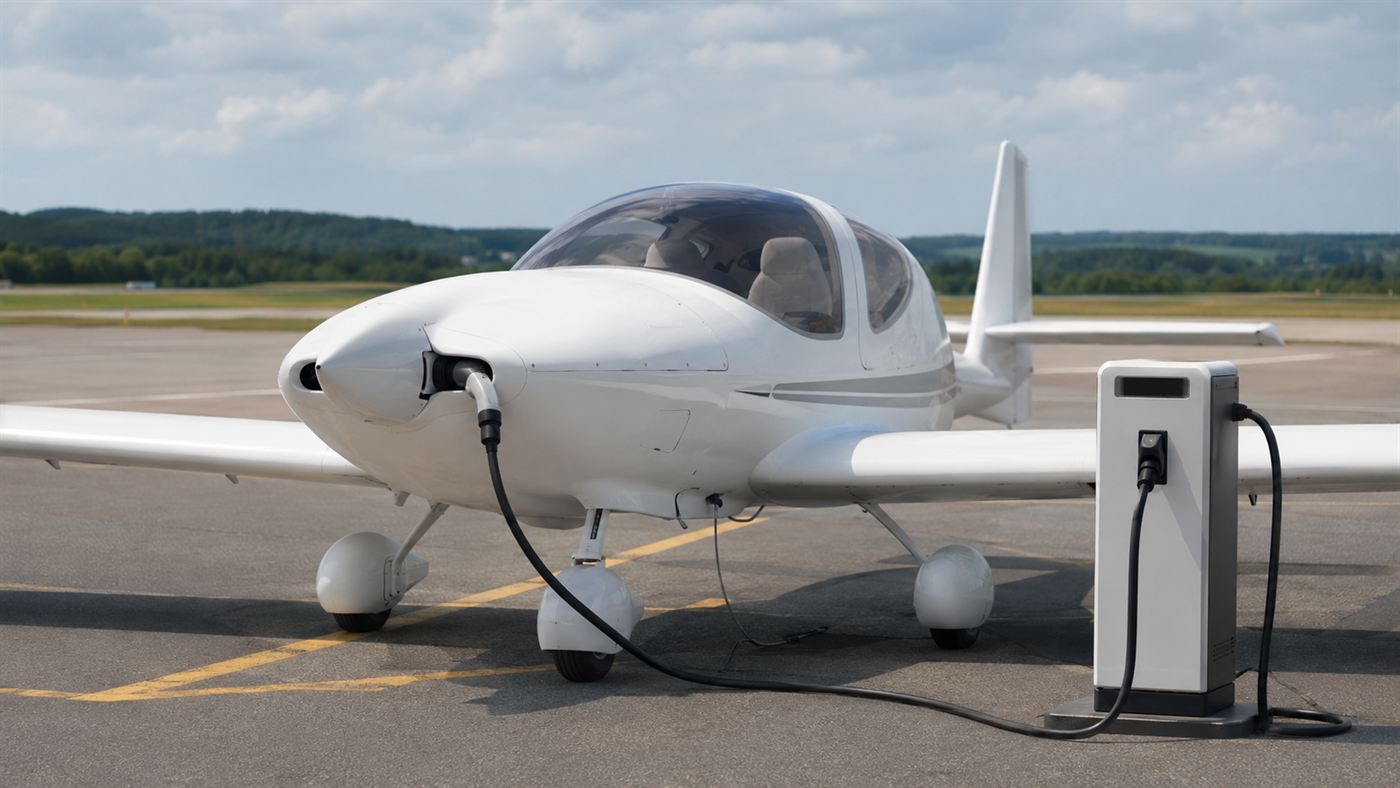
And for that job the electric version is better, not just cleaner. It is almost silent, around 60 decibels, which spares the neighbours of busy training airfields; it produces no emissions; and crucially it is cheap to run, because electricity costs a fraction of avgas and an electric motor needs far less maintenance than a piston engine. Flight schools across Europe began buying the electric aircraft not out of idealism but because the numbers worked.
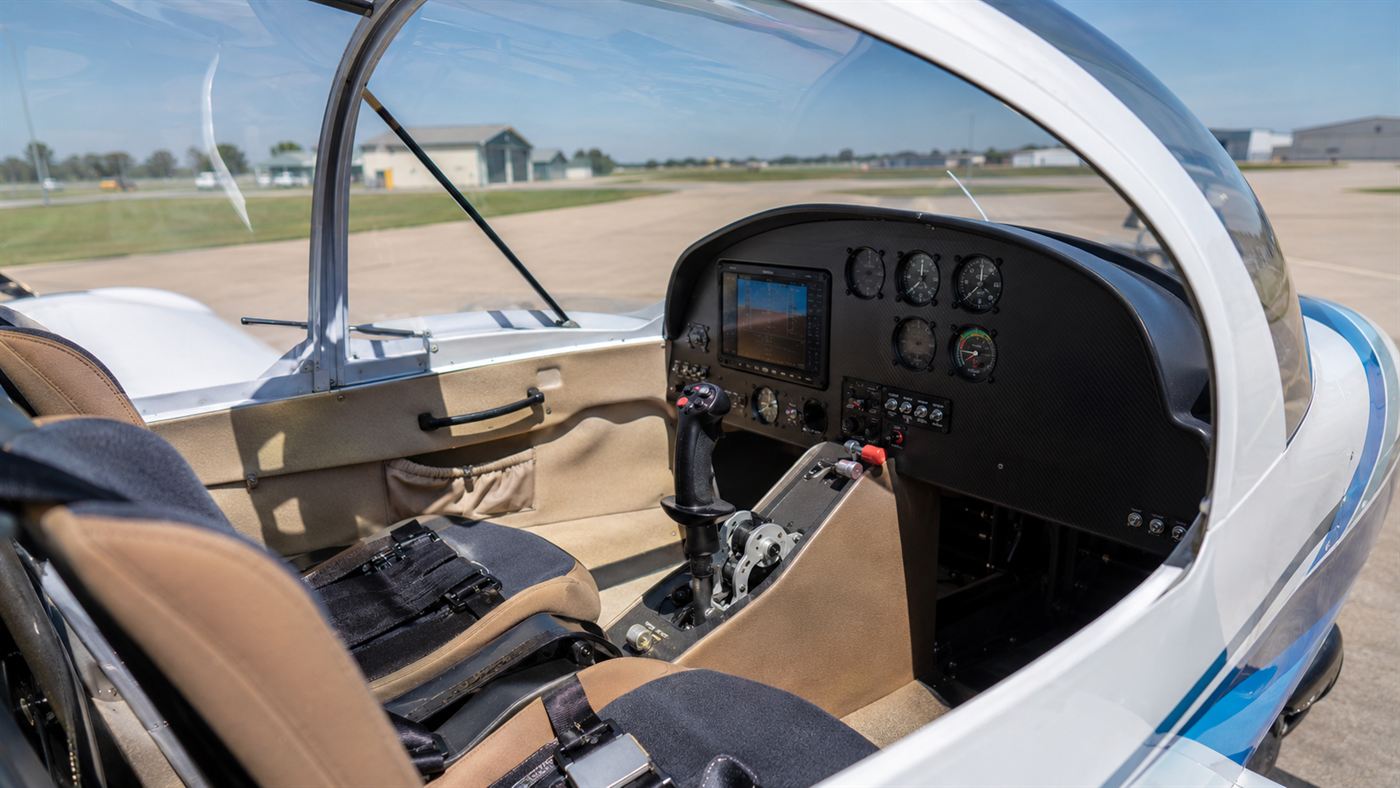
The little Slovenian company that beat the giants
Pipistrel had been quietly perfecting light, ultra-efficient aircraft for decades before the Velis Electro, and that focus is why it got there first. Ivo Boscarol built the firm from ultralights into a respected maker of energy-sipping planes, and the company developed not just the aircraft but its own electric motor, the E-811, which was itself the first electric aircraft engine ever type-certified. The plane and its power unit were both proven safe in under three years of work with the regulator.
It is a David-and-Goliath story with a tidy moral. The first certified electric aircraft came from a country of two million people and a company most travellers have never heard of, precisely because it was small and nimble enough to chase a niche the giants thought too modest to bother with. Pipistrel's success drew the attention of the aerospace world, and in 2022 the firm was bought by the American manufacturer Textron.
What the certification actually means
Plenty of electric planes had flown before 2020, but flying once and being certified are very different things. A type certificate means a regulator has examined the whole design, batteries, motor, structure, failure modes, and judged it safe enough to be sold and flown by ordinary operators, not just tested by daredevils. That is the bar that turns a clever prototype into a real product.
By clearing it, the Velis Electro did something larger than fly a lap of an airfield: it proved that the strict machinery of aviation safety can accommodate a battery-powered plane at all. Every electric aircraft that follows, and there are many in development, now has a path through certification that this one cut first.
The honest catch
It is important not to oversell it. The Velis Electro carries two people for under an hour; it is a training tool, not the beginning of electric air travel. The same battery weight that limits it will limit electric flight for a long time, and anyone promising electric airliners crossing oceans soon is decades ahead of the chemistry. This is a small plane doing a small job very well, not a revolution in the sky.
But that is exactly why it matters. Rather than wait for a breakthrough big enough to electrify everything, Pipistrel found the one corner of aviation where today's batteries are already good enough, and made the first certified electric aircraft real there. Progress in hard fields often looks like this: not a giant leap, but a tiny, useful machine quietly proving that the impossible thing can be done at all.
A two-million-person country and a company most people have never heard of beat the aerospace giants to the first electric aircraft ever certified to fly, simply by aiming at a job small enough to win. Would you take your first flying lesson in a near-silent electric plane, or do you want the roar of an engine? Tell us what you think in the comments.
Related reading: The solar-powered plane that flew all the way around the world without a drop of fuel.